Published: 03 September 2026.The English Chronicle Desk. The English Chronicle Online.
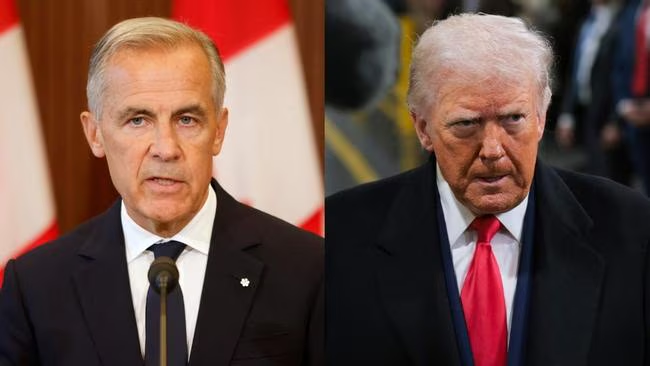
US President Donald Trump has intensified his criticism of Canada as efforts to revive trade negotiations between the two North American neighbours remain stalled, raising fresh concerns over the economic consequences of an escalating tariff dispute.
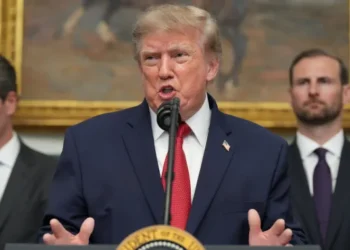
Speaking during a press conference with US travel industry executives, Trump said Canada had treated the United States unfairly for decades. His comments suggested that Washington was not currently preparing to resume negotiations, despite the growing pressure that higher tariffs could place on businesses, consumers and cross-border trade.
Trump accused Canada of taking advantage of American interests and argued that Canadian trade policies had harmed US farmers, tourists and airlines. He described the relationship as fundamentally unfair and maintained that the United States had been disadvantaged for many years.
The latest deterioration in relations follows the collapse of discussions between the two governments. Trump has imposed a 50% tariff on $20 billion worth of Canadian goods, while Canada has threatened retaliatory measures beginning on 8 September.

The dispute represents another significant challenge for one of the world’s most closely integrated trading relationships. The United States and Canada exchange large volumes of agricultural products, manufactured goods, energy and services every year, with businesses on both sides of the border deeply connected through supply chains.
The immediate effect of the tariff escalation will depend on which products are targeted and how companies respond. Importers may attempt to absorb additional costs, pass them on to customers or seek alternative suppliers. In sectors where businesses rely heavily on cross-border trade, however, replacing established suppliers can be difficult and expensive.
Trump’s latest remarks indicate that his administration remains committed to using tariffs as a central instrument of its trade policy. The president has repeatedly argued that tariffs can protect American industries, encourage domestic production and force trading partners to make concessions.
Canada, meanwhile, faces the difficult task of protecting its own industries while avoiding measures that could further damage economic ties with its largest trading partner. Canadian officials have signalled their willingness to respond if US tariffs remain in place, creating the possibility of a prolonged cycle of retaliation.
The tensions have implications beyond the immediate value of the goods affected. Companies operating across the US-Canada border often make investment and production decisions based on the assumption that the two countries will maintain relatively predictable trading conditions.
A prolonged dispute could therefore make businesses more cautious about investment and expansion. Manufacturers with factories, suppliers or customers on both sides of the border may face additional costs and uncertainty when planning production.
Farmers are also closely watching developments because agricultural trade between the two countries is substantial. Trump specifically criticised Canada over tariffs affecting US farmers, while Canadian retaliation could place pressure on American agricultural producers that depend on access to the Canadian market.
The tourism industry is another area of concern. Cross-border travel is an important component of economic activity in both countries, supporting airlines, hotels, restaurants, retailers and local businesses. Any deterioration in relations could affect travel patterns if consumers become more reluctant to cross the border or if political tensions influence spending decisions.
Airlines could also face additional uncertainty if travel demand changes or if broader economic pressures reduce passenger numbers. Trump’s reference to airlines and tourists demonstrates the wide range of sectors that he believes are affected by the existing trade relationship.
The dispute also carries a political dimension. Trump has made trade protection and economic nationalism central elements of his administration’s agenda, frequently portraying international trade agreements as arrangements that must be renegotiated in favour of American interests.
For Canada, the relationship with the United States presents a more complicated political calculation. While Ottawa wants to defend Canadian economic interests, the two countries are deeply connected geographically and commercially, making a prolonged trade confrontation particularly difficult to manage.
The latest tariff measures come at a time when Washington is simultaneously dealing with several other major economic and foreign policy challenges. The administration is pursuing an assertive approach to international trade while also confronting disputes and tensions involving other countries.
Trump’s broader trade strategy has generated uncertainty among companies that operate internationally. Businesses must increasingly consider the possibility that tariffs could change quickly following political decisions, making long-term planning more complicated.
The Canadian dispute may therefore become an important test of whether Trump’s tariff strategy can produce negotiated concessions without creating substantial economic damage on either side of the border.
The absence of active negotiations makes the situation particularly uncertain. If the two governments fail to return to the negotiating table, businesses could be forced to prepare for a longer period of elevated tariffs and possible retaliation.
For consumers, the consequences may eventually become visible through prices. Tariffs are generally paid by importers rather than directly by foreign governments, meaning additional costs can be passed through supply chains. Whether those costs ultimately reach consumers depends on businesses, market competition and the availability of alternative products.
The scale of the impact will also vary considerably by industry. Companies with limited exposure to Canadian imports may experience little immediate disruption, while businesses whose operations depend heavily on cross-border supply chains could face much greater challenges.
The political rhetoric surrounding the dispute is likely to remain intense. Trump’s statement that Canada has been taking advantage of the United States reinforces his long-standing argument that Washington needs to secure more favourable trade arrangements.

Canadian authorities are expected to weigh their response carefully as the threatened retaliatory tariffs approach. A forceful response could demonstrate resolve but could also deepen the economic confrontation. A more limited response might reduce the risk of escalation but could face domestic criticism for appearing insufficient.
The possibility of renewed negotiations remains open, but Trump’s latest comments suggest that a quick resolution is far from certain. The two governments would need to overcome significant disagreements over tariffs and market access before meaningful discussions could resume.
For businesses and workers on both sides of the border, the immediate priority is predictability. Companies need clarity about tariffs, supply chains and future trading conditions to make investment and employment decisions.
The current standoff therefore extends beyond a dispute between two governments. It has the potential to affect farmers, manufacturers, transport companies, retailers, travellers and consumers across North America.
As the 8 September deadline for Canada’s threatened retaliatory tariffs approaches, attention will focus on whether Washington and Ottawa can find a path back to negotiations or whether the confrontation develops into a broader trade war.
Trump’s latest comments suggest the United States is in no hurry to soften its position. With tariffs already imposed and retaliation looming, the coming weeks could determine whether the dispute becomes a temporary negotiating tactic or develops into a sustained rupture in one of the world’s most important bilateral trading relationships.
Related News:
 US Awaits Iran Reply on New Ceasefire Proposal
 Trump announces major US oil deal with Venezuela
 Trump Receives Machado’s Nobel Medal in White House Meeting
 Thousands Protest ICE Operations in Nationwide US Day of Action
 Epstein Files Reveal Trump Officials’ Emails with Financier
 Thousands Protest ICE in New York Against Trump Deportation Campaign
 Trump Faces Crisis as Iran Reopens Hormuz Tensions
 US Calls Australia Media Law “Foreign Extortion”
 Oil Prices Surge Above $120 Amid Iran Blockade Fears
 Trump orders US troop pullout from Germany
 Trump likens US Navy actions to ‘pirates’
 Trump approval plunges amid Iran war fears
 Ohio’s Battle for Trust: Democrats Vying to Flip the Buckeye State
 Trump Threatens UN Budget Cuts as US Pushes ‘Trade Over Aid’ Agenda
 Indiana Republicans Defy Trump in Key Vote Test
 Middle East Crisis Escalates as Oil Routes Shake Markets
 Tensions Emerge in Netanyahu-Trump Alliance
 Kevin Warsh sworn in as Fed chair amid economic backlash
 Hormuz Talks Near Critical Stage
 UK Pushes for New EU Goods Trade Deal
 Reeves Fights to Keep Treasury Role Amid Labour Turmoil
 Discontent grows around Putin amid war strain
 Former ICC prosecutor condemns US sanctions
 Trump Claims Iran Peace Deal Near Completion
 Europe Weighs Hormuz Navigation Fee Plan
 Houthis Strike Saudi Arabia as Middle East Tensions Rise
 Canada to Match Trump’s 50% Tariffs Dollar for Dollar
 Trump Calls Strait of Hormuz ‘American Territory’
 Trump Faces Iran War Crisis Before Midterm Vote
 Firms on both sides fear damage from US-Canada trade war
 Trump orders US to rename Lake Ontario ‘Lake America’
 Europe Faces Winter Gas Supply Anxiety
 Dutch Bank Moves 86 Tonnes of Gold to London
 Canada Passes Carney’s First Budget in Tight Parliamentary Vote
 India’s Labour Law Overhaul Sparks Fierce Debate
 Trump Escalates Minnesota Immigration Surge Amid Rising Tensions
 Greenland Faces Pivotal Summit Over Arctic Power Struggle
 Mark Carney Walks Diplomatic Tightrope on China Visit
 Government Unveils Northern Powerhouse Rail Plans
 Iran unrest slows under brutal crackdown and global tensions
 Trump Fed bid heads to Supreme Court
 Keir Starmer meets Xi to strengthen UK-China economic relations
 Clinton Testimony Erupts in Fiery Exchange
 Yvette Cooper: UK Must Follow Principles, Not US Pressure
 UK Doubles Steel Tariffs to 50% to Protect Domestic Plants
 Trump to Deploy “God Squad” Over Gulf Wildlife Protections
 Can Congress Stop US Sports Teams From Moving Cities?
 Trump Signals Hope for New Iran Talks as Ceasefire Fades
 Trump Slams UK Ties and Threatens To Rewrite Trade Deal
 Iron Worker Challenges Trump Loyalist in Ohio
 Iran Reimposes Strait of Hormuz Restrictions Amid Tension
 GOP Senator Criticizes Trump’s Feud With Pope Leo XIV
 Charles Faces Trump Test in High-Stakes US Visit
 UK Stands Firm on Falklands Amid US Rift
 Investigation Into Anti-Trump Motives After Gala Shooting
 Southeast Asia Turns to Russia Amid Energy Crisis
 Ukraine Urges UK to Seize Russian Oil Tankers
 Capitalism ‘Suicidal’, Warns Petro at Climate Summit
 US states redraw maps after voting rights ruling
 Judge halts deportation of Yemeni refugees in US
 Activists allege abuse after Gaza flotilla seizure
 Trump warns Iran as Middle East tensions surge again
 Australia pushes Pacific security pact amid China tension
 US ‘Narco Boat’ Strikes Draw Global Outcry
 Ohio Primaries Set Stage for Crucial Midterms
 Afghan Families Left in Limbo Face Risk of Deportation
 Norway Doubles Down on Oil and Gas for Europe Energy Security
 Fear and Betrayal: The Chilling Case of Kouri Richins
 US green card applicants must apply from abroad, DHS says
 Tulsi Gabbard exits after turbulent intelligence tenure
 Albanese Defends Tax Reforms Amid Emotional Speech
 Victoria Labor Launches Apprenticeship Expansion Plan
 UK Urged to Build EU Rejoin Consensus, Says Miliband
 House Curbs Trump’s War Powers in Rare Rebellion
 Trump’s Mount Rushmore Speech: A Divisive Anniversary
 Ukraine Creates Long-Range Strike Command
 Trump Refuses to Sign Housing Bill, But Law Takes Effect
 Is America Ready for an AOC Presidential Run?
 Russian Missiles Intensify Pressure on Kyiv
 Former Diplomats Urge UK and France to Act on Palestine