Published: 11 July 2026 . The English Chronicle Desk. The English Chronicle Online.
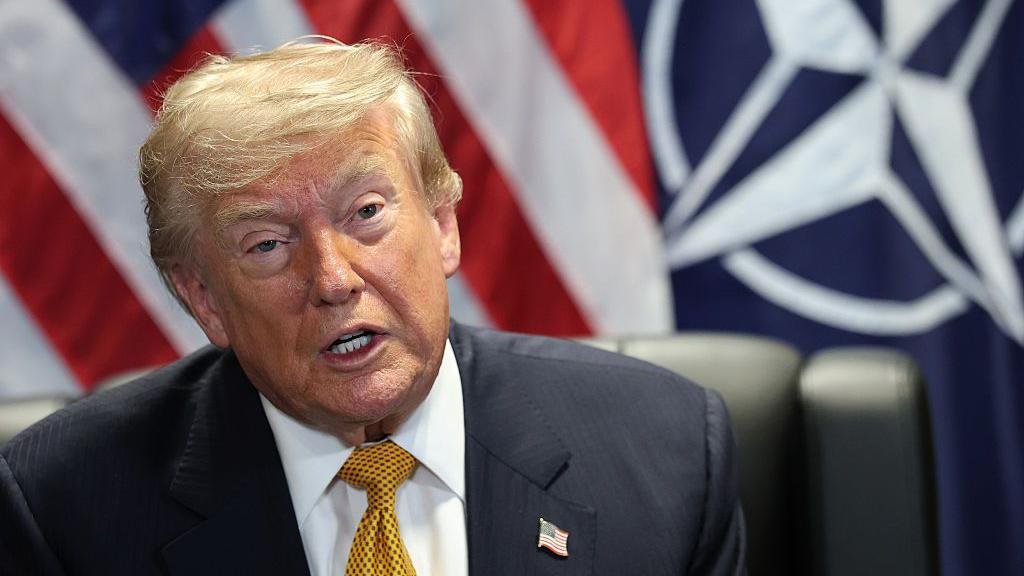
A sweeping bipartisan housing reform package has officially become law in the United States despite President Donald Trump refusing to sign it, marking one of the most unusual legislative developments of his second term. The legislation, designed to tackle America’s worsening housing affordability crisis, automatically took effect after the constitutional deadline expired without a presidential signature or veto.
The measure, known as the 21st Century Road to Housing Act, represents the most significant overhaul of federal housing policy in decades. It includes a broad range of reforms intended to expand housing supply, improve affordability for first-time buyers and renters, and encourage new residential construction across the country. After months of negotiations, the bill won strong bipartisan support in both the House of Representatives and the Senate, highlighting rare cooperation between Democrats and Republicans on one of the nation’s most pressing domestic issues.
However, despite the overwhelming congressional backing, President Trump declined to endorse the legislation. Instead, he attempted to link the housing bill to separate election legislation known as the Save America Act, arguing that he would not sign the housing reforms unless Congress also approved nationwide voting restrictions ahead of the upcoming midterm elections.
The White House’s position surprised lawmakers from both parties, particularly because the housing package had long been viewed as one of the administration’s potential legislative successes. Republican lawmakers had anticipated a formal signing ceremony to showcase bipartisan achievements on housing affordability, an issue that consistently ranks among voters’ top economic concerns.

Instead, the planned White House event was quietly cancelled. In the weeks that followed, Trump repeatedly dismissed the legislation, calling it “a big yawn” and suggesting that election integrity legislation deserved greater priority than housing reform.
On June 29, House Speaker Mike Johnson formally transmitted the bill to the White House, triggering the constitutional ten-day review period. Under the U.S. Constitution, when Congress remains in session and a president neither signs nor vetoes legislation within ten days (excluding Sundays), the bill automatically becomes law.
As the deadline passed shortly after midnight on Saturday, the housing legislation officially entered into force without the president’s approval.
The unusual outcome prompted immediate reactions from congressional leaders, many of whom argued that the legislation demonstrated Congress’s ability to act independently even amid growing political tensions.
Senator Elizabeth Warren of Massachusetts described the law as a landmark victory for American families struggling with rising housing costs. She argued that the legislation would encourage new home construction, reduce prices for buyers and renters, and introduce measures aimed at limiting the influence of large private investment firms purchasing residential properties.
Supporters believe the reforms could reshape the U.S. housing market over the coming decade by making it easier for developers to build homes, reducing regulatory barriers and increasing opportunities for first-time buyers who have been priced out of the market by years of soaring property values and limited housing supply.
Housing affordability has become one of the defining economic issues in the United States. Rising mortgage rates, record home prices and limited housing inventory have left millions of Americans unable to purchase homes, while renters continue to face rapidly increasing costs in many cities.
Lawmakers from both parties argued that the legislation represents a long-overdue attempt to address structural problems affecting housing availability nationwide. The bipartisan nature of the bill was widely viewed as a rare example of compromise in an increasingly polarized Congress.
President Trump’s refusal to sign the measure was not accompanied by a formal veto. Instead, he publicly announced that he was withholding his signature as a protest against the Senate’s failure to advance the Save America Act.
The proposed election legislation seeks to introduce new nationwide voting requirements and tighter rules for election administration before November’s midterm elections. While the Republican-controlled House approved a version of the proposal earlier this year, Senate Democrats strongly oppose the measure, and it currently lacks sufficient support to overcome procedural hurdles in the upper chamber.
Writing on his Truth Social platform before the deadline expired, Trump stated that he would not sign the housing legislation because the Senate had failed to pass the voting bill. Despite the declaration, the administration gave no indication that the president intended to issue a formal veto, allowing the constitutional deadline to pass and the housing package to become law automatically.
Democratic leaders sharply criticized the president’s approach, arguing that affordable housing should not have been tied to unrelated election legislation.
House Minority Leader Hakeem Jeffries accused Republicans of prioritizing voting restrictions over efforts to lower housing costs, while Senate Democratic Leader Chuck Schumer argued that the episode illustrated misplaced priorities at a time when many Americans continue struggling with the cost of living.
The legislation’s enactment also highlights the increasingly complex relationship between the White House and Congress as lawmakers prepare for the November midterm elections. Although Republicans maintain control of both chambers, divisions over legislative priorities have become more pronounced in recent months.
The housing law arrives at a critical moment for the U.S. economy. High borrowing costs, persistent inflation in housing markets and limited residential construction have combined to create one of the least affordable housing environments in decades. Economists have repeatedly warned that increasing housing supply will be essential for easing long-term affordability pressures.

Industry groups have generally welcomed the legislation, arguing that simplifying regulations and encouraging construction could gradually expand housing availability. Housing advocates also see the reforms as an important step toward improving access for middle-income families, although many caution that meaningful improvements will take years to materialize.
Meanwhile, the political debate surrounding election laws is expected to intensify as the midterm campaign accelerates. Trump’s continued emphasis on the Save America Act signals that election policy will remain a central issue for his administration despite Congress moving forward on other bipartisan priorities.
The unusual passage of the housing legislation—becoming law without either a presidential signature or veto—underscores the constitutional mechanisms designed to prevent legislative paralysis. While such occurrences remain relatively rare in modern American politics, the episode illustrates how bipartisan congressional support can still overcome political disagreements between Capitol Hill and the White House.
With the law now officially in force, federal agencies will begin implementing its provisions in the coming months, while both supporters and critics closely watch whether the reforms deliver meaningful improvements to housing affordability for millions of Americans.
Related News:
 Tories Push to Dilute Labour’s Workers’ Rights Bill
 US National Guard Member Killed in DC Shooting
 Trump to pause migration from ‘third-world countries’
 Franklin Turtle, Sabrina Carpenter Slam US Social Media Use
 Government Unveils Northern Powerhouse Rail Plans
 Trump Fed bid heads to Supreme Court
 Trump officials continue false claims after Alex Pretti shooting
 Partial US Government Shutdown Hits Homeland Security Funding
 Thousands Protest ICE Operations in Nationwide US Day of Action
 Sanders Condemns Billionaire ‘Greed’ in California Tax Debate
 Can Congress Stop US Sports Teams From Moving Cities?
 Swalwell Faces Pressure to Quit Governor Race
 Iron Worker Challenges Trump Loyalist in Ohio
 Harmeet Dhillon Faces Scrutiny in DOJ Role Debate
 Trump at Press Dinner Sparks Tension
 US Labor Department in turmoil after secretary resigns
 Judge Blocks Trump Bid for Arizona Voter Data
 US Court Weighs Fate of TPS for Migrants
 Florida Redistricting Map Sparks Major US Political Battle
 US Voting Rights Ruling Sparks Celebration and Outcry
 US Court Ruling Reshapes Voting Rights Landscape
 US states redraw maps after voting rights ruling
 BBC News Faces Deep Cuts in 2,000 Job Plan
 Spirit Airlines shuts down after 34 years amid crisis
 Judge halts deportation of Yemeni refugees in US
 White House Security Case Sparks Political Firestorm
 Trump approval plunges amid Iran war fears
 Trump Threatens UN Budget Cuts as US Pushes ‘Trade Over Aid’ Agenda
 Trump warns Iran as Middle East tensions surge again
 US Supreme Court fast-tracks Voting Rights ruling
 US Court Restores Abortion Pill Access Temporarily
 City & Guilds Faces Governance Crisis Over Sale
 US Awaits Iran Reply on New Ceasefire Proposal
 Immigration Judges Fear Pressure in Trump Era
 FDA Chaos Deepens as Trump Eyes Makary Exit
 US judge dismisses Kilmar Abrego Garcia indictment
 Kevin Warsh sworn in as Fed chair amid economic backlash
 US green card applicants must apply from abroad, DHS says
 Tulsi Gabbard exits after turbulent intelligence tenure
 Hormuz Talks Near Critical Stage
 Reeves Fights to Keep Treasury Role Amid Labour Turmoil
 Trump’s Revenge Drive Deepens GOP Divide
 Former ICC prosecutor condemns US sanctions
 Gunman Killed After White House Security Shootout
 Nationwide Faces Governance Scrutiny Ahead of AGM
 Prosecutor Proposes Law to Combat Election Deceit
 Hungary Targets Oligarchs with Proposed Landmark Wealth Tax
 Trump Weighs Retreat from Controversial $1.8bn Slush Fund
 New Investment ‘Trump Accounts’ Launch for US Children
 Mystery Grows Over Mitch McConnell’s Health
 Trump Orders Signs Criticising Smithsonian Museum
 Trump’s UK Ambassador Urges North Sea Drilling to Strengthen US Ties
 French Taxi Driver Cleared in David Lammy Theft Case After Fare Dispute
 Millionaires group urge Reeves to introduce wealth tax to ‘lift kids out of poverty’
 Major Rent Reform Ends No-Fault Evictions in England
 Canada Passes Carney’s First Budget in Tight Parliamentary Vote
 ICC to Rule on Duterte’s Provisional Release
 Starmer Says Labour’s Economic Plan Needs Years to Deliver
 Australia grants Asio powers to designate hate groups under new laws
 Trump press secretary attacks reporter over ICE question
 Sinema payment row deepens after $9,000 transfer claim
 Nurses’ families fear breakup under UK immigration crackdown
 UK shelves £110m border project amid trade strain
 California Democrats Vow Trump Reckoning
 Adelaide University Faces Backlash Over Event Cancellation
 Proposed Law Leaves Gap for Children of Convicted Paedophiles
 Farage Faces Backlash Over Crypto Cameo Endorsements
 Trump Signals Hope for New Iran Talks as Ceasefire Fades
 UK Stands Firm on Falklands Amid US Rift
 Investigation Into Anti-Trump Motives After Gala Shooting
 Albanese Rejects Gas Export Tax Push
 Oil Prices Surge Above $120 Amid Iran Blockade Fears
 Trump orders US troop pullout from Germany
 Silent Tracks: Rail Line Without Passengers
 Is JD Vance the Ultimate Fall Guy for Trump’s Shaky Iran Deal?
 Trump Faces Backlash Over $2bn Earnings Since Return
 AOC Backs El-Sayed in Tight Michigan Senate Primary
 Trump’s Mount Rushmore Speech: A Divisive Anniversary
 Apollo Launches £5.7bn Bid for Aviation Giant easyJet
 Houthis Strike Saudi Arabia as Middle East Tensions Rise