Published: 24 May 2026. The English Chronicle Desk. The English Chronicle Online.
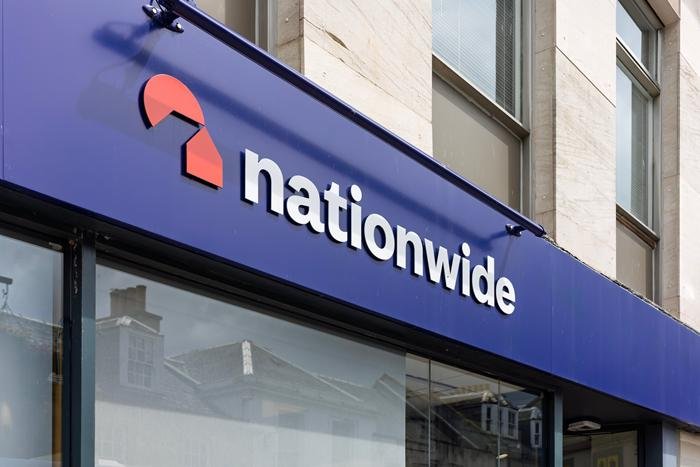
Nationwide Building Society is facing intensifying pressure to address what critics describe as “emerging governance issues” across the building society sector. As the society approaches its upcoming annual general meeting (AGM), Labour MP Navendu Mishra has issued a formal letter to Nationwide chair Kevin Parry, highlighting significant concerns regarding how the society engages with its members. At the heart of the dispute is the contention that Nationwide and other building societies are failing to uphold their foundational democratic values, particularly regarding board representation and the mechanisms used to solicit member votes.
The pressure arrives during a period of substantial growth for Nationwide, which recently finalized its £2.9 billion takeover of Virgin Money, bringing its total assets to an impressive £382 billion. While this expansion is viewed positively by many, Mishra, who is himself a Nationwide member, argues that exponential growth must be matched by a commitment to democratic accountability. He expressed concern that despite building societies being mutual organizations owned by their members, direct representation on governing boards remains an rarity. The upcoming AGM is notable for featuring the first member-nominated candidate to seek a boardroom seat this century, a development that advocates hope will spark a wider conversation about the need for permanent member representation.
A central point of contention in Mishra’s letter is the society’s use of “quick vote” options during its AGMs. Critics argue that these tools, which allow members to endorse all board recommendations with a single click, function as a nudge that discourages meaningful scrutiny and unfairly advantages incumbent directors. Mishra likened the practice to methods that would be prohibited in trade unions and other member-led organizations, questioning why such a simplified voting structure is deemed appropriate for a multi-billion-pound financial institution owned by its customers. James Sherwin-Smith, the member-nominated candidate running for the board, has formally requested that Nationwide suspend the quick vote feature for the forthcoming AGM, though the society has yet to confirm whether it will comply.
The debate also encompasses broader questions about the fairness and inclusivity of the AGM process itself. The increasing shift toward online-only meetings has raised alarms among observers who fear that the format may alienate members who lack digital literacy or reliable internet access. Furthermore, there are lingering concerns regarding the potential for question-filtering to stifle dissent. These governance anxieties are compounded by memories of the controversy surrounding the executive remuneration policy last year, when Nationwide faced criticism for declining to hold a binding member vote on a 43% pay increase for chief executive Debbie Crosbie, which potentially allows her total compensation to reach £7 million.
Nationwide has defended its current governance practices, asserting that the society remains committed to its members’ best interests. In a statement, a spokesperson for the society emphasized that while the vote on executive pay was non-binding, the remuneration policy received support from 95% of participating members. Regarding the use of online-only AGMs, the society argued that the format has actually reversed a trend of declining participation and provides the most accessible avenue for millions of members to have their voices heard. The society also maintained that the quick vote tool is a standard industry practice used by both listed companies and other building societies, and that member feedback has largely characterized the tool as clear and easy to navigate.

The outcome of this governance debate could have significant implications for the future of the mutual sector, particularly as the current government pushes forward with plans to double the size of the industry. For proponents of reform, the issue is not merely about procedural technicalities but about reinforcing the mutual identity that distinguishes building societies from commercial banks. As Nationwide prepares for its AGM, the spotlight on its decision-making processes serves as a reminder that the responsibilities of a member-owned entity extend far beyond financial performance. The society has indicated that the chair will respond to the MP’s concerns in writing in the coming days, leaving the door open for continued dialogue on the democratic future of one of Britain’s most prominent mutuals.
Related News:
 BBC News Faces Deep Cuts in 2,000 Job Plan
 Reeves Fights to Keep Treasury Role Amid Labour Turmoil
 Hungary Targets Oligarchs with Proposed Landmark Wealth Tax
 Trump Refuses to Sign Housing Bill, But Law Takes Effect
 Trump’s UK Ambassador Urges North Sea Drilling to Strengthen US Ties
 Rachel Reeves Set to Break Labour Pledge and Raise Income Tax
 MPs Press Rachel Reeves to Hike Gambling Taxes
 Cuts to home insulation funding threaten UK climate goals
 Millionaires group urge Reeves to introduce wealth tax to ‘lift kids out of poverty’
 Canada Passes Carney’s First Budget in Tight Parliamentary Vote
 PM Highlights UK Business at G20 in South Africa
 English Mayors Set to Introduce Tourist Taxes
 India’s Labour Law Overhaul Sparks Fierce Debate
 Starmer Says Labour’s Economic Plan Needs Years to Deliver
 Mark Carney Walks Diplomatic Tightrope on China Visit
 Government Unveils Northern Powerhouse Rail Plans
 Trump Fed bid heads to Supreme Court
 Starmer Plans UK-China Visit Amid Business and Diplomatic Goals
 UK Government Borrowing Drops to £11.6bn in December
 Keir Starmer meets Xi to strengthen UK-China economic relations
 EU Signals Open Mind on UK Customs Union Talks
 UK shelves £110m border project amid trade strain
 Sanders Condemns Billionaire ‘Greed’ in California Tax Debate
 UK Sees Record £30.4bn Budget Surplus, Boosting Reeves’ Position
 Reeves Must Back Defence Plan or Face Dismissal, Says Unite Chief
 OBR Reform Row Deepens Before Spring Forecast
 Global markets face turmoil as Hormuz crisis deepens
 Nissan Sunderland Plant Faces Uncertain Future Under EU Rules
 UniCredit’s Bold Move to Reshape European Banking
 Farage Faces Backlash Over Crypto Cameo Endorsements
 UK Doubles Steel Tariffs to 50% to Protect Domestic Plants
 Oil and Gas Prices Surge Amid Iran-Israel Attacks on Gasfields
 Starmer Adviser Urges New Profit Cap on Energy Firms
 Verdant report: Doge of the Left could save £30bn
 UK CO2 Plant Reopens to Counter War-Induced Shortages
 Trump to Deploy “God Squad” Over Gulf Wildlife Protections
 Can Congress Stop US Sports Teams From Moving Cities?
 Fuel Duty Relief Plea Amid Middle East Oil Crisis
 Tax Shift Hits UK Farms: New Inheritance Rules Begin
 City Firms See Sharpest Fortune Reversal in Thirty Years
 Student Loan Interest May Rise Despite 6% Cap
 Trump Slams UK Ties and Threatens To Rewrite Trade Deal
 Iron Worker Challenges Trump Loyalist in Ohio
 Carmakers Face £3bn Gap in UK Loan Payout Scandal
 Reform UK funding: mystery billionaire revealed
 Southeast Asia Turns to Russia Amid Energy Crisis
 US Calls Australia Media Law “Foreign Extortion”
 Albanese Rejects Gas Export Tax Push
 Capitalism ‘Suicidal’, Warns Petro at Climate Summit
 Oil Prices Surge Above $120 Amid Iran Blockade Fears
 $13bn World Cup Set to Break All Revenue Records
 Silent Tracks: Rail Line Without Passengers
 Trump approval plunges amid Iran war fears
 Trump Threatens UN Budget Cuts as US Pushes ‘Trade Over Aid’ Agenda
 Tough Fiscal Realities Await Next Scottish Government
 Government Subsidy Keeps Jaguar Land Rover Production Firmly Within British Borders
 Norway Doubles Down on Oil and Gas for Europe Energy Security
 US Awaits Iran Reply on New Ceasefire Proposal
 New ‘Double Lock’ Rent Cap Proposed to Ease Living Costs
 Labour Faces Internal Pressure for Bold Economic Shift
 Labour Factions Propose Bold Tax Cuts Amid Leadership Storm
 Beijing Becomes Centerstage for Global Diplomatic Ballet
 Hybrid village stores fight rural decline
 Kevin Warsh sworn in as Fed chair amid economic backlash
 Hormuz Talks Near Critical Stage
 UK Pushes for New EU Goods Trade Deal
 Albanese Defends Tax Reforms Amid Emotional Speech
 Victoria Labor Launches Apprenticeship Expansion Plan
 UK Urged to Build EU Rejoin Consensus, Says Miliband
 UK rejects EV charging VAT cut amid Treasury clash
 Hospitality Traders to Exploit Summer VAT Cut Loophole
 Andy Burnham Enlists Economic Heavyweights for Leadership Bid
 Great Britain Faces £90bn Electricity Grid Rewire Bill
 Trump’s Housing Dismissal Strains His Base
 New Investment ‘Trump Accounts’ Launch for US Children
 Ukraine Creates Long-Range Strike Command
 Weight-Loss Drugs Transform Fashion Shopping Habits
 Labour MPs Urge Burnham to Revive UK Aid Target
 EasyJet Takeover Sparks Fears Over Passengers’ Future
 Weight-Loss Drugs Offer Food Savings Mainly to High Earners