
Published: July 10, 2026 | The English Chronicle Desk | The English Chronicle Online
One of Europe’s most treasured medieval artefacts, the Bayeux Tapestry, has arrived at the British Museum following a carefully planned overnight operation involving heightened security, conservation experts and specialist transport teams. The historic textile, which has rarely left France in nearly a millennium, was delivered under strict confidentiality during the early hours of the morning to minimise disruption and ensure its safe transfer.
The arrival marks a landmark moment in cultural cooperation between the United Kingdom and France, paving the way for what is expected to become one of the most significant museum exhibitions in recent decades. Historians, archaeologists and art conservators have described the loan as an extraordinary opportunity for British audiences to view one of the world’s most influential historical works up close.
The Bayeux Tapestry is widely regarded as one of the greatest surviving examples of medieval storytelling. Stretching nearly 70 metres in length, the embroidered linen chronicles the events leading up to the Norman Conquest of England in 1066, culminating in the Battle of Hastings and the victory of William the Conqueror over King Harold II.

Although commonly referred to as a tapestry, the masterpiece is technically an embroidered cloth, created using coloured wool thread stitched onto linen fabric. Its detailed scenes combine military campaigns, royal ceremonies, religious symbolism and everyday medieval life, providing historians with an unparalleled visual record of the eleventh century.
The overnight transfer was organised after months of logistical planning involving museum officials, conservation specialists, transport experts and government representatives from both countries.
According to people familiar with the operation, the artefact travelled in a specially designed climate-controlled container that maintained constant temperature and humidity levels throughout the journey. Continuous environmental monitoring ensured that vibrations, light exposure and atmospheric conditions remained within carefully established conservation limits.
Security arrangements were equally comprehensive.
Specialist escort teams accompanied the shipment throughout its journey, while the exact transportation schedule remained confidential until after the artefact had safely reached the British Museum.
Museum officials said the decision to conduct the final stage of the transfer during the night reduced traffic, minimised unnecessary public attention and allowed conservators to begin immediate inspection procedures upon arrival.
Following delivery, experts carefully transferred the embroidery into a controlled conservation environment where it will undergo detailed condition assessments before being installed for public display.
Conservators are expected to examine every section of the textile using advanced imaging technologies capable of detecting even microscopic changes in the fabric or stitching.
Such inspections are standard practice whenever internationally significant artefacts travel between institutions.
The Bayeux Tapestry has remained in France for almost its entire recorded history.
For centuries it has been displayed in Bayeux, Normandy, where it has become one of the country’s most visited historical attractions and a powerful symbol of medieval European heritage.
Its temporary loan to Britain has therefore attracted enormous international interest.
Cultural historians say the exhibition represents more than simply displaying a famous object.
The tapestry tells a story deeply intertwined with the histories of both England and France, illustrating one of the defining events that transformed British monarchy, law, language, architecture and political institutions.
Professor of medieval history Sarah Collins said the embroidery remains invaluable because of its extraordinary narrative detail.
“It provides insights not only into warfare and royal politics but also into clothing, ships, weapons, religious practices and everyday life during the eleventh century. Few historical sources offer such a vivid visual account of the period.”
The British Museum has spent months preparing exhibition spaces specifically designed to accommodate the fragile textile.
Lighting levels will remain extremely low to protect delicate fibres from deterioration, while specially engineered display cases will maintain stable environmental conditions throughout the exhibition.
Visitor numbers are also expected to be carefully managed.
Timed ticketing systems, extended opening hours and enhanced crowd management measures are likely to be introduced to ensure both public safety and the preservation of the artwork.
Museum officials anticipate exceptionally high demand from visitors across Britain and overseas.
Hotels, restaurants and tourism businesses in London are expected to benefit significantly from the exhibition, which analysts believe could attract hundreds of thousands of additional visitors.
Travel organisations predict the display will become one of the capital’s most popular cultural events of the year.
The temporary relocation has also prompted renewed discussion about cultural diplomacy and international museum partnerships.
In recent years, museums worldwide have increasingly collaborated on major exhibitions through reciprocal loan agreements that allow important collections to reach wider audiences while strengthening academic cooperation.
Officials from both Britain and France have described the loan as an example of longstanding cultural ties between the two countries despite broader political differences.
French authorities emphasised that extensive conservation assessments confirmed the embroidery could safely travel under carefully controlled conditions.
Some conservation experts had previously questioned whether such an ancient textile should ever leave its permanent home because of its age and fragility.
However, advances in transportation technology, environmental monitoring and museum conservation have significantly improved the safety of moving priceless historical objects internationally.
Specialists involved in the project stressed that preservation remained the highest priority throughout every stage of planning.
The exhibition is expected to include interactive displays, digital reconstructions and educational materials placing the Bayeux Tapestry within the wider historical context of medieval Europe.
Visitors will also be able to explore archaeological discoveries, contemporary weapons, manuscripts and other artefacts connected with the Norman Conquest.
Education programmes are being developed for schools and universities, providing students with opportunities to study one of history’s most important visual documents firsthand.

Historians believe the exhibition may inspire renewed public interest in medieval history and encourage further academic research into the origins, creators and symbolism of the embroidery.
Despite decades of scholarly study, several aspects of the tapestry—including its exact place of creation and the identities of some individuals depicted—continue to generate debate among researchers.
For the British Museum, the arrival represents one of the most significant acquisitions for temporary exhibition in its modern history.
For visitors, it offers an exceptionally rare opportunity to experience a masterpiece that has shaped historical understanding for generations.
As conservators complete final preparations ahead of the public opening, anticipation continues to grow for what promises to be one of the defining cultural events of the year—bringing a remarkable piece of shared European history to British audiences for an unforgettable exhibition.
Related News:
 The Hidden Hoard of 1692: Glencoe Massacre Coins to be Displayed at Folk Museum
 “A Tonic for the Nation” Reimagined: Southbank Centre Marks 75 Years of Artistic Rebellion
 The Victorian aristocrat who became Britain’s first Muslim lord
 Battle to Save the Crumbling Palace of General Gordon’s Last Stand
 ‘There Is a Feeling of the Greatest Outrage’: The Mystery of Stolen Champion Racehorse Shergar
 Karen Gillan Reveals What She Misses Most About Scotland’s Food and People
 Why Alan Carr Bought a Castle in Kent
 BBC Apologises After Racial Slur Aired at BAFTAs by Guest With Tourette’s
 After Decades of Decline, Why Welsh Male Voice Choirs Are Back
 Henry Moore sculpture sells for £26m at auction
 London Underground’s public art celebrated
 Quentin Tarantino to Stage ‘Swashbuckling Comedy’ Play in London
 Rare Glimpse of Historic Bridge Thanks to Low Tide
 Charred 1940s Paper Found Miles From Fire Site
 The Darker Side of the Diary: Samuel Pepys and the Slave Trade
 The Mosaic of 1926: Newly Released Census Shatters “Monocultural” Myth of Early Irish Free State
 Two Centuries of Steam: The Museum Train Embarking on a Bicentennial Journey
 Echoes of the Iron Horse: Exhibition Train Marks 200 Years of Rail
 Locked Away: The ‘Complete Nightmare’ Facing the Blair Mayne Archive
 ‘Significant and Poignant’: Families Gather for 35th Anniversary of IRA Musgrave Bombing
 Legacy of the Landscape: Vicar’s Gift Secures Future of South West Coast Path
 A Gentle Light Extinguished: Tributes Pour in for Sister Genevieve After Fatal Newport Collision
 The Lough’s Lament: Can Fiction Spark a ‘Seismic’ Rescue for Lough Neagh?
 Anchors Aweigh: Historic Ferry Service Enters Voluntary Liquidation
 The Planet Rock Sunset: Hip-Hop Architect Afrika Bambaataa Dies Aged 68
 Dippy’s Sacred Sojourn: ‘Landmark’ Dinosaur Cast Arrives at Cathedral
 The Freedom Hub: Can a Former Women’s Jail Unlock This City’s Potential?
 Mediterranean Spirit in the Met: London’s Moroccan Jews Celebrate Mimouna
 Justice on Hold: Further Delay in Chloe Mitchell Murder Trial Sparks Local Frustration
 ‘The Last of the Greatest’: UK’s Oldest WWII Veteran Passes Away Aged 109
 ‘A Hero Returns’: Remains of Missing WWII Spitfire Pilot Discovered During Canal Restoration
 ‘On Freedom’s Wings’: Final Touches for the ‘East Midlands’ Angel of the North’
 Shaken, Stirred, and Syncopated: 2026 BBC Proms Unveils Boldest Lineup Yet
 ‘The Kings of the Rave’: Carl Cox ‘Humbled’ by Towering Mural Marking Prodigy Tour
 The $111 Billion Handshake: Warner Bros. Shareholders Greenlight Paramount Merger
 “A Magnet for People”: Hundreds Gather as Madness Star Sings at Primrose Hill Vigil
 “An Encyclopaedia in a Shirt”: Retired IT Analyst Becomes Seventh Millionaire Jackpot Winner
 A Century of Crust: The Family Pie Firm Celebrating 100 Years of Northern Soul
 The “Golden Tone”: Horn Virtuoso Invests £8,500 in Future Prodigy’s Dreams
 Unveiling Hidden Masters: Female Artists Take Centre Stage
 The “Invisible” Masterpiece: Banksy-Signed Statue Stuns London Commuters
 The Shadow of the Blitz: 1,200 Plymouth Homes Evacuated as “Very Large” WW2 Bomb Unearthed
 “Walking in His Footsteps”: Son of WWII US Airman Pays Emotional Visit to IWM Duxford
 The “Keyham Blast”: 500kg WWII Bomb Disarmed in Plymouth’s Biggest Post-War Evacuation
 “Unfair and Uninformed”: Met Commissioner Backs Officers Following Polanski’s Knife Attack Critique
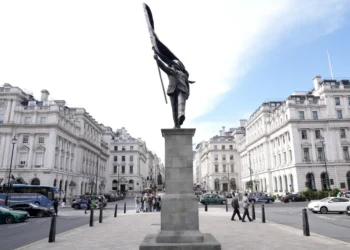 “Stealth and Scaffolding”: The Midnight Logistics Behind Banksy’s Latest London Plinth
 “No Longer Invisible”: Lea Salonga Reflects on the 2026 Diversity Milestone and Her Fight Against Broadway’s “Clinical Silence”
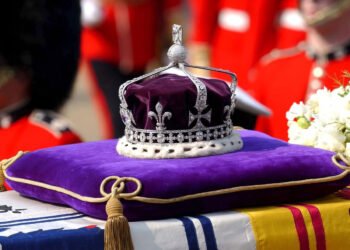 Koh-i-noor Diamond Row Reignites Colonial Debate
 “Gigs on the Go”: The 2026 Rise of the Horsebox Music Stage
 “The Harmony Tax”: Choir Leader ‘Baffled’ as Council Imposes High-Stakes Fees for Park Rehearsals
 “A Canvas of Spring”: Readers Capture Scotland’s Golden Hour and New Life
 “The Sacred Bronze”: Guernsey Liberation Hero Peter Porteous Honoured in ‘Clinical’ New Sculpture
 “The Boy in the Bay”: German Airman to Receive Permanent Headstone 86 Years After Somerset Crash
 “The Flora Funding”: Community Aid Bypasses ‘Nasty’ Price Hikes for Helston’s Children
 “The Window-Seat Office”: Working Life on the ‘Most Scenic Railway Line in the World’
 “The Centenary of a Giant”: Sir David Attenborough Celebrates 100th Birthday with ‘Milestone’ Global Quiz
 Sycamore Gap Artwork Chosen After Public Vote
 University Scrapping Black Studies MA Sparks Debate Over Academic Freedom and US Parallels
 Anita Manning’s Auction House Faces Backlash Over Sale of Human Remains
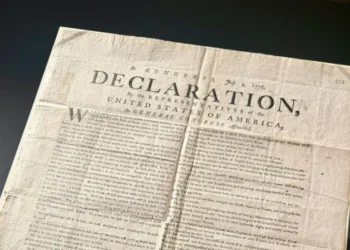 Rare Copy of US Declaration of Independence Discovered in UK Archives by Volunteer
 Forgotten Punjabi WWI Soldiers Finally Honoured
 Premier League Supercomputer Predicts Tough Season for Man Utd Amid Three-Team Title Battle
 UK Weather: Heat Alerts Extended as Temperatures Set to Reach 30°C This Weekend
 Merseyside Police Helicopter Crew Cleared After Low-Altitude Pursuit of Suspect
 Education Leaders Call for End to Compulsory GCSE Resits in English and Maths
 Thousands of New School Nursery Places to Be Rolled Out Across England
 Tanni Grey-Thompson Faces Abuse Over Opposition to Assisted Dying Bill
 Birmingham Bin Strike Enters Sixth Month as Negotiations Stall
 Over 40% of Private Renters Forced to Ration Energy to Afford Bills, Study Reveals
 Could Manchester Lead the UK’s Economic Revival?
 Motorists Could Face ‘Mandatory’ Driving Ban for Road Offences Under Tougher Laws
 Lloyds Boss Accepts Concern Over Use of Staff Data in Pay Talks
 With Scottish Freebies Under Threat, University Tuition Is on the ‘Hit List’
 Civil Service Pay: Union Urges Ministers to End ‘Barking Mad’ Limits
 UK Job Vacancies Hit Five-Year Pandemic Low
 Prominent Voices Challenge Palestine Action Ban
 “Three-Wheeled Triumph”: Mayor of Erewash Completes 2,000-Mile European Charity Run
 New Scan Offers Hope for Faster Endometriosis Diagnosis
 The “Dry” Life: Teens Trialing Social Media Bans Call Initial Disconnection “Boring” and “Dry”
 “An Endurance Test for the Mind”: British Couple Sentenced to 10 Years in Tehran