
Published: 8 June 2026
The English Chronicle Desk
The English Chronicle Online
A UK university’s decision to discontinue its Black Studies master’s programme has drawn criticism from academics, who say the move reflects a “dangerous parallel” with similar course closures in the United States.
The programme, which focused on the history, politics and cultural contributions of Black communities, is set to be phased out as part of wider departmental restructuring and budget adjustments.
University officials said the decision followed a review of course demand, staffing pressures and long-term financial sustainability, insisting that provision on related topics would still be available through other modules.

However, academics and students have expressed concern that the closure represents a narrowing of specialist teaching in areas linked to race, inequality and postcolonial studies.
One academic described the move as part of a broader international trend in which politically sensitive or niche humanities programmes face increased scrutiny and funding pressure.
They argued that the situation bears similarities to developments in the United States, where some institutions have reduced or restructured diversity-related academic programmes amid political and cultural disputes over curriculum content.
Critics warn that cutting dedicated Black Studies provision risks weakening academic diversity and limiting opportunities for in-depth research into systemic racism and historical inequality.
Student representatives said the decision could reduce access to specialist expertise and diminish the university’s ability to attract international students interested in the field.
Supporters of the restructuring argue that universities must adapt to changing student demand and financial constraints, and that interdisciplinary approaches can preserve core subject material.
Education policy analysts note that humanities and social science departments across the UK are facing sustained pressure from declining enrolment and funding challenges.

The controversy has reignited debate over academic freedom, curriculum design and the role of universities in addressing social and historical issues.
University leadership said they remain committed to equality and inclusion principles despite the restructuring.
The decision is expected to be discussed further in academic governance meetings in the coming weeks.
Check Out Our Latest News At>>
Related News:
 China-Backed Confucius Institutes at UK Universities Face Uncertainty Under New Free Speech Rules
 University of Edinburgh Lecturers Launch Five-Day Strike Amid £140m Budget Cuts
 It Changed My View’: Campaign Encourages Pupils in Deprived Areas to Consider University
 UK Universities Warn Students Ahead of 7 October Pro-Palestine Protests
 Oxford Union president-elect ousted following Charlie Kirk scandal
 The debate over England’s compulsory reading test for 13-year-olds
 Bridget Phillipson Vows to Confront Unions Over Reading Tests
 England’s Special Needs Support Faces Breaking Point
 UK Ministers Drop Foreign Student Targets for Global Education Push
 Britain’s Special Needs Spending Crisis Will Be Labour’s Ruin
 Schools in England to Get Budget for Children with Special Needs as Part of SEND Overhaul
 Tories Would Scrap ‘Debt Trap’ of High‑Interest Student Loans, Says Kemi Badenoch
 SEND Plan Gains Cautious Support Amid England Schools’ Workload Concerns
 MPs Backed by Phillipson as She Defends Student Loan Change; Average Repayments to Rise by £8 a Month
 Student Loan Crisis Sparks Outrage Among Graduates in England
 NHS Safety Fears as Nurses Cover Doctor Gaps
 The “Golden Tone”: Horn Virtuoso Invests £8,500 in Future Prodigy’s Dreams
 “Stealth and Scaffolding”: The Midnight Logistics Behind Banksy’s Latest London Plinth
 Ministers Prepare New Guidance on Children’s Screen Time
 Starmer Set to Unveil New Social Media Limits for Children
 UK Must Act with Courage and Clarity on Israel-Palestine Conflict, Says Foreign Affairs Committee Report
 Princess of Wales Launches Animated Video Series to Support Early Childhood Development
 Is the UK Ready to Put Boots on the Ground in Ukraine? Assessing Military Capacity and Challenges
 Education Leaders Call for End to Compulsory GCSE Resits in English and Maths
 Police Scotland Spends £500,000 Compensating Officers Over Trump Visit
 Thousands of New School Nursery Places to Be Rolled Out Across England
 Urgent Action Needed on Windrush Compensation as Survivors Speak of “Waiting to Die”
 Tanni Grey-Thompson Faces Abuse Over Opposition to Assisted Dying Bill
 TfL Invites RMT to Resume Talks as London Tube Strikes End
 Nigel Farage Unveils Controversial Immigration and Welfare Plans at Reform UK Press Conference
 White Low-Income Pupils in England Show Lowest Levels of School Engagement, Study Finds
 Ed Miliband Warns UK Government on X, Citing Elon Musk as a “Dangerous Influence”
 Kemi Badenoch Unveils ‘Golden Rule’ to Halve Spending Cuts for Deficit Reduction at Tory Conference
 UK border officers deployed to Balkans to tackle migrant smuggling
 UK MPs warn of repeat riots over online misinformation
 New V-Level qualification to transform post-16 education
 Army Barracks to House Migrants as Hotels Phase Out
 Trump’s UK Ambassador Urges North Sea Drilling to Strengthen US Ties
 Millionaires group urge Reeves to introduce wealth tax to ‘lift kids out of poverty’
 Reeves rejects £1bn plea for NHS redundancy payouts
 PM Condemns Leaks, Vows Loyalty to Ministers and Stability
 Major Rent Reform Ends No-Fault Evictions in England
 Starmer Says Labour’s Economic Plan Needs Years to Deliver
 England delays four mayoral elections amid criticism
 Tory Free Schools Waste £325m on Failed Projects
 Cambridge College Faces Backlash Over Private School Recruitment
 No Gas Boiler Ban as UK Warm Homes Plan Backs Heat Pumps
 Shinzo Abe’s killer receives life sentence in Japan
 Police response times face strict new national limits
 Send spending gap leaves deprived areas behind
 Could Manchester Lead the UK’s Economic Revival?
 Starmer Weighs Fast-Tracking Defence Boost
 Farage to Name Jenrick as Reform Chancellor Pick
 With Scottish Freebies Under Threat, University Tuition Is on the ‘Hit List’
 Civil Service Pay: Union Urges Ministers to End ‘Barking Mad’ Limits
 Antonia Romeo appointment sparks criticism
 Australian PM Says Former Prince Andrew Has Suffered ‘Extraordinary Fall’ but That Won’t Prompt Republic Referendum
 Farage Chagos Islands Row Sparks Fury
 Reform UK targets workers’ rights repeal
 Russian Trade Routed Through British Islands Exposed
 Mandelson Arrest: Met Apologises to Hoyle
 Police Scotland Pays £8m Compensation to Staff
 Minister Meets Crews Who Will ‘Take Out’ Iranian Drones
 Thousands Protest Iran Strikes Outside US Embassy London
 UK Oil and Gas Supplies Reassured Amid Middle East Concerns
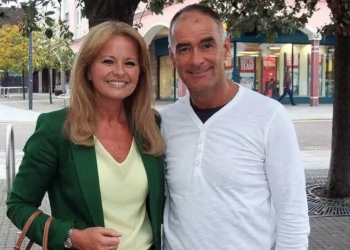 Tommy and Gail Sheridan to Stand for New Political Party After Alba Demise
 UK Forces Ready to Seize Russian Shadow Fleet Vessels
 US Lawmaker Demands Testimony Over Sarah Ferguson’s ‘Close Epstein Ties’
 Keir Starmer Vows Strong Action Against Online Tech Giants
 The 8 Million Dilemma: Why Britain’s Disability Safety Net is Facing a ‘2026 Reckoning’
 Is Britain Ready? Experts Warn of ‘Bizarre’ Military Delay
 Crackdown Backfires on UK Climate Protesters
 Reality Check on Reform: Minister Says Outright Abolition of Leasehold “Impossible”
 The “Dry” Life: Teens Trialing Social Media Bans Call Initial Disconnection “Boring” and “Dry”
 “An Endurance Test for the Mind”: British Couple Sentenced to 10 Years in Tehran
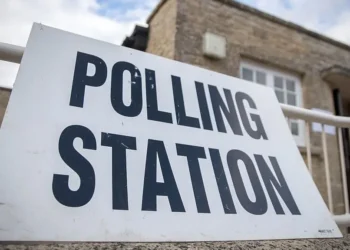 “The Local Gavel”: Polls Open Across Hampshire and Isle of Wight in Delayed ‘Milestone’ Vote
 Major test for Labour as polls open in Great Britain
 Farage Faces New Questions Over Private Helicopter Use
 Secret Role of UK Security Services in Troubles Amnesty Law
 UK Faces Most Dangerous Era, Military Chief Warns