
Published: 5 May 2026. The English Chronicle Desk. The English Chronicle Online
In a powerful retrospective marking the Southbank Centre’s 75th Anniversary celebrations of global art, musical theatre legend Lea Salonga has opened up about the “accountability rot” she faced early in her career. Speaking at a packed gala in London, the Miss Saigon and Mulan star recounted the overt prejudice that nearly derailed her Broadway debut, specifically the chilling sentiment from casting directors that audiences “won’t see her because she’s Asian.”
Salonga’s reflections come at a “milestone” moment in 2026, as the West End and Broadway report their most diverse season in history, moving past a “resilience deficit” that has long plagued the industry.

Salonga detailed the systemic barriers of the late 20th century, describing a “dopamine desert” for Asian performers where roles were either stereotypical or non-existent.
The Rejection: Salonga recalled being told that her ethnicity would “distract” audiences from the storytelling, a “clinical” excuse used to maintain an all-white status quo in classic productions.
The Turning Point: Her historic win as the first Asian woman to win a Tony Award for Miss Saigon was not just a personal victory, but a “national security emergency” for the gatekeepers of Broadway who had argued she was unmarketable.
The “Warrior” Mindset: Salonga emphasized that “justice has no expiry date,” noting that she fought not just to be cast, but to be seen as a “universal” performer capable of leading any narrative, regardless of her heritage.
Industry experts at the gala noted that Salonga’s career paved the way for the 2026 Creative Equity Act, which has seen a surge in “non-traditional” casting across major productions.
The “Hormuz” of Culture: Much like the $126 oil spike has forced a global logistical reset, Salonga argued that the “supply chain” of talent must be opened to ensure the theatre’s survival in a multicultural world.
The Digital Renaissance: Salonga highlighted how social media has broken the “clinical silence” of traditional casting, allowing performers to build their own “golden tone” of public support directly with fans.
The “Postcode Lottery” of Opportunity: She noted that while London and New York have made strides, regional theatre still faces a “resilience deficit” in representing the communities they serve.
As King Charles concludes his Washington visit, where he emphasized the “shared values” of the transatlantic alliance, Salonga’s message of “cultural sovereignty” resonated with an international audience.
The Symbolism: Salonga performed a medley of her most iconic roles, standing in front of a backdrop of the RHS Wisley wisteria, symbolizing the “perennial” nature of art that survives even the harshest winters of prejudice.
The Verdict: For Salonga, the fight wasn’t just about her own name on a marquee; it was about ensuring that the next generation of Asian artists never has to hear the word “invisible.”
The evening concluded with a standing ovation as Salonga received the Southbank Global Achievement Award.

The Future: “We are no longer the ‘other’,” she told the crowd. “We are the story.”
The Impact: With the King’s Speech on May 13 expected to address “Social Cohesion and the Arts,” Salonga’s story serves as a reminder that the most enduring “national security” is a culture where everyone is seen.
As the lights dimmed on the Thames, the message was clear: The “clinical silence” of the past has been replaced by a roar of inclusion. For Lea Salonga, the garden of Broadway is finally in full bloom—and it is a garden that belongs to everyone.
Related News:
 UK Plans to Weaken ECHR Torture Protections Spark Outrage
 Two Palestine Action Hunger Strikers Hospitalised as Concerns Mount
 UK economy enters 2026 amid sharp private sector slowdown
 Pro-Palestine Prisoners Temporarily End Hunger Strike Amid Health Fears
 Britain Demands Israel Reverse Ban on Aid Groups
 Protest Rights Under Threat Across England and Wales
 Three Palestine Action hunger strike protesters end protest after contract reversal
 ‘One in, one out’ scheme failing torture survivors, charity warns
 Starmer Led ‘Witch-Hunt’ Against Iraq Veterans, Critics Claim
 Calls Grow for King Charles to Apologise for Crown’s Role in Slavery
 Emails Show Epstein Funded Mandelson’s Husband After Jail
 Labour Attacks Reform Candidate Over Tommy Robinson Backing
 Royal Marine Admits Killing Man with Fatal Punch
 Karen Gillan Reveals What She Misses Most About Scotland’s Food and People
 Why Alan Carr Bought a Castle in Kent
 BBC Apologises After Racial Slur Aired at BAFTAs by Guest With Tourette’s
 Two Arrested After Death of ‘British Lip King’
 After Decades of Decline, Why Welsh Male Voice Choirs Are Back
 Henry Moore sculpture sells for £26m at auction
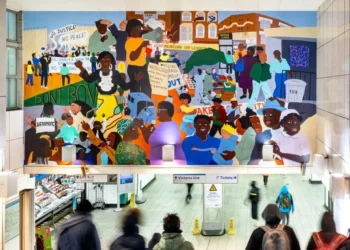 London Underground’s public art celebrated
 Benefits Cut for Mother and Baby Home Survivors
 Quentin Tarantino to Stage ‘Swashbuckling Comedy’ Play in London
 US lawmaker urges Sarah Ferguson to testify over Epstein ties
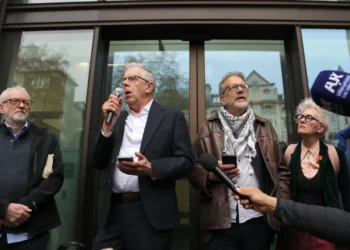 UK Activist Leaders Convicted Over Protest Violations
 ICE Detains Soldier’s Bride Days After Louisiana Wedding
 Gaza Child Arrives in UK for Life-Changing Care
 The Lough’s Lament: Can Fiction Spark a ‘Seismic’ Rescue for Lough Neagh?
 The Hidden Hoard of 1692: Glencoe Massacre Coins to be Displayed at Folk Museum
 Asylum Seekers Bound in Restraints During Removal Flights
 Stranded Mother Separated From Child Over Home Office Error
 ‘Is Nowhere Safe?’: British Jews Describe Living Under ‘State of Siege’ as Antisemitism Hits Record Highs
 Beyond the Caravan: New Report Exposes the ‘Uneven Paths’ of Gypsy and Traveller Women
 Shaken, Stirred, and Syncopated: 2026 BBC Proms Unveils Boldest Lineup Yet
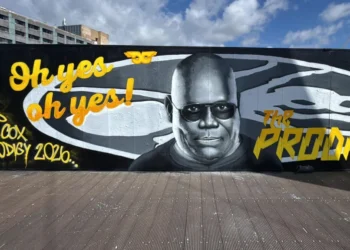 ‘The Kings of the Rave’: Carl Cox ‘Humbled’ by Towering Mural Marking Prodigy Tour
 The $111 Billion Handshake: Warner Bros. Shareholders Greenlight Paramount Merger
 Prominent Voices Challenge Palestine Action Ban
 “A Magnet for People”: Hundreds Gather as Madness Star Sings at Primrose Hill Vigil
 “An Encyclopaedia in a Shirt”: Retired IT Analyst Becomes Seventh Millionaire Jackpot Winner
 A Century of Crust: The Family Pie Firm Celebrating 100 Years of Northern Soul
 The “Golden Tone”: Horn Virtuoso Invests £8,500 in Future Prodigy’s Dreams
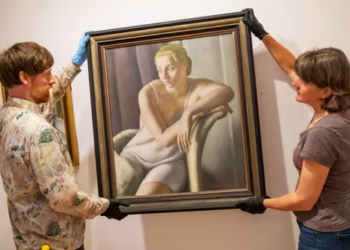 Unveiling Hidden Masters: Female Artists Take Centre Stage
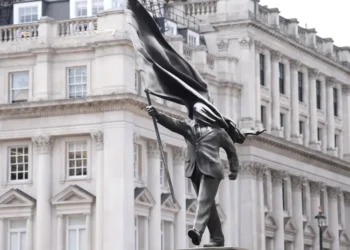 The “Invisible” Masterpiece: Banksy-Signed Statue Stuns London Commuters
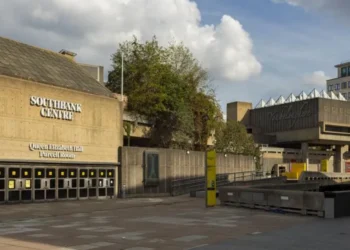 “A Tonic for the Nation” Reimagined: Southbank Centre Marks 75 Years of Artistic Rebellion
 “Humanitarian Concern” or Political Shield? Aung San Suu Kyi Moved to House Arrest Amidst Civil War
 “An Endurance Test for the Mind”: British Couple Sentenced to 10 Years in Tehran
 “Unfair and Uninformed”: Met Commissioner Backs Officers Following Polanski’s Knife Attack Critique
 “Stealth and Scaffolding”: The Midnight Logistics Behind Banksy’s Latest London Plinth
 Asylum deal sparks fears over Syria deportations
 UK may ban protests amid rising antisemitism fears
 UK Must Act with Courage and Clarity on Israel-Palestine Conflict, Says Foreign Affairs Committee Report
 London Set to Honour Euro 2025 Champions as Lionesses Take Victory Parade Through the Capital
 Targeted Attack in Bury Sparks Murder Investigation as Community Awaits Justice
 Princess of Wales Launches Animated Video Series to Support Early Childhood Development
 Inside the Helpline Protecting Missing Children in the UK
 PlayStation PS5 Deals Hit Lowest Prices Ahead of Black Friday
 Five-Year-Old Dies After Rare Tonsil Surgery Complication
 Starmer Says Labour’s Economic Plan Needs Years to Deliver
 Historic £100-Weekly Pension Boost Brings Relief for UK Mineworkers
 Children to Receive Home Vaccines as England Acts
 Cambridge College Faces Backlash Over Private School Recruitment
 Bereaved Fathers Gain New Paternity Leave Rights in UK
 Woman Jailed for Life After Killing E-Bike Rider in Tragic Mistaken Identity Case
 No Gas Boiler Ban as UK Warm Homes Plan Backs Heat Pumps
 Police response times face strict new national limits
 Devon hosts first high-density hydro power system
 Draft Severe Weather Plan Following Storm Flooding
 Charity Watchdog Takes Control of Learning Disability Care Home
 UK Forces Ready to Seize Russian Shadow Fleet Vessels
 US Lawmaker Demands Testimony Over Sarah Ferguson’s ‘Close Epstein Ties’
 Councils Pressed to Use Universal Parking App to Cut ‘Unfair’ Fines
 MP Outrage Grows as Travelodge Boss Misses Key Safety Talk
 The 8 Million Dilemma: Why Britain’s Disability Safety Net is Facing a ‘2026 Reckoning’
 ‘The Insulation Trap’: Knifeman Discovered Hiding Under Loft Padding After Six-Hour Standoff
 Spain Faces Backlash Over Xenophobic Chants in Egypt Draw
 The Banbridge Rescue: 300 Sheep Saved from Massive Hay Shed Inferno
 NHS Braces for Impact as Resident Doctors Begin Strike
 The Waiting Ward: ‘Month of Worry’ as Doctor Strikes Trigger Seismic Surgery Delays
 Is Britain Ready? Experts Warn of ‘Bizarre’ Military Delay
 Benjamin Field Murder Conviction Overturned by Appeal Court
 Roadside Reckoning: Nearly 160,000 Uninsured Vehicles Seized in National Crackdown