Published: 3 July 2026
The English Chronicle Desk
The English Chronicle Online
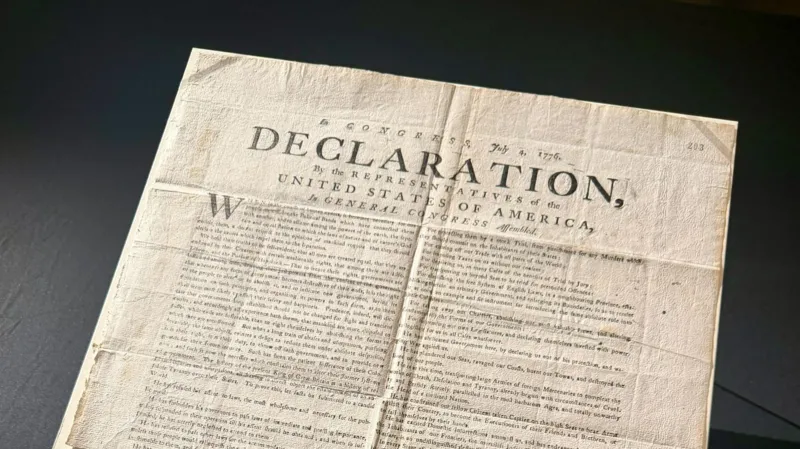
A rare historical copy of the United States Declaration of Independence has been discovered in a UK archive by a volunteer researcher, offering historians an unexpected glimpse into one of the world’s most influential political documents.
The remarkable find has generated excitement among academics and archivists on both sides of the Atlantic, with experts describing it as an important addition to the historical record surrounding America’s founding.
The document was uncovered during routine cataloguing work in an archive in the United Kingdom, where thousands of historical manuscripts, letters and official papers are preserved. The volunteer, who had been assisting staff with organising and identifying old records, noticed that one document appeared unusually significant.

Following a detailed examination, specialists confirmed that it was a rare historical copy of the Declaration of Independence, the landmark document adopted by the Continental Congress on 4 July 1776, announcing the American colonies’ decision to break away from British rule.
Although numerous printed versions of the Declaration exist, genuine early copies remain exceptionally scarce. Each newly identified example provides historians with valuable information about how the document was produced, circulated and preserved during one of the most transformative periods in modern history.
Archivists say the discovery demonstrates the enormous historical value that can still be hidden within museum collections, libraries and archival repositories, even after decades—or centuries—of research.
The volunteer was reportedly working through boxes of uncatalogued or little-studied material when the document attracted attention because of its distinctive wording and layout.
Archive staff were alerted, and experts were brought in to examine the manuscript more closely.
Historical specialists compared the document with known versions of the Declaration, analysing its typography, paper, ink and other physical characteristics to establish its authenticity and approximate age.
Their findings indicated that the document represents a rare surviving copy from the period surrounding American independence.
Experts say discoveries of this nature are uncommon because many early documents were lost through war, fire, deterioration or simple neglect over the centuries.
The Declaration of Independence remains one of the most influential political texts in history.
Drafted principally by Thomas Jefferson with contributions from other members of the Continental Congress, it set out the colonies’ reasons for declaring independence from Britain and introduced enduring principles concerning liberty, equality and individual rights.
Its famous assertion that “all men are created equal” has shaped political thought far beyond the United States, inspiring democratic movements and constitutional reforms around the world.
While the Declaration itself did not create a new government, it established the philosophical foundation for the birth of the United States and marked the beginning of a new chapter in world history.
Historians say the discovery in Britain serves as a reminder of the close historical relationship between the UK and the United States.
Although the Declaration symbolised the colonies’ separation from British rule, copies of the document inevitably found their way across the Atlantic through diplomats, politicians, merchants and private collectors.
Some were preserved within official government papers, while others entered private collections before eventually being donated to archives or libraries.
The newly discovered copy may help researchers better understand how information about American independence spread throughout Britain during the late eighteenth century.
It could also provide insights into political reactions within Britain at a time of enormous constitutional change.
The discovery has highlighted the vital role played by archives in preserving historical knowledge.
Across the UK, thousands of institutions hold millions of manuscripts, maps, photographs and official records documenting centuries of political, social and cultural history.
Many collections continue to be digitised and catalogued, making them more accessible to researchers while also revealing previously overlooked documents.
Archivists note that major discoveries are often made not during high-profile excavations but through patient, detailed examination of existing collections.
Volunteers frequently play an important part in that work by assisting professional archivists with organising, cataloguing and identifying historical material.
Conservation specialists are expected to carry out further assessments to ensure the document remains protected for future generations.
Historic manuscripts require carefully controlled environmental conditions, including stable temperature, humidity and lighting, to prevent deterioration.
Experts may also undertake high-resolution digital scanning so that researchers worldwide can study the document without handling the fragile original.
Digitisation has become an increasingly important tool for preserving rare historical records while expanding public access to valuable collections.
The discovery is likely to attract considerable academic attention.
Researchers will examine the document for any unique features, including variations in wording, printing methods, annotations or ownership marks that could shed light on its history.
Such details may reveal who originally possessed the document, how it reached Britain and why it remained in the archive for so long without attracting wider attention.
Even small differences between surviving copies can provide historians with important evidence about the production and distribution of early printed documents.
Discoveries of historically significant manuscripts often capture the public imagination because they offer tangible connections to defining moments in history.
Recent years have seen renewed interest in archival research, supported by advances in digital technology and growing efforts to preserve cultural heritage.
Historians say many important discoveries are still waiting to be found among the vast collections held by museums, universities, churches and local record offices.
Each new discovery helps deepen understanding of the past while reminding people of the importance of preserving historical records.

Further research will now seek to establish the full history of the newly identified Declaration copy and determine its precise place within the wider story of American independence.
Archivists are expected to collaborate with historians in both Britain and the United States to study the document in greater detail.
Its discovery not only enriches the historical record but also celebrates the often-overlooked work of volunteers and archivists whose careful efforts continue to reveal remarkable treasures hidden within collections.
As preparations begin for further conservation and scholarly examination, the rare document stands as a powerful reminder that even after 250 years, history still has the capacity to surprise.
For researchers, it represents a valuable new source of evidence. For the public, it offers another fascinating link to one of the defining events of the modern world.
Related News:
 ‘Significant and Poignant’: Families Gather for 35th Anniversary of IRA Musgrave Bombing
 “Walking in His Footsteps”: Son of WWII US Airman Pays Emotional Visit to IWM Duxford
 Koh-i-noor Diamond Row Reignites Colonial Debate
 “The Boy in the Bay”: German Airman to Receive Permanent Headstone 86 Years After Somerset Crash
 “The Flora Funding”: Community Aid Bypasses ‘Nasty’ Price Hikes for Helston’s Children
 “The Window-Seat Office”: Working Life on the ‘Most Scenic Railway Line in the World’
 “The Centenary of a Giant”: Sir David Attenborough Celebrates 100th Birthday with ‘Milestone’ Global Quiz
 UK Must Act with Courage and Clarity on Israel-Palestine Conflict, Says Foreign Affairs Committee Report
 Radioactive Leak at UK’s Nuclear Warhead Base Sparks Outcry Over Safety and Secrecy
 Mutual Inconvenience: Why Alaska Was Chosen for the Trump-Putin Summit on Ukraine
 Terence Stamp, ’60s British Film Legend and Star of Superman, Dies at 87
 Where Is Prince William and Kate Middleton’s New House? Inside the Historic Lodge Set to Become Their ‘Forever Home’
 FIFA Eyes Biennial Club World Cup from 2029, Plans Possible Expansion
 Is the UK Ready to Put Boots on the Ground in Ukraine? Assessing Military Capacity and Challenges
 Shein UK Faces Allegations of Shifting Majority of Profits to Singapore to Reduce UK Tax
 British Couple Among 16 Killed in Lisbon Funicular Tragedy
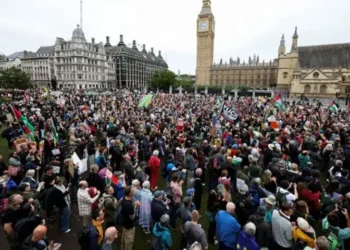 Thousands Gather in London to Protest Donald Trump’s Second UK State Visit
 Liverpool Vs outhampton Set for Carabao Cup Clash at Anfield
 A Third of EU Citizens in UK Report Discrimination by Public Bodies Post-Brexit
 Public Trust in SNP Hits Historic Low Amid NHS Concerns
 Johnson Suggests Mandelson Linked to China Spy Controversy
 Rachel Reeves signals welfare reform ahead of key budget
 Top Christmas Books Reads: Classics to Cozy Romcoms
 Just Stop Oil Protesters Convicted Amid Climate Defence Row
 I’m a Celebrity 2025 line-up revealed: Osbourne joins
 Palace May Restore Hyphen to Andrew Mountbatten-Windsor’s Name
 Royal Navy Shadows Russian Warships Entering the Channel
 Starmer China visit raises human rights pressure on Beijing
 UK New Car Discounts Near £6,000 as Prices Are Slashed
 Starmer Weighs Fast-Tracking Defence Boost
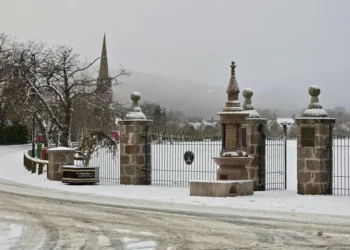 Snow and Rain Warnings as Cold Snap Continues in the UK
 Dual Nationals Face Scramble for UK Passports as New Rules Come Into Force
 Trump and Chagos Deal Rift Over Iran Strikes
 Australian PM Says Former Prince Andrew Has Suffered ‘Extraordinary Fall’ but That Won’t Prompt Republic Referendum
 Farage Chagos Islands Row Sparks Fury
 US Will Not Back Out of Tariff Deals with UK and Others, Says Trump Trade Representative
 Storm Hernando: Edinburgh Airport Flights Cancelled in US Travel Chaos
 ‘We’ve been paying for happy endings for Andrew for years’: inside the royal disgrace, biographer says
 Islanders Advised on Travel to Middle East Amid Escalation
 Brit ‘in Good Spirits’ Amid Dubai Missile Attacks, Stranded but Safe
 Trump rebukes Starmer over Iran strikes
 Stranger ‘On Drugs’ Stabbed Saudi Student to Death in Cambridge
 Minister Meets Crews Who Will ‘Take Out’ Iranian Drones
 ‘We Must Finish This’: Israelis Rally Behind War Effort as Iran Strikes Tel Aviv
 UK–US Tensions Ease as Starmer and Trump Hold First Call Since Iran Row
 Rare Glimpse of Historic Bridge Thanks to Low Tide
 Yvette Cooper: UK Must Follow Principles, Not US Pressure
 Iran War Warning: Starmer Backs Ukraine Visit
 UK Wage Growth Slows as Jobs Market Holds Firm
 Australia Imposes Sudden Travel Ban on Iranian Visitors
 UK Forces Ready to Seize Russian Shadow Fleet Vessels
 Net Closes on Lyons Clan: Partner Arrested in Dubai as Crime Boss Snared in Bali
 ‘Better Off Not Planting’: UK Farmers Face 36% Fertiliser Spike as Gulf Crisis Bites
 ‘The Final Word’: Kathleen Stock’s Polemic Against Assisted Dying Reshapes the UK Debate
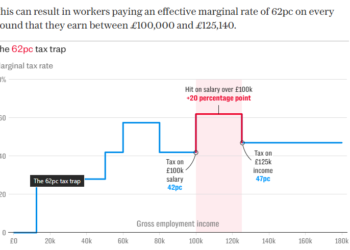 The ‘Career Ceiling’: One in Five High Earners Say £100k Tax Trap is ‘Ruining’ Their Ambition
 Open Justice Prevails as Court Rejects Bondi Gunman’s Family Anonymity Bid
 The Banbridge Rescue: 300 Sheep Saved from Massive Hay Shed Inferno
 Voices of the Vanguard: ‘Audio Time Capsule’ of Disability Rights Pioneers Discovered
 Diplomatic Deadlock: Lebanon Enters High-Stakes Border Talks with ‘No Cards to Play’
 ‘The Last of the Greatest’: UK’s Oldest WWII Veteran Passes Away Aged 109
 ‘The £100,000 Hammer’: War in Iran Forces UK Businesses to Absorb Historic Fuel Hikes
 “Three-Wheeled Triumph”: Mayor of Erewash Completes 2,000-Mile European Charity Run
 The “Charles Charm” Offensive: Did the Royals Find Their Mojo in D.C.?
 “An Endurance Test for the Mind”: British Couple Sentenced to 10 Years in Tehran
 Premier League drama defines crucial weekend
 “The Cost of Conviction”: Palestine Action Activists Found Guilty Over ‘Clinical’ Factory Damage
 “The Local Gavel”: Polls Open Across Hampshire and Isle of Wight in Delayed ‘Milestone’ Vote
 “The Blue Light Intersection”: Seventeen-Year-Old Critically Injured in ‘Nasty’ Police Pursuit Crash
 “The Fractured Frontier”: Sir John Curtice Declares the ‘Sacred’ Two-Party Era Over After ‘Milestone’ Results
 The Pathogen Protocol”: Third British National Monitored for ‘Nasty’ Suspected Hantavirus
 “The Reality Reckoning”: Government Demands Accountability as Channel 4 Pulls Married at First Sight UK Over Grave Sexual Assault Allegations
 “I’ve Been Cheated”: Andrew Malkinson Lambasts the ‘Accountability Rot’ of the British Justice System Following True Perpetrator’s Conviction
 “A Thorn in the Side”: Farage Faced with Fresh Financial Scrutiny as Corporate Accounts Challenge Reality TV Defense
 “The Iron Chancellor of the North”: Andy Burnham’s High-Stakes U-Turn to Prevent a Truss-Style Gilt Market Meltdown
 “The London Lockdown”: Tube Strikes and Engineering Works Create a Transport Perfect Storm Across the UK
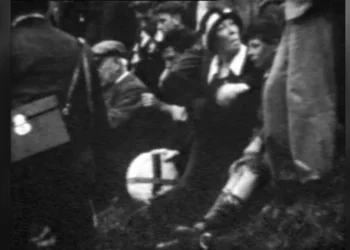 “A Historic Tumble”: Lost 1930s Film Reel Reveals the Untamed Origins of Gloucestershire’s Legendary Cheese-Rolling
 “The Pragmatic Pivot”: UK Eases Sanctions on Russian Energy Amid Escalating Global Fuel Crisis
 Farage and Reform UK Reshape British Politics
 UK Faces Most Dangerous Era, Military Chief Warns
 Son Urges Iran Prisoner Exchange for Jailed British Pair