Published: 03 July 2026. The English Chronicle Desk. The English Chronicle Online.
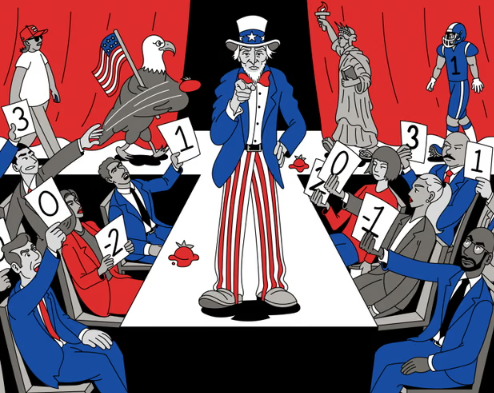
As the United States marks its 250th anniversary, the global perception of the nation has shifted dramatically from a beacon of democracy toward a complex image of a rogue superpower. Across continents, allies and adversaries alike are grappling with an America that feels increasingly detached from its historic role as a reliable global partner. This transformation has occurred rapidly, largely defined by the recent years of inward-looking policies and aggressive economic posturing. For many citizens in Beijing, the American dream has lost its former luster as they witness domestic instability and aggressive tariff wars. Once seen as a land of boundless opportunity, the United States is now frequently viewed through the lens of gun violence and perceived hypocrisy. The admiration once held by ambitious students and business elites has been tempered by reports of racism and growing social discord. Even the once-steady relationship with Mexico has deteriorated into profound hostility, marked by territorial tensions and harsh rhetoric that echoes historic grievances.
The narrative of American exceptionalism is currently being tested by a series of transactional foreign policies that leave traditional partners feeling alienated and vulnerable. In Canada, long-standing economic bonds have been strained by threats of annexation and the erosion of decades-old trade pacts that once defined their shared prosperity. Meanwhile, across the Atlantic, European nations that have long relied on the American security umbrella are now openly discussing a future of self-reliance. The United Kingdom, historically the closest of allies, finds itself contemplating a strategic shift as it acknowledges that the bedrock of trust has significantly cracked. Even in Japan, where generations have viewed the United States as a vital protector, there is a palpable sense of disappointment and a growing realization that previous security commitments may no longer hold. This global unease is amplified by a leadership style that often prioritizes short-term political gains over long-term stability and international cooperation.
The impact of this shift is perhaps most visible in the changing aspirations of individuals who once looked toward the United States for inspiration. In Tehran, civilians trapped between internal repression and external pressure view the nation with a mixture of cultural admiration and profound anger at policy consequences. In Kyiv, once a bastion of pro-American sentiment, approval ratings for US leadership have plummeted as the reality of shifting geopolitical priorities sets in. These changing perspectives are not merely the result of political rhetoric but are rooted in tangible experiences of economic volatility and diplomatic uncertainty. Whether it is a student in Paris admiring American innovation while despising its hypercapitalism, or a worker in Havana dreaming of escape, the paradoxes of the American identity remain deeply influential. Yet, the persistent sense of betrayal felt by former allies suggests that the emotional connection to the American project is currently in a state of rapid decline.
The geopolitical consequences of this retreat are already being felt in regions where the United States previously exerted significant influence. As Washington creates voids in international governance, other powers are positioning themselves to fill the space, often with vastly different ideological frameworks. Moscow has observed this disruption with a mixture of calculated interest and pragmatic caution, hoping to reshape spheres of influence while navigating an unpredictable American administration. Meanwhile, India, which once viewed the United States as an essential strategic partner, is now witnessing a cooling of goodwill due to trade threats and shifting immigration policies. This broad disillusionment suggests that the traditional international order is undergoing a fundamental reconfiguration that may prove difficult to reverse. The promise of the American dream, once universally understood, is now being filtered through a lens of local skepticism and the practical need for national survival.
As the US enters its next quarter-century, the challenge of reclaiming its status as a trusted leader appears increasingly daunting. The internal pressures that have driven this outward shift—ranging from populism to protectionism—are not easily resolved by foreign policy adjustments alone. Instead, they represent a deeper, more structural change in how the nation views its place within a competitive and interconnected world. The view from Beijing to London is that the United States is no longer the predictable guarantor of global norms it once claimed to be. This disillusionment is echoed in the rhetoric of world leaders who are now advocating for new global orders that do not rely on American hegemony. Ultimately, the story of America at 250 is one of a nation that has inadvertently pushed its friends away while emboldening its critics through isolationist tendencies. Whether this represents a temporary detour or a permanent change in trajectory remains the defining question for the global community.
For now, the world watches with bated breath to see if the United States can rediscover the balance between its domestic priorities and its international responsibilities. The institutions built in the aftermath of past conflicts are being strained to their breaking point by the weight of modern political volatility. While American culture and soft power continue to exert an undeniable pull on the global imagination, the underlying faith in its political leadership has reached historic lows. As citizens in every corner of the globe navigate the consequences of this shift, they are increasingly forced to look toward regional solutions to ensure their own stability and future success. The next chapter of this complex relationship will depend on whether the United States can reconcile its domestic political reality with the expectations of a global audience. Until that time, the world will likely continue to observe an America that feels more like an enigmatic and often challenging neighbor than the steady friend of the past.
Related News:
 Saudi Officials Report Zubaidi Flee Before Yemen Peace Talks
 UK Targets in New York Bomb Threat Hoax: Man Jailed
 Gambia Supreme Court Hears Case to Overturn FGM Ban
 Trump targets Iran trade with 25% tariff warning
 US Senate rejects resolution limiting Trump military powers
 Gulf states warn Trump Iran strikes risk wider Middle East war
 Machado Trump medal gesture reshapes Venezuela power struggle
 Geopolitical football: Iran, Trump and the World Cup clash
 Shinzo Abe’s killer receives life sentence in Japan
 China General Under Investigation Amid Leadership Purge
 Philippines ferry disaster leaves 15 dead, dozens missing
 Cambridge Faces Scrutiny Over Arms Investment Transparency
 Concerns rise for Canberra boy amid Iran detention fears
 Ukraine Sends Drone Experts to Defend US Bases in Jordan
 Abramovich Chelsea Sale Cash Faces Jersey Probe
 Yvette Cooper: UK Must Follow Principles, Not US Pressure
 Jury Rules Meta and YouTube Liable for Addictive Design
 The Woman Guarding Earth From the Threat of Asteroids
 Exiled Tycoon Warns of New Russian Attacks on UK Soil
 LA 2028: Millions of Affordable Olympic Tickets Announced
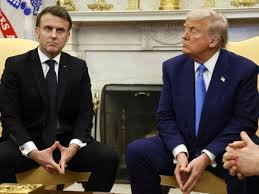 Trump Slams Europe as Transatlantic Tensions Boil Over
 Inside the Deceptive Machine: A Former Producer Speaks Out
 Spain Faces Backlash Over Xenophobic Chants in Egypt Draw
 A Global Voice For Justice: Stephen Lewis Dies At Age 88
 Hope and Fear as Iranians Flee Across the Turkish Border
 Reform UK Pledges To Halt Visas Over Reparations Demands
 US and Iran Agree to Two-Week Provisional Ceasefire
 Starmer visits Gulf as US and Iran agree ceasefire
 Pakistan Brokers Historic Peace Deal Amid Rising Tensions
 Trump Signals Hope for New Iran Talks as Ceasefire Fades
 US and Iran Pursue Extension of Ceasefire via Pakistan
 The General’s Gambit: Pakistan’s New Role in Global Peace
 Mexico, Spain and Brazil call for Cuba dialogue amid crisis
 Pakistan’s Ambitious Bid for Middle East Peace
 Israeli Soldiers Jailed Over Vandalism of Lebanese Statue
 Trump Weighs Sending Afghan Allies to the Congo
 Prominent Voices Challenge Palestine Action Ban
 Merz Criticises US Approach in Iran Conflict
 UK Envoy Sparks Controversy Over Special Relationship Claims
 Ukraine Urges UK to Seize Russian Oil Tankers
 The Billionaire’s Secretary and the £1m Fraud
 Ukraine strikes Tuapse as oil disaster worsens
 Mission to the World’s Edge: A Heroic Rescue in Tristan
 US and Mexico Face Heatwave as Floods Batter South Africa
 Mexico’s Missing: State Complicity in a Growing Crisis
 French Patient Told Hantavirus Was Just Anxiety
 The Long Way Home: Australia’s High-Stakes Virus Mission
 Putin Signals War End as Russian Momentum Stalls
 Romania’s Judicial Crisis: A System Under Siege
 Lee Lai Makes History with Landmark Stella Prize Victory
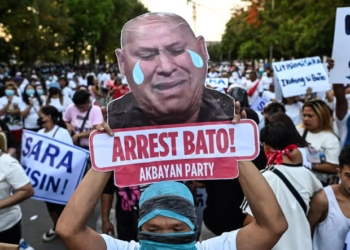 Philippine Senator Flees After Days Under Senate Siege
 Alberta Separatist Bid Blocked by Canadian Court
 Big Tobacco Under Fire Over Controversial New Ad Campaign
 Court Upholds Landmark Win for Transgender Rights
 Liberal Senator Criticises Immigration Rhetoric
 Senate Moves to Restrict Trump’s War Powers on Iran
 ICC Arrest Warrant Threat Sparks West Bank Retaliation
 Taliban Codifies Strict New Marriage and Divorce Legislation
 Tony Abbott Returns as New Liberal Party President
 Discontent grows around Putin amid war strain
 Trump Diplomacy Faces Hurdles from Tehran to Tbilisi
 Trump Faces Legal Blow Over Global Tariffs
 Washington Brokerage Sparking Hope Amid Regional Firestorms
 New York Consumer Watchdog Tackles Corporate Lawbreaking
 Global Tech Giants Face Off Against Australia Over Media Levies
 Ukraine Turning the Tide: Zelenskyy Reclaims the Initiative Against Isolated Russia
 Millions in British Charity Funds Linked to Illegal Settlements
 Firearm Fine for Missing Boy’s Grandmother
 Historic Peace Deal Reached Between United States and Iran
 A New Era of Diplomacy Sparks Confusion on the World Stage
 AI to Help Botanists Win the Critical Race Against Extinction
 Battle for Washington: Mayoral Race Braces for Trump
 Tuchel’s England Mission Goes Beyond Football Success
 Historic Victory for Canada as They Defeat Nine-Man Qatar
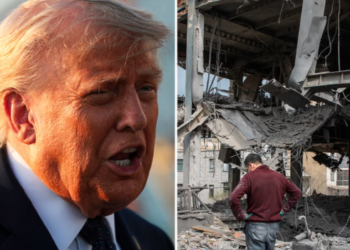 Trump’s Iran Legacy Hangs on Tehran Deal
 What Burnham in Number 10 Means for the Future of Britain
 Canada Secure Historic Last 16 Spot with Late Goal
 White House Moves to Limit Public Voice on Fossil Fuels
 Paraguay Shock Germany in Historic Penalty Shootout
 Haaland Heroics Send Norway Into Historic Last 16 Knockout