Published: 03 June 2026. The English Chronicle Desk. The English Chronicle Online.
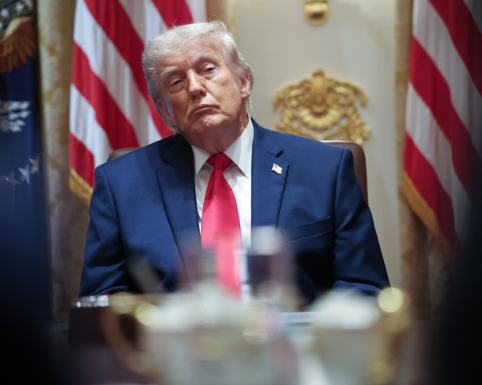
The international trading landscape has been dramatically upended by a sudden and sweeping decision from Washington. The administration of President Donald Trump has targeted dozens of major global economies with significant new financial penalties. Australia finds itself unexpectedly positioned at the center of this gathering transatlantic economic storm. The United States Trade Representative recently published a highly controversial list of fifty-four sovereign nations. Each of these countries now faces a stiff twelve and a half percent import tax. Washington alleges these governments have systematically failed to stop products made by forced labor.
This aggressive policy shift represents a profound escalation in American protectionist trade strategies worldwide. United States Trade Representative Jamieson Greer publically defended the sweeping measures with sharp rhetoric. Greer stated that the legislative failures of major global trading partners remain entirely unacceptable. He argued that weak international enforcement forces American workers to compete on unfair terms. The administration has explicitly signaled that it will no longer tolerate these deep disparities. However, the official investigative report offers surprisingly few concrete details regarding individual national failures. The official document merely concludes that current Australian border practices directly burden American commerce.
The unfolding crisis has triggered immediate and urgent diplomatic activity within the Australian capital. High-ranking federal officials spent Wednesday evening seeking crucial clarification from their American counterparts. A spokesperson for Australian Trade Minister Don Farrell strongly rejected the negative investigative findings. The ministry emphasized that Australia maintains robust, comprehensive, and world-leading modern slavery laws. Canberra firmly argues that any new American tariffs would violate their existing free-trade agreement. Australian diplomats intend to use every available geopolitical opportunity to fight these sudden penalties. Fortunately, a designated feedback window remains open for formal appeals until the sixth of July.
This latest trade battle emerges directly after a major domestic defeat for President Trump. Earlier this year, the United States Supreme Court completely struck down his global tariffs. The nation’s highest court ruled against the previous blanket ten percent import tax plan. The determined president responded immediately by introducing these alternative temporary targeted trade sanctions instead. These stopgap economic measures are currently scheduled to expire entirely on the twenty-fourth of July. This tight legislative timeline explains the rapid implementation of the new human rights framework. The White House is clearly using anti-slavery rhetoric to bypass complex constitutional restrictions.
Domestic advocacy groups within Australia are capitalizing on this intense international pressure to demand change. The Human Rights Law Centre has urged the Albanese government to strengthen border controls. Human rights advocates want an absolute ban on all imported goods linked to slavery. Associate legal director Freya Dinshaw stated that commercial purchases must never cost human freedom. She warned that clear alarm bells have been ringing regarding tainted global supply chains. Dinshaw noted that Australia remains highly vulnerable to penalties due to weak import checking. The current administration now faces intense pressure from both foreign leaders and domestic activists.
The vast scale of the proposed American trade penalties extends far beyond Canberra. The United States has targeted fifty-four nations with the highest tariff rate. This list includes global heavyweights like China, India, Japan, and the United Kingdom. Neighboring New Zealand also faces identical twelve and a half percent export penalties. An additional six nations face a slightly lower ten percent penalty for minor enforcement failures. Together, these sixty targeted economies represent nearly all foreign products entering the United States. Such a broad economic net could severely disrupt established global supply networks this summer.
British businesses are particularly worried about the potential fallout from these impending Washington sanctions. The United Kingdom is currently struggling with sluggish domestic growth and sensitive post-Brexit arrangements. A twelve and a half percent tax on British exports could damage key manufacturing sectors. Downing Street officials are quietly reviewing their options while monitoring the official Australian response. Like Canberra, London prides itself on existing national modern slavery legislation passed a decade ago. Yet Washington clearly believes these European and Pacific regulatory frameworks lack genuine enforcement teeth.
The underlying legal dispute centers on how countries verify the origins of manufactured items. Modern supply chains are incredibly complex, often stretching across multiple developing nations before completion. Raw materials are frequently harvested in regions with notoriously poor labor oversight and tracking. Intermediate components are then shipped to wealthier nations for final assembly and export. Washington insists that final exporters must take full responsibility for every production step. Under the new rules, failure to police these deep networks brings immediate financial punishment. This approach shifts the entire burden of global human rights enforcement onto foreign governments.
International economists warn that these massive tariffs could spark a destructive global trade war. Affected nations may choose to retaliate by placing custom duties on American goods. Such escalations historically lead to higher consumer prices and reduced industrial production worldwide. Central banks are watching the situation closely as they manage persistent domestic inflation pressures. If the July deadline passes without significant exemptions, global stock markets could react negatively. Businesses everywhere are desperately seeking clarity before investment plans are permanently ruined this summer.
The upcoming weeks will test the strength of traditional Western political and military alliances. Nations like Australia and Britain view themselves as inseparable strategic partners of the Americans. They frequently cooperate on critical intelligence sharing and regional security initiatives across the globe. Seeing their economies lumped together with major geopolitical rivals has caused deep institutional shock. Diplomatic cables are buzzing as traditional allies attempt to coordinate a unified legal response. They hope to convince the White House that cooperation works better than economic coercion.
The scheduled feedback period ending in July represents a critical window for delicate negotiations. Australian trade officials are already assembling a detailed dossier defending their current legislative framework. They will highlight successful past prosecutions and border seizures to prove their regulatory competence. Similar efforts are underway in London, Tokyo, and Wellington to secure vital national exemptions. Observers expect intense behind-the-scenes bargaining between foreign embassies and the United States Trade Representative. The ultimate stability of international commerce depends heavily on the outcome of these talks.
President Trump appears entirely undeterred by the growing wave of international and domestic criticism. His political platform has consistently prioritized American manufacturing interests over traditional foreign diplomatic relationships. The administration calculates that voters will support measures framed as protecting local factory workers. By linking trade protectionism to human rights, the White House has created a potent narrative. It remains to be seen whether this strategy survives inevitable future international legal challenges. For now, global markets must brace for a highly unpredictable and expensive summer.
Related News:
 Gambia Supreme Court Hears Case to Overturn FGM Ban
 Iran Death Toll Crisis Exposed: Bodies, Mass Graves, and Concealment
 Files Link Andrew to Epstein Dinner After Prison Release
 Thousands Protest ICE in New York Against Trump Deportation Campaign
 Concerns rise for Canberra boy amid Iran detention fears
 Brazilian Politician Brothers Sentenced for Marielle Murder
 Anthony Albanese Must Uphold Rights for All Australians
 Woman Executed in Somalia Sparks Debate on Justice System
 Uganda Crackdown: Two Women Arrested for Public Kissing
 Slovenia Election: A Nation at a Crossroads
 Police Seek Immunity in Indigenous Custody Death Case
 Manila Transport Crisis: Fuel Costs Hit Breaking Point
 UN Warns Israeli Death Penalty Bill Could Be a War Crime
 Spain Faces Backlash Over Xenophobic Chants in Egypt Draw
 A Global Voice For Justice: Stephen Lewis Dies At Age 88
 Artist Sues in Paris Over Israeli Strike Killing Parents
 Canadian Mother and Daughter Released From ICE Detention
 Bondi Nanny Adriana Rivas to Face Extradition to Chile
 Queensland Youth Justice Debate: The Data Behind the Law
 Gaza Child Arrives in UK for Life-Changing Care
 Brisbane Rideshare Driver Faces Serious Assault Charges
 Tragedy in the Channel as Four Lives Lost in Boat Sinking
 Kyiv and Odesa Mourn After Deadly Wave of Russian Strikes
 France Urges Release of Elderly Widow Held by ICE
 Trump Weighs Sending Afghan Allies to the Congo
 Prominent Voices Challenge Palestine Action Ban
 Standoff Over Syria: Australia Defies Trump Repatriation Plea
 Desperation in Odisha: A Brother’s Grim Bank Protest
 Activists allege abuse after Gaza flotilla seizure
 Australia Faces Rising Tide of Modern Antisemitism
 Security Failures and the Road to the Bondi Inquiry
 Mexico’s Missing: State Complicity in a Growing Crisis
 Nobel Laureates Demand Release of Activist Narges Mohammadi
 Plea for Mercy: The Battle to Bring Ahmed al-Doush Home
 Court Upholds Landmark Win for Transgender Rights
 Taliban Codifies Strict New Marriage and Divorce Legislation
 Israeli Strikes in Lebanon Kill 10 Amid Ceasefire Strain
 US judge dismisses Kilmar Abrego Garcia indictment
 Former ICC prosecutor condemns US sanctions
 Saudi Officials Report Zubaidi Flee Before Yemen Peace Talks
 UK Targets in New York Bomb Threat Hoax: Man Jailed
 Trump targets Iran trade with 25% tariff warning
 US Senate rejects resolution limiting Trump military powers
 Gulf states warn Trump Iran strikes risk wider Middle East war
 Geopolitical football: Iran, Trump and the World Cup clash
 Shinzo Abe’s killer receives life sentence in Japan
 China General Under Investigation Amid Leadership Purge
 Ukraine Sends Drone Experts to Defend US Bases in Jordan
 Abramovich Chelsea Sale Cash Faces Jersey Probe
 Yvette Cooper: UK Must Follow Principles, Not US Pressure
 Trump Slams Europe as Transatlantic Tensions Boil Over
 Hope and Fear as Iranians Flee Across the Turkish Border
 Reform UK Pledges To Halt Visas Over Reparations Demands
 Starmer visits Gulf as US and Iran agree ceasefire
 Asylum Seekers Bound in Restraints During Removal Flights
 Trump Signals Hope for New Iran Talks as Ceasefire Fades
 US and Iran Pursue Extension of Ceasefire via Pakistan
 Charity Sector Sounds Alarm Over Proposed Regulatory Powers
 Pakistan’s Ambitious Bid for Middle East Peace
 Israeli Soldiers Jailed Over Vandalism of Lebanese Statue
 Merz Criticises US Approach in Iran Conflict
 UK Envoy Sparks Controversy Over Special Relationship Claims
 Ukraine Urges UK to Seize Russian Oil Tankers
 The Billionaire’s Secretary and the £1m Fraud
 Ukraine strikes Tuapse as oil disaster worsens
 Three Australian Women Detained Over Islamic State Links
 Immigration Judges Fear Pressure in Trump Era
 US and Mexico Face Heatwave as Floods Batter South Africa
 French Patient Told Hantavirus Was Just Anxiety
 Putin Signals War End as Russian Momentum Stalls
 Romania’s Judicial Crisis: A System Under Siege
 Philippine Senator Flees After Days Under Senate Siege
 Alberta Separatist Bid Blocked by Canadian Court
 Big Tobacco Under Fire Over Controversial New Ad Campaign
 Liberal Senator Criticises Immigration Rhetoric
 Senate Moves to Restrict Trump’s War Powers on Iran
 ICC Arrest Warrant Threat Sparks West Bank Retaliation
 Tony Abbott Returns as New Liberal Party President
 US green card applicants must apply from abroad, DHS says
 Discontent grows around Putin amid war strain