Published: 12 May 2026. The English Chronicle Desk. The English Chronicle Online.
The unfolding medical crisis aboard the MV Hondius has taken a distressing turn for a French passenger. After her evacuation from the vessel, she was diagnosed with the dangerous hantavirus in a Paris hospital. This news comes after she repeatedly raised concerns regarding her health while still on the cruise ship. Medical professionals onboard reportedly dismissed her persistent flu-like symptoms as being the result of simple anxiety. Javier Padilla Bernáldez, the Spanish health minister, addressed the situation during a detailed press briefing today. He confirmed the woman had been feeling quite unwell but was initially not treated for the virus. Doctors from the European Centre for Disease Prevention and Control assessed her before her departure. They concluded that her nervousness and coughing were likely stress-related rather than signs of a viral infection. Her condition has since deteriorated rapidly, leaving her in a very critical state in France.
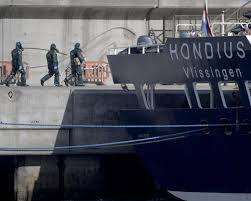
The World Health Organization has expressed deep concern regarding this specific case of medical miscalculation. Dr Tedros Adhanom Ghebreyesus thanked the Spanish authorities for their logistical help during the complex evacuation. However, he noted the grave reality that the patient might not have survived much longer. If she had remained on the ship, the lack of specialist care could have been fatal. The MV Hondius has been at the centre of a significant and deadly outbreak recently. It departed the Canary Islands on Monday evening after a massive forty-eight-hour repatriation operation took place. This effort saw one hundred and twenty people from twenty-three different nations safely returned home. Spanish authorities described the entire process as being entirely unprecedented and exceptionally difficult to manage. The final evacuation planes carrying the remaining passengers and crew landed in the Netherlands late Tuesday.

Twenty-six crew members and two health workers are still on the vessel as it sails. The ship is currently heading towards Rotterdam, where it will eventually dock for a full disinfection. Tragically, the vessel is also carrying the body of a German passenger who died recently. Three people have died in total, and eight other cases have been officially confirmed so far. Despite these clear warnings, the French woman’s symptoms were tragically categorised as mere stress by experts. Padilla explained that the medical team did not think her symptoms were compatible with the hantavirus. She had reported a brief coughing episode that seemed to have disappeared by the time of assessment. Because she appeared nervous but lacked a fever, her illness was not recorded as the virus. This decision has raised questions about the screening protocols used during the evacuation in Tenerife.
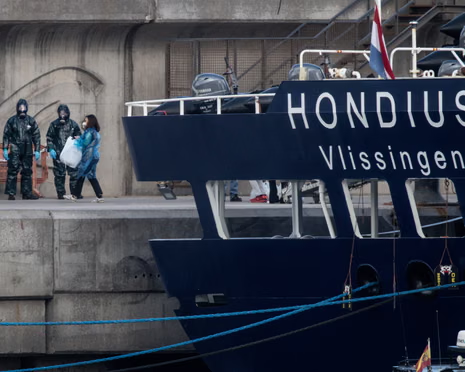
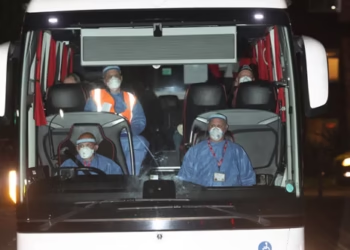
Stéphanie Rist, the French health minister, confirmed the woman is now in a specialised isolation unit. She told reporters that the patient began feeling significantly worse on Sunday night after arriving home. Her tests came back positive for the virus, and her health worsened quite dramatically overnight. The patient is now receiving intensive care as doctors fight to stabilise her fragile condition. This case highlights the difficulties of diagnosing hantavirus during the early stages of the infection. The virus often mimics common flu symptoms before leading to severe and sudden respiratory failure. Personnel in full-body protective gear were used to move all the passengers from ship to shore. This high level of precaution suggests that authorities were aware of the potential for hidden cases. Nevertheless, the initial assessment of the French passenger suggests a gap in the clinical evaluation.
Spanish officials have defended their overall management of the situation despite this specific medical oversight. Padilla argued that it was always likely that some cases would lack severe initial symptoms. This is exactly why a mandatory forty-five-day isolation period was recommended for everyone on board. This period was calculated based on the last known exposure date of the sixth of May. In Spain, many of the evacuees were taken directly to a secure military hospital for observation. Meanwhile, twenty-two British citizens have been transported to Arrowe Park hospital located in Merseyside. They will stay there for three days of testing before continuing their isolation at home. If they cannot safely isolate at home, the government will provide alternative secure accommodation for them. Each nation involved is now responsible for its own specific health measures and quarantine protocols.
The Spanish health minister insisted that the evacuation did not represent a failure of public health. He noted that the woman’s condition changed very quickly between the ship and her flight home. When her temperature was checked before boarding the plane, she did not have a fever. It was only during the flight that her symptoms spiked and she became visibly very ill. This rapid progression is a known characteristic of hantavirus, which can catch medical teams off guard. In a separate case, an American passenger also tested positive after being flown to Nebraska. Interestingly, this individual showed no symptoms at all despite carrying the specific and dangerous Andes strain. The Andes strain is particularly worrying because it is the only type transmissible between human beings. Both the WHO and Spain have suggested this specific positive test was not yet conclusive.
The lack of rapid PCR testing on the ship contributed to the difficulty of the situation. To test for hantavirus, samples would have needed to be flown to a lab in Madrid. This process would have taken at least twenty-four hours to produce any actionable results. Such a delay was deemed impossible due to a forecast of extremely high winds. Officials feared that the weather would make any rescue operation far too dangerous by Tuesday. The high winds eventually forced the ship to dock for safety reasons on Monday afternoon. This was a move that the local government in the Canary Islands had strongly opposed. President Fernando Clavijo was worried that docking could allow infected rats to reach the land. He argued that this posed an unnecessary risk to the local population of the islands.

The source of the outbreak is believed to be a birdwatching trip in Argentina. A Dutch couple who participated in the excursion were the first people to die from the virus. It is thought the virus then spread from person to person once they were back onboard. While hantavirus is endemic in parts of South America, it remains very rare in Europe. No specific vaccines or treatments currently exist for this particular viral infection, making it dangerous. However, health officials have been quick to downplay comparisons with the recent global pandemic. They maintain that the risk to the general public remains very low at this stage. Most of the people who have been exposed are already in strictly controlled quarantine environments.
As the MV Hondius nears the Netherlands, the international community is watching the situation closely. The two planes that arrived in the Netherlands carried passengers from Australia, New Zealand, and Britain. These individuals are currently staying in a quarantine facility located very close to the airport. They will eventually be repatriated to their home countries once they are cleared by doctors. Another plane carried nineteen crew members along with several epidemiologists and a British doctor. The focus now remains on tracking anyone who may have come into contact with the passengers. Health authorities across several continents are working together to ensure the virus does not spread further. For now, the thoughts of many are with the French woman fighting for her life. Her experience serves as a sobering reminder of the complexities involved in managing an international health alert.
Related News:
 UK, US Medics Barred from Gaza Amid Rising Aid Concerns
 US Accused of Exploitation Over Zambia Health Aid
 New Zealand Covid Response Praised Despite Lingering Scars
 Bangladesh Launches National Drive as Measles Deaths Rise
 Hantavirus Cruise Crisis: Three Evacuated as Ship Docks
 Britons from Hantavirus Ship Face 45-Day Isolation
 Mission to the World’s Edge: A Heroic Rescue in Tristan
 Cruise Chaos as UK Passengers Enter Viral Quarantine
 WHO Issues Global Warning Over Rising Hantavirus Cases
 Tragedy in Cooma: Inquest Revisit Clare Nowland Case
 Patients to Test Health at Home to Ease NHS Winter Pressure
 Reeves rejects £1bn plea for NHS redundancy payouts
 Stroke Patient Mistaken for Drunk, Care Delayed
 Five-Year-Old Dies After Rare Tonsil Surgery Complication
 More Patients Now Contacting GPs Online, Data Shows
 UK Enforces Junk Food Ad Ban Before 9pm
 Google Removes Some AI Health Summaries Over Safety Concerns
 Mandelson apologises over Epstein ties after public scrutiny
 Friedman Uninvited From 2024 Adelaide Writers’ Week
 Starmer Challenges US Over Controversial Greenland Deal
 Spoof “Make America Go Away” Caps Rally Denmark Over Greenland
 Streeting moves on doctor pay to end strike dispute
 UK reports baby formula toxin poisoning cases across the country
 Concerns rise for Canberra boy amid Iran detention fears
 Placenta Accreta Warning as Hunt Urges Action
 ‘Drinking from a Fetid Pond’: Superbug Genes in Lough Neagh
 Diplomacy on the Brink: Pakistan’s Risky Peace Mission
 Teenage Titan: Sooryavanshi Smashes IPL Records
 Big Tech Faces Investigation Over Australia’s Social Media Ban
 Palantir Boss Defends NHS Deal Amid Government Break Clause
 Sam Konstas Dropped as Australia Unveils New Contract List
 Canadian Mother and Daughter Released From ICE Detention
 Unions Raise Concerns Over Doctors’ Pay Dispute
 Reform UK Pledges To Halt Visas Over Reparations Demands
 US and Iran Agree to Two-Week Provisional Ceasefire
 Israel Defies Ceasefire as Lebanon Operations Persist
 Pakistan Brokers Historic Peace Deal Amid Rising Tensions
 Islamabad Hosts Historic Peace Talks Between Iran and USA
 Trump Signals Hope for New Iran Talks as Ceasefire Fades
 Security Alert Near Israeli Embassy as Police Investigate
 Machado Rallies in Madrid as Venezuela Stays Frozen Out
 US-Iran Standoff: Will Trump Deploy Ground Troops?
 Crisis in NHS Surgery Scheduling Hits Patients Hard
 Investigation Into Anti-Trump Motives After Gala Shooting
 Britain’s Health Decline: A Growing National Concern
 Oil Prices Surge Above $120 Amid Iran Blockade Fears
 Trump orders US troop pullout from Germany
 Cruisers Face Perth Quarantine After Hantavirus Outbreak
 Wes Streeting faces narrow road to Labour members’ favour
 Putin Signals War End as Russian Momentum Stalls
 Romania’s Judicial Crisis: A System Under Siege
 Scepticism and tight security as Beijing braces for Trump
 Philippine Senator Flees After Days Under Senate Siege
 Court Upholds Landmark Win for Transgender Rights
 Fragile Truce Shattered as Violence Escapes Diplomatic Control
 Secrecy Down Under: Albanese Faces FoI Scandal
 Tony Abbott Returns as New Liberal Party President
 Pope Meets Families in Italy Toxic Waste Zone
 Discontent grows around Putin amid war strain
 Record Spending Highlights Growing Crisis In National Health Service
 Teaching Machines Right From Wrong in the Digital Age
 Oman Defies US Pressure Over Strategic Strait of Hormuz
 Ex-CIA Agent Accused of $40m Gold Theft and Fake Spy Unit
 Aukus Deal Facing Fierce Backing and Historic Criticism
 Thai Princess Bajrakitiyabha Passes Away at 47
 Clean Air Initiatives Spark Major Fall in London Hospital Admissions
 Tragic Loss of Australian Sprinter Jemma Stapleton
 Trump Urged to Condemn UFC Fighter Over Obama Slurs
 Russian Tanker Captain Remanded in UK Court After Channel Seizure
 US Military Pacific Boat Strike Kills Three People
 US Battles Auction of Titanic Artifacts
 NHS Urges Investigation For Irregular Periods
 France Dominate Sweden as Deschamps’ New Era Takes Shape
 Trump’s Mount Rushmore Speech: A Divisive Anniversary
 Trump Swaps Planes Amid Iran Tensions
 Rotterdam Museum Honours Artist With Peanut Butter Floor
 UK Schools Struggle as Classrooms Top 40C
 Bangkok Nightclub Blaze Claims 30 Lives Amid Negligence Probe
 Yemen Accuses Iran of Violating National Sovereignty
 Houthis Strike Saudi Arabia as Middle East Tensions Rise