Published: 29 April 2026. The English Chronicle Desk. The English Chronicle Online.
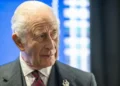
The delicate machinery of international diplomacy often relies on carefully chosen words and measured public statements from those representing their nation abroad. However, an unexpected storm has erupted following candid remarks made by the United Kingdom’s new ambassador to the United States, Christian Turner. In a private setting with visiting students, the senior diplomat cast significant doubt on the enduring nature of the storied special relationship between London and Washington. His comments arrived during a particularly sensitive period for the British government as it navigates complex domestic challenges and high-stakes international engagements. The revelations have caused considerable discomfort within Downing Street at a moment when stability remains a primary objective for the Prime Minister.
Christian Turner took his post in Washington this February with a reputation as a steady, experienced diplomat tasked with stabilizing relations after a period of intense turbulence. His appointment was widely viewed as a move toward professional stability following the controversial tenure and subsequent exit of his predecessor, Peter Mandelson. The remarks in question were shared during a private discussion with students who were visiting the United States earlier this year. The timing of this disclosure is particularly challenging as the United Kingdom currently manages the complexities of a state visit involving President Donald Trump. Such moments are designed to project strength and unity between two long-standing allies on the global stage.

The ambassador’s observations extended beyond the geopolitical bond, touching upon the precarious domestic political situation faced by Prime Minister Keir Starmer. Turner remarked that the Prime Minister had previously been on the ropes due to the fallout from the scandal involving Peter Mandelson. He described the period as a time when the political survival of the Prime Minister appeared genuinely uncertain to outside observers. These frank assessments were delivered with a level of informality that has now become a source of significant embarrassment for the current administration. Downing Street has faced immense pressure to maintain confidence while managing the lingering effects of the previous scandals that unsettled the party.
The scandal involving Mandelson centered on his failure to be transparent about the depth of his personal connection to the disgraced financier Jeffrey Epstein. Prime Minister Starmer eventually moved to remove his colleague after the nature of these associations became clear to the public. Turner noted the striking contrast between how the scandal unfolded in the United States compared to the political destruction it caused back in London. He expressed surprise that the implications of the Epstein affair did not seem to impact high-ranking officials within American political circles. This candid comparison has only added to the scrutiny surrounding the government’s handling of the crisis and its aftermath.
Regarding the political future of the Prime Minister, Turner offered a speculative perspective on the potential implications of upcoming electoral cycles. He suggested that if the Labour Party were to perform poorly in the May elections, the internal political pressure could become insurmountable. The ambassador characterized the Prime Minister as a stubborn individual who would not easily contemplate stepping down from his position voluntarily. These comments represent a departure from the neutral stance expected of a diplomatic representative operating on behalf of the British people. His speculation has invited further debate about the internal cohesion of the government during this demanding parliamentary term.
Perhaps the most resonant portion of the ambassador’s comments concerned the evolving status of the partnership between the United Kingdom and the United States. Turner described the traditional concept of a special relationship as a somewhat nostalgic and backwards-looking sentiment that carries unnecessary baggage. He argued that the term itself does not accurately reflect the contemporary realities of the dynamic between the two nations today. Instead, he posited that another nation currently enjoys a far more functional and intense special relationship with the White House. He identified Israel as the country that arguably holds the true modern equivalent of this privileged and unique diplomatic status.
These assertions have prompted a swift and predictable response from the Foreign Office as they attempt to mitigate any potential diplomatic fallout from the revelations. A spokesperson clarified that the remarks were made in a private, informal setting that did not represent official government policy. Whitehall sources emphasized that the interaction was intended to be an educational discussion rather than a formal briefing on international affairs. Despite these attempts to minimize the impact, the candid nature of the commentary has clearly struck a nerve in diplomatic circles. The incident highlights the inherent risks when private musings collide with the rigid requirements of public office.

The appointment of Christian Turner was intended to provide a safe pair of hands following the highly controversial tenure of his predecessor. The selection process was exhaustive, involving significant lobbying and internal debate regarding the best candidate to represent the United Kingdom in Washington. Various names were considered before the government ultimately settled on a career diplomat to restore institutional confidence. The administration hoped that his extensive background would insulate the role from further political drama and personal scandals. This objective now seems increasingly difficult to achieve given the unexpected nature of these widely publicized private statements.
Downing Street has remained noticeably quiet on the matter, offering no immediate commentary in the hours following the initial publication of these reports. The Prime Minister had previously praised the appointment, emphasizing the uniquely close bond between the two nations and their shared economic interests. He had expressed full confidence in the ability of the ambassador to strengthen security ties and deliver results for the public. This contrast between official declarations and the private views of the representative has created a difficult narrative for the administration to manage. Diplomats are traditionally expected to uphold the official line, even when their personal views might suggest a more nuanced reality.
As the political landscape continues to shift, the focus will likely remain on how this development affects the standing of the government. The incident serves as a poignant reminder of the volatility inherent in modern governance where private words can suddenly become public liabilities. For now, the administration will likely prioritize maintaining a sense of order while managing the ongoing state visit and domestic political agenda. Whether this moment of candor leaves a permanent mark on the special relationship remains a subject of intense speculation. For the time being, the government must navigate the fallout while balancing the demands of its most critical international partnership.
Related News:
 Shock US Raid: Maduro Pleads Not Guilty in Manhattan Court
 Trump Plans Venezuela Meeting, Warns of Cartel Land Strikes
 Mandelson apologises over Epstein ties after public scrutiny
 Rudd successor: Defence chief and former ministers considered
 US Senate rejects resolution limiting Trump military powers
 Trump Calls Greenland Critical for US Security After Denmark Talks
 Trump: Iran Killing Has Stopped, Strike Threats Pulled Back
 Machado Trump medal gesture reshapes Venezuela power struggle
 Trump Receives Machado’s Nobel Medal in White House Meeting
 Iran unrest slows under brutal crackdown and global tensions
 Trump Allies Pursue $200m European Gas Pipeline Deal
 US Considers Asylum for British Jews Amid Rising Antisemitism
 Starmer Challenges US Over Controversial Greenland Deal
 Spoof “Make America Go Away” Caps Rally Denmark Over Greenland
 Trump slams UK ‘stupidity’ over Chagos Islands, eyes Greenland takeover
 UK Presses On With Chagos Handover Despite Trump Criticism
 Kim Jong-un Fires Vice-Premier Over Factory Failures
 Shinzo Abe’s killer receives life sentence in Japan
 Starmer Resists Matching Trump Amid Greenland Tensions
 Netanyahu Accepts Trump’s ‘Board of Peace’ Invitation
 South Korean Ex-PM Jailed 23 Years Over Martial Law Role
 Russia Strikes Kyiv and Kharkiv as Peace Talks Enter Day Two
 Canada Rules Out Free Trade Deal With China Amid US Tensions
 Turnbull urges Albanese to confront Trump’s global ‘bully’ politics
 Snow Threatens Japan Election Turnout Amid Extreme Cold
 Keir Starmer meets Xi to strengthen UK-China economic relations
 Crisis Looms as Liberals Debate Sussan Ley Future
 Cambridge Faces Scrutiny Over Arms Investment Transparency
 Files Link Andrew to Epstein Dinner After Prison Release
 Thousands Protest ICE Operations in Nationwide US Day of Action
 Epstein Files Reveal Trump Officials’ Emails with Financier
 Thousands Protest ICE in New York Against Trump Deportation Campaign
 Trump-Petro Meeting Sparks Hopes of Diplomatic Detente
 Trump softens stance on Chagos Islands deal after Starmer call
 Epstein UAE Emails Shake British Royal Andrew’s Legacy
 Liberal Fallout: Taylor Challenge Casts Shadow Over Sussan Ley’s Leadership
 Ukraine, Russia Meet in Geneva Ahead of War Anniversary
 Brazilian Politician Brothers Sentenced for Marielle Murder
 Jimmy Lai Freed From Fraud Conviction in Rare Hong Kong Court Victory
 Why the Longest State of the Union Was Surprisingly Hollow
 Tommy Robinson Meets Trump Officials at US State Department
 New Zealand Covid Response Praised Despite Lingering Scars
 HMS Dragon to Head to Cyprus Amid Rising Tensions
 Starmer Praised for Stance on Trump and Iran Conflict
 Yvette Cooper: UK Must Follow Principles, Not US Pressure
 UK Ministers Signal Strategic Independence From Trump Demands
 Slovenia Election: A Nation at a Crossroads
 Florida Governor renames Palm Beach Airport for Donald Trump
 Labor Under Fire Over Stalled University Fee Reform
 Big Tech Faces Investigation Over Australia’s Social Media Ban
 Farage Shuns Truss as US Right-Wing Roadshow Hits London
 European Leaders Slam Hungary Over Alleged Russian Ties
 Starmer Urges Ambitious EU Ties Amid Middle East Conflict
 A Global Voice For Justice: Stephen Lewis Dies At Age 88
 Trump Mocks Starmer and UK Carriers in White House Speech
 Michigan Battleground: Middle East Crisis Stirs US Senate Race
 Final Countdown as Trump Deadline Looms Over Tehran
 Reform UK Pledges To Halt Visas Over Reparations Demands
 Starmer visits Gulf as US and Iran agree ceasefire
 Trump Signals Hope for New Iran Talks as Ceasefire Fades
 GOP Senator Criticizes Trump’s Feud With Pope Leo XIV
 Global Oil Prices Surge Amid Renewed Gulf Tensions
 Faith and Power: Catholics React to Trump-Pope Feud
 Timor-Leste Faces Tough Questions Over Resort Proposal
 Investigation Into Anti-Trump Motives After Gala Shooting
 Security Scrutiny After Washington Shooting Incident
 Aukus Submarine Plan Faces Critical Failures
 Trump’s UK Ambassador Urges North Sea Drilling to Strengthen US Ties
BBC to Apologise Over Edited Trump Speech Amid Backlash
Trump’s UK Ambassador Urges North Sea Drilling to Strengthen US Ties
BBC to Apologise Over Edited Trump Speech Amid Backlash
 Millionaires group urge Reeves to introduce wealth tax to ‘lift kids out of poverty’
 Reeves rejects £1bn plea for NHS redundancy payouts
 PM Condemns Leaks, Vows Loyalty to Ministers and Stability
 Greene Pushes Epstein Files Amid Trump Fallout
 Shadow Fleet at Sea: Europe’s Battle Against Illicit Oil Shipping
 Thousands Protest Iran Strikes Outside US Embassy London
 UK Oil and Gas Supplies Reassured Amid Middle East Concerns
 Trump Pressures Congress Over Save America Act
 Queensland Protest Laws Spark Free Speech Backlash
 Trump Nato threats expose Iran strategy vacuum
 NHS Satisfaction Rises for First Time Since 2019