Published: 8 June 2026
The English Chronicle Desk
The English Chronicle Online
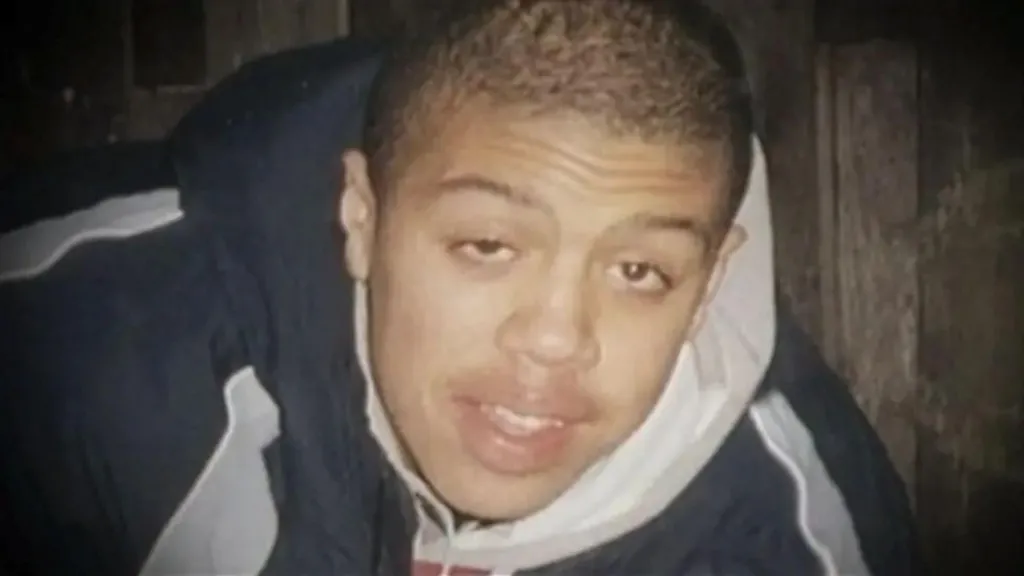
A man has been arrested more than two decades after the murder of a teenager in Leeds, in a case that has remained under investigation for 22 years.

Police confirmed the arrest as part of a renewed inquiry into the killing, which originally shocked the local community and prompted one of the region’s longest-running cold case investigations.
The victim, a teenager at the time of the incident, was found dead in Leeds in circumstances that led to extensive but initially inconclusive police investigations.
Detectives said advances in forensic science and modern investigative techniques played a key role in revisiting evidence gathered at the time of the original inquiry.
Officers have re-examined witness statements, forensic material and case files as part of ongoing efforts to bring clarity to long-unsolved serious crimes.
West Yorkshire Police said the arrest represents a significant development in the case, though they stressed that the investigation remains active.
Specialist cold case units across the UK have increasingly used new DNA analysis methods and digital reconstruction tools to revisit historic investigations.
Legal experts say arrests made decades after a crime often depend on improvements in forensic technology and the persistence of investigative teams.
The arrest has renewed attention in Leeds, where the original case left a lasting impact on the victim’s family and the wider community.
Police have appealed for anyone with additional information, including those who may not have come forward at the time, to assist with the ongoing investigation.
Authorities said it would be inappropriate to comment further while legal proceedings are active.
Cold case investigations remain a priority for many UK police forces, particularly in cases involving violent crime and unresolved homicide investigations.

The development marks a potential breakthrough in one of the city’s long-standing unsolved murder cases, though officials emphasised that the judicial process must now take its course.
Check Out Our Latest News At>>
Related News:
 Undercover officer deceived women with ‘grotesque and cruel’ lies, spycops inquiry told
 Barrister Criticises Trial After Suicide Case Verdict
 Stop Releasing Phone Thieves Who Reoffend, Met Police Chief Urges Courts
 Disability and LGBT Hate Crimes Set to Become Aggravated Offences
 Last‑ditch Call to Save Police Front Counters in London
 ‘We’ve Been Left Homeless After Our Builder Went Bust’
 Sadistic Pair Jailed for Blowing Up Sheep
 Grave of Murdered Toddler James Bulger Vandalised
 Outsiders Disrupted Search for Missing Teen Noah Donohoe
 Police Brothel Raids Target Organisers, Not Sex Workers
 Calls Grow to Remove Billboard Following Lyra McKee Graffiti
 Man on Trial for Rape That Led to Andrew Malkinson’s Wrongful Jailing
 Murdered Student ‘Algasim’ Was ‘the Most Special Person’, Friends Say
 Sisters Who Could Not Swim Drowned While Paddling in Snowdonia, Inquest Hears
 Family of Girl Groomed by Ian Huntley Beg Medics to Save His Life
 Sarah Everard’s Killer Wayne Couzens ‘Petrified’ After Ian Huntley Prison Attack
 Gran Vows to Shield Huntley’s Daughter From Soham Killer’s Funeral
 Burglar’s Bizarre Excuse After Bedroom Break-In
 King Charles Strips MBE and OBE Titles from Nine People Including Stuart Hogg
 Expert in Letby Trial Failed to Disclose Hospital Probe
 Mum Forces Killer Son Back to Crash Scene After He Mows Down Pensioner
 Mum-of-Three Blackmailed Men After Sending Nude Photos
 Blind Woman Forced to Move Out After Leak Causes Ceiling to Cave In
 Rapist Caught After Victim Calls Police Mid-Attack

 Brutal Attack on Officer Leads to Five-Year Sentence
 Edinburgh Mother Learns Husband Was Secret Sperm Donor
 Hazardous Material Found in Scots Home Raid
 Families Tortured by Authorities During Investigations Inquiry Told
 Watchdog Probes Police Handling of Andrew Tate Abuse Claims
 Dawn Raids in Scotland and Spain: Eight Arrested in Major Organised Crime Sting
 ‘I Didn’t Realise’: ‘Housebound’ Benefit Cheat Caught Ziplining in Mexico
 ‘An Evil Man is Dead’: Australian Fugitive Dezi Freeman Shot Dead After 216 Days
 Three-Minute Heist: Renoir, Cézanne, and Matisse Masterpieces Stolen in Italy
 Justice Served: Nine Indian Cops Sentenced to Death for Custodial Murder
 Heartbreak in Bournemouth: The Tragic Death of James Blanch
 Rebranded or Reclaimed? Seized Tate Assets to Fund Domestic Abuse Support
 The Victim-Blame Loop: When Protection Orders Backfire
 The Courtroom Clash: Couple Denies Charges in Alleged Racially Motivated Assaults
 Justice Served: Man Jailed for Grooming Minor Met on Gaming Platform
 Prevent Failings Exposed After Southport Attack
 Protests and Police: Four Arrested as Tension Boils Over in Epsom Rape Case
 ‘Thugs for Hire’: 17-Year-Old Charged in Counter-Terror Probe Following Synagogue Firebombing
 ‘A Sacred Space Shattered’: Two Found Guilty in London Church Drive-By Murder Trial
 Autopsy Reveals “Penetrating Injuries” in Death of Teen Found in Singer D4vd’s Car
 Walsall Rapist Jailed After Hate-Filled Online Trail
 Two Children Die in Wolverhampton House Fire Tragedy
 “Significant” Fire at Pink Punters: 51-Year-Old Man Arrested Following LGBT+ Club Blaze
 “The Shadows Never Leave”: Survivor of 1970s “Horror Orphanage” Continues Fight for Justice
 Police Suspect Help in Missing Alice Springs Girl Case
 500 Officers, 10 Arrests: Crewe Religious Group at Centre of Modern Slavery and Sex Crimes Probe
 “Justice Has No Expiry Date”: Six Arrested in Major Probe into Historical Child Sexual Abuse
 “A Trail of Blood and Debt”: County Lines Kingpin Handed Life Sentence for “Senseless” Gangland Murder
 Victim says non-custodial rape sentence ‘rock in my face’
 Targeted Attack in Bury Sparks Murder Investigation as Community Awaits Justice
 Merseyside Police Helicopter Crew Cleared After Low-Altitude Pursuit of Suspect
 No Evidence Found to Substantiate Alleged Rape in Oxfordshire Churchyard, Police Confirm
 French Taxi Driver Cleared in David Lammy Theft Case After Fare Dispute
 Woman Jailed for Life After Killing E-Bike Rider in Tragic Mistaken Identity Case
 Motorists Could Face ‘Mandatory’ Driving Ban for Road Offences Under Tougher Laws
 Epstein Eyed Record Label Investment to Access Women, Files Suggest
 Fly-Tippers to Be Hunted by ‘Drone Squad’ in Crackdown from the Sky
 ‘Don’t Make Us Security Guards,’ Says Teacher Stabbed by Pupil
 Rape Accused Had Fight With Man in Alley, Court Told
 Suspects in Lisa Dorrian Case Released on Bail
 Driver Jailed Over Fatal Water Treatment Tank Crash
 Labour MP’s Partner Arrested on Suspicion of Spying for China
 Police Scotland Pays £8m Compensation to Staff
 Armed police incident closes major road
 Scots Man Convicted in Dirty Money Case After DNA Found on Cash
 Teen Wins Payout After TRNSMT Crush Horror
 Liverpool Shooting Horror as Girl, 17, Shot in Legs in ‘Targeted Attack’
 Two Men Bailed Following Arson Attack on Jewish Charity Ambulances
 US Lawmaker Demands Testimony Over Sarah Ferguson’s ‘Close Epstein Ties’
 Woman Deported from China Over Manx Passport Mix-Up
 The Fallen Icon: Ben Roberts-Smith Charged with Five War-Crime Murders
 Paws on the Wheel: Driver Facing Fine After Dog Photographed on Lap
 The Miracle of Phoenix: ‘Half Dead’ Rescue Dog Defies the Odds in Worcestershire
 Tragedy in the Red Centre: Outback Search Ends in Discovery of Missing Girl’s Body
 Florida Surgeon ‘Devastated’ Over Fatal Surgery Error