Published: 20 July 2026 | The English Chronicle Desk | The English Chronicle Online
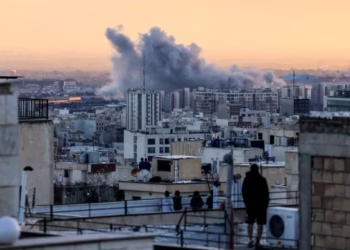
Yemen’s Houthi movement has claimed responsibility for attacks on oil tankers as the United States continues launching strikes against targets linked to Iran, further escalating tensions across the Middle East.
The developments have raised fresh concerns over regional security, global energy supplies and the safety of commercial shipping routes.
The latest incidents come amid a widening confrontation involving Iran, the United States and allied groups in the region, with fears that continued military action could trigger further instability.
The Houthi group said it had carried out attacks targeting oil tankers in the region, claiming the vessels were connected to countries supporting its opponents.
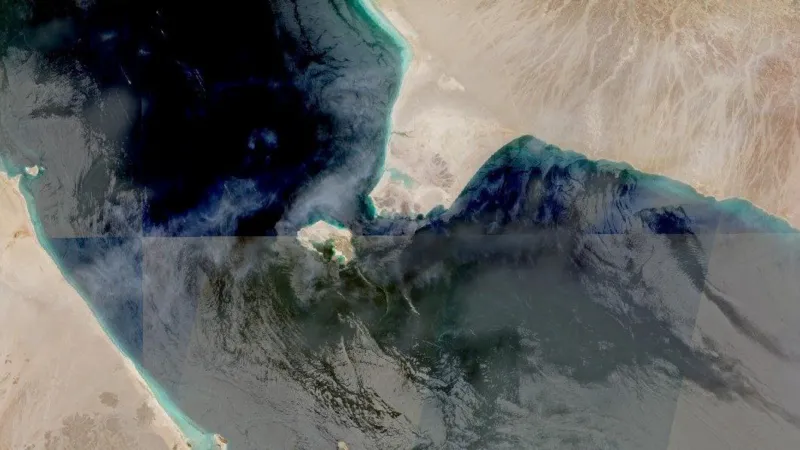
The group has previously targeted commercial shipping in and around the Red Sea, saying its actions are part of broader regional conflicts.

The claims have increased concerns among shipping companies and energy markets, which closely monitor developments in some of the world’s most important maritime trade routes.
Authorities and independent observers are assessing the details of the reported attacks, including the extent of any damage and the identities of the vessels involved.
The tanker claims came as the United States launched additional strikes on Iran-related targets.
US officials said the military action was aimed at protecting American interests and responding to threats from Iran and groups aligned with Tehran.
Washington has accused Iran and its regional partners of destabilising activities, while Iranian officials have criticised US operations as aggressive and unlawful.
The latest strikes represent another escalation in a relationship that has remained tense for years.
The Middle East plays a central role in global energy markets, and any disruption to shipping routes can have worldwide consequences.
Oil tankers travelling through key waterways face increased risks during periods of military tension.
The possibility of attacks on commercial vessels can affect insurance costs, shipping schedules and energy prices.
Market analysts say even limited disruptions can create uncertainty because global economies depend heavily on stable energy supplies.
The Red Sea and surrounding waterways are among the most important trade routes in the world.
Thousands of commercial ships pass through the region each year, transporting oil, gas and other goods between Asia, Europe and the Middle East.
Security concerns in these areas can force ships to take longer alternative routes, increasing costs and delivery times.
Shipping companies have repeatedly warned that continued attacks could have wider economic effects.
The Houthis are an armed political and military movement that controls large parts of Yemen.
The group has received political and military support from Iran, although Tehran has denied directly controlling Houthi operations.
Iran has historically supported several armed groups across the Middle East as part of its regional influence strategy.
The Houthis have played a significant role in regional tensions, particularly through their actions against shipping and neighbouring countries.
Governments around the world have expressed concern over attacks on commercial shipping and the potential impact on global trade.
International organisations have called for restraint and urged all sides to avoid actions that could worsen the conflict.
Countries dependent on energy imports are particularly concerned about any disruption that could affect supply chains.
Naval forces from several nations have increased monitoring and security operations in some areas.
The latest developments are part of a broader pattern of rising tensions across the region.
Conflicts involving Iran, Israel, the United States and regional armed groups have created a complex security situation.
Each military action risks triggering responses from other actors, increasing the possibility of a wider confrontation.
Diplomats have warned that avoiding escalation will require careful communication and international cooperation.
Oil markets often react quickly to uncertainty in major producing regions.
Reports of attacks on tankers or military strikes can lead to concerns about future supply disruptions.
While prices depend on many factors, including production levels and global demand, geopolitical risks remain a major influence.
Energy analysts say prolonged instability could create challenges for governments and businesses worldwide.
As military activity continues, there are growing calls for diplomatic efforts to reduce tensions.
Experts warn that continued attacks and counterattacks could increase the risk of a larger regional conflict.

They argue that protecting civilian shipping and maintaining access to international trade routes should be a priority.
However, reaching agreements remains difficult as competing countries pursue different strategic goals.
The Houthi claims of tanker attacks and the latest US strikes on Iran-linked targets mark another dangerous moment in Middle East tensions.
With major shipping routes and energy supplies involved, the consequences could extend far beyond the region.
The coming days will be closely watched as governments assess security risks and consider their next steps.
For the international community, the challenge remains preventing further escalation while protecting global trade, energy stability and civilian safety.
Related News:
 Trump Threatens Iran With ‘Twenty Times Harder’ Oil Strike
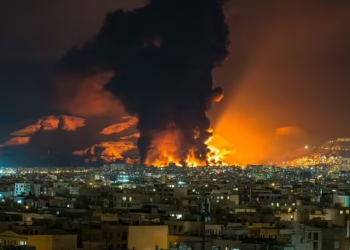 Iran Rejects Ceasefire, Warns Trump With Chilling Message
 Two National Guard Soldiers Critically Injured Near White House
 American Mother Extradited From UK to U.S. on Murder Charges
 Russia losses Ukraine war peace talks intensify amid rising deaths
 Trump Taiwan China drills: US President Downplays Tensions
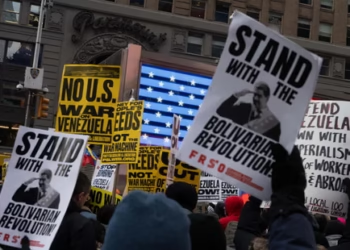 US Cities Erupt in Protests Against Trump’s Venezuela Military Action
 Trump Escalates Minnesota Immigration Surge Amid Rising Tensions
 Trump Weighs Response to Iran Crackdown as Tehran Says Communication Open With US
 US Clears Nvidia AI Chip Sales to China in Policy Shift
 Trump Threatens Strong Action If Iran Executes Protesters
 Trump Receives Machado’s Nobel Medal in White House Meeting
 Trump Aide Sparks Fury as Greenland Dispute Intensifies
 EU Says US Ties Have Suffered ‘Big Blow’ After Greenland Crisis
 Arizona border shooting leaves suspect hospitalised after agent pursuit
 Videos reveal earlier clash before Alex Pretti shooting
 Trump Praises ‘Terrific’ Petro After White House Talks
 Fears of New Arms Race as US-Russia Nuclear Weapons Treaty Expires
 Venezuela’s Opposition Says Party Leader Kidnapped Hours After Being Freed
 Trump Says Iran Regime Change Is “Best Thing That Could Happen”
 Obama Slams Trump’s Racist ‘Ape’ Video Amid Backlash
 Iran Says ‘Guiding Principles’ Agreed With US at Nuclear Talks
 Stephen Colbert Says CBS Spiked Interview With Democrat Over FCC Fears
 Eight Skiers Found Dead After California Avalanche
 US Will Not Back Out of Tariff Deals with UK and Others, Says Trump Trade Representative
 Bill Gates ‘Took Responsibility’ Over Epstein Ties in Staff Meeting, Foundation Says
 American Citizen Killed in Cuba Boat Shooting, U.S. Officials Say
 Hopes and Fears as US Iranians Take to Streets After Toppling of Supreme Leader
 Iran, the US, and a World Cup That Starts in Three Months
 Trump Faces Questions Over Iran Conflict Plan
 The US Now Has the Medicine for Cheap Swarming Drone Attacks
 Trump Underestimated the Iranian Regime’s Will to Survive
 US Senate Backs Trump War Powers Amid Iran Missile Barrage
 US Senate Vote Fails to Rein in Trump War Powers on Iran
 UK Prepares Aircraft Carrier for Middle East Crisis
 Pete Hegseth Iran War Remarks Spark Alarm
 Real Estate Brothers Convicted in Sex Trafficking Trial
 Iran War Puts Trump at Political Risk Amid Rising Prices
 Gulf Oil Shock Sends Global Economic Ripples
 Oil Price Jumps Despite Deal to Release Record Amount of Reserves
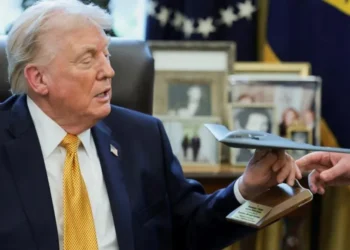 Trump’s Confidence Undimmed — But Every Iran Option Carries Risk
 Philippines energy emergency sparks coal power surge
 ‘In Our Backyard’: FBI Labels Michigan Synagogue Attack as Hezbollah-Inspired Terrorism
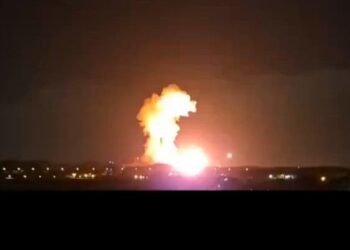 Chain of Fire: US Bunker Busters Strike Major Iranian Ammo Depot in Isfahan
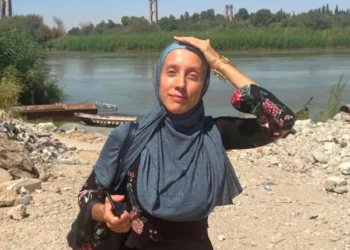 ‘Targeting the Truth’: US Journalist Shelly Kittleson Abducted in Central Baghdad
 ‘At the Doorstep of the Future’: Florida’s Space Coast Braces for Historic Artemis II Launch
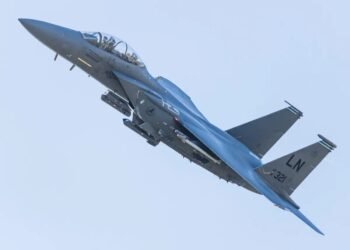 US Airman Rescued in Daring Mission After F-15 Shot Down in Iran
 Hungary Claims Plot to Target Gas Pipeline Pre-Vote
 “The Art of the Withdrawal”: Trump Targets Germany Troops as Iran Row Boils Over
 US states redraw maps after voting rights ruling
 Trump Threatens UN Budget Cuts as US Pushes ‘Trade Over Aid’ Agenda
 US Court Restores Abortion Pill Access Temporarily
 Miami Upgrades Shake Up F1 Title Fight
 “The Hormuz Ceasefire”: Oil Slips and Markets Surge as Trump Pauses Naval Mission
 “The Trading Bonanza”: Shell Profits Soar to $6.9 Billion Amid Iran War ‘Volatility’
 “The Peace Dividend”: Oil Prices Plunge and Global Stocks Surge on Reports of Iran Ceasefire Deal
 Tensions Emerge in Netanyahu-Trump Alliance
 US Awaits Iran Reply on New Ceasefire Proposal
 “A Political Reckoning”: Kentucky’s Thomas Massie Ousted in Landmark Primary Defeat
 “The Fault Line Widens”: Republican Dissent Grows Over Administration’s Secretive $1.77 Billion Compensation Fund
 “The Pragmatic Pivot”: UK Eases Sanctions on Russian Energy Amid Escalating Global Fuel Crisis
 Hormuz Talks Near Critical Stage
 Former ICC prosecutor condemns US sanctions
 House Curbs Trump’s War Powers in Rare Rebellion
 Trump-Netanyahu Call Fuels Iran Talk Crisis
 Zelensky Invites Putin to Direct Peace Talks
 Trump Approves $700m Coal Industry Investment
 Israel Strikes Iran After Missile Attack
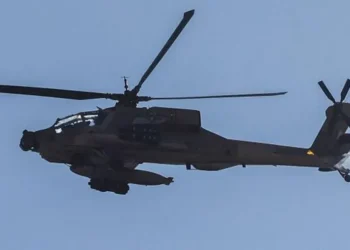 US Launches Strikes on Iran After Military Helicopter Downed Near Strait of Hormuz
 Efforts to Reshape Middle East Risk Creating Long-Term Regional Crisis, Analysts Warn
 Three Indian Sailors Killed in US Strike on Tanker Near Oman as US–Iran Conflict Escalates
 Former Olympian Indicted Over Alleged Vandalism at Washington’s Reflecting Pool
 Trump Helps Clear Balogun for Belgium World Cup Clash
 Why Some African Nations Are Rejecting Trump Aid
 Trump’s Major Recruitment Drive Targets Border Patrol Growth
 Trump’s New Vision for 250 Years of US Expansion
 Trump’s Hormuz U-Turn Raises Doubts Over Iran Strategy
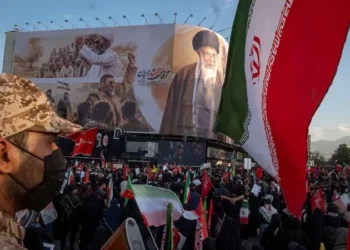 US Launches New Strikes on Iran as Trump Issues Stark Warning to Tehran
 ICE Arrests Human Rights Lawyer Who Fled Chinese Crackdown
 US Signs Landmark Nuclear Deal With Saudi Arabia in Major Strategic Agreement