Trump-Netanyahu Call Fuels Iran Talk Crisis
Published: 4 June 2026
The English Chronicle Desk
The English Chronicle Online
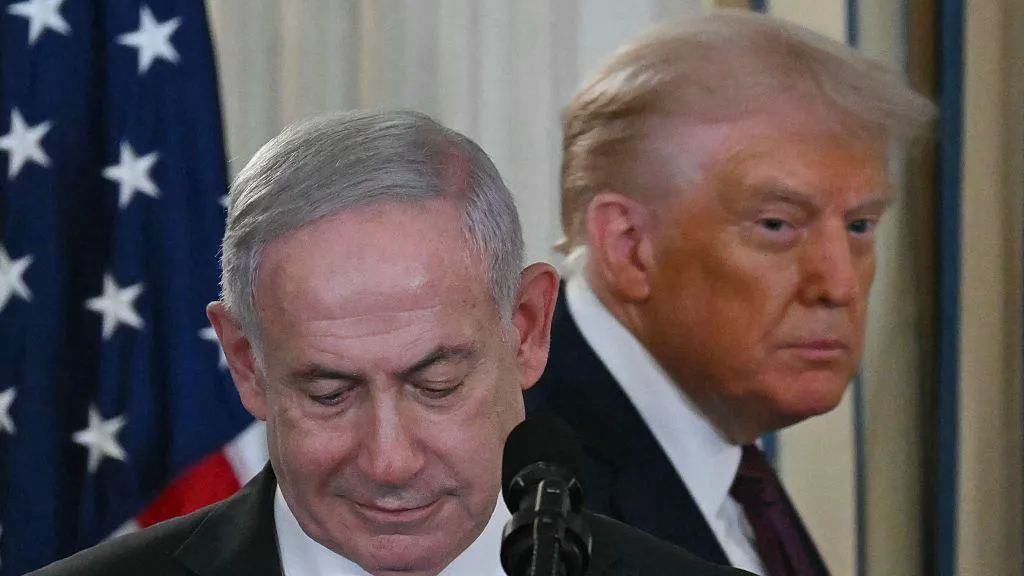
A reportedly heated phone conversation between US President Donald Trump and Israeli Prime Minister Benjamin Netanyahu has added fresh complications to ongoing diplomatic efforts involving Iran and the escalating conflict in Lebanon.
According to multiple US media reports, Trump sharply criticised Netanyahu during an expletive-filled call earlier this week over Israel’s military actions in Lebanon, warning that continued escalation could undermine sensitive negotiations with Iran.

Trump later confirmed the exchange during an interview on the “Pod Force One” podcast, acknowledging that he had called Netanyahu “crazy” while expressing frustration over Israel’s continued attacks in Lebanon.
“I was a little bit perturbed at his constantly fighting with Lebanon,” Trump said during the interview, while insisting that he still maintains a strong working relationship with the Israeli leader.
The confrontation reportedly occurred after Netanyahu authorised plans for expanded Israeli strikes on Beirut following Hezbollah rocket attacks on northern Israel. US officials feared the escalation would derail ongoing talks aimed at easing tensions with Iran and stabilising the region.
Axios reported that Trump warned Netanyahu that bombing Beirut would further isolate Israel internationally and threaten US diplomatic initiatives involving Tehran. Following the call, Israel reportedly suspended plans for broader strikes on the Lebanese capital.
The dispute reflects growing strain between Washington and Tel Aviv despite Trump and Netanyahu publicly emphasising their alliance. Netanyahu later downplayed reports of tensions, describing disagreements with Trump as merely “tactical”.
The diplomatic friction comes as the United States attempts to negotiate a broader ceasefire framework involving Israel, Lebanon and Iran. Tehran has warned that any regional ceasefire must include Lebanon and has threatened to suspend talks if Israeli military operations continue.

Meanwhile, violence along the Israel-Lebanon border has intensified in recent weeks, with Israeli air strikes and Hezbollah rocket attacks continuing despite fragile ceasefire efforts brokered by Washington. Thousands have reportedly been killed or displaced since the conflict escalated earlier this year.
Political analysts say the disagreement highlights increasing pressure on Trump as rising regional instability, energy market disruptions and concerns over the Strait of Hormuz threaten wider economic and geopolitical consequences ahead of the US midterm elections.
Related News:
 US Partially Evacuates Beirut Embassy Amid Rising Iran Tensions
 Former ICC prosecutor condemns US sanctions
 Thousands Protest ICE Operations in Nationwide US Day of Action
 US Urges Iran to Make Deal as Military Presence Rises
 Trump’s Foreign Policy Dilemma Laid Bare by Iran Tensions
 Inside Kyiv’s resolve as conflict nears five‑year mark
 Hopes and Fears as US Iranians Take to Streets After Toppling of Supreme Leader
 Iran, the US, and a World Cup That Starts in Three Months
 Trump’s Iran Endgame Unclear After Mixed Messaging on War Aims
 Rubio Responds to Reported Strike on Iranian School
 US Senate Backs Trump War Powers Amid Iran Missile Barrage
 US Senate Vote Fails to Rein in Trump War Powers on Iran
 Trump Removes Kristi Noem From Homeland Security Role
 UK Prepares Aircraft Carrier for Middle East Crisis
 Iran Rejects Ceasefire, Warns Trump With Chilling Message
 US Court Ruling Reshapes Voting Rights Landscape
 US states redraw maps after voting rights ruling
 Judge halts deportation of Yemeni refugees in US
 Trump likens US Navy actions to ‘pirates’
 Trump warns Iran as Middle East tensions surge again
 US Court Restores Abortion Pill Access Temporarily
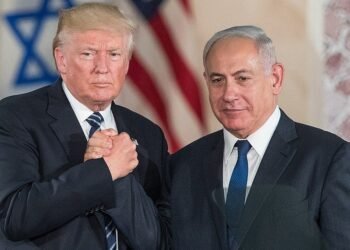 Tensions Emerge in Netanyahu-Trump Alliance
 US Awaits Iran Reply on New Ceasefire Proposal
 Hormuz Talks Near Critical Stage
 Trump’s Revenge Drive Deepens GOP Divide
 Gunman Killed After White House Security Shootout
 Trump Claims Iran Peace Deal Near Completion
 Trump Administration Dismisses 17 Immigration Judges, Sparking Debate Over Judicial Independence
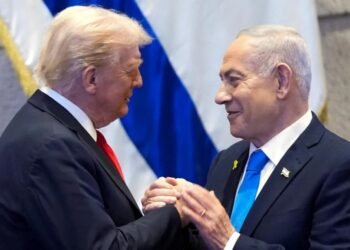 Trump Urges Herzog to Grant Netanyahu Full Pardon
 US Justice Department Files Lawsuit Against California Over Partisan Voting Maps
 Trump Deploys DHS to Charlotte in Major Arrest Operation
 US National Guard Member Killed in DC Shooting
 Russia losses Ukraine war peace talks intensify amid rising deaths
 Trump Escalates Minnesota Immigration Surge Amid Rising Tensions
 Trump Threatens Strong Action If Iran Executes Protesters
 EU Says US Ties Have Suffered ‘Big Blow’ After Greenland Crisis
 Fears of New Arms Race as US-Russia Nuclear Weapons Treaty Expires
 After the Landslide: Can India Reset Ties with BNP Bangladesh?
 Iran Says ‘Guiding Principles’ Agreed With US at Nuclear Talks
 Stephen Colbert Says CBS Spiked Interview With Democrat Over FCC Fears
 Nine Arrested in France Over Death of Far‑Right Student
 South Korea’s Ex-President Faces Death Penalty in Insurrection Trial
 American Citizen Killed in Cuba Boat Shooting, U.S. Officials Say
 Iran’s Regime Still Intact — Coming Days Will Test Its Survival
 Allies of US in the Gulf Bear Brunt of Iran Attacks
 Trump Faces Questions Over Iran Conflict Plan
 Israel Launches Ground Invasion of Lebanon Amid Widening Middle East War
 Nepal Holds First General Election Since Gen Z Protests Toppled Government
 Macron Finds ‘Freedom Fries’ Redemption in Iran Crisis
 Thousands Protest Iran Strikes Outside US Embassy London
 US Bombers Arrive at RAF Base Amid Rising Iran Tensions
 Pete Hegseth Iran War Remarks Spark Alarm
 Nine Days of Strikes Reshape the Middle East
 China Moves to Enshrine ‘Ethnic Unity’ Law
 Iran War Puts Trump at Political Risk Amid Rising Prices
 Iran’s New Leader Faces Existential Test
 Queensland Protest Laws Spark Free Speech Backlash
 Trump Iran War Stance Hardens as Conflict Widens
 Trump’s Confidence Undimmed — But Every Iran Option Carries Risk
 Israel Says Iran Security Chief Larijani ‘Killed’
 Israel Enacts Death Penalty Law for Palestinians Following 12-Hour Debate
 The “Protective Shield”: Who is Todd Blanche, the New Acting U.S. Attorney General?
 Report Says Pezzullo Acted ‘Recklessly’ in Dealings
 The Bench Strikes Back: Lower Court Judges Emerging as Main Obstacle to Trump’s Executive Pivot
 The Moral Crisis Looming Within the American Chain of Command
 The Changing Face of Georgia: Trump-Backed Clay Fuller Wins Election
 Capitol Hill Showdown: Bill Gates to Testify in Expanding Epstein Inquiry
 The Prediction Prohibition: White House Staff Barred from Betting on Political Markets
 The Frozen Frontier: Why Frostbite is the Least of Concerns for Canada’s Arctic Forces
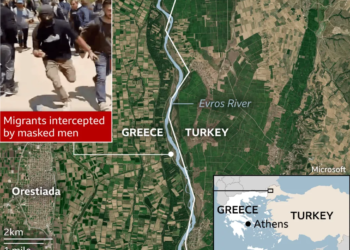 The Masked Frontier: Allegations of Greek Police Using Proxies for ‘Seismic’ Border Pushbacks
 Judicial Whiplash: Virginia Court Pauses Redistricting 24 Hours After Public Vote
 Return of the “Skiffs”: Threat Level Raised as Somali Pirates Seize Second Vessel in a Week
 Southeast Asia Turns to Russia Amid Energy Crisis
 Cartel crackdown raises fears of fresh violence
 Trump Threatens UN Budget Cuts as US Pushes ‘Trade Over Aid’ Agenda
 “The Cost of Conviction”: Palestine Action Activists Found Guilty Over ‘Clinical’ Factory Damage
 Immigration Judges Fear Pressure in Trump Era
 US green card applicants must apply from abroad, DHS says
 Tulsi Gabbard exits after turbulent intelligence tenure
 Discontent grows around Putin amid war strain