Published: 23 May 2026. The English Chronicle Desk. The English Chronicle Online.
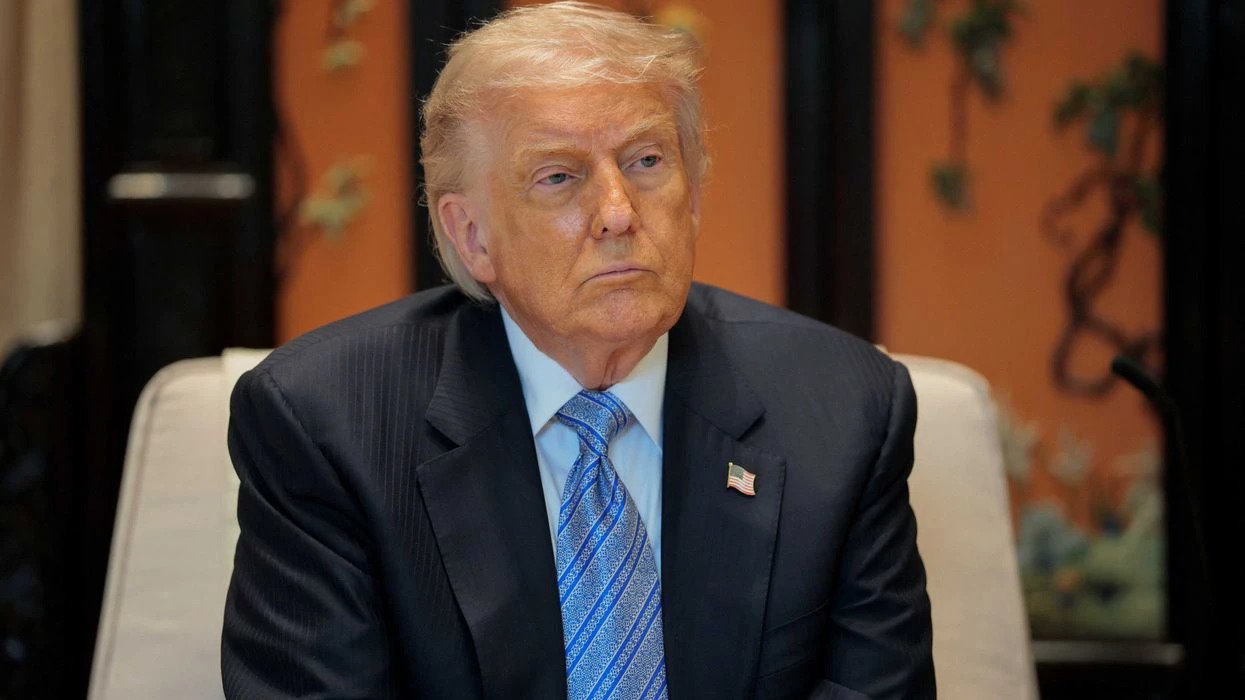
At a recent White House gathering that mixed political theatre with carnival-style celebration, Donald Trump was seen moving through a lawn filled with games, food stalls, and music as members of Congress and their families mingled at the annual picnic. Yet beneath the surface of the festive setting, a sharper political reality was unfolding: a widening internal war inside the Republican ranks, driven by loyalty tests, primary challenges, and escalating retaliation against dissenters.
One of the most striking absences from the event was Kentucky Representative Thomas Massie, a long-standing critic of Trump within the GOP. His absence followed a significant primary defeat, which the president publicly celebrated, describing Massie as an “opponent who deserved to lose.” The loss marked another chapter in Trump’s increasingly aggressive approach toward internal party opposition, where political survival has become closely tied to personal loyalty.
Massie’s defeat is being interpreted in Washington as part of a broader pattern: a deliberate effort to reshape the Republican Party into a more tightly controlled political machine. Over the past several years, Trump has supported or endorsed primary challengers against several Republican lawmakers who opposed him on key issues ranging from impeachment votes to spending bills and foreign policy disagreements. The result has been a steady erosion of internal dissent, but also growing unease among party strategists who fear long-term damage to electoral competitiveness.

The list of sidelined or defeated Republican figures continues to grow, including lawmakers who once held senior influence within the party. Some were forced out after voting against Trump’s positions during impeachment proceedings, while others lost their seats after resisting redistricting plans or questioning his policy direction. Political analysts argue that the message has been consistent: opposition carries a high personal cost, even for incumbents with strong local support.
However, the consequences of this strategy are becoming more complex. Several lawmakers who have either lost primaries or chosen not to seek re-election are now politically unrestrained, free from electoral pressure and increasingly willing to challenge Trump publicly or through legislative action. In recent weeks, some have joined cross-party efforts on contentious issues, including war powers resolutions and oversight of executive initiatives. This shift has created an unexpected dynamic where defeated or departing Republicans may still influence policy outcomes in the short term.
Inside Congress, this tension is particularly visible within the slim margins held by Republicans in both chambers. With control dependent on narrow vote counts, even a small group of dissenting Republicans can significantly disrupt legislative plans. Party insiders warn that by removing or alienating moderate voices, Trump may have unintentionally increased the leverage of remaining dissenters, who no longer face electoral consequences and can vote independently on key measures.
Some Republican figures who previously aligned closely with Trump have also begun to distance themselves. Former allies such as Marjorie Taylor Greene have at times criticised his strategic direction, while others, including Senators facing retirement or primary pressure, have broken ranks on specific legislative votes. The fragmentation reflects a growing ideological and personal divide within the party, one that is increasingly shaped by loyalty rather than policy agreement.
The broader political context is also becoming more challenging for Republicans. Recent polling data indicates declining national approval for Trump’s leadership, alongside a growing advantage for Democrats in generic congressional preference surveys. Analysts suggest that while Trump’s influence remains strong among his core supporters, it may be less effective in swing districts where independent voters play a decisive role. This raises concerns for Republican strategists ahead of the upcoming midterm elections.
Political scientists argue that the party is now caught in a structural contradiction. Trump’s dominance of the primary electorate makes his endorsement essential for winning nominations, yet his polarising effect may reduce competitiveness in general elections. The result is a strategic dilemma: candidates must choose between aligning closely with Trump to secure nomination or moderating their positions to appeal to broader voter bases.
Commentators such as conservative analyst Charlie Sykes have described the situation as a “circular firing squad,” where internal purges strengthen short-term loyalty but weaken long-term cohesion. Former Republican staffers note that this dynamic is particularly dangerous in tightly contested districts, where small shifts in independent voter sentiment can determine control of Congress.
The consequences extend beyond electoral politics into policy making. As relationships between Trump and certain Republican senators deteriorate, legislative negotiations have become more fragile. Some lawmakers who previously supported the administration on key votes are now more willing to withhold support or demand concessions, effectively increasing their bargaining power despite political marginalisation.
A recent flashpoint involved disputes over federal spending priorities and controversial compensation proposals for political allies, which triggered rare Republican resistance in the Senate. In addition, disagreements over foreign policy decisions, including the use of military force and war powers authorisations, have exposed deeper divisions within the party’s governing approach.
Further controversy emerged with Trump’s endorsement of Texas Attorney General Ken Paxton in a contentious primary battle against an incumbent senator. Critics within the party argue that supporting a candidate facing multiple legal and ethical challenges risks diverting resources from competitive national races. The decision has intensified concerns that personal loyalty is being prioritised over broader electoral strategy.

Despite these tensions, Trump continues to assert control over the party’s direction, framing internal opposition as disloyalty and positioning himself as the central figure capable of ensuring electoral success. His supporters argue that strong leadership and disciplined messaging are necessary to maintain unity and prevent fragmentation.
Yet even among Republican strategists, there is growing recognition of a long-term risk. While loyalty-driven politics may consolidate influence in the short term, it could weaken the party’s appeal in competitive states and districts. As the midterm elections approach, this tension between control and competitiveness is becoming increasingly difficult to resolve.
Ultimately, the Republican Party now faces a paradoxical situation: the same force that energises its base may also be limiting its ability to expand beyond it. Whether this approach strengthens or undermines its future electoral prospects remains uncertain, but the internal fractures it has produced are already shaping the political landscape heading into the next election cycle.
Related News:
 Thousands Protest ICE Operations in Nationwide US Day of Action
 Judge Blocks Trump Bid for Arizona Voter Data
 US Court Weighs Fate of TPS for Migrants
 US Court Ruling Reshapes Voting Rights Landscape
 US states redraw maps after voting rights ruling
 Judge halts deportation of Yemeni refugees in US
 Trump warns Iran as Middle East tensions surge again
 US Court Restores Abortion Pill Access Temporarily
 Immigration Judges Fear Pressure in Trump Era
 Former ICC prosecutor condemns US sanctions
 Gunman Killed After White House Security Shootout
 Le Pen’s Popularity Holds Despite Conviction
 Mystery Grows Over Mitch McConnell’s Health
 Trump Orders Signs Criticising Smithsonian Museum
 Is America Ready for an AOC Presidential Run?
 China-critical UK academics face ‘extremely heavy’ pressure from Beijing
 US Justice Department Files Lawsuit Against California Over Partisan Voting Maps
 Trump Deploys DHS to Charlotte in Major Arrest Operation
 Congress Approves Release of Epstein Files, Trump Expected to Sign
 Texas Governor Faces Lawsuit From CAIR
 US National Guard Member Killed in DC Shooting
 Trump to Recheck Green Cards from 19 Nations After DC Attack
 Chinese & Japanese Boats Clash Near Disputed Islands
 Putin Meets US Envoy Amid Key Ukraine Peace Talks
 US Defence Chief on Drug Boat Strike: “Did Not See Survivors”
 Trump Escalates Minnesota Immigration Surge Amid Rising Tensions
 Greenland Faces Pivotal Summit Over Arctic Power Struggle
 Trump Threatens Strong Action If Iran Executes Protesters
 EU Says US Ties Have Suffered ‘Big Blow’ After Greenland Crisis
 Trump officials continue false claims after Alex Pretti shooting
 UK and EU Signal Fresh Push for Defence Cooperation Talks
 Partial US Government Shutdown Hits Homeland Security Funding
 Epstein Files Reveal Trump Officials’ Emails with Financier
 Thousands Protest ICE in New York Against Trump Deportation Campaign
 Trump Praises ‘Terrific’ Petro After White House Talks
 Sydney Protest Clash Triggers Police Probe
 Clinton Testimony Erupts in Fiery Exchange
 UK Prepares Aircraft Carrier for Middle East Crisis
 Pete Hegseth Iran War Remarks Spark Alarm
 Report Says Pezzullo Acted ‘Recklessly’ in Dealings
 Hungary election: Orbán faces biggest test amid scandal
 Melania Trump Epstein remarks spark survivor backlash
 Suspected Plot Targets Pipeline Before Hungary Vote
 Trump Faces Crisis as Iran Reopens Hormuz Tensions
 Canadian astronaut French words ease language row
 Charles Faces Trump Test in High-Stakes US Visit
 UK Stands Firm on Falklands Amid US Rift
 Trump at Press Dinner Sparks Tension
 Ukraine Urges UK to Seize Russian Oil Tankers
 Florida Redistricting Map Sparks Major US Political Battle
 Cartel crackdown raises fears of fresh violence
 Trump orders US troop pullout from Germany
 White House Security Case Sparks Political Firestorm
 Trump approval plunges amid Iran war fears
 Ohio’s Battle for Trust: Democrats Vying to Flip the Buckeye State
 Trump Threatens UN Budget Cuts as US Pushes ‘Trade Over Aid’ Agenda
 US Supreme Court fast-tracks Voting Rights ruling
 US ‘Narco Boat’ Strikes Draw Global Outcry
 Ohio Primaries Set Stage for Crucial Midterms
 Afghan Families Left in Limbo Face Risk of Deportation
 Florida Surgeon ‘Devastated’ Over Fatal Surgery Error
 Tensions Emerge in Netanyahu-Trump Alliance
 France Faces Record Presidential Crowded Race Amid Far-Right Surge
 US Awaits Iran Reply on New Ceasefire Proposal
 FDA Chaos Deepens as Trump Eyes Makary Exit
 US green card applicants must apply from abroad, DHS says
 Tulsi Gabbard exits after turbulent intelligence tenure
 Hormuz Talks Near Critical Stage
 Trump Claims Iran Peace Deal Near Completion
 Irish Gangland Figure Fails in Dublin Election Bid
 Prosecutor Proposes Law to Combat Election Deceit
 Starmer Leadership Under Pressure After Setbacks
 US Midterm Primaries: Democrats Target Key Republican Seats
 House Curbs Trump’s War Powers in Rare Rebellion
 Trump’s Mount Rushmore Speech: A Divisive Anniversary
 Dreyfus Statue Finally Gets Permanent Paris Home
 Trump Refuses to Sign Housing Bill, But Law Takes Effect
 Senate Halts Defense Bill Over Iran Clashes
 Houthis Strike Saudi Arabia as Middle East Tensions Rise
 Five Years of Taliban Rule Leave Afghanistan in Crisis