Published: 02 May 2026. The English Chronicle Desk. The English Chronicle Online
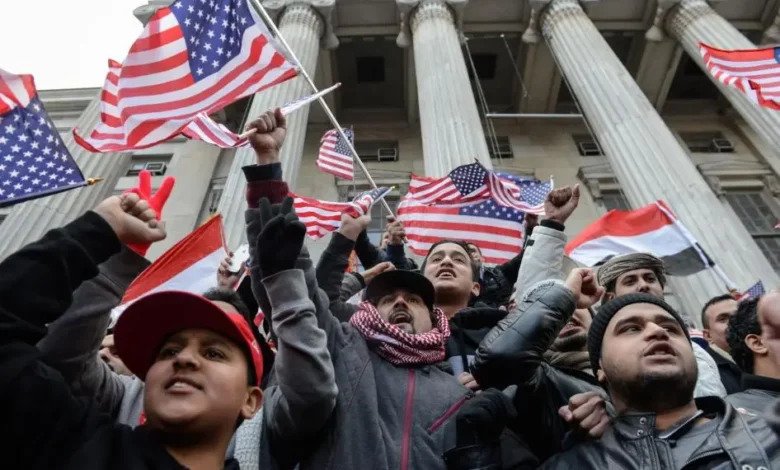
A US federal judge has temporarily blocked the deportation of thousands of Yemeni refugees, delivering a significant legal setback to the immigration policies of Donald Trump and offering immediate relief to families facing the threat of removal.
In an emergency ruling issued in Manhattan, Dale E Ho ordered the extension of Temporary Protected Status (TPS) for approximately 3,000 Yemeni nationals. The protections had been set to expire within days, potentially forcing them to return to a country still gripped by conflict and instability.
Judge Ho stated that individuals granted TPS are generally law-abiding residents who had already been deemed at risk if returned to their home country. His order ensures they can remain in the United States while a broader legal challenge to the administration’s decision moves through the courts.
Temporary Protected Status, administered by US Citizenship and Immigration Services, allows individuals from designated countries experiencing armed conflict or natural disasters to live and work legally in the US. It also protects them from deportation for a limited period.

The case forms part of a wider immigration crackdown by the administration, which has sought to end TPS designations for multiple countries, including Haiti, Venezuela, and Ethiopia. Officials argued that conditions in some of these nations had improved sufficiently to justify ending the protections.
However, the court ruling raised serious concerns about how the decision regarding Yemen had been reached. Judge Ho criticised former homeland security secretary Kristi Noem, stating that the established legal process for reviewing TPS had not been properly followed.
He also highlighted controversial remarks made by Noem in a social media post, where she advocated for sweeping immigration restrictions using highly charged language. In his written decision, the judge rejected those characterisations, emphasising that TPS holders are contributing members of society rather than the negative stereotypes suggested.
The ruling included examples of individuals who would have been directly affected by the policy change, illustrating the human impact behind the legal battle. Among them was a pregnant woman in Detroit whose unborn child requires specialised medical care unavailable in Yemen, and a former human rights worker living in New York who faces threats from armed groups if forced to return.
Legal advocates welcomed the decision as a crucial affirmation of humanitarian protections. Asian American Legal Defense and Education Fund, which is involved in the case, said the ruling makes clear that TPS cannot be used as a tool for mass deportation without proper justification.
Razeen Zaman, a director at the organisation, said the court had reinforced the principle that immigration protections must be grounded in real-world conditions rather than political considerations. He noted that US authorities had previously acknowledged the dangers in Yemen but moved to end protections regardless.
The Department of Homeland Security responded by defending its actions, stating that decisions regarding TPS are based on thorough reviews of conditions in each country. Officials maintained that the administration retains the authority to determine when such protections are no longer necessary.
The legal dispute reflects broader tensions over immigration policy in the United States, where courts have frequently been asked to intervene in executive decisions affecting migrants and refugees. It also highlights the ongoing humanitarian crisis in Yemen, where years of conflict have left millions in need of aid and basic services.
For many Yemeni families in the US, the judge’s decision provides temporary relief after months of uncertainty. Plaintiffs in the case described the ruling as a lifeline, allowing them to continue working, supporting their families, and contributing to their communities without the immediate fear of deportation.

One individual involved in the lawsuit emphasised the diverse roles TPS holders play in American society, from healthcare professionals and engineers to service workers, underscoring their economic and social contributions.
Despite the temporary nature of the ruling, it represents a significant pause in the administration’s efforts to scale back humanitarian protections. The outcome of the ongoing legal challenge could have wider implications for TPS holders from other countries facing similar policy changes.
As the case proceeds, attention will remain focused on how US courts balance executive authority with humanitarian obligations, particularly in situations where returning individuals to their home countries could expose them to serious harm.
For now, the extension of protections offers a moment of stability for thousands of Yemeni refugees, even as the broader debate over immigration policy in the United States continues to unfold.
Related News:
 Former ICC prosecutor condemns US sanctions
 Thousands Protest ICE Operations in Nationwide US Day of Action
 Thousands Protest ICE in New York Against Trump Deportation Campaign
 US Court Ruling Reshapes Voting Rights Landscape
 US states redraw maps after voting rights ruling
 Trump warns Iran as Middle East tensions surge again
 US Court Restores Abortion Pill Access Temporarily
 Afghan Families Left in Limbo Face Risk of Deportation
 Immigration Judges Fear Pressure in Trump Era
 US judge dismisses Kilmar Abrego Garcia indictment
 US green card applicants must apply from abroad, DHS says
 Trump’s Revenge Drive Deepens GOP Divide
 Gunman Killed After White House Security Shootout
 Mystery Grows Over Mitch McConnell’s Health
 China-critical UK academics face ‘extremely heavy’ pressure from Beijing
 US Justice Department Files Lawsuit Against California Over Partisan Voting Maps
 Trump Deploys DHS to Charlotte in Major Arrest Operation
 Congress Approves Release of Epstein Files, Trump Expected to Sign
 Texas Governor Faces Lawsuit From CAIR
 US National Guard Member Killed in DC Shooting
 Trump to Recheck Green Cards from 19 Nations After DC Attack
 Chinese & Japanese Boats Clash Near Disputed Islands
 Putin Meets US Envoy Amid Key Ukraine Peace Talks
 US Defence Chief on Drug Boat Strike: “Did Not See Survivors”
 Trump Escalates Minnesota Immigration Surge Amid Rising Tensions
 Iran Leader Blames Protesters, Says They Serve Trump
 Greenland Faces Pivotal Summit Over Arctic Power Struggle
 EU Says US Ties Have Suffered ‘Big Blow’ After Greenland Crisis
 Trump officials continue false claims after Alex Pretti shooting
 UK and EU Signal Fresh Push for Defence Cooperation Talks
 Partial US Government Shutdown Hits Homeland Security Funding
 Epstein Files Reveal Trump Officials’ Emails with Financier
 Trump Praises ‘Terrific’ Petro After White House Talks
 Sydney Protest Clash Triggers Police Probe
 Clinton Testimony Erupts in Fiery Exchange
 UK Prepares Aircraft Carrier for Middle East Crisis
 Pete Hegseth Iran War Remarks Spark Alarm
 Report Says Pezzullo Acted ‘Recklessly’ in Dealings
 Hungary election: Orbán faces biggest test amid scandal
 Suspected Plot Targets Pipeline Before Hungary Vote
 Trump Faces Crisis as Iran Reopens Hormuz Tensions
 Charles Faces Trump Test in High-Stakes US Visit
 UK Stands Firm on Falklands Amid US Rift
 Trump at Press Dinner Sparks Tension
 US Court Weighs Fate of TPS for Migrants
 Florida Redistricting Map Sparks Major US Political Battle
 Cartel crackdown raises fears of fresh violence
 Trump orders US troop pullout from Germany
 Activists allege abuse after Gaza flotilla seizure
 Asylum deal sparks fears over Syria deportations
 UK may ban protests amid rising antisemitism fears
 White House Security Case Sparks Political Firestorm
 Trump approval plunges amid Iran war fears
 Giuliani hospitalised in critical condition
 Ohio’s Battle for Trust: Democrats Vying to Flip the Buckeye State
 Trump Threatens UN Budget Cuts as US Pushes ‘Trade Over Aid’ Agenda
 US Supreme Court fast-tracks Voting Rights ruling
 US ‘Narco Boat’ Strikes Draw Global Outcry
 Ohio Primaries Set Stage for Crucial Midterms
 Tensions Emerge in Netanyahu-Trump Alliance
 US Awaits Iran Reply on New Ceasefire Proposal
 FDA Chaos Deepens as Trump Eyes Makary Exit
 Israeli Strikes in Lebanon Kill 10 Amid Ceasefire Strain
 Tulsi Gabbard exits after turbulent intelligence tenure
 Hormuz Talks Near Critical Stage
 China mine blast death toll rises to 90
 Trump Claims Iran Peace Deal Near Completion
 Irish Gangland Figure Fails in Dublin Election Bid
 Prosecutor Proposes Law to Combat Election Deceit
 US Midterm Primaries: Democrats Target Key Republican Seats
 House Curbs Trump’s War Powers in Rare Rebellion
 Ukraine Creates Long-Range Strike Command
 Le Pen’s Popularity Holds Despite Conviction
 Dreyfus Statue Finally Gets Permanent Paris Home
 Trump Refuses to Sign Housing Bill, But Law Takes Effect
 Senate Halts Defense Bill Over Iran Clashes
 Houthis Strike Saudi Arabia as Middle East Tensions Rise
 Trump Orders Signs Criticising Smithsonian Museum
 Israeli Strike in Southern Lebanon Kills Seven
 Is America Ready for an AOC Presidential Run?