Published: 23 May 2026. The English Chronicle Desk. The English Chronicle Online
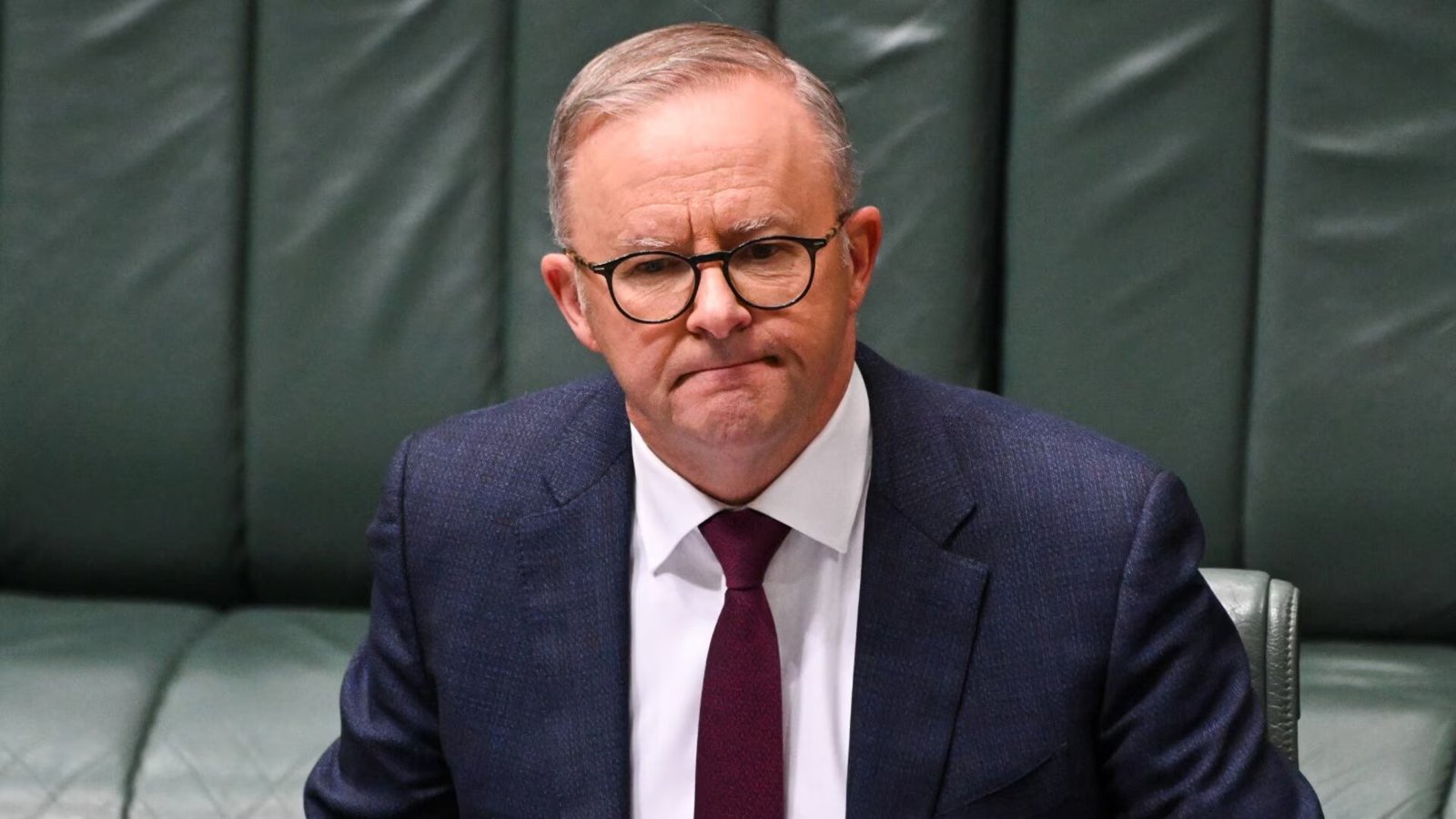
A visibly emotional Australian Prime Minister Anthony Albanese has delivered a forceful defence of his government’s controversial housing and tax reforms, insisting the measures are necessary to restore fairness in the property market and expand home ownership opportunities for younger Australians.
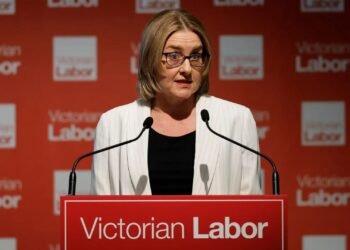
Speaking at a Victorian Labor state conference, Albanese responded to sustained political backlash over proposed changes to negative gearing, the capital gains tax (CGT) discount, and family trust taxation. The reforms, announced in last week’s federal budget, have triggered intense debate across Australia’s political and economic landscape, with critics warning of potential impacts on investment behaviour and housing supply.
Under the proposed policy package, negative gearing would be restricted to newly built properties while existing arrangements would be grandfathered. The CGT discount would also be recalibrated, and a new minimum 30% tax rate would be applied to discretionary trusts. The government argues the changes are designed to rebalance a housing system increasingly tilted toward investors at the expense of first-home buyers.

During his speech, Albanese said he would “not allow Australia to become a country where aspiration is only for some,” framing the reforms as part of a broader push for intergenerational fairness. His remarks drew a standing ovation from party members and union representatives, with the prime minister appearing visibly moved by the response.
Albanese argued that current tax settings effectively give property investors an advantage over first-time buyers, particularly in competitive auction environments. He said young Australians were being priced out of the housing market because investors could leverage tax advantages that reduced their real cost of bidding, while ordinary wage earners faced the full market price without similar support.
He described the situation as fundamentally unequal, stating that “every Saturday, young people are missing out at auctions” because of structural advantages embedded in the tax system. The prime minister said the reforms were intended to correct what he characterised as a long-standing imbalance in housing policy.
Treasurer Jim Chalmers has also defended the reforms, arguing they are part of a broader effort to improve housing affordability and strengthen long-term economic stability. However, reports from within the governing Australian Labor Party suggest that some MPs are concerned the policy has not been clearly explained to the public, raising fears that political opposition campaigns could gain traction if confusion persists.
One senior Labor figure warned that without clearer messaging, “fear campaigns” could distort public understanding of the tax changes, particularly among middle-income voters and small investors. Others within the party have acknowledged privately that the government needs a more coordinated communication strategy to explain complex elements such as trust taxation and capital gains adjustments.
The debate has also exposed divisions in how both major parties frame economic aspiration. Opposition figures, including Shadow Treasurer Tim Wilson, have accused the government of targeting wealth creation and undermining incentives for investment. Wilson described the budget measures as hostile to entrepreneurs and property owners, arguing they risk weakening confidence in the housing and small business sectors.
At a separate gathering in Victoria, Opposition Leader Angus Taylor sharply criticised the reforms, calling them an “attack on aspiration” and warning they would disproportionately impact younger Australians seeking financial stability through property ownership. He pledged that a future government would repeal the measures if elected, framing the issue as a central dividing line in Australian economic policy.
Within the government, Energy Minister Chris Bowen defended the reforms, acknowledging their controversial nature but arguing they are necessary for addressing structural inequality in the tax system. He said major reforms often attract criticism but are essential for long-term fairness and sustainability, particularly in housing markets where affordability pressures have intensified over the past decade.
Bowen emphasised that the policy direction reflects a broader economic philosophy focused on “intergenerational equity,” aiming to ensure that younger Australians are not locked out of home ownership due to entrenched advantages held by existing property investors.
The reforms have sparked wider economic debate across Australia, with economists divided over their potential impact. Supporters argue that limiting tax advantages for investors will cool speculative demand and redirect investment toward new housing supply. Critics, however, warn that changes could reduce rental availability and discourage property development in key urban markets.
Public reaction has also been mixed, with younger Australians and first-home buyers generally expressing support for measures aimed at improving affordability, while many property investors and business groups have voiced concern about policy uncertainty and reduced incentives for long-term investment.

Political analysts suggest the controversy reflects a deeper structural tension in Australian politics between wealth creation and housing equity. With property ownership forming a central part of household wealth for many Australians, any adjustment to tax settings is likely to generate significant political and emotional responses.
Despite the backlash, Albanese reiterated that his government would proceed with the reforms, insisting they represent a necessary correction to a system that has increasingly favoured those already on the property ladder. He argued that the “great Australian dream” of home ownership should not become unattainable for younger generations.
As debate continues in parliament and across the country, the reforms are shaping up to be one of the most politically significant economic policy shifts of the current government, with potential implications for both voter sentiment and long-term housing market dynamics.
Related News:
 UK Doubles Steel Tariffs to 50% to Protect Domestic Plants
 BBC News Faces Deep Cuts in 2,000 Job Plan
 Kevin Warsh sworn in as Fed chair amid economic backlash
 UK Pushes for New EU Goods Trade Deal
 Reeves Fights to Keep Treasury Role Amid Labour Turmoil
 Trump’s UK Ambassador Urges North Sea Drilling to Strengthen US Ties
 Rachel Reeves Set to Break Labour Pledge and Raise Income Tax
 MPs Press Rachel Reeves to Hike Gambling Taxes
 Cuts to home insulation funding threaten UK climate goals
 Millionaires group urge Reeves to introduce wealth tax to ‘lift kids out of poverty’
 Canada Passes Carney’s First Budget in Tight Parliamentary Vote
 PM Highlights UK Business at G20 in South Africa
 English Mayors Set to Introduce Tourist Taxes
 India’s Labour Law Overhaul Sparks Fierce Debate
 Carney’s Alberta Pipeline Deal Sparks Immediate Pushback
 Starmer Says Labour’s Economic Plan Needs Years to Deliver
 Mark Carney Walks Diplomatic Tightrope on China Visit
 Government Unveils Northern Powerhouse Rail Plans
 MPs warn AI financial risks threaten UK stability
 Trump Fed bid heads to Supreme Court
 Starmer Plans UK-China Visit Amid Business and Diplomatic Goals
 UK Government Borrowing Drops to £11.6bn in December
 Keir Starmer meets Xi to strengthen UK-China economic relations
 EU Signals Open Mind on UK Customs Union Talks
 UK shelves £110m border project amid trade strain
 Sanders Condemns Billionaire ‘Greed’ in California Tax Debate
 UK Sees Record £30.4bn Budget Surplus, Boosting Reeves’ Position
 Reeves Must Back Defence Plan or Face Dismissal, Says Unite Chief
 OBR Reform Row Deepens Before Spring Forecast
 Nissan Sunderland Plant Faces Uncertain Future Under EU Rules
 Starmer Adviser Urges New Profit Cap on Energy Firms
 Verdant report: Doge of the Left could save £30bn
 UK CO2 Plant Reopens to Counter War-Induced Shortages
 Trump to Deploy “God Squad” Over Gulf Wildlife Protections
 Can Congress Stop US Sports Teams From Moving Cities?
 Fuel Duty Relief Plea Amid Middle East Oil Crisis
 Unions Raise Concerns Over Doctors’ Pay Dispute
 Tax Shift Hits UK Farms: New Inheritance Rules Begin
 Trump Slams UK Ties and Threatens To Rewrite Trade Deal
 Iron Worker Challenges Trump Loyalist in Ohio
 Trump Faces Crisis as Iran Reopens Hormuz Tensions
 Iran Reimposes Strait of Hormuz Restrictions Amid Tension
 Reform UK funding: mystery billionaire revealed
 Southeast Asia Turns to Russia Amid Energy Crisis
 US Calls Australia Media Law “Foreign Extortion”
 Albanese Rejects Gas Export Tax Push
 Capitalism ‘Suicidal’, Warns Petro at Climate Summit
 Oil Prices Surge Above $120 Amid Iran Blockade Fears
 Silent Tracks: Rail Line Without Passengers
 Trump approval plunges amid Iran war fears
 Ohio’s Battle for Trust: Democrats Vying to Flip the Buckeye State
 Trump Threatens UN Budget Cuts as US Pushes ‘Trade Over Aid’ Agenda
 Tough Fiscal Realities Await Next Scottish Government
 Government Subsidy Keeps Jaguar Land Rover Production Firmly Within British Borders
 Middle East Crisis Escalates as Oil Routes Shake Markets
 Norway Doubles Down on Oil and Gas for Europe Energy Security
 US Awaits Iran Reply on New Ceasefire Proposal
 New ‘Double Lock’ Rent Cap Proposed to Ease Living Costs
 Labour Faces Internal Pressure for Bold Economic Shift
 Labour Factions Propose Bold Tax Cuts Amid Leadership Storm
 Beijing Becomes Centerstage for Global Diplomatic Ballet
 Thames Water Rescue Package Hit by Downing Street Chaos
 Hybrid village stores fight rural decline
 US green card applicants must apply from abroad, DHS says
 Hormuz Talks Near Critical Stage
 Victoria Labor Launches Apprenticeship Expansion Plan
 UK Urged to Build EU Rejoin Consensus, Says Miliband
 UK rejects EV charging VAT cut amid Treasury clash
 Discontent grows around Putin amid war strain
 Trump Claims Iran Peace Deal Near Completion
 Nationwide Faces Governance Scrutiny Ahead of AGM
 Gen Z Graduates Face Economic Uncertainty
 Hungary Targets Oligarchs with Proposed Landmark Wealth Tax
 Hospitality Traders to Exploit Summer VAT Cut Loophole
 Andy Burnham Enlists Economic Heavyweights for Leadership Bid
 Great Britain Faces £90bn Electricity Grid Rewire Bill
 Trump’s Housing Dismissal Strains His Base
 Ukraine Creates Long-Range Strike Command
 Labour MPs Urge Burnham to Revive UK Aid Target
 Trump Refuses to Sign Housing Bill, But Law Takes Effect