Published: 18 May 2026. The English Chronicle Desk. The English Chronicle Online.
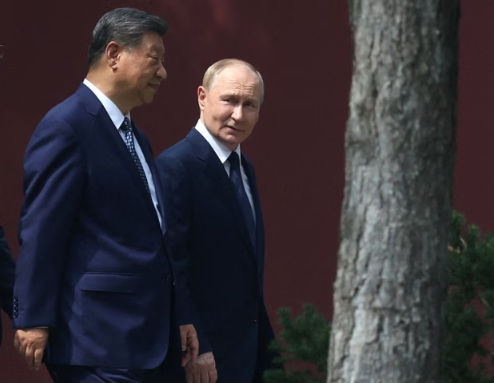
The political landscape of eastern Asia is witnessing a remarkable demonstration of diplomatic balancing as Chinese leader Xi Jinping prepares for a high profile state visit from Russian President Vladimir Putin in Beijing this week. This monumental meeting is scheduled to take place across Tuesday and Wednesday and comes just four days after United States President Donald Trump concluded a highly publicised and significant summit in the Chinese capital. The rapid succession of these two global superpowers visiting the same capital city has captured the attention of international observers and political analysts who note that such consecutive hosting is exceptionally rare in the post cold war era. On Sunday the leaders of China and Russia set the stage for the upcoming summit by exchanging warm congratulatory letters which underscored the increasingly robust ties that define their relationship. Xi Jinping remarked that bilateral cooperation between the two nations has continuously deepened and solidified over recent years which is a sentiment that carries extra weight as this year marks the thirtieth anniversary of their comprehensive strategic partnership.
The tightly choreographed sequence of visits has allowed the Chinese state apparatus to frame the nation as the undisputed focal point of contemporary global diplomacy. An article published on Monday in the state media tabloid the Global Times proudly highlighted how these events showcase the expanding international influence and mediating prowess of Beijing on the world stage. Western diplomats and global security experts are watching the unfolding situation with deep concern given that the relationship between Moscow and Beijing has faced intense scrutiny since the full scale invasion of Ukraine commenced in February 2022. While China maintains an official stance of neutrality regarding the conflict in eastern Europe its persistent economic and diplomatic support has been vital in helping Moscow withstand isolation and Western economic sanctions. The personal rapport between the two leaders is remarkably strong with Xi Jinping and Vladimir Putin having met on more than forty separate occasions over the past decade which far outstrips the number of encounters the Chinese president has shared with any Western counterpart.
Economic data highlights how the financial fates of the two nations have become increasingly intertwined since the conflict in Ukraine triggered a massive shift in global trade dynamics. Bilateral trade between China and Russia has soared to record breaking levels over the past few years with Chinese businesses effectively filling the void left by departing Western corporations. Currently China purchases more than one quarter of all Russian exports which provides a critical lifeline for the Kremlin as it navigates a complex web of international trade restrictions and asset freezes. Specifically the massive purchases of Russian crude oil by Beijing have supplied Moscow with hundreds of billions of dollars in vital revenue which western critics argue directly helps to fund and sustain the military campaign in Ukraine. According to comprehensive data compiled by the Centre for Research on Energy and Clean Air China has purchased more than three hundred and sixty seven billion dollars worth of Russian fossil fuels since the start of the full scale invasion.
These immense energy acquisitions have not merely been acts of diplomatic solidarity but have actively supported the long term energy security of China. The necessity of securing stable overland energy corridors has become particularly acute for Beijing recently due to volatile geopolitical crises in the Middle East which have threatened traditional maritime trade routes. Ongoing disruptions and security threats in the Middle East have repeatedly halted or endangered the shipping of international crude oil through the critical maritime chokepoint of the Strait of Hormuz. By pivotally shifting a substantial portion of its energy reliance to Siberian oil and gas fields China effectively shields its massive domestic industrial economy from sudden supply shocks inherent in maritime shipping. This calculated reliance on Russian natural resources provides a mutually beneficial arrangement where Moscow secures a guaranteed buyer for its embargoed resources while Beijing successfully fortifies its industrial supply lines against potential Western maritime blockades.
Intriguingly the contentious war in Ukraine and the deeper implications of the Sino Russian relationship did not appear to feature heavily during the extensive talks between Donald Trump and Xi Jinping last week. The official Chinese statement released after their main bilateral meeting made only a passing and brief reference to the ongoing situation by calling it the Ukraine crisis while the official United States press release avoided mentioning the matter entirely. Instead the high stakes discussions between the American and Chinese delegations appeared to focus almost exclusively on bilateral trade agreements the delicate status of Taiwan and the escalating war in the Middle East. Following the conclusion of those meetings Donald Trump noted that China apparently agreed with his administration on the vital importance of ensuring global commerce by reopening the heavily contested Strait of Hormuz. The lack of public emphasis on the Russian conflict during the American visit suggests a pragmatism from both sides to focus on immediate bilateral friction points rather than broader global alliances.
The complex issue of Taiwan however remained a primary point of serious contention during the American visit with Xi Jinping directly pressing Donald Trump on the matter and warning of severe consequences. The Chinese leader explicitly warned the American president of the true potential for military conflict if the sensitive geopolitical issue was not handled with the utmost diplomatic care and respect for Chinese sovereignty. Donald Trump departed the Chinese capital indicating to reporters that he had not yet definitively decided whether to approve a pending multi billion dollar deal for advanced American weapons systems destined for Taiwan. A decision to halt this massive weapons sale would represent a historic and major diplomatic victory for Beijing which continuously seeks to assert total sovereign control over the self governing island. The vast majority of the Taiwanese population remains resolutely opposed to any form of unification with the mainland making the potential suspension of American military aid an incredibly sensitive issue for regional stability.
According to insightful analysis provided by Joseph Webster who serves as a senior fellow at the prestigious Atlantic Council the unresolved future of Taiwan may well be the unwritten subtext of the upcoming meeting between Xi Jinping and Vladimir Putin. In a recently published newsletter Webster suggested that Beijing may be looking to sign additional long term fossil fuel agreements with Moscow this week to guarantee its national energy reserves in anticipation of future geopolitical friction. The expansion of Russian oil and gas pipeline capacity directly to China would significantly enhance the long term oil security of Beijing in the event of a future military contingency or Western blockade surrounding Taiwan. For its part Russia has been actively pushing the Chinese leadership to move forward with the construction of the ambitious Power of Siberia 2 gas pipeline project. This massive infrastructure undertaking would add approximately fifty billion cubic metres of annual transport capacity to the existing energy network between the two nations thereby cementing a permanent economic alliance that could reshape global power dynamics for decades to come.
Related News:
 Canada Passes Carney’s First Budget in Tight Parliamentary Vote
 India’s Labour Law Overhaul Sparks Fierce Debate
 Carney’s Alberta Pipeline Deal Sparks Immediate Pushback
 Mark Carney Walks Diplomatic Tightrope on China Visit
 Trump to Deploy “God Squad” Over Gulf Wildlife Protections
 Trump Slams UK Ties and Threatens To Rewrite Trade Deal
 Athens Mayor Moves to Tackle Overtourism Crisis
 Southeast Asia Turns to Russia Amid Energy Crisis
 US Calls Australia Media Law “Foreign Extortion”
 Capitalism ‘Suicidal’, Warns Petro at Climate Summit
 Oil Prices Surge Above $120 Amid Iran Blockade Fears
 Trump approval plunges amid Iran war fears
 Trump Threatens UN Budget Cuts as US Pushes ‘Trade Over Aid’ Agenda
 Norway Doubles Down on Oil and Gas for Europe Energy Security
 US Awaits Iran Reply on New Ceasefire Proposal
 Hormuz Talks Near Critical Stage
 UK Pushes for New EU Goods Trade Deal
 Reeves Fights to Keep Treasury Role Amid Labour Turmoil
 Europe Weighs Hormuz Navigation Fee Plan
 Ukraine Creates Long-Range Strike Command
 Trump’s UK Ambassador Urges North Sea Drilling to Strengthen US Ties
BBC to Apologise Over Edited Trump Speech Amid Backlash
Trump’s UK Ambassador Urges North Sea Drilling to Strengthen US Ties
BBC to Apologise Over Edited Trump Speech Amid Backlash
 Britain deploys RAF specialists to assist Belgium with drone threats
 Millionaires group urge Reeves to introduce wealth tax to ‘lift kids out of poverty’
 Greene Pushes Epstein Files Amid Trump Fallout
 Trump Deploys DHS to Charlotte in Major Arrest Operation
 December Run-Off in Chile as Election Produces No Winner
 Shadow Fleet at Sea: Europe’s Battle Against Illicit Oil Shipping
 Pentagon Officials in Ukraine to Discuss War End
 Venezuela Threatens Nobel Winner Machado with Fugitive Status
 Georgians Defy Government Crackdown After Year of Protests
 Starmer Says Labour’s Economic Plan Needs Years to Deliver
 EU plans $105bn Ukraine aid using frozen Russian assets
 Trump Policies Boost China’s Global Rise, Survey Finds
 Trump Fed bid heads to Supreme Court
 Pentagon Signals Reduced Role in Deterring North Korea
 ‘Black Tax’: Burden, Pride and Survival for African Workers
 Thousands Protest ICE Operations in Nationwide US Day of Action
 EU Signals Open Mind on UK Customs Union Talks
 UK and US Drop in Global Corruption Index Rankings
 UK shelves £110m border project amid trade strain
 Canberra Poster Seizure Sparks Free Speech Row
 Evo Morales Returns After Mysterious Absence
 AFP Reviews Pauline Hanson Comments
 Trump Tariffs Threat Spark UK and EU Alarm
 The Dangerous Rise of Remigration Across Modern Europe
 Jacinda Ardern Moves To Australia Following Her US Fellowships
 US to offer passport services in West Bank settlements
 Jacinda Ardern Move Sparks Kiwi Reflection
 Nick Greiner Warns Over Election Review Fallout
 Iran Defiance Grows Amid US-Israel War Pressure
 Injured Mojtaba Khamenei Elevated as Iran Leader
 Gordon Brown urges court for crimes against children
 Oil Prices Jump After Trump Claims Iran Oil Hub Destroyed
 Pakistan Targets Militant Hideouts in Afghanistan
 Oil Slides, Stocks Jump on Trump Peace Signals
 Danish Election Deadlock Shakes Frederiksen’s Grip
 Air Canada CEO Faces Outcry Over Recent Language Misstep
 Pope Rebukes Leaders for War as Middle East Tensions Rise
 Relationship with Trump may be beyond repair, Starmer warned
 Italian Town Buys Mussolini Villa to Keep Away Fascist Fans
 Suspected Plot Targets Pipeline Before Hungary Vote
 Trump Brokers Landmark Lebanon Ceasefire Amid Regional Hopes
 UK Stands Firm on Falklands Amid US Rift
 Trump orders US troop pullout from Germany
 Silent Tracks: Rail Line Without Passengers
 Tough Fiscal Realities Await Next Scottish Government
 US ‘Narco Boat’ Strikes Draw Global Outcry
 Global Conflict Hits Home As Bullock Warns Of Economic Pain
 Trump Announces 3-Day Russia–Ukraine Ceasefire Deal
 High Street Crisis: Fears Grow Over Post Office Closures
 Oil Markets Face ‘Red Zone’ Threat Amid Iran Crisis
 Albanese Defends Tax Reforms Amid Emotional Speech
 Discontent grows around Putin amid war strain
 Starmer Leadership Under Pressure After Setbacks
 House Curbs Trump’s War Powers in Rare Rebellion
 UK Economy Suffers a Sharp Downturn as Iran Conflict Bites
 New South Wales Premier Chris Minns Signals Tough Road Ahead for Labor
 Le Pen to Run for President Despite Embezzlement Conviction
 Houthis Strike Saudi Arabia as Middle East Tensions Rise