Published: 15 May 2026. The English Chronicle Desk. The English Chronicle Online.
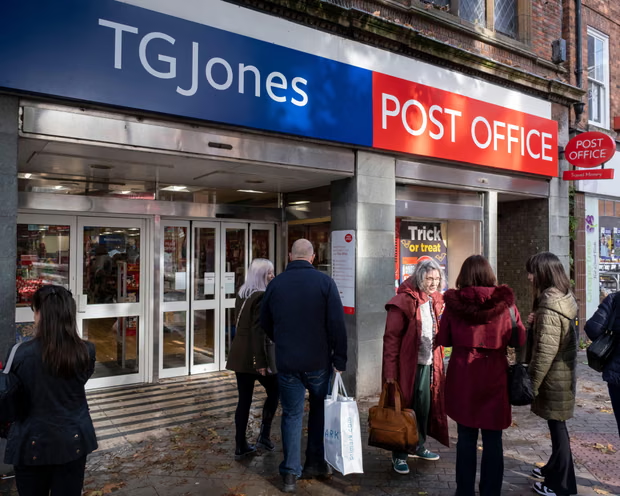
The British high street is facing a major new crisis that threatens vital community services. Serious concerns are growing across the nation about the creation of widespread regional postal deserts. This follows a controversial proposal by the new owners of a historic retail chain. Modella recently acquired the high street business of the well-known brand WH Smith. The private equity firm subsequently rebranded these familiar town centre shops as TG Jones. Now the company is seeking to alter its current contracts with the Post Office. These changes would make it much easier to shut down essential local counters.
The investment group currently operates about one hundred and eighty post office branches nationwide. Under the proposed restructuring plan, up to sixty of these vital outlets could close. This dramatic move comes after Modella proposed significant rent reductions to its various landlords. Many commercial landlords are expected to reject these aggressive cuts and reclaim their properties. This situation could lead to the closure of one hundred and fifty stores. Such a massive wave of closures would put thousands of retail jobs at risk. The proposal has understandably sparked deep anxiety among shopworkers and local shoppers alike.
Modella has already written to its creditors detailing the proposed changes to contracts. The firm wants to reduce the closure notice period to fifty-six days. This is a massive reduction from the current requirement of six full months. Creditors are scheduled to vote on this controversial restructuring plan early next month. If approved, the shortened notice period will remain in place until June three years hence. This aspect of the plan has drawn fierce criticism from various community representatives. They argue that two months is not enough time to find alternative locations.
The company has already confirmed that eight specific branches will definitely close very soon. Seven of these doomed high street stores currently house busy local Post Office counters. The affected areas include East Ham, Waltham Cross, Torquay, Hull, Ayr, and Middleton. Solihull will also lose its branch under this immediate phase of retail cuts. Losing these counters means essential banking and stamp services must find new homes. If alternative local sites cannot be found, these services will vanish entirely.
The Communications Workers Union has strongly condemned the strategy of the private equity firm. Union leaders claim that vulnerable communities will be left completely isolated without these services. They argue that modern society relies heavily on accessible local banking and postal facilities. For thirty-five years, the union has warned against outsourcing important social infrastructure projects. They believe that private companies consistently prioritise shareholder profits over the needs of communities. The union had previously demanded strict guarantees for worker conditions during the initial takeover. Those early fears of aggressive asset stripping now seem to be materialising for workers.
According to leaked documents, other traditional rights for financial compensation will be waived entirely. Instead, the Post Office will receive a payment based on retail closure profits. This specific compensation figure will be underpinned by a guaranteed minimum of five hundred pounds. The Post Office will also be offered returns from the sale of remaining stock. These financial arrangements will remain active throughout the three-year duration of the restructure. After this period concludes, the standard contractual rights are expected to return to normal.
Modella defended its actions by pointing to incredibly tough trading conditions on high streets. The firm stated that ensuring the survival of the business was its ultimate imperative. It blamed weak consumer spending and rapidly rising operating costs for the financial distress. The company also claimed the forced name change from WH Smith hurt consumer trade. Many shoppers simply did not recognise the new TG Jones branding on the high street. This drop in customer recognition led directly to lower sales across the country.
The restructuring plan is officially designed to protect the core of the business estate. Executives want to create a sustainable operation that can serve customers for many years. Modella expressed gratitude to stakeholders who have pledged support during this difficult transition period. This support network includes the Post Office management and the toy retailer Toys R Us. Previously, the private equity firm had promised landlords a very different corporate vision. It originally planned to expand the brand into a bustling hub for local communities. The initial strategy involved growing the estate to five hundred innovative multi-purpose branches. These hubs were supposed to combine financial services with educational products and reading materials.
Now, the investment firm is attempting to mitigate the damage of these closures. It hopes to rehouse some lost postal branches within other businesses it currently owns. One potential option involves moving counters into the popular craft chain known as Hobbycraft. However, many experts doubt whether these craft stores are suitable locations for elderly customers. Finding accessible buildings with adequate space remains a significant challenge in many regional towns.
The Post Office released a statement acknowledging the difficult environment for high street retailers. A spokesperson expressed regret over the upcoming closures resulting from the announcement this month. The state-owned company is working hard to find alternative locations in nearby retail zones. They emphasised that post offices drive a significant amount of footfall to high streets. Management plans to work closely with the retailer to monitor the ongoing restructuring impact. They want to fully understand the risk posed to other branches in the estate. Meanwhile, they will continue supporting the hundreds of branches that remain unaffected today.
This latest crisis occurs at a terrible time for the state-owned postal institution. The organization is still reeling from the immense fallout of the Horizon IT scandal. That historic miscarriage of justice severely damaged public trust and strained company finances nationwide. Furthermore, the institution had already announced over one hundred branch closures late two years ago. This additional wave of potential closures threatens to destabilise the network even further.
It is important to note that certain branches are excluded from this plan. The highly profitable travel stores located in transport hubs are not involved at all. These branches operate successfully in busy railway stations, major hospitals, and international airports. They were completely excluded from the original corporate acquisition deal completed last year. These specific outlets remain under the ownership of the original stock market-listed parent firm. Therefore, travellers and commuting customers will not see any immediate disruption to their services.
The situation highlights the fragile state of Britain’s traditional commercial town centres today. Independent analysts suggest that more store closures are inevitable without urgent government intervention. Local councils are worried about the devastating impact of losing a core post office. For many towns, the local post office is the last remaining financial institution. Elderly residents and small business owners rely on these physical counters every single day. Without them, people must travel long distances just to deposit cash or mail packages. The upcoming creditor vote next month will decide the fate of these community services. High street advocates are watching the situation closely with a sense of deep anxiety.
Related News:
 UPS Cargo Plane Crash in Kentucky Kills Seven
 US private equity set to acquire UK online retailer Very Group
 Switzerland Rolls Out Charm Offensive to Cut Trump’s 39% Tariffs
 Canada Passes Carney’s First Budget in Tight Parliamentary Vote
 India’s Labour Law Overhaul Sparks Fierce Debate
 Carney’s Alberta Pipeline Deal Sparks Immediate Pushback
 Mark Carney Walks Diplomatic Tightrope on China Visit
 Wall Street shaken by Trump tariff shock as markets tumble
 ‘Black Tax’: Burden, Pride and Survival for African Workers
 UK New Car Discounts Near £6,000 as Prices Are Slashed
 Coles Discounts Under Fire in Federal Court
 Trump Tower Gold Coast to Redefine Skyline
 Rory Amon Trial: Alleged Victim Speaks in Court
 Oil Prices Surge as Iran War Jolts Markets
 Gulf shipping crisis as war risk cover pulled
 Global markets face turmoil as Hormuz crisis deepens
 Gulf shipping crisis sparks food price fears
 Oil Prices Surge Above $100 Amid Iran War
 G7 Weighs Emergency Oil Reserves as Prices Surge
 Brazil Floods Warning as Scientists Urge Fossil Fuel Exit
 Asia Scrambles to Confront Energy Crisis Amid Iran War
 The Truth Behind Rising Energy Costs and Fossil Fuel Myths
 UniCredit’s Bold Move to Reshape European Banking
 RBA rate hike sparks fears amid global crisis
 UK Wage Growth Slows as Jobs Market Holds Firm
 Oil Slides, Stocks Jump on Trump Peace Signals
 ABC Staff Strike Over Pay and AI Concerns
 Middle East Conflict to Hit UK Economy Hardest
 Australian Growth Slows as Global Inflation Spike Looms
 The Strategic Failure of Trump’s Conflict With Iran
 Trump to Deploy “God Squad” Over Gulf Wildlife Protections
 Trump Threatens Iran With Total Infrastructure Destruction
 Iran Drone Strike Hits Kuwaiti Oil Tanker in Dubai Port
 Russia: The Unforeseen Winner of the Iran Conflict
 Albanese to Address Nation as War Sparks Economic Crisis
 US Senators Slam Ticketmaster Over Sneaky New Fee Hikes
 Apple at 50: Three Products That Changed How We Live
 California fireworks blast: murder charges filed in case
 IMF Warns Iran War Could Spark Deep Global Recession
 Trump Slams UK Ties and Threatens To Rewrite Trade Deal
 Athens Mayor Moves to Tackle Overtourism Crisis
 Southeast Asia Turns to Russia Amid Energy Crisis
 Ukraine Urges UK to Seize Russian Oil Tankers
 US Calls Australia Media Law “Foreign Extortion”
 Capitalism ‘Suicidal’, Warns Petro at Climate Summit
 Oil Prices Surge Above $120 Amid Iran Blockade Fears
 $13bn World Cup Set to Break All Revenue Records
 US to Escort Trapped Ships Through the Strait of Hormuz
 Trump approval plunges amid Iran war fears
 Infantino’s Grip Tightens as FIFA Eyes a $14bn Future in Vancouver
 Trump Threatens UN Budget Cuts as US Pushes ‘Trade Over Aid’ Agenda
 Global Conflict Hits Home As Bullock Warns Of Economic Pain
 Norway Doubles Down on Oil and Gas for Europe Energy Security
 US Awaits Iran Reply on New Ceasefire Proposal
 Trump’s Gold Coast Tower Dreams Crumble Amid Toxic Fallout
 Trump: Preventing Nuclear Iran Is ‘The Only Thing That Matters’
 Beijing Becomes Centerstage for Global Diplomatic Ballet
 Oil Markets Face ‘Red Zone’ Threat Amid Iran Crisis
 Hormuz Talks Near Critical Stage
 UK Pushes for New EU Goods Trade Deal
 Reeves Fights to Keep Treasury Role Amid Labour Turmoil
 China mine blast death toll rises to 90
 Japan Suffers Plastic Shortage Due to Middle East Crisis
 UK Economy Suffers a Sharp Downturn as Iran Conflict Bites
 Europe Weighs Hormuz Navigation Fee Plan
 Ukraine Creates Long-Range Strike Command
 ‘Extinct’ Antelope Returns to Sahara, Bringing Hope
 Irish Beach Tragedy: Irish Drown at Whitehaven Beach in Australia
 Starmer Faces Parliamentary Battles Over UK-EU ‘Reset’ Plan
 ScottishPower Tops List of Worst UK Energy Suppliers
 UK and US Drop in Global Corruption Index Rankings
 UK Unemployment Rate Climbs to 5.2% Peak
 Canberra Poster Seizure Sparks Free Speech Row
 Jacinda Ardern Move Sparks Kiwi Reflection
 Middle East Airspace Crisis Strands Thousands
 Kelly Wilkinson Inquest Reveals Bail Failure
 Injured Mojtaba Khamenei Elevated as Iran Leader
 Tube Strike Brings Capital to a Standstill Over Shift Disputes
 Sainsbury’s Boss Optimistic As Grocery Inflation Eases
 Houthis Strike Saudi Arabia as Middle East Tensions Rise