Published: 25 April 2026. The English Chronicle Desk. The English Chronicle Online
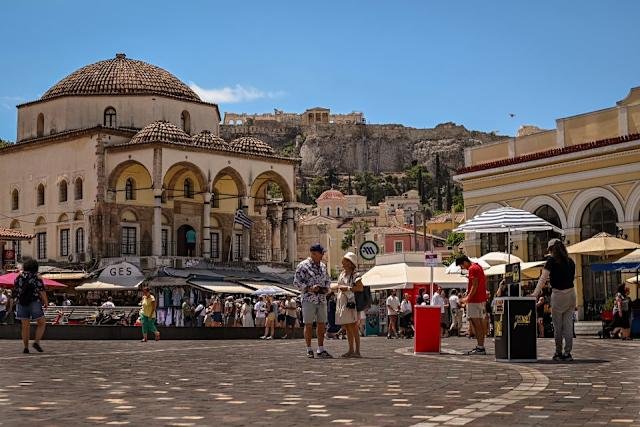
The mayor of Athens has issued a stark warning that the Greek capital risks losing its identity under the weight of mass tourism, pledging urgent action to reclaim the historic city centre for residents increasingly pushed out by rising rents and unchecked development.
Haris Doukas, who took office in 2024, says the city has reached a tipping point. With a population of around 700,000 residents and more than 8 million annual visitors, Athens is facing mounting pressure on housing, infrastructure and daily life.
Walking through districts such as Plaka, beneath the shadow of the Acropolis of Athens, the signs of overtourism are increasingly visible. Narrow streets are crowded with tour groups, while short-term rentals and hotels have expanded rapidly in recent years. Overnight stays in Plaka alone have more than doubled since 2018, reflecting a surge that has transformed the area into one of Europe’s most heavily visited urban heritage zones.

For Doukas, the consequences are clear and deeply concerning. He argues that entire neighbourhoods are being hollowed out as local residents are priced out, replaced by short-term visitors. “Athens cannot operate as if it were a giant hotel,” he said, emphasising that stronger regulation is now essential to preserve the city’s social fabric.
City officials say infrastructure is struggling to keep pace with demand. Large-scale works are underway to expand electricity networks, water supply systems, drainage and telecommunications capacity. But even with increased investment, the strain remains evident, particularly during peak tourist seasons.
Doukas has proposed a series of measures aimed at curbing what he describes as “runaway development.” Central to his plan is a push for stricter land-use controls, including a potential ban on new tourism-related businesses in already saturated areas of the historic centre. This would apply not only to hotels but also to serviced apartments and short-term rental properties.
The mayor has also suggested freezing permits for new hotel construction, echoing policies introduced in other European cities grappling with similar challenges. He argues that investors should be encouraged to develop projects in less congested parts of Athens, helping to distribute economic benefits more evenly across the city.
The debate has gained momentum with support from parts of the tourism industry itself. Leading figures within the hotel sector have acknowledged that unchecked growth could ultimately harm the city’s long-term appeal. Some have pointed to the example of Barcelona, where authorities have imposed strict limits on new hotel licences in an effort to control overtourism and protect local communities.
Athens and Barcelona are among a group of European cities collaborating on housing and urban development strategies, reflecting a broader recognition that mass tourism can create serious social and economic imbalances. Across the continent, policymakers are increasingly exploring ways to balance visitor demand with residents’ quality of life.
For Doukas, housing affordability has emerged as the most pressing issue. The rapid expansion of short-term rental platforms has reduced the availability of long-term housing, driving up rents and forcing many younger residents to leave central areas. In response, the municipality has established a social housing office aimed at identifying properties that can be renovated and returned to the residential market with support from European Union funding.
The mayor’s broader vision also includes environmental improvements and urban renewal projects. Since taking office, his administration has prioritised green initiatives, including the planting of thousands of trees across the city. Plans are also under discussion to repurpose certain urban spaces, including demolishing outdated structures to create parks, playgrounds and public areas.
This approach reflects a shift in priorities, away from purely economic growth driven by tourism toward a more balanced model of urban development. Doukas argues that Athens must remain a living city rather than becoming a destination primarily designed for visitors.

The challenge, however, lies in implementing these changes in a complex political and economic environment. Tourism remains a vital pillar of Greece’s economy, and any restrictions are likely to face resistance from businesses that rely on visitor spending. At the same time, public pressure is growing as residents demand action to address rising living costs and declining quality of life.
Urban experts note that Athens is not alone in facing these dilemmas. Cities across Europe are grappling with similar tensions as global travel rebounds and visitor numbers continue to rise. The question increasingly confronting policymakers is how to ensure that tourism remains sustainable without eroding the very character that attracts visitors in the first place.
For now, Doukas appears determined to push ahead with reforms, framing the issue as one of long-term survival rather than short-term convenience. His message is clear: Athens must adapt its development model or risk becoming a city where residents can no longer afford to live.
As the debate unfolds, the future of Athens may well serve as a test case for how historic cities worldwide navigate the growing pressures of overtourism in the 21st century.
Related News:
 Canada Passes Carney’s First Budget in Tight Parliamentary Vote
 India’s Labour Law Overhaul Sparks Fierce Debate
 Carney’s Alberta Pipeline Deal Sparks Immediate Pushback
 Mark Carney Walks Diplomatic Tightrope on China Visit
 Trump to Deploy “God Squad” Over Gulf Wildlife Protections
 Trump Slams UK Ties and Threatens To Rewrite Trade Deal
 Harry and Meghan’s Australia Visit Sparks Debate
 Canadian astronaut French words ease language row
 Reform UK funding: mystery billionaire revealed
 US Labor Department in turmoil after secretary resigns
 RAF Typhoons scrambled amid Russian drone threat near Nato
 Southeast Asia Turns to Russia Amid Energy Crisis
 Ukraine Urges UK to Seize Russian Oil Tankers
 US Calls Australia Media Law “Foreign Extortion”
 Capitalism ‘Suicidal’, Warns Petro at Climate Summit
 Oil Prices Surge Above $120 Amid Iran Blockade Fears
 Trump approval plunges amid Iran war fears
 Trump Threatens UN Budget Cuts as US Pushes ‘Trade Over Aid’ Agenda
 France Faces Record Presidential Crowded Race Amid Far-Right Surge
 Norway Doubles Down on Oil and Gas for Europe Energy Security
 US Awaits Iran Reply on New Ceasefire Proposal
 Beijing Becomes Centerstage for Global Diplomatic Ballet
 Hybrid village stores fight rural decline
 Hormuz Talks Near Critical Stage
 UK Pushes for New EU Goods Trade Deal
 Reeves Fights to Keep Treasury Role Amid Labour Turmoil
 Trump’s Revenge Drive Deepens GOP Divide
 Farage and Reform UK Reshape British Politics
 Starmer Leadership Under Pressure After Setbacks
 Europe Weighs Hormuz Navigation Fee Plan
 Ukraine Creates Long-Range Strike Command
 Le Pen’s Popularity Holds Despite Conviction
 Dreyfus Statue Finally Gets Permanent Paris Home
 Is America Ready for an AOC Presidential Run?
 Five Years of Taliban Rule Leave Afghanistan in Crisis
 Burnham unveils £65m drought aid for farmers
 Trump’s UK Ambassador Urges North Sea Drilling to Strengthen US Ties
BBC to Apologise Over Edited Trump Speech Amid Backlash
Trump’s UK Ambassador Urges North Sea Drilling to Strengthen US Ties
BBC to Apologise Over Edited Trump Speech Amid Backlash
 Britain deploys RAF specialists to assist Belgium with drone threats
 Millionaires group urge Reeves to introduce wealth tax to ‘lift kids out of poverty’
 Greene Pushes Epstein Files Amid Trump Fallout
 Trump Deploys DHS to Charlotte in Major Arrest Operation
 December Run-Off in Chile as Election Produces No Winner
 Shadow Fleet at Sea: Europe’s Battle Against Illicit Oil Shipping
 Georgians Defy Government Crackdown After Year of Protests
 Starmer Says Labour’s Economic Plan Needs Years to Deliver
 Trump Policies Boost China’s Global Rise, Survey Finds
 Trump Fed bid heads to Supreme Court
 Pentagon Signals Reduced Role in Deterring North Korea
 UK and US Drop in Global Corruption Index Rankings
 UK shelves £110m border project amid trade strain
 Canberra Poster Seizure Sparks Free Speech Row
 Evo Morales Returns After Mysterious Absence
 Jacinda Ardern Moves To Australia Following Her US Fellowships
 Jacinda Ardern Move Sparks Kiwi Reflection
 Nick Greiner Warns Over Election Review Fallout
 Injured Mojtaba Khamenei Elevated as Iran Leader
 Gordon Brown urges court for crimes against children
 Oil Prices Jump After Trump Claims Iran Oil Hub Destroyed
 Pakistan Targets Militant Hideouts in Afghanistan
 Rising Costs Force Families to Rethink Days Out
 Air Canada CEO Faces Outcry Over Recent Language Misstep
 M&S Demands Urgent Action on Rising Violent Retail Crime
 Relationship with Trump may be beyond repair, Starmer warned
 Trump Brokers Landmark Lebanon Ceasefire Amid Regional Hopes
 $13bn World Cup Set to Break All Revenue Records
 Ohio’s Battle for Trust: Democrats Vying to Flip the Buckeye State
 Tough Fiscal Realities Await Next Scottish Government
 China Fireworks Factory Blast Kills 21 in Hunan
 US ‘Narco Boat’ Strikes Draw Global Outcry
 Afghan Families Left in Limbo Face Risk of Deportation
 High Street Crisis: Fears Grow Over Post Office Closures
 Oil Markets Face ‘Red Zone’ Threat Amid Iran Crisis
 Pope Meets Families in Italy Toxic Waste Zone
 Albanese Defends Tax Reforms Amid Emotional Speech
 Discontent grows around Putin amid war strain
 UK Economy Suffers a Sharp Downturn as Iran Conflict Bites
 Trump’s Mount Rushmore Speech: A Divisive Anniversary
 Le Pen to Run for President Despite Embezzlement Conviction
 Houthis Strike Saudi Arabia as Middle East Tensions Rise