Published: 30 April 2026. The English Chronicle Desk. The English Chronicle Online
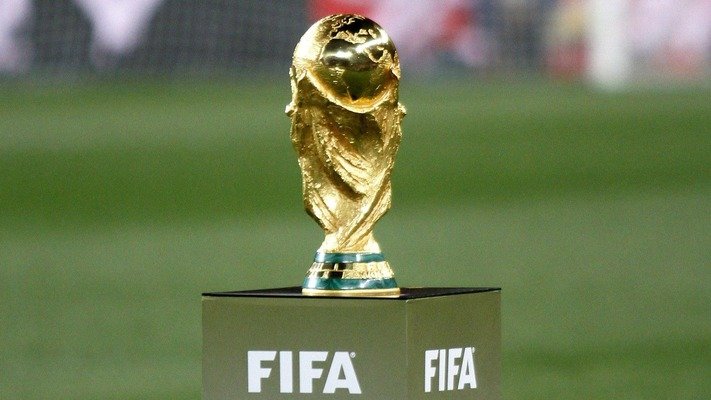
The 2026 FIFA World Cup, set to be hosted across the United States, Canada and Mexico, is poised to become the most lucrative sporting event in history, with projected revenues reaching an unprecedented $13bn. Under the leadership of Gianni Infantino, football’s global governing body has transformed the tournament into a commercial powerhouse, redefining the financial scale of international sport while raising fresh questions about distribution, accessibility and economic impact.
FIFA’s latest financial projections indicate that nearly $9bn of the total revenue will be generated in 2026 alone, marking a dramatic leap from previous cycles. By comparison, the Paris 2024 Olympics generated approximately $5.24bn, highlighting how the World Cup has overtaken the Olympics as the dominant financial force in global sport. This shift represents a significant milestone, considering that as recently as 2010 the Olympics still outperformed football’s flagship tournament in revenue terms.

A major driver behind this surge is FIFA’s decision to expand the tournament from 32 to 48 teams, increasing the number of matches from 64 to 104. This expansion has created more broadcast inventory, allowing FIFA to negotiate higher-value television deals across multiple markets. Broadcast rights remain the single largest source of income, with projected revenues exceeding $3.4bn, reflecting strong demand from global networks eager to secure coverage of football’s biggest event.
The choice of North America as the host region has also played a decisive role in boosting revenue. The commercial strength of the United States, in particular, has enabled FIFA to command higher sponsorship fees, premium ticket pricing and enhanced hospitality packages. Major global brands, including Coca-Cola and Adidas, have committed to partnerships, contributing to a record $2.7bn in sponsorship revenue, alongside an additional $670m from licensing agreements.
Ticket sales and hospitality are expected to generate around $3bn, representing a significant increase from the $950m earned during the 2022 tournament in Qatar. However, this growth has not come without controversy. Critics have pointed to steep ticket prices, with reports suggesting that attending the tournament from group stage to final could cost fans thousands of dollars. For the final, scheduled at MetLife Stadium, ticket prices are expected to reach as high as $10,990 for premium seats, raising concerns about accessibility for ordinary supporters.
Demand, however, appears to remain exceptionally strong. FIFA has reported receiving hundreds of millions of ticket applications for the limited number of available seats, reflecting the enduring global appeal of the tournament. Infantino has defended the pricing model, noting that dynamic pricing reflects market demand and ensures that the event remains financially viable at its expanded scale.
Beyond traditional revenue streams, FIFA has introduced new commercial strategies aimed at engaging younger audiences and maximising digital reach. These include selling partial streaming rights for matches on platforms such as YouTube and TikTok, a move designed to attract digital-native viewers while complementing conventional broadcast coverage. Industry experts have described these innovations as a significant evolution in sports media strategy.
Despite the headline revenue figures, questions remain about how the financial benefits are distributed. FIFA has pledged to reinvest approximately $11.67bn into global football development, including direct funding for its 211 member associations and six continental confederations. While this commitment represents a 20% increase from the previous cycle, critics argue that the allocation process lacks transparency and may reinforce existing power structures within the organisation.
The cost of staging the tournament is also substantial, with FIFA budgeting around $3.8bn for operational expenses, including logistics, infrastructure support and prize money. The prize fund itself has been increased significantly, with total payouts rising to approximately $871m, ensuring that all participating teams receive a minimum financial reward. However, several national associations have expressed concerns that rising operational costs, including travel and accommodation, could offset these gains.
Taxation has emerged as another contentious issue, particularly in the United States. While FIFA itself benefits from tax exemptions, national federations and players may still face federal and local tax obligations, depending on their jurisdiction. This uneven financial landscape has led to concerns that some teams could incur losses despite participating in the tournament, especially those from smaller footballing nations with limited resources.
Tensions have also surfaced between FIFA and host cities, particularly regarding the distribution of financial responsibilities. While FIFA retains revenue from broadcasting, sponsorship and ticketing, local authorities are required to cover costs related to security, infrastructure and public services. In several cities, disputes have arisen over funding arrangements, with some officials expressing concern about the burden placed on taxpayers.
For example, transportation costs and event logistics have become flashpoints in negotiations, with local governments seeking greater financial support from FIFA. In some cases, cities have scaled back or cancelled planned fan events due to rising expenses, highlighting the challenges of hosting a tournament of such magnitude.

Meanwhile, the financial success of the World Cup has also drawn attention to FIFA’s internal structure and leadership. Infantino, who has overseen significant commercial growth since taking office in 2016, is expected to continue as president, with his tenure likely to extend into the next decade. His leadership has been credited with expanding FIFA’s revenue base, although critics argue that commercial priorities have increasingly overshadowed sporting considerations.
The 2026 World Cup thus represents both a triumph of commercial strategy and a complex case study in global sports economics. While the tournament promises record-breaking revenues and unprecedented global engagement, it also raises fundamental questions about fairness, accessibility and the true beneficiaries of football’s financial boom.
As the world prepares for what has been billed as the “greatest event” in sporting history, the numbers behind the spectacle reveal a competition that is not only expanding on the pitch but also reshaping the financial landscape of global sport.
Related News:
 Global markets face turmoil as Hormuz crisis deepens
 UniCredit’s Bold Move to Reshape European Banking
 UK Wage Growth Slows as Jobs Market Holds Firm
 Infantino’s Grip Tightens as FIFA Eyes a $14bn Future in Vancouver
 Reeves Fights to Keep Treasury Role Amid Labour Turmoil
 UPS Cargo Plane Crash in Kentucky Kills Seven
 Tension and Turmoil at Aston Villa v Maccabi Match
 Lando Norris Dominates Brazil GP to Strengthen F1 Title Bid
 Ronaldo Confirms Final World Cup and Plans Retirement
 Irish Hero Parrott Says Goal Brought First Tears in Years
 Canada Passes Carney’s First Budget in Tight Parliamentary Vote
 Nigeria Misses World Cup Again After Play-Off Loss
 Tiny Curacao Makes History as Smallest Nation to Reach World Cup
 Haiti Qualifies for World Cup Despite Coach Never Visiting Country
 Barcelona Returns to Camp Nou vs Athletic Bilbao
 Mbappe Scores 4 as Real Madrid Edge Olympiakos
 Man City Lose, Champions League Risk
 India’s Labour Law Overhaul Sparks Fierce Debate
 Mark Carney Walks Diplomatic Tightrope on China Visit
 Wall Street shaken by Trump tariff shock as markets tumble
 ‘Black Tax’: Burden, Pride and Survival for African Workers
 UK New Car Discounts Near £6,000 as Prices Are Slashed
 Trump Tower Gold Coast to Redefine Skyline
 Rory Amon Trial: Alleged Victim Speaks in Court
 Gulf shipping crisis as war risk cover pulled
 Oil Prices Surge Above $100 Amid Iran War
 India T20 World Cup Triumph Seals Historic Title Defence
 Abramovich Chelsea Sale Cash Faces Jersey Probe
 The Truth Behind Rising Energy Costs and Fossil Fuel Myths
 Iranian Captain Departs Australia Amid Asylum Tension
 RBA rate hike sparks fears amid global crisis
 Oil Slides, Stocks Jump on Trump Peace Signals
 Australian Growth Slows as Global Inflation Spike Looms
 Trump to Deploy “God Squad” Over Gulf Wildlife Protections
 Trump Threatens Iran With Total Infrastructure Destruction
 Iran Drone Strike Hits Kuwaiti Oil Tanker in Dubai Port
 Can Congress Stop US Sports Teams From Moving Cities?
 US Senators Slam Ticketmaster Over Sneaky New Fee Hikes
 Apple at 50: Three Products That Changed How We Live
 City Firms See Sharpest Fortune Reversal in Thirty Years
 Student Loan Interest May Rise Despite 6% Cap
 IMF Warns Iran War Could Spark Deep Global Recession
 Trump Slams UK Ties and Threatens To Rewrite Trade Deal
 Arise Capital Partners Seek Early Relief for Wednesday
 Southeast Asia Turns to Russia Amid Energy Crisis
 Ukraine Urges UK to Seize Russian Oil Tankers
 US Calls Australia Media Law “Foreign Extortion”
 Albanese Rejects Gas Export Tax Push
 Capitalism ‘Suicidal’, Warns Petro at Climate Summit
 Oil Prices Surge Above $120 Amid Iran Blockade Fears
 Disney+ Wins Champions League Rights in Key Markets
 US to Escort Trapped Ships Through the Strait of Hormuz
 Trump approval plunges amid Iran war fears
 Premier League drama defines crucial weekend
 Trump Threatens UN Budget Cuts as US Pushes ‘Trade Over Aid’ Agenda
 Miami Upgrades Shake Up F1 Title Fight
 FIFA Confirms Global Ban for Benfica Star Prestianni
 Norway Doubles Down on Oil and Gas for Europe Energy Security
 US Awaits Iran Reply on New Ceasefire Proposal
 Fifa’s Global TV Crisis: A Billion Fans Left in the Dark
 High Street Crisis: Fears Grow Over Post Office Closures
 Chasing Glory: The Quest for a New World Cup Champion
 Oil Markets Face ‘Red Zone’ Threat Amid Iran Crisis
 Tuchel Boldly Reshapes England Squad for World Cup Glory
 Hormuz Talks Near Critical Stage
 UK Pushes for New EU Goods Trade Deal
 UK rejects EV charging VAT cut amid Treasury clash
 Nationwide Faces Governance Scrutiny Ahead of AGM
 Hungary Targets Oligarchs with Proposed Landmark Wealth Tax
 Knicks Clinch Historic Comeback in Thrilling NBA Finals
 UK Economy Suffers a Sharp Downturn as Iran Conflict Bites
 Mexico World Cup Joy Turns to Tragedy as Two Die in Crowds
 Ukraine Creates Long-Range Strike Command
 Bryne Backs Haaland Before England World Cup Clash
 Weight-Loss Drugs Transform Fashion Shopping Habits
 Labour MPs Urge Burnham to Revive UK Aid Target
 Trump Refuses to Sign Housing Bill, But Law Takes Effect
 EasyJet Takeover Sparks Fears Over Passengers’ Future
 Lamine Yamal’s Birthday: Football, Fame, and France
 Weight-Loss Drugs Offer Food Savings Mainly to High Earners