Published: 29 April 2026. The English Chronicle Desk. The English Chronicle Online
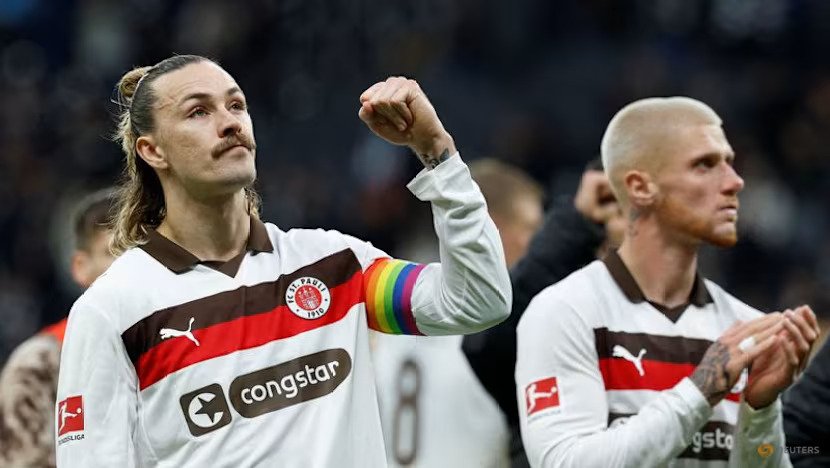
Australia international Jackson Irvine has launched a scathing critique of world football’s governing body after its decision to award a controversial peace prize to Donald Trump, warning that the move risks undermining the credibility of the sport on the global stage.
The midfielder, who captains German club FC St. Pauli and is expected to feature in his third World Cup for the Socceroos, described the decision by FIFA as a “mockery” of its stated commitment to human rights and social responsibility. His comments come at a sensitive moment for the sport, as preparations intensify for the 2026 FIFA World Cup, co-hosted by the United States, Canada and Mexico.
Speaking publicly, Irvine argued that awarding such recognition contradicts football’s long-standing ambition to act as a force for unity and positive change. He suggested that decisions of this nature risk widening the growing disconnect between the sport’s leadership and its grassroots community.

“As an organisation, you would have to say decisions like this make a mockery of what they are trying to do,” Irvine said, referring to FIFA’s human rights charter and its efforts to position football as a platform for global good.
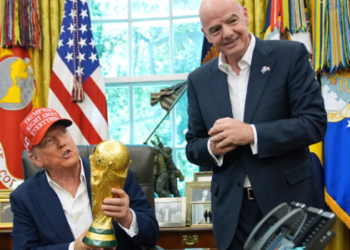
The award, presented earlier this year during a high-profile event, was defended by FIFA president Gianni Infantino, who credited Trump’s diplomatic efforts in brokering a ceasefire in the Middle East. Infantino described the decision as “objective,” insisting the former US president’s actions justified the recognition.
However, Irvine’s remarks highlight a growing unease among players and fans alike about the intersection of politics and sport. The build-up to the 2026 tournament has already been overshadowed by concerns over rising ticket prices, logistical challenges and geopolitical tensions, particularly in relation to conflicts involving Iran and other regions.
For Irvine, the issue goes beyond a single award. He warned that such decisions could erode public trust in football’s governing institutions, particularly at a time when the sport is striving to demonstrate its relevance in addressing global challenges.
“Decisions like this set us back,” he said, adding that they reinforce perceptions that elite football is becoming increasingly detached from the communities it represents.
A vocal advocate for social issues, Irvine has previously used his platform to highlight concerns around human rights. During the 2022 FIFA World Cup, he joined fellow Australian players in raising awareness about the treatment of migrant workers and restrictions on LGBTQ+ rights in host nation Qatar.
This time, his concerns extend to the United States, where the upcoming tournament will be primarily staged. Irvine pointed to what he described as a growing rollback of rights affecting LGBTQ+ communities, urging football authorities and players to show visible support.
“It’s not just an issue in one region,” he said. “We’re seeing challenges to these rights in many parts of the world, including the US.”
The debate also touches on whether players will be permitted to express social or political messages during matches, such as wearing armbands in support of various causes. FIFA has yet to clarify its stance on such expressions for the 2026 tournament, leaving players uncertain about how far they can go in using their platform.

Irvine acknowledged the increasingly polarised environment surrounding such issues, noting that while some fans welcome players speaking out, others strongly oppose the blending of sport and politics. Despite this, he maintained that footballers have a responsibility to engage with issues that affect communities worldwide.
His comments have added fresh momentum to an ongoing conversation about the role of sport in society. As football continues to expand its global reach, the expectations placed on governing bodies and athletes alike are evolving, with greater scrutiny on decisions that carry political or ethical implications.
With the World Cup approaching, Irvine’s intervention underscores the challenges facing FIFA as it seeks to balance commercial interests, political realities and its stated mission of promoting unity through sport. Whether the governing body will respond to such criticism remains to be seen, but the debate is unlikely to fade anytime soon.
Related News:
 Tension and Turmoil at Aston Villa v Maccabi Match
 Lando Norris Dominates Brazil GP to Strengthen F1 Title Bid
 Ronaldo Confirms Final World Cup and Plans Retirement
 England Maintain Perfect World Cup Qualifying Record with Win Over Serbia
 Osimhen doubles as Nigeria reach CAF World Cup final
 Tears of Joy as Ireland Stun Hungary to Stay in World Cup Race
 Haaland Heroics and Portuguese Rampage Seal World Cup Qualification
 Irish Hero Parrott Says Goal Brought First Tears in Years
 Scotland Fans Reflect on France ’98 as World Cup Looms
 Nigeria Misses World Cup Again After Play-Off Loss
 Mark Wood Bowls Rapid Nets Spell, Ashes Test Hopes Rise
 Cardiff Nights Could Propel Wales to World Cup Glory
 Spain Qualify for 2026 World Cup After Dramatic Draw
 Scotland End 28-Year Wait With Stunning World Cup Qualification
 Cristiano Ronaldo Joins Trump, Bin Salman at State Dinner
 Tiny Curacao Makes History as Smallest Nation to Reach World Cup
 Haiti Qualifies for World Cup Despite Coach Never Visiting Country
 Scotland Fans Celebrate Historic World Cup Qualification
 Barcelona Returns to Camp Nou vs Athletic Bilbao
 India, Pakistan to Clash in T20 World Cup 2026 Group Match
 Mbappe Scores 4 as Real Madrid Edge Olympiakos
 Man City Lose, Champions League Risk
 Trump to attend 2026 FIFA World Cup draw in Washington
 2026 World Cup Draw Explained Ahead of Ceremony
 Hilary Knight speaks out on Trump’s recent hockey remarks
 Brady Tkachuk Denies AI Video Claims After Olympic Gold
 India T20 World Cup Triumph Seals Historic Title Defence
 Iranian Captain Departs Australia Amid Asylum Tension
 Iran World Cup Move Talks Raise Global Concerns
 Jos Buttler Searches for Form as the IPL Returns
 Peretz Targets FA Cup Upset Amid War Concerns
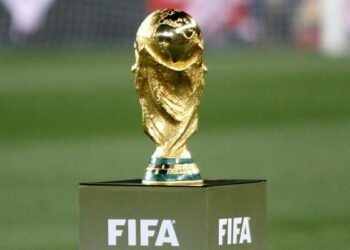 $13bn World Cup Set to Break All Revenue Records
 Premier League drama defines crucial weekend
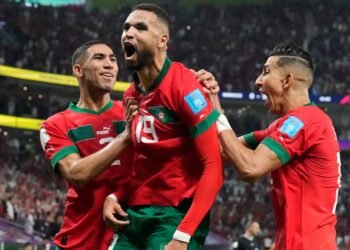 Infantino’s Grip Tightens as FIFA Eyes a $14bn Future in Vancouver
 RFU Backs Borthwick Despite England’s Poor Six Nations
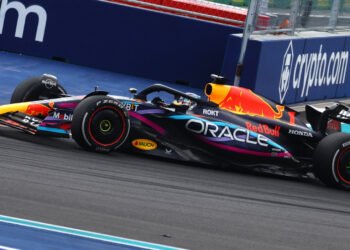 Miami Upgrades Shake Up F1 Title Fight
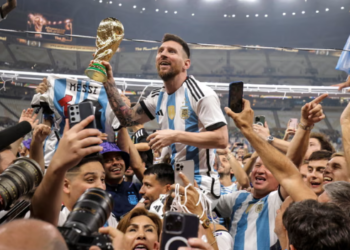 Infantino Defends Soaring World Cup 2026 Ticket Costs
 FIFA Confirms Global Ban for Benfica Star Prestianni
Chasing Glory: The Quest for a New World Cup Champion
FIFA Confirms Global Ban for Benfica Star Prestianni
Chasing Glory: The Quest for a New World Cup Champion
 Tuchel Boldly Reshapes England Squad for World Cup Glory
 Drama in New Zealand as Surf Final Halted by Marine Attack
 Knicks Clinch Historic Comeback in Thrilling NBA Finals
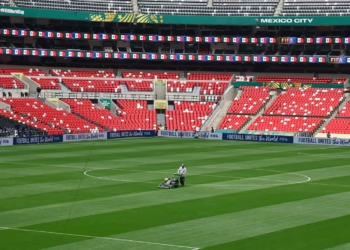 Football Hopes to Outshine World Cup Drama in Mexico
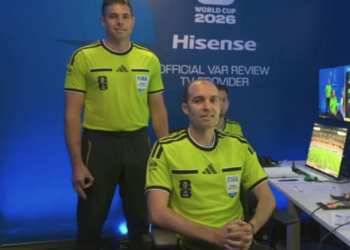 Fifa Official Under Investigation Over Hand Gesture Controversy
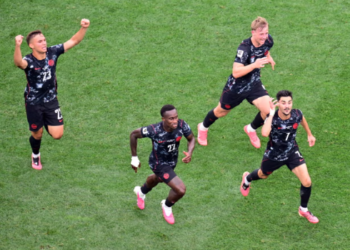 Canada Secure Historic Last 16 Spot with Late Goal
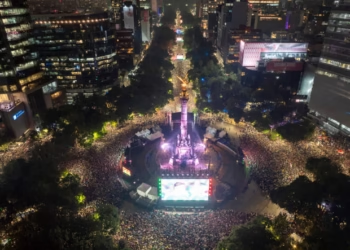 Mexico World Cup Joy Turns to Tragedy as Two Die in Crowds
 Bryne Backs Haaland Before England World Cup Clash
 England and Norway Fans Turn Miami Into World Cup Carnival
 Lamine Yamal’s Birthday: Football, Fame, and France
 Chaos at Ibrox as Martin’s Rangers Era Comes to an End
 BBC to Apologise Over Edited Trump Speech Amid Backlash
 Saka Solidifies Role as Tuchel’s Key England Lieutenant
 Greene Pushes Epstein Files Amid Trump Fallout
 Zelenskyy Signs Fighter Jet Deal Amid Russian Drone Attacks
 Shadow Fleet at Sea: Europe’s Battle Against Illicit Oil Shipping
 US Suspends Afghan Immigration After White House Shooting
 ‘Extinct’ Antelope Returns to Sahara, Bringing Hope
 Aston Villa Remain Arsenal’s Key Obstacle in Title Pursuit
 Irish Beach Tragedy: Irish Drown at Whitehaven Beach in Australia
 Ben Stokes injury joke after brutal ball strike
 UK and US Drop in Global Corruption Index Rankings
 Canberra Poster Seizure Sparks Free Speech Row
 BBC World Cup Presenting Duties Shared Among Trio
 English Cricket Faces Moral Crisis Over Indian Investment
 Jacinda Ardern Move Sparks Kiwi Reflection
 Middle East Airspace Crisis Strands Thousands
 Kelly Wilkinson Inquest Reveals Bail Failure
 Injured Mojtaba Khamenei Elevated as Iran Leader
 The Kill Line: A Shifting Vision of the American Dream
 Air Canada CEO Faces Outcry Over Recent Language Misstep
 Ben Roberts-Smith Denies War Crime Allegations in First Statement
 Ashley Cole: Finding His Voice and Vision in Italy
 Scepticism and tight security as Beijing braces for Trump
 Tensions Flare as Israeli Nationalists March in Jerusalem
 The Battle for Wembley Sparking Unprecedented Legal Warfare
 Pope Meets Families in Italy Toxic Waste Zone
 Is Ollie Robinson the Chaos English Cricket Needs Today?
 US Advance Past Bosnia in World Cup Thriller
 Trump’s Red-Card Intervention Hurts the US World Cup
 Houthis Strike Saudi Arabia as Middle East Tensions Rise