Published: 04 May 2026.The English Chronicle Desk. The English Chronicle Online.
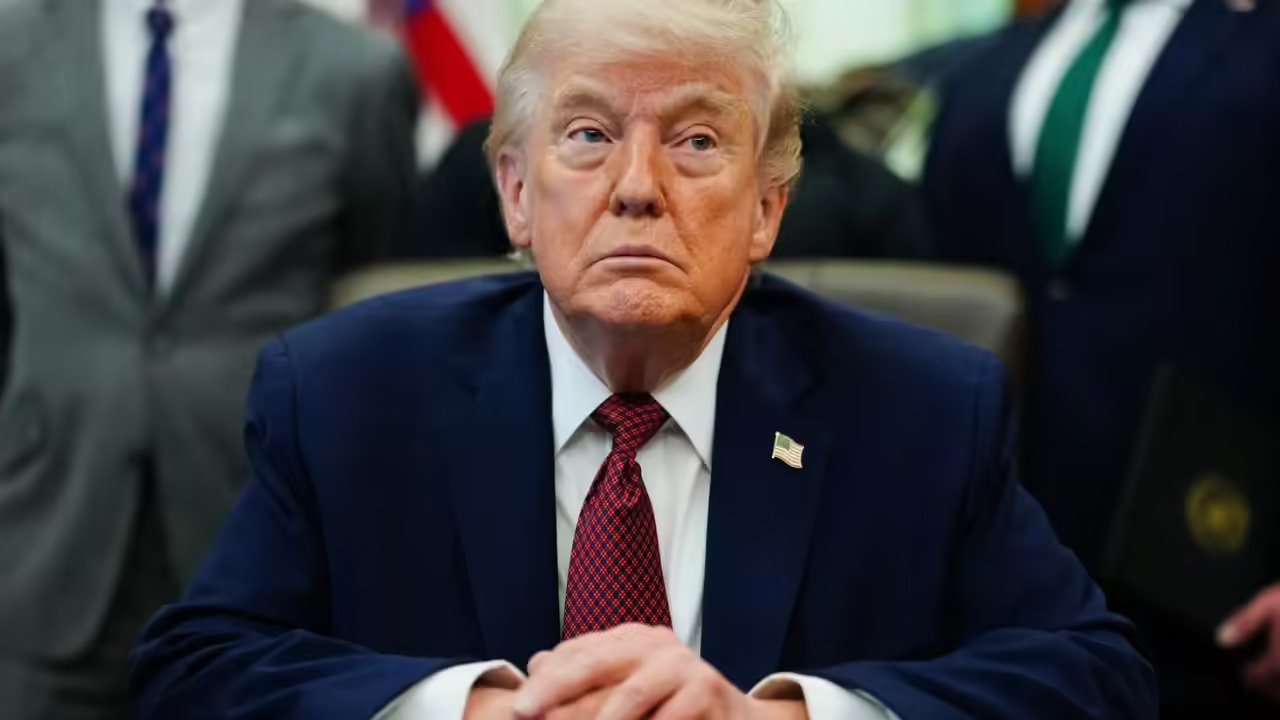
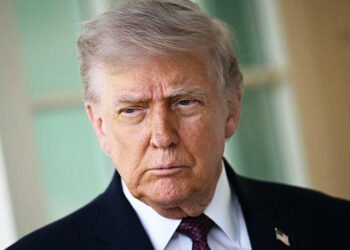
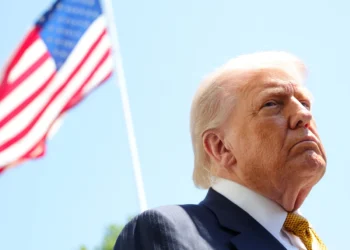
Public confidence in the leadership of Donald Trump has fallen to its lowest point, with a new national poll showing that more than six in ten Americans disapprove of his performance. The figures mark the weakest approval rating across both of his presidential terms and come at a politically sensitive moment, just months before the United States heads into midterm elections.
The poll, conducted by The Washington Post in partnership with ABC News and Ipsos, places Trump’s disapproval rating at 62%. While political divisions in the country are nothing new, the scale of dissatisfaction reflected in this survey highlights growing frustration across a wide range of issues. Most notably, economic concerns have emerged as the administration’s greatest vulnerability, with a significant majority of Americans expressing dissatisfaction with how the president has handled the rising cost of living.
Inflation, high fuel prices, and broader economic uncertainty have placed increasing pressure on households across the country. According to the survey, 76% of respondents disapprove of Trump’s management of living costs, making it his weakest-performing policy area. These concerns have been intensified by global disruptions linked to the ongoing conflict with Iran, which has sent shockwaves through energy markets and contributed to a sharp increase in oil prices.

The war with Iran, launched earlier this year, has become a defining issue for the administration. What began as a strategic military move has evolved into a prolonged geopolitical crisis with significant economic consequences. Fuel prices in the United States have surged to their highest levels in four years, adding to the financial strain on consumers and businesses alike. Critics argue that the administration failed to fully anticipate the economic fallout of the conflict, while supporters maintain that the policy is necessary to protect national interests and regional stability.
Public opinion on the war itself reflects deep skepticism. The poll shows that 66% of Americans disapprove of Trump’s handling of the conflict, compared to just 32% who approve. This imbalance underscores broader concerns about the direction of U.S. foreign policy and its impact on both global stability and domestic well-being. Indeed, nearly two-thirds of Americans now believe the country is on the wrong track, a sentiment that could have serious political implications in the months ahead.
Amid mounting criticism, Trump has sought to demonstrate leadership on the international stage. On Sunday, he announced that the United States would take steps to assist ships stranded in the Strait of Hormuz, a key global shipping route that has been severely affected by the conflict. More than 850 vessels are reportedly stuck in the region due to heightened security risks and disruptions to maritime traffic.
The president described the planned intervention as a “humanitarian gesture” aimed at helping neutral countries navigate the الأزمة. However, details of the initiative remain limited. U.S. officials have indicated that the operation is unlikely to involve direct military escorts by American naval forces. Instead, it may focus on coordinating shipping movements to reduce congestion and improve safety in the strategically vital waterway. While the announcement is intended to reassure global markets, questions remain about how effective the plan will be in practice.
Diplomatic efforts are also underway as the administration works to manage strained relationships with key international partners. Marco Rubio is expected to travel to Rome later this week in an effort to improve ties with the Italian government and the Vatican. The visit is seen as part of a broader strategy to stabilize diplomatic relations at a time when global tensions are running high.
Back home, concerns about national security leadership have added another layer of complexity. Recent decisions by Defense Secretary Pete Hegseth to remove several senior military officials have sparked criticism and concern among defense experts. Some analysts have described the move as a “purge,” warning that it could weaken the military’s institutional stability during a period of active conflict.
A retired army major-general compared the situation to historical examples where leadership shake-ups undermined military effectiveness, cautioning that such actions could have long-term consequences for operational readiness. While the administration has defended the changes as necessary reforms, the controversy has fueled broader concerns about decision-making at the highest levels of government.
Security tensions were further heightened by reports of an alleged assassination attempt targeting the president. According to U.S. Attorney Jeanine Pirro, there is evidence that a federal agent was shot during the incident, which reportedly occurred at the White House Correspondents’ Association dinner. The investigation is ongoing, but the घटना has underscored the increasingly volatile political climate in the United States.

The administration is also facing criticism over issues related to democratic governance and public trust. Election officials have raised concerns about efforts to collect extensive personal data from citizens, warning that such measures could be used to influence voter participation. At the same time, a recent report has accused senior health officials, including Robert F. Kennedy Jr., of spreading misinformation, contributing to what experts describe as a growing crisis of public confidence in public institutions.
Legal controversies continue to draw attention as well. Acting Attorney General Todd Blanche has defended new criminal charges against former FBI Director James Comey, insisting that the case is based on substantial evidence. The move has sparked debate over the independence of the justice system and the broader implications for the rule of law.
Taken together, these developments present a challenging picture for the Trump administration. From economic pressures and international conflict to domestic political tensions and institutional concerns, the president faces a complex set of issues that will likely shape the outcome of the upcoming midterm elections.
For now, the polling data offers a clear signal of public sentiment. With approval ratings at historic lows and dissatisfaction spanning multiple areas of governance, the administration stands at a critical crossroads. Whether it can regain public trust in the months ahead remains uncertain, but the stakes for both the president and the country are undeniably high.
Related News:
 Trump Threatens UN Budget Cuts as US Pushes ‘Trade Over Aid’ Agenda
 US Awaits Iran Reply on New Ceasefire Proposal
 Hormuz Talks Near Critical Stage
 Canada Passes Carney’s First Budget in Tight Parliamentary Vote
 Putin Intensifies Territorial Demands Before US Talks
 India’s Labour Law Overhaul Sparks Fierce Debate
 Trump to Recheck Green Cards from 19 Nations After DC Attack
 Carney’s Alberta Pipeline Deal Sparks Immediate Pushback
 Trump Escalates Minnesota Immigration Surge Amid Rising Tensions
 Greenland Faces Pivotal Summit Over Arctic Power Struggle
 Mark Carney Walks Diplomatic Tightrope on China Visit
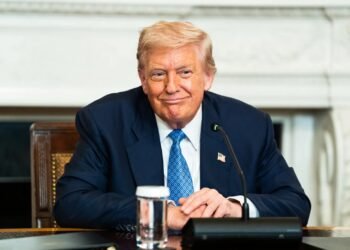 Trump Threatens Strong Action If Iran Executes Protesters
 Government Unveils Northern Powerhouse Rail Plans
 Trump Receives Machado’s Nobel Medal in White House Meeting
 Trump Fed bid heads to Supreme Court
 EU Says US Ties Have Suffered ‘Big Blow’ After Greenland Crisis
 Thousands Protest ICE Operations in Nationwide US Day of Action
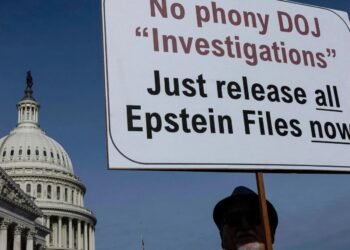 Epstein Files Reveal Trump Officials’ Emails with Financier
 Thousands Protest ICE in New York Against Trump Deportation Campaign
 Trump Praises ‘Terrific’ Petro After White House Talks
 Sanders Condemns Billionaire ‘Greed’ in California Tax Debate
 Clinton Testimony Erupts in Fiery Exchange
 Trump Faces Questions Over Iran Conflict Plan
 UK Prepares Aircraft Carrier for Middle East Crisis
 Pete Hegseth Iran War Remarks Spark Alarm
 Trump to Deploy “God Squad” Over Gulf Wildlife Protections
 Can Congress Stop US Sports Teams From Moving Cities?
 Trump’s Harsh Rhetoric on Iran Sparks Global Alarm
 Trump Slams UK Ties and Threatens To Rewrite Trade Deal
 Iron Worker Challenges Trump Loyalist in Ohio
 Trump Faces Crisis as Iran Reopens Hormuz Tensions
 Charles Faces Trump Test in High-Stakes US Visit
 Athens Mayor Moves to Tackle Overtourism Crisis
 UK Stands Firm on Falklands Amid US Rift
 US Labor Department in turmoil after secretary resigns
 Southeast Asia Turns to Russia Amid Energy Crisis
 US Calls Australia Media Law “Foreign Extortion”
 Capitalism ‘Suicidal’, Warns Petro at Climate Summit
 Oil Prices Surge Above $120 Amid Iran Blockade Fears
 US Court Ruling Reshapes Voting Rights Landscape
 US states redraw maps after voting rights ruling
 Trump orders US troop pullout from Germany
 Judge halts deportation of Yemeni refugees in US
 Trump likens US Navy actions to ‘pirates’
 Giuliani hospitalised in critical condition
 Ohio’s Battle for Trust: Democrats Vying to Flip the Buckeye State
 Trump warns Iran as Middle East tensions surge again
 US ‘Narco Boat’ Strikes Draw Global Outcry
 Indiana Republicans Defy Trump in Key Vote Test
 US Court Restores Abortion Pill Access Temporarily
 Ohio Primaries Set Stage for Crucial Midterms
 Afghan Families Left in Limbo Face Risk of Deportation
 Tensions Emerge in Netanyahu-Trump Alliance
 Norway Doubles Down on Oil and Gas for Europe Energy Security
 Trump: Preventing Nuclear Iran Is ‘The Only Thing That Matters’
 Beijing Becomes Centerstage for Global Diplomatic Ballet
 Kevin Warsh sworn in as Fed chair amid economic backlash
 UK Pushes for New EU Goods Trade Deal
 Reeves Fights to Keep Treasury Role Amid Labour Turmoil
 Trump’s Revenge Drive Deepens GOP Divide
 Former ICC prosecutor condemns US sanctions
 Gunman Killed After White House Security Shootout
 Trump Claims Iran Peace Deal Near Completion
 US Midterm Primaries: Democrats Target Key Republican Seats
 House Curbs Trump’s War Powers in Rare Rebellion
 Europe Weighs Hormuz Navigation Fee Plan
 Ukraine Creates Long-Range Strike Command
 Mystery Grows Over Mitch McConnell’s Health
 Trump Refuses to Sign Housing Bill, But Law Takes Effect
 Senate Halts Defense Bill Over Iran Clashes
 Trump Jokes, Jabs and Press Tensions at WHCA Dinner
 Houthis Strike Saudi Arabia as Middle East Tensions Rise
 Is America Ready for an AOC Presidential Run?
 Trump dismisses concerns over 250-day carrier deployment
 Trump’s UK Ambassador Urges North Sea Drilling to Strengthen US Ties
BBC to Apologise Over Edited Trump Speech Amid Backlash
Trump’s UK Ambassador Urges North Sea Drilling to Strengthen US Ties
BBC to Apologise Over Edited Trump Speech Amid Backlash
 Millionaires group urge Reeves to introduce wealth tax to ‘lift kids out of poverty’
 Investigation Into Anti-Trump Motives After Gala Shooting
 Silent Tracks: Rail Line Without Passengers
 Tough Fiscal Realities Await Next Scottish Government