Published: 31 October 2026. The English Chronicle Desk. The English Chronicle Online
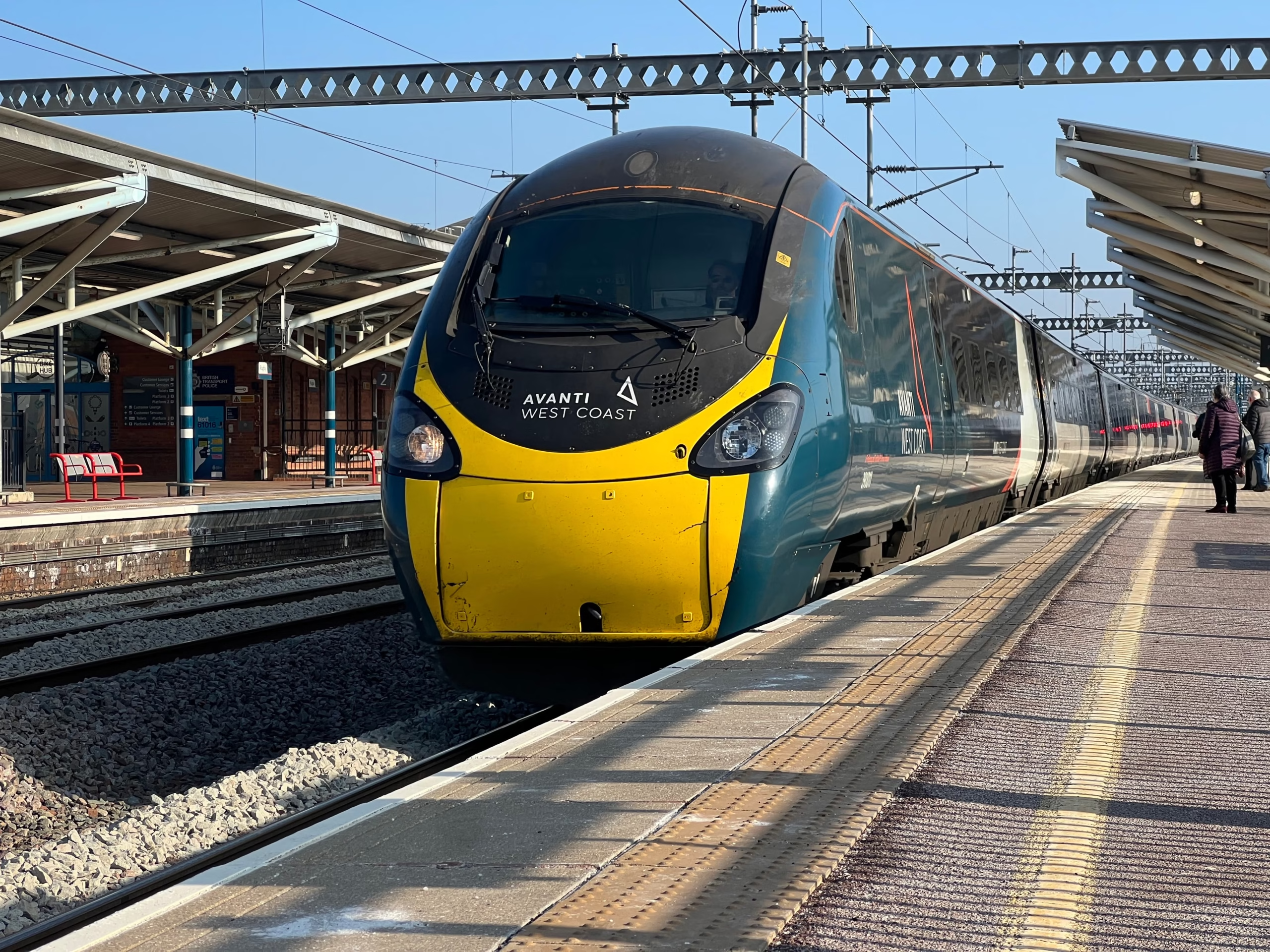
Avanti West Coast has paid more than £20 million in passenger compensation over a three-month period this summer, highlighting the growing financial cost of disruption across Britain’s railway network. The intercity operator’s compensation bill is now expected to exceed £70 million during the current financial year as delays, cancellations and rising passenger claims continue to put pressure on rail services.
The scale of the payments is particularly striking because Avanti paid £9.3 million in compensation during the four weeks to 25 July alone. That amount was close to the company’s annual profits in each of the previous two financial years. A further £12.2 million was paid to passengers during the following eight weeks, taking the total for the three-month period beyond £20 million.
The payments are made through the railway’s “Delay Repay” system, under which passengers can claim compensation when their journeys are significantly disrupted. The scheme has become an increasingly important feature of Britain’s rail network as operators face persistent problems with punctuality and reliability.
Official figures show that passenger compensation has been rising across the railway in recent years. In the 2024-25 financial year, total compensation paid by train operators reached approximately £150 million, an increase of 8% from the previous year. Avanti accounted for around £40.5 million of that amount, making it the largest individual payer among Britain’s train operators.

However, the company’s latest payments indicate that compensation costs have increased considerably since then. Avanti paid more than £50 million in the 2025-26 financial year and is expected to exceed £70 million in the current financial year. The increase comes at a time when the operator is already preparing for a major change in its future, with Avanti expected to move into public ownership next year under the government’s wider railway reforms.
The compensation surge is closely linked to the difficult operating conditions experienced across Britain’s railways. During July, fewer than half of Avanti’s trains were recorded as running on time, while passengers experienced average delays of around 19 minutes. Extreme summer temperatures created additional difficulties for railway infrastructure, including problems involving tracks, points and train cooling systems.
The period also included several unusual incidents that caused disruption. Among them was an incident involving a large herd of cows entering railway tracks on the West Coast Main Line, forcing services to be disrupted for several hours. Such incidents add to a wider range of problems affecting train performance, including infrastructure failures, trespassing, problems caused by other operators and severe weather.
Avanti has argued that it is not responsible for most of the delays experienced by its passengers. The company said that between May and August it was directly responsible for only 23% of delays affecting its services. Network Rail, other train operators and external incidents were responsible for much of the remaining disruption.
The distinction is important because passengers generally care about the impact of a delay rather than which organisation caused it. When a train arrives late, is cancelled or leaves passengers stranded for extended periods, the operator selling the service often becomes the most visible point of contact for customers seeking compensation.
Avanti said it was working with other organisations across the railway industry to improve punctuality and reliability. The company also said it wanted to make the compensation process as simple as possible and had introduced automatic Delay Repay payments for eligible journeys delayed by 15 minutes or more.
That threshold is relatively generous compared with some other long-distance operators. Avanti and Great Western Railway provide compensation for delays beginning at 15 minutes, with passengers generally entitled to receive 25% of the fare paid. Longer delays can lead to significantly larger repayments, while cancellations and very long disruptions can result in substantial refunds.
Long-distance operators tend to face larger compensation bills because their passengers often pay higher fares and are more likely to experience journeys where delays cross the threshold for compensation. The financial impact can therefore be considerable even when the number of affected journeys represents only a fraction of total passenger travel.
Great Western Railway was the second-largest payer among major long-distance operators in 2025, returning £29.7 million to customers. London North Eastern Railway, which operates services between London and destinations in Scotland along the East Coast Main Line, paid £28 million despite having a higher compensation threshold of 30 minutes.
GWR has also reported that its compensation payments have been affected by extreme summer weather. The company said repeated heatwaves contributed to problems involving railway infrastructure and rolling stock, including track defects, points failures, speed restrictions and difficulties keeping trains cool.
The operator said compensation was an important way of recognising the disruption experienced by passengers and maintaining confidence in rail travel. It has also increased publicity around the scheme, including clearer announcements on delayed trains and more frequent information through social media during disruption.
The growing number of claims suggests that passengers are becoming more aware of their rights. Across Great Britain, passengers submitted about 9.1 million compensation claims in 2026, an increase of almost 10% compared with the previous year. Around 80% of those claims were approved, according to figures from the rail regulator.
Greater awareness is only part of the explanation. The process of claiming compensation has also become easier. Rail operators have increasingly automated the system, while some now proactively identify eligible passengers and issue payments without requiring them to complete a traditional claim.
Government research indicates that around half of passengers affected by disruption currently claim compensation. At the same time, satisfaction with the claims process has been improving, while most operators now resolve more than 99% of claims within 20 days.
The increase in compensation spending therefore reflects a combination of factors rather than delays alone. Higher fares mean that a percentage-based compensation payment can be worth more. More passengers know they can claim, while digital systems have reduced the effort involved in submitting claims. At the same time, severe disruption across parts of the railway has increased the number of journeys eligible for compensation.
The financial structure of Britain’s railway system also means that the wider cost of compensation ultimately has implications for taxpayers. Following the changes introduced after the collapse of the traditional franchising model, train operators generally receive fees from the Department for Transport rather than relying primarily on fare revenue. The government therefore bears much of the financial risk associated with ticket income and compensation.
That arrangement has made passenger refunds an important part of the broader debate about railway performance. Compensation provides passengers with some financial recognition when services fail, but it does not address the underlying causes of disruption.
The government has said that tackling those causes will be a priority as Great British Railways takes shape. A Department for Transport spokesperson said reforms would focus on addressing the root causes of disruption while making compensation easier to obtain.

Under the planned system, passengers are expected to have access to a simpler compensation service regardless of where they purchase their tickets. The intention is to reduce the complexity currently associated with different operators, ticketing arrangements and compensation procedures.
For Avanti, however, the immediate challenge remains the scale of disruption and the rising cost of compensating passengers. A projected bill above £70 million would represent a substantial increase from previous years and underline the continuing difficulties faced by one of Britain’s most important intercity operators.
The payments also reveal a wider tension within the rail industry. Compensation can help rebuild trust by acknowledging passengers’ losses, but frequent refunds can also become a visible measure of how often services fail to meet expectations. As Britain prepares for further railway reform and the transition towards Great British Railways, the ability to reduce delays may ultimately prove more significant than the size of the compensation system itself.
For passengers, the growing availability of automatic refunds offers some reassurance that they will not necessarily have to navigate a complicated claims process after a disrupted journey. But the continued rise in compensation payments demonstrates that improving the underlying reliability of the railway remains the more difficult and important task.
Related News:
 UK Households Could Save £173 on Fixed Energy Deals
 UK House Prices Fall as Mortgage Rates Rise
 Thames Water Revises Oxfordshire Mega-Reservoir Plan
 UK Rent Gap Puts Low-Income Families Under Pressure
 Thinktank Calls for Abolition of UK State Pension
 New UK Homes in Flood Zones Face Insurance Risk
 Poundland Rescue Bid Could Protect 11,000 Jobs
 Healey urged to act as UK energy bills rise 4%
 Labour Fears Budget Will Fail to Lift Living Standards
 UK Side-Hustle Tax-Free Limit to Rise to £3,000
 Burnham Admits First Budget Fell Short of His Ambitions
 UK House Price Growth Slows to Two-Year Low
 Wealthy Britons Flee Gulf War but Avoid UK Taxes
 UK Wage Growth Slows as Jobs Market Holds Firm
 BBC News Faces Deep Cuts in 2,000 Job Plan
 Reeves Fights to Keep Treasury Role Amid Labour Turmoil
 UK rejects EV charging VAT cut amid Treasury clash
 Essex valley emerges as rising English wine hub
 EasyJet Takeover Sparks Fears Over Passengers’ Future
 Burnham Faces Mounting Budget Challenges
 UK Subsidence Claims Surge After Record-Breaking Summer
 Oil nears $100 as Saudi attacks shake markets
 John Lewis Losses Widen to £124m as Confidence Falls
 UK Retailers Accused of Breaking Refund Laws
 UK State Pension Set to Rise 3.9% as Triple Lock Holds
 UK Parents Cut School Uniform Costs as Prices Rise
 UK Pay Growth Slows to 3.9% as Rate Decision Nears
 Bank Urged to Slow Bond Sales as UK Costs Rise
 UK Inflation Hits 3.1% as Household Pressure Grows
 UK Youth Jobs Gap Reveals Deep Regional Divide
 Entain Plans 400 Job Cuts After Profit Update
 Barclays Staff Push Back Against Office Return Plan
 UK Retail Sales Rebound as Consumers Spend More
 Calls Grow to Expand UK National Wealth Fund
 Labour Apprenticeship Scheme Faces Slow Start
 UK Borrowing Hits £18.3bn Ahead of Budget
 MPs Defend UK Economic Watchdog Against Critics
 Tony Blair Calls for Britain to Rejoin EU Within a Decade
 UK Trade Losses Grow Without EU Product Deal
 AO Acquires Jessops in Camera Retail Expansion
 Should Savers Lock Into 5.25% Fixed Rates?
 Beaverbrooks Boss Calls for Relief on Business Costs
 UK Diesel Prices Hit Record High Amid Iran Conflict
 Burnham Opens Door to Possible UK Return to EU
 UK house price growth slows as mortgage rates rise
 UK borrowing costs surge as global bond sell-off deepens
 UK Assures Public Over Diesel Supply
 Feeld Founders Receive Record Dividend as Sales Rise
 Badenoch Raises Prospect of 2027 UK Election
 UK Diesel Reaches £2 as Inflation Surges Across Europe
 Minister Rejects Fears of UK Diesel Shortage
 London Council Warns of 150% Council Tax Rise
 BT Agrees £400m TalkTalk Rescue Deal
 Informa Agrees £2.24bn Deal to Buy Clarion
 Google Maps Brings Live Fuel Prices to UK Drivers
 Labour MP Urges Billions for Affordable Homes
 France Faces Debt Crisis as Protests and Markets Clash
 UK Savers Face Uncertainty as Rates Rise Above 5%
 IFS Warns UK Budget Faces £35bn Spending Gap
 UK Van Drivers Face £2.5bn Diesel Cost Surge
 IMF Warns Global Economy Is Nearing Its Limits
IMF Raises UK Growth Forecast Ahead of Healey’s Budget
 Cyber Fraud Threatens Trust in Global Financial System
 Healey Plans £1bn Online Marketplace Tax Crackdown
 UK Water Firms Face £107m Bill Reduction Penalties
 Business Chief Urges Burnham to Fix Brexit Damage
 Cormann Warns Australia Against Populist Migration Caps
 UK Family Linked to Offshore Gambling Licence Controversy
 Bradford Rail Hub Promises Faster Northern Connections
 UK Unemployment Falls to 4.7% as Vacancies Decline
UK Borrowing Hits £24.5bn Ahead of Healey’s Budget
Tax Online Sales to Save High Street, Burnham Urged
 UK Consumer Confidence Plunges at Fastest Rate Since Brexit Vote
 Labour MPs Urge Burnham to Lead UK Reindustrialisation
 UK Chancellor Moves to Scrap Gas Standing Charges
 Healey Set to Scrap Planned Cut to Cash ISA Allowance
 UK Budget Leaves Households Facing Higher Energy Bills
 Lloyds Warns Against Extending Higher Bank Tax
 BP Profits Surge as Middle East Conflict Lifts Margins
 London Luxury Homes Face Deeper Price Declines