Published: 29 October 2026. The English Chronicle Desk. The English Chronicle Online
Britain’s latest budget has come under sharp criticism from a leading economic thinktank, which warned that government measures designed to ease the pressure of rising living costs could still leave households facing higher energy bills than during the country’s previous energy crisis.
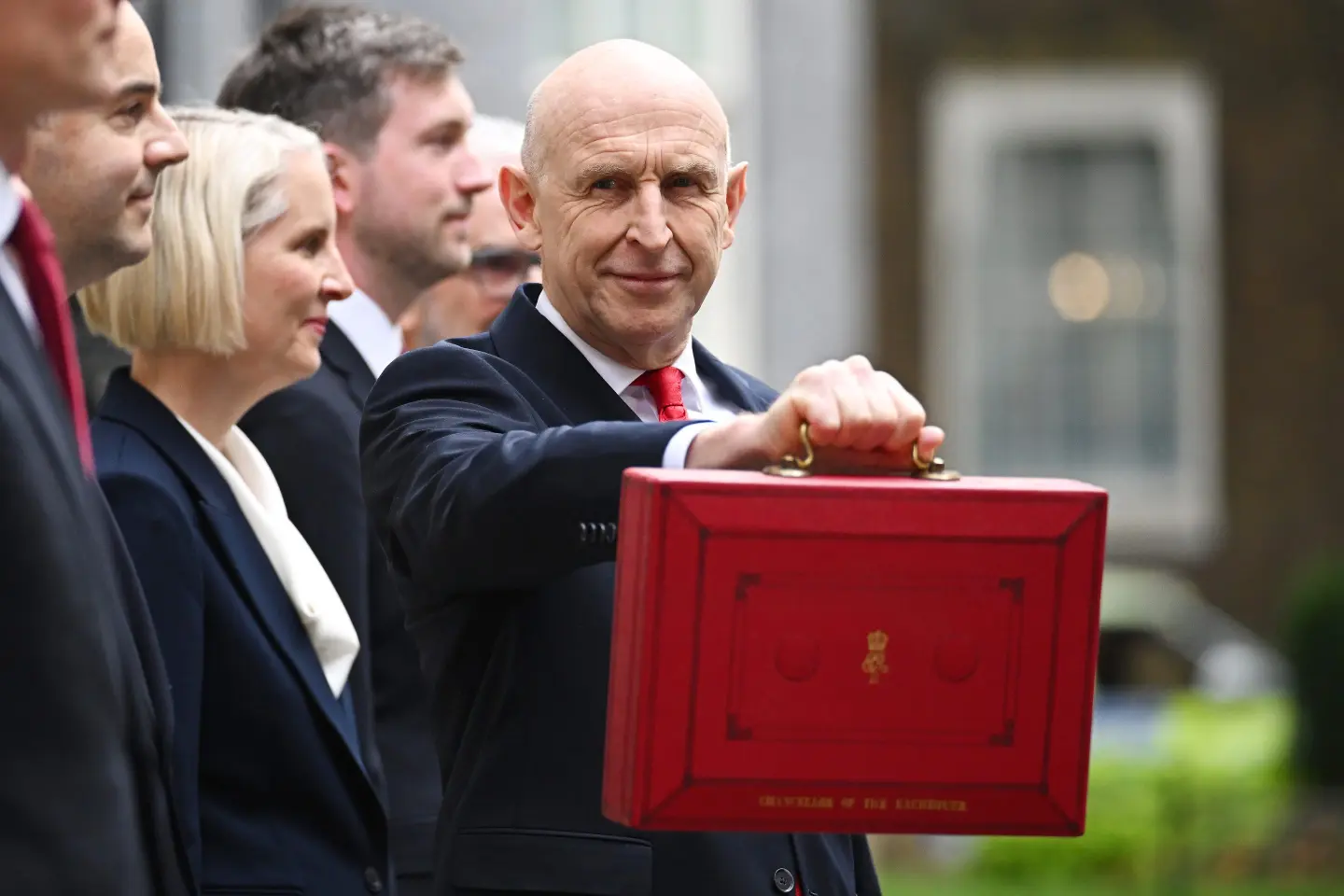
The Resolution Foundation described Chancellor John Healey’s first budget as a “scattergun” package that failed to provide sufficiently targeted support to families most affected by rising costs. While the government has introduced measures intended to give millions of households some financial relief, the thinktank argued that the assistance has been spread too widely, meaning wealthier households could receive almost as much support as those on lower incomes.
The criticism comes at a difficult moment for the British economy, with households continuing to face pressure from inflation, energy costs and weaker economic growth. The government has presented the budget as an attempt to provide breathing space while also laying the foundations for stronger economic performance in the years ahead. However, the Resolution Foundation said the measures did not go far enough to improve living standards and warned that the second half of the parliamentary term could prove particularly challenging.

At the centre of the controversy is the government’s plan to reduce the burden of energy costs. Among the measures announced by Healey is the removal of standing charges from gas bills, alongside a £100 energy payment for as many as 20 million households in council tax bands A to D. Ministers have argued that the measures will provide immediate assistance to families struggling with higher household expenses.
The Resolution Foundation, however, questioned whether the approach was sufficiently focused on those who need support most. Its analysis suggested that the poorest half of households would gain an average of £158 this year and next from the cost-of-living measures. By comparison, the richest half would receive an average benefit of £144.
The relatively small difference between the two groups has prompted the foundation to accuse the government of failing to direct assistance towards households under the greatest financial pressure. Ruth Curtice, the organisation’s chief executive, said the figures demonstrated a serious weakness in the government’s approach to targeting support.
The thinktank also raised concerns about the method being used to determine eligibility for some energy assistance. It argued that the government’s scheme continues to rely heavily on council tax bands and property valuations that are decades old. As a result, households’ access to support can depend on property valuations dating back around 35 years rather than on their current financial circumstances.
That criticism has placed renewed attention on the fairness of using council tax bands as a mechanism for distributing energy assistance. While the approach allows the government to reach millions of households relatively quickly, critics argue that property values do not necessarily reflect a family’s present income, savings, debts or wider financial pressures.
The foundation’s broader assessment of household finances was also pessimistic. It predicted that typical disposable incomes could decline by about £1,050 between now and the end of the parliamentary term in 2028-29. According to its calculations, the overall improvement in living standards across the five-year parliament could therefore amount to only around £600.
Such figures could create a significant political challenge for the government. Although ministers have sought to emphasise economic reform and investment, households are likely to judge the government’s performance by whether their disposable incomes improve and whether essential expenses become more affordable.
Healey has argued that Britain is confronting a global economic storm and that the government must respond while preparing the economy for longer-term growth. The budget was presented as an effort to steer the country through international economic uncertainty and establish a new direction for Britain.
The chancellor has also faced a less favourable economic outlook from the Office for Budget Responsibility, which reduced its forecast for economic growth next year. Slower growth could make it more difficult for the government to simultaneously increase public spending, support household incomes and maintain control over public finances.
The Resolution Foundation warned that the government could face increasingly difficult choices as the parliamentary term progresses. Curtice argued that the first half of the parliament had been characterised by rising living standards, relatively solid economic growth and additional funding for public services, although those achievements had been accompanied by substantial tax increases.
The political environment has also changed considerably, creating additional pressure on the government to demonstrate that its economic policies are delivering tangible improvements in everyday life. The foundation suggested that the second half of the parliament could be substantially more difficult if disposable incomes fall as predicted.
The debate over energy support is therefore likely to remain central to the political and economic discussion in Britain. Energy bills are among the most visible household expenses, and even relatively modest reductions can make a meaningful difference to families struggling to balance housing, food, transport and other essential costs.
The government has nevertheless defended the scale of its intervention. Andy Burnham, speaking in support of the budget measures, described the plan to help 20 million households with energy costs as a bold step. He also highlighted measures aimed at businesses, including changes to business rates that are expected to remove around 70,000 businesses from business rates altogether.
Supporters argue that reducing pressure on households and high street businesses could help strengthen local economies while protecting consumers from some of the effects of the global economic turmoil. Businesses facing lower costs may have greater scope to invest, retain employees or maintain prices.
Critics, however, remain concerned that broad-based support may not provide enough help to families facing the most severe financial difficulties. The central question is whether the government’s approach can deliver meaningful relief without spending substantial sums on households that may not require significant assistance.
The disagreement highlights the wider challenge facing policymakers. Britain is attempting to manage immediate cost-of-living pressures while simultaneously addressing weak growth, public service demands and the need for long-term economic investment. Any policy that prioritises one objective can create pressure elsewhere.
For households, the immediate concern remains the cost of everyday life. Even with government assistance, the Resolution Foundation’s assessment suggests that many families could continue to experience a squeeze on their finances. The warning that energy bills may remain above levels seen during the last energy shock is particularly significant for consumers already struggling to absorb higher prices.

Healey’s budget therefore represents more than a package of tax changes and household support. It is also a test of whether the government can translate its promises of economic renewal into improvements that people can feel in their daily lives. As Britain moves towards the latter half of the parliamentary term, the pressure will grow on ministers to demonstrate that economic growth, public investment and household financial security can be achieved together.
The coming years could prove decisive. If disposable incomes decline as predicted and energy costs remain elevated, political pressure over the effectiveness and fairness of government support is likely to intensify. For now, the Resolution Foundation’s assessment presents a stark warning: without a more targeted strategy, the government’s attempt to provide breathing space may offer only limited relief to the households facing the greatest financial strain.
Related News:
 BBC News Faces Deep Cuts in 2,000 Job Plan
 Reeves Fights to Keep Treasury Role Amid Labour Turmoil
 Burnham Faces Mounting Budget Challenges
 Thinktank Calls for Abolition of UK State Pension
 MPs Defend UK Economic Watchdog Against Critics
 Tony Blair Calls for Britain to Rejoin EU Within a Decade
 London Council Warns of 150% Council Tax Rise
 Informa Agrees £2.24bn Deal to Buy Clarion
 Labour Fears Budget Will Fail to Lift Living Standards
 IFS Warns UK Budget Faces £35bn Spending Gap
IMF Raises UK Growth Forecast Ahead of Healey’s Budget
 Business Chief Urges Burnham to Fix Brexit Damage
UK Borrowing Hits £24.5bn Ahead of Healey’s Budget
 Tax Online Sales to Save High Street, Burnham Urged
 Labour MPs Urge Burnham to Lead UK Reindustrialisation
 Wealthy Britons Flee Gulf War but Avoid UK Taxes
 UK Wage Growth Slows as Jobs Market Holds Firm
 UK Doubles Steel Tariffs to 50% to Protect Domestic Plants
 UK Pushes for New EU Goods Trade Deal
 UK rejects EV charging VAT cut amid Treasury clash
 Labour MPs Urge Burnham to Revive UK Aid Target
 UK Households Could Save £173 on Fixed Energy Deals
 Reform Faces Fresh Financial Controversy
 UK House Prices Fall as Mortgage Rates Rise
 Oil nears $100 as Saudi attacks shake markets
 John Lewis Losses Widen to £124m as Confidence Falls
 Thames Water Revises Oxfordshire Mega-Reservoir Plan
 North Sea Firms Urge Early End to Windfall Tax
 UK Pay Growth Slows to 3.9% as Rate Decision Nears
 Bank Urged to Slow Bond Sales as UK Costs Rise
 UK Inflation Hits 3.1% as Household Pressure Grows
 UK Youth Jobs Gap Reveals Deep Regional Divide
 Tories Press Healey Over Tax Rises Ahead of Budget
 Trump Threatens EU With Tariffs Over Canada Proposal
 Trump Threatens EU Over Canada Partnership Proposal
 UK Retail Sales Rebound as Consumers Spend More
 UK Rent Gap Puts Low-Income Families Under Pressure
 Reform UK Faces Internal Debate Over £72m Spending
 Calls Grow to Expand UK National Wealth Fund
 UK Borrowing Hits £18.3bn Ahead of Budget
 Burnham Leaves Door Open to Future Brexit Reversal
 UK Trade Losses Grow Without EU Product Deal
 AO Acquires Jessops in Camera Retail Expansion
 Saudi intercepts Houthi missiles as oil fears grow
 Should Savers Lock Into 5.25% Fixed Rates?
 Beaverbrooks Boss Calls for Relief on Business Costs
 UK Diesel Prices Hit Record High Amid Iran Conflict
 New UK Homes in Flood Zones Face Insurance Risk
 Burnham Opens Door to Possible UK Return to EU
 Poundland Rescue Bid Could Protect 11,000 Jobs
 Healey urged to act as UK energy bills rise 4%
 UK house price growth slows as mortgage rates rise
 UK borrowing costs surge as global bond sell-off deepens
 UK Assures Public Over Diesel Supply
 Badenoch Raises Prospect of 2027 UK Election
 UK Diesel Reaches £2 as Inflation Surges Across Europe
 Minister Rejects Fears of UK Diesel Shortage
 BT Agrees £400m TalkTalk Rescue Deal
 EU-China Talks Target Surge in Hybrid Car Imports
 UK Billionaire Exodus Raises Wealth and Tax Concerns
 IMF Warns Governments Over Rising Debt Burdens
 Google Maps Brings Live Fuel Prices to UK Drivers
 France Urges UK to Consider Returning to EU
 Ministers Push ATO to Reconsider Credit Card Ban
 Australia Delays Tax Credit Card Payment Ban After Backlash
 Labour MP Urges Billions for Affordable Homes
 France Faces Debt Crisis as Protests and Markets Clash
 UK Van Drivers Face £2.5bn Diesel Cost Surge
 IMF Warns Global Economy Is Nearing Its Limits
 Healey Plans £1bn Online Marketplace Tax Crackdown
 UK Could Rejoin EU Through a Switzerland Plus Deal
 Cormann Warns Australia Against Populist Migration Caps
 UK Plans Higher Training Costs for Older Apprentices
 UK Unemployment Falls to 4.7% as Vacancies Decline
 Trump Faces Voter Backlash Over Soaring Gas Prices
 UK Consumer Confidence Plunges at Fastest Rate Since Brexit Vote
 Healey Set to Scrap Planned Cut to Cash ISA Allowance
 Fed Expected to Hold Rates Steady Ahead of US Midterms
 Albanese Faces Labor Pressure as Inflation Hits 4.3%
UK Devolution Plan Faces Test Over Regional Inequality