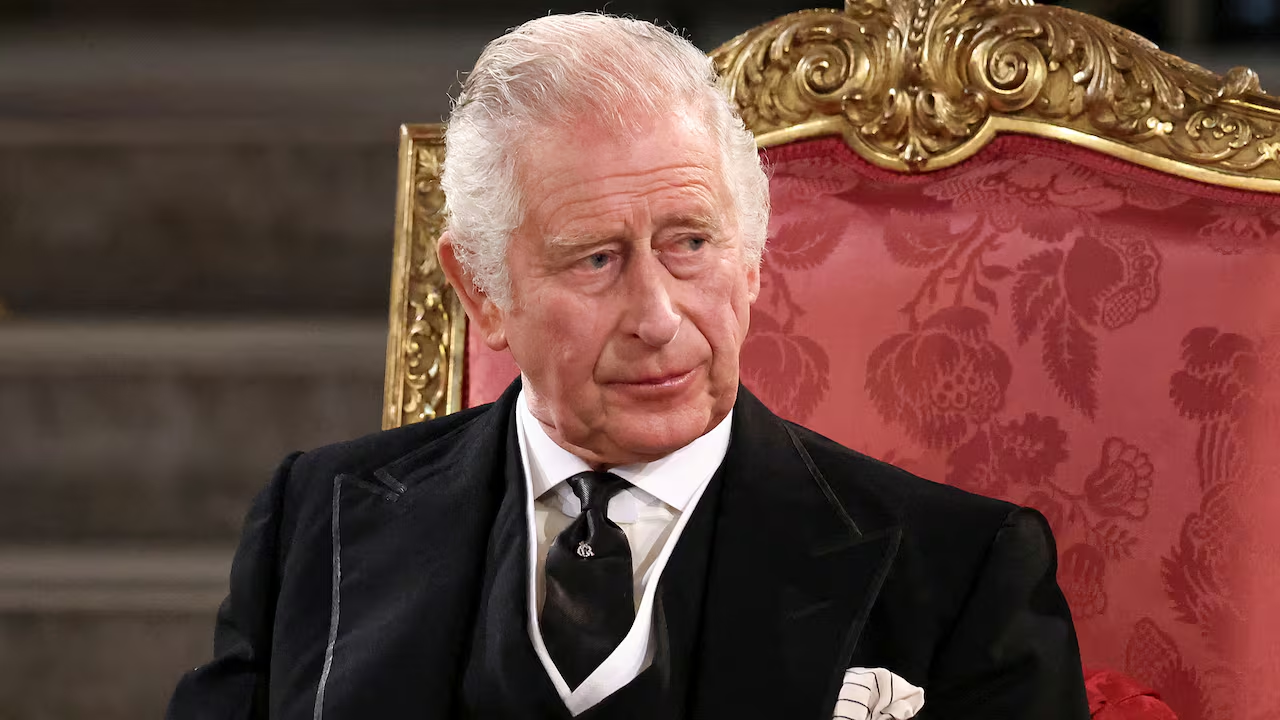
The monarch’s announcement comes during a nine-day Caribbean tour that began in the Bahamas, where he received a ceremonial welcome and attended a youth rally at Clifford Park, a site associated with the country’s independence from British colonial rule in 1973. His visit has renewed debate over Britain’s historical responsibility for the transatlantic slave trade and the continuing consequences of slavery across Caribbean societies.
Although the King acknowledged the suffering endured by enslaved people in his remarks in the Bahamas, reparations campaigners said his words did not go far enough. They want a direct acknowledgement of the monarchy’s historical connections to slavery, a formal apology and concrete measures to address the damage caused by generations of exploitation.
The discussions are gaining additional significance following the publication of a UK opinion poll suggesting substantial public support, particularly among younger people, for dialogue on reparatory justice.

According to research conducted by More in Common and published by the Repair Campaign, 40% of respondents supported a meeting on reparatory justice, while 19% remained undecided. Support was higher among younger Britons, with 60% of those aged 18 to 24 and 51% of those aged 25 to 34 backing such a meeting.
The findings could strengthen campaigners’ arguments that discussions about Britain’s colonial past and its contemporary consequences should become a more prominent part of the relationship between the United Kingdom and Caribbean nations.
During his address in the Bahamas on Tuesday, King Charles recognised the suffering associated with slavery while highlighting the achievements and cultural richness of Caribbean communities.
He said that some of the most joyful, hopeful and vibrant aspects of Bahamian culture had emerged from a history marked by darkness. He added that it was right to acknowledge the suffering of the past while celebrating present achievements and building opportunities for the future.
The speech reflected the monarch’s longstanding public interest in understanding Britain’s historical relationship with slavery and its effects on societies that experienced colonial rule.
However, his remarks prompted criticism from the Bahamas National Reparations Committee, which argued that Caribbean culture should not be defined primarily through the suffering inflicted by slavery.
The committee said Bahamian culture was also the product of human agency, resilience and the determination of people to survive despite extraordinary hardship.
Its statement argued that the King’s comments failed to address the central question facing reparations campaigners: what responsibility should the British monarchy and government accept for their historical roles, and what practical steps should follow?
The committee called for a full and formal apology, together with measures to remedy historical injustices.
Dr Niambi Hall Campbell-Dean, the committee’s chair, acknowledged that the King appeared to be attempting to connect with Bahamian culture. Nevertheless, she described his remarks as insufficient and said the country deserved more than expressions of admiration for its people.
Her criticism reflects a broader disagreement about the appropriate response to historical injustice. While recognition of past suffering is considered important, campaigners argue that acknowledgement without a clear commitment to action cannot deliver the justice they seek.
Calls for reparatory justice have grown across the Caribbean, where political leaders, historians and campaign organisations have urged Britain to address the consequences of slavery through formal negotiations.
Ralph Gonsalves, a former prime minister of St Vincent and the Grenadines and an elder of the Repair Campaign, said the poll results demonstrated particularly strong support for dialogue among younger British people.
He argued that the findings should encourage the British government and the monarchy to consider a formal apology and a structured process for discussing reparations.
Gonsalves also expressed disappointment with the King’s speech in the Bahamas, saying it fell short of the expectations created by his earlier statements about understanding slavery’s enduring impact.
The campaign for reparatory justice encompasses a range of proposals, including formal apologies, educational initiatives, cultural preservation, public health programmes, economic development and other measures intended to address the continuing consequences of slavery.
Different governments and organisations may have different priorities, and agreement on a framework would require negotiations over historical responsibility, practical measures and the interests of affected communities.
For campaigners, however, the immediate priority is to move beyond general expressions of regret and establish a process through which governments can discuss their respective positions.
The Repair Campaign has called for a time-limited commitment to talks with Caribbean states, arguing that earlier promises of dialogue have not produced the progress campaigners expected.
Founder Denis O’Brien said there had been too many expressions of sorrow without a clear timetable for meaningful discussions.
The poll published by the Repair Campaign has added a domestic political dimension to the debate.
The survey found that 40% of Britons supported a meeting on reparatory justice, while 19% were undecided. Support was particularly strong among younger respondents, with six in ten people aged 18 to 24 favouring a meeting and 51% of those aged 25 to 34 expressing support.
The research also suggested that support extended across significant sections of the electorate. Among people who voted Labour at the previous general election, 58% supported a meeting, compared with 57% of Liberal Democrat voters.
These findings indicate that discussions about reparatory justice are not confined to Caribbean governments or specialist campaign organisations. They also form part of a wider British conversation about colonial history, historical responsibility and the role of public institutions in addressing past injustices.
However, support for holding talks does not necessarily mean that every respondent supports a particular reparations programme or agrees on how it should be funded.
A meeting would provide an opportunity to explore competing proposals, examine historical evidence and determine whether governments could identify areas of common ground.
Campaigners believe that younger generations have a particular interest in these questions because the effects of historical injustice continue to influence debates about inequality, education, identity and economic opportunity.
The poll may therefore provide additional encouragement for political leaders who favour dialogue, although the precise form and outcome of any negotiations remain uncertain.
King Charles is due to preside over the Commonwealth Heads of Government Meeting, known as CHOGM, in Antigua and Barbuda at the conclusion of his Caribbean tour.
The gathering is expected to provide a setting for leaders to discuss the legacy of slavery alongside wider questions affecting Commonwealth relations.
The monarch confirmed that leaders would discuss matters relating to slavery’s legacy during the meeting next week. That commitment has raised expectations among reparations campaigners, who want the summit to produce a clear timetable for further discussions.
The Commonwealth brings together countries with diverse political systems, economic circumstances and historical experiences. Many Caribbean members have longstanding connections to Britain through colonialism, while their contemporary relationships also involve trade, diplomacy, education and development.
The legacy of slavery remains a sensitive issue within these relationships because of the scale of human suffering associated with the transatlantic slave trade and the long-term effects of colonial rule.
For Caribbean leaders seeking reparations, the summit offers an opportunity to place these concerns directly before the British monarch and government representatives.
The presence of senior British officials, including the foreign secretary, Ed Miliband, is also expected to give the gathering an important diplomatic dimension.
However, the King does not independently determine British government policy. Decisions on formal apologies, negotiations and potential reparations involve constitutional responsibilities and political considerations beyond the monarch’s personal statements.
The government has not advised Charles to offer a formal apology or commit to reparations, according to the report.
Consequently, campaigners face the challenge of translating the King’s willingness to discuss historical suffering into a formal political process involving the governments concerned.
The Bahamas National Reparations Committee has argued that recognition of the Caribbean’s cultural achievements must be accompanied by a direct examination of Britain’s historical role.
Its statement said Caribbean culture was not simply born from darkness but was shaped by the determination of people who endured slavery and struggled to preserve their dignity, identity and communities.
The committee argued that the King should address the monarchy’s historical responsibilities and explain what steps might be taken to acknowledge and remedy past wrongs.
Dr Campbell-Dean said her criticism did not diminish her pride in Bahamian people or their hospitality during the royal visit. Instead, she argued that this pride strengthened her conviction that the country deserved a more substantive response.
The committee’s position highlights an important distinction between recognising the resilience of communities affected by slavery and addressing the actions of institutions associated with the historical system.
For campaigners, celebrating Caribbean culture is not a substitute for confronting the historical circumstances in which that culture developed.
Their demands include recognition of the suffering endured by enslaved people, acknowledgement of the institutions and governments involved, and a willingness to consider what meaningful remedies might look like today.
Whether these demands can be translated into an agreed programme remains uncertain, but the committee’s response demonstrates that the King’s remarks have not resolved the underlying disagreement.
Professor Hilary Beckles, chair of the Caribbean Community Reparations Commission, has also called for a more direct response from the British monarch.
He said Caribbean campaigners were seeking justice that begins with remorse and requires more than general recognition of historical suffering.
Beckles urged the King to engage with younger Caribbean people in a way that recognises the continuing effects of slavery and helps them confront the challenges of a rapidly changing world.
His comments reflect the view that reparatory justice should involve both historical acknowledgement and practical consideration of contemporary inequalities.
The Caribbean Community, known as CARICOM, has played a significant role in promoting regional discussion of reparations and encouraging former colonial powers to engage with the issue.
Campaigners argue that the legacy of slavery cannot be understood solely as a historical episode because its consequences continue to shape debates about economic development, social inequality and institutional responsibility.
Proposals for reparations vary, and there is no single agreed formula covering all Caribbean countries. Any negotiated settlement would require difficult discussions about the nature of historical responsibility, the intended beneficiaries of remedies and the mechanisms through which commitments might be implemented.
Nevertheless, campaigners say the absence of an agreed formula should not prevent governments from beginning a formal dialogue.
The royal tour also includes a solo state visit to Guyana, where President Mohamed Irfaan Ali has recently called on the monarch to take the next step and offer an apology.
Guyana’s inclusion in the programme provides another opportunity for the issue to be raised directly with Caribbean political leaders.
The tour has been presented by Buckingham Palace as an opportunity to highlight modern partnerships and future opportunities across the region, while also recognising difficult aspects of Britain’s shared history.
A palace spokesperson said the programme would focus primarily on contemporary cooperation and the challenges facing the region, but acknowledged that the King’s continuing efforts to understand and discuss the shameful aspects of the past would also be reflected during the visit.
Charles has previously spoken about slavery in public settings. In 2021, during a ceremony marking Barbados’s transition to a republic, he described slavery as an appalling atrocity that would forever stain Britain’s history.
The following year, at the opening of a Commonwealth summit in Rwanda, he said he was continuing a personal journey of discovery and seeking to deepen his understanding of slavery’s enduring impact.
Those earlier remarks have contributed to expectations among campaigners that the monarchy may take a more explicit position on the question of reparations.
However, the distinction between acknowledging historical suffering and issuing a formal apology remains central to the current debate.
The forthcoming Commonwealth summit could become an important moment in discussions about Britain’s colonial past and its contemporary relationship with Caribbean nations.
King Charles has acknowledged the suffering associated with slavery and confirmed that its legacy will be discussed with Commonwealth leaders. Campaigners, however, want the meeting to go further by establishing a process for negotiations and considering a formal apology.
The poll suggesting support for dialogue among younger Britons adds another dimension to the debate, indicating that reparatory justice has a place in domestic discussions about historical responsibility.
Yet substantial questions remain unresolved, including what form any talks might take, whether the British government will support them and what practical measures could emerge from negotiations.

For Caribbean campaigners, the priority is to move from expressions of regret towards a structured process capable of examining historical wrongs and possible remedies.
For the British government and monarchy, the challenge is to engage with those demands while navigating constitutional responsibilities and political disagreements about the appropriate response.
The summit will not necessarily resolve these issues, but it could establish whether the parties are prepared to discuss them through a more formal diplomatic framework.
Ultimately, the debate is about more than the language used to describe the past. It concerns how Britain and Caribbean nations understand their shared history, how they address its continuing consequences and what kind of relationship they wish to build for future generations.
Related News:
 Slave-Trade Wealth Embedded in Britain’s Financial System
 Lib Dems Prepare for Election Amid Reform Challenge
 Elif Eralp Emerges as Berlin’s Next Political Force
 Drumcree Talks Falter as Legal Challenge Deepens
 UK-France Returns Deal Faces Expiry as Talks Stall
 Green Party faces dispute over Zionism motion
 UK Gaza Refugee Route Criticised Over False Hope Claims
 UK Greens Face Crisis Over Zionism and Extremism Row
 Farage Rejects Claims Reform Would Let Troops Shoot Migrants
 King Charles Faces Caribbean Slavery Apology Demands
 Charles Faces Trump Test in High-Stakes US Visit
 Koh-i-noor Diamond Row Reignites Colonial Debate
 Farage and Reform UK Reshape British Politics
 Starmer Leadership Under Pressure After Setbacks
 Is America Ready for an AOC Presidential Run?
 Five Years of Taliban Rule Leave Afghanistan in Crisis
 Ghent Professors Questioned Cofnas Appointment
 RAF Barnham Protests Fuel Tensions in Norfolk Town
 Green Leader Targets Starmer’s Former Seat
 Masked Protesters Bring Dover Port Traffic to Standstill
 Europe’s democracies face a growing far-right threat
 Pavlohrad Strike Kills Five, Injures 67
 Patriot Platform Raises Concern Across Britain
 Reform UK Receives Record £36m Donation From Crypto Billionaire
 Royal Crown Branded Enslaved Africans in Britain’s Slave Trade
 Election Candidate Abuse Raises Alarm in England
 New Evidence Deepens Church of England Slavery Reckoning
 Millions of Enslaved Records Open New Family History Path
 King Refers Jamaica Slavery Petition to Privy Council
 UK Plans New Centre to Counter Information Warfare
 UK Pauses Chagos Deal Amid US Opposition
 Free Speech Emerges as Key UK Election Issue
 Three Die in Channel Crossing Attempt Near France
 Dale Vince Plans New London-Wide News Operation
 Burnham Opens Door to Possible UK Return to EU
 Hundreds of UK prisoners released early amid overcrowding
 Drumcree Talks End Without Agreement Ahead of Appeal
 Badenoch Raises Prospect of 2027 UK Election
 Latin America women fear rollback of rights
 Report Urges UK to Rethink Overseas Military Spending
 Holborn and St Pancras Vote Tests Labour and Greens
 Luton Residents Reject Claims of ‘No-Go Zones’
 Labour Wins Key London By-election as Greens Fall Short
 India’s Youth Movement Alleges Mass Detentions Before Protest
 Gaza War Deepens India’s Strategic Ties With Israel
 Bolsonaro Gains Key Endorsement Ahead of Brazil Runoff
 Burnham Rises as Farage and Polanski Face Setbacks
 Labour Beats Greens in Crucial London By-election
 Jewish Greens Leader Calls for Polanski to Quit
 Controversial Vaccine Trial Approved in Guinea-Bissau
 Trump Attacks Norway After Nobel Peace Prize Snub
 Delhi Braces for Youth Protests Over Voter Roll Dispute
 Trump Names Katie Zacharia as Next White House Spokesperson
 PTI Announces Swabi Rally Ahead of Long March Plans
 French Students Protest Poor Conditions in Paris Suburbs
 Greta Thunberg Backs French Students in School Protests
 Millions Face Tougher Medicaid Rules From January
 Ohio Airports Become Key Hubs for ICE Deportation Flights
 England and Wales Begin Second Wave of Early Prison Releases
 UK Urges Interpol to Reject Argentina’s Falklands Arrest Requests
 Gadi Eisenkot: Israel’s Anti-Netanyahu Challenger
 Jenrick Defends Farage Amid Fresh Reform Racism Claims
 Suu Kyi Appears in Rare Photos After Royal Gift
 France to Deploy 70,000 Police Amid Unrest Fears
 Taylor Faces Backlash Over Response to Haines Attack
 UK Aid Set to Fall Short of Reduced 2027 Target
 Brexit Deal Not Good Enough for Britain, Burnham Says
 Serbia’s Student Victory Sparks a ‘Smell of Freedom’
 Trump’s Midterm Campaign Faces Racism and Political Backlash
 McKenzie Warns MP Safety Fears Could Weaken Democracy
 Campbell Urges Australia to Defend Democratic Politics
 Essex Volunteer Accuses Reform Councillor of Nazi Remark
 Relationship with Trump may be beyond repair, Starmer warned
 British Museum Faces Questions Over Peter Thiel’s Private Bayeux Viewing
 Bayeux Tapestry Revives Franco-British Ties
 London Facial Recognition Trial Ends With False Alert
 Trump Names Katie Zachariah as Next White House Press Secretary
 UK Visa Refusal Threatens Baby’s Family Christmas
 Lula Supporters Make Final Push Ahead of Brazil Runoff
 UK Land Registry Plan Faces Opposition From Landowners