Published: 16 September 2026. The English Chronicle Desk. The English Chronicle Online.
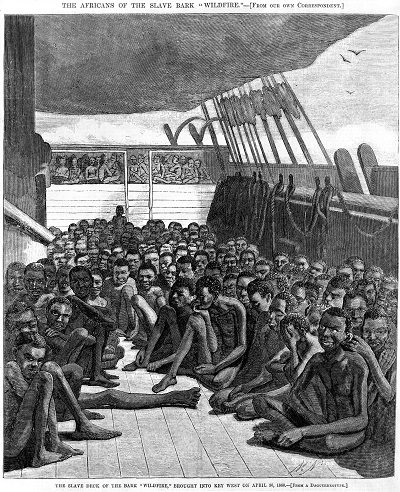
New historical research has found that wealth generated through the transatlantic trafficking and enslavement of Africans was deeply connected to Britain’s financial system, including the early development of the Bank of England and other major financial institutions.
The research, compiled through the Register of British Slave Traders, suggests that the involvement of financial institutions and prominent financiers in the slave economy was broader than previously documented or publicly acknowledged. Historians examining records from the 17th and 18th centuries have identified numerous individuals connected to the Bank of England who also invested in, financed or participated in the trafficking of enslaved Africans.
The findings provide further evidence of how the wealth created through slavery became intertwined with Britain’s commercial and financial development. They also add to a growing body of historical research examining the connections between slavery, banking, insurance, trade and the institutions that helped shape the British economy.
Dr Michael Bennett of the University of Sheffield, whose research has focused extensively on the Bank of England’s historical connections with enslavement, identified 24 Bank directors who were investors in the trafficking of enslaved African people. Four of those individuals were among the London figures who served as founding directors when the Bank was established in 1694.

The remaining 20 served as directors during the following century. Nine of the 24 individuals also held the position of governor, indicating that links to the slave economy extended into some of the institution’s most senior historical leadership.
Among those identified was Christopher Puller, who served as a Bank director for 11 years before his death in 1789. Historical records in the register indicate that Puller supplied weapons to the slave trade and was a co-owner of a voyage in 1786 that transported enslaved people from the Gambia to Jamaica.
Bennett also examined the original subscribers to the Bank of England. At least 30 of those early investors were found to have invested in the transatlantic trafficking of enslaved Africans. Among them were King William III and Queen Mary II, who held shares in the Royal African Company.
The research indicates that money generated through the slave trade therefore formed part of the financial resources surrounding the Bank during its early development. Historians argue that this was not an isolated relationship involving a handful of individuals but part of a wider economic system in which banks, insurers, merchants and trading companies provided services to businesses involved in slavery.
The Bank of England itself had relationships with companies central to the slave economy, including the Royal African Company and the South Sea Company. These connections placed the institution within a broader network through which financial services supported commercial activity connected to the trafficking and enslavement of African people.
One example highlighted by the research is John Rudge, an MP for Evesham who served as a Bank director from 1699 to 1740 and as governor between 1713 and 1715. Rudge was also a shareholder and assistant of the Royal African Company and deputy governor of the South Sea Company.
The latest findings build on earlier research by historians associated with University College London’s Legacies of British Slavery archive. That project has documented the financial interests of individuals who owned enslaved people and plantations before the abolition of slavery in most of the British Empire in 1833.
According to that research, 16 former Bank of England governors and 26 directors had financial interests in enslaved people or plantations before abolition. These records demonstrate that the institution’s historical connections extended beyond people involved directly in slave voyages and included individuals who derived wealth from plantation ownership and other aspects of the slave economy.
The financial legacy also extended into the abolition process itself. The Bank of England and the Treasury were involved in administering payments under the legislation that ended slavery in much of the British Empire. The government provided £20m in compensation to enslavers, a sum that is estimated to be worth tens of billions of pounds in modern terms under some calculations.
No equivalent compensation was paid to the people who had been enslaved.
The financial arrangements surrounding abolition have consequently become an important part of historical discussions about Britain’s relationship with slavery. Researchers examining the period have sought to establish not only who owned enslaved people but also how financial institutions, credit arrangements and investment networks enabled the slave economy to operate.
Public awareness of those links increased significantly following the Black Lives Matter protests of 2020. Several British banks and financial institutions subsequently acknowledged historical relationships with slavery, prompting renewed examination of corporate archives and historical financial records.
Research conducted after the protests also identified a direct connection between the Bank of England and plantation slavery. Dr Bennett found that the Bank had owned 599 enslaved people on two plantations during the 18th century.
The institution subsequently displayed the names of those enslaved people in an exhibition at its premises in 2022. The records included men, women and children, although historical information about their places of origin was limited in many cases.
The Bank of England has also previously acknowledged that some of its former governors and directors were involved in the slave trade and issued an apology for those historical links.
One particularly significant figure was Humphry Morice, who served as a Bank director for many years and was governor between 1727 and 1729. Morice was also involved extensively in the trafficking of enslaved Africans and used funds obtained through fraudulent activity involving the Bank to support his operations.
Historical research published by the Bank describes Morice as one of the most significant London-based traffickers of enslaved people from Africa to British colonies in the Americas. Between 1704 and 1732, he was associated with the outfitting of roughly 110 voyages that transported more than 30,000 enslaved men, women and children to destinations including Jamaica, Barbados and Virginia.
The history demonstrates how commercial interests surrounding slavery extended across several sectors. Shipping companies required finance, merchants needed credit, insurers provided protection against financial risks and plantation owners depended on banking and investment arrangements. The resulting network allowed profits from slavery to circulate through Britain’s wider economy.
The new research is also likely to contribute to continuing debates over whether institutions that benefited from slavery should acknowledge those connections and consider their historical legacies. Caribbean and African countries have increasingly raised questions about reparatory justice, while the British government has maintained its opposition to reparations for slavery.
The Treasury has not publicly issued an apology comparable to that made by the Bank of England. The difference has become more significant as historians continue to uncover evidence showing how government bodies and financial institutions participated in the economic structures surrounding slavery.
A Bank of England spokesperson said the institution had already examined its historical connections to enslavement through its 2022 exhibition and welcomed Dr Bennett’s collaboration in that work.
The research also forms part of a broader reassessment of Britain’s historical institutions. In recent years, archives and academic projects have examined the financial origins of businesses, newspapers, banks, insurers and other organisations whose development intersected with slavery.
Such investigations do not suggest that every modern institution or individual can be directly held responsible for actions carried out centuries ago. Rather, historians are examining how wealth accumulated during the period was transferred, invested and incorporated into Britain’s developing economy.

Understanding those connections has become an important part of explaining the country’s economic history. The evidence indicates that slavery was not confined to distant plantations or overseas trading routes. Its financial consequences reached into London’s commercial institutions and investment networks, linking the exploitation of enslaved people with parts of the economic system that continued to develop long after abolition.
For the Bank of England, the historical record now includes a substantial body of evidence documenting the involvement of former directors, governors, subscribers and clients in the slave economy. The institution has acknowledged aspects of that history, while researchers continue to identify additional individuals and financial relationships.
The latest findings therefore add another layer to the historical understanding of slavery and British finance. They show how deeply the profits and investments associated with the trafficking and enslavement of Africans were embedded within the financial structures of the period, while also raising questions about how that history should be documented and understood today.
As historical researchers continue examining archives and financial records, the picture of Britain’s relationship with slavery is becoming increasingly detailed. The evidence does not simply concern individual slave traders but a much broader economic network in which financial institutions played an important role. That history remains central to contemporary discussions about institutional responsibility, historical acknowledgement and the long-term economic legacy of slavery.
Related News:
 Reeves Fights to Keep Treasury Role Amid Labour Turmoil
 Ghent Professors Questioned Cofnas Appointment
 Green Leader Targets Starmer’s Former Seat
 Reform Faces Fresh Financial Controversy
 Pavlohrad Strike Kills Five, Injures 67
 Reform UK Receives Record £36m Donation From Crypto Billionaire
 UK Pay Growth Slows to 3.9% as Rate Decision Nears
 Bank Urged to Slow Bond Sales as UK Costs Rise
 JLR Eyes NATO Market With New Defender Military Vehicle
 UK Inflation Hits 3.1% as Household Pressure Grows
 Rachel Reeves to lead UK trade push in Saudi Arabia amid rights debate
 UK Wage Growth Slows as Jobs Market Holds Firm
 Richard Tice Faces £100k Tax Controversy
 Black Forest Tragedy Remembered 90 Years On
 Athens Mayor Moves to Tackle Overtourism Crisis
 Reform UK funding: mystery billionaire revealed
 BBC News Faces Deep Cuts in 2,000 Job Plan
 Koh-i-noor Diamond Row Reignites Colonial Debate
 City & Guilds Faces Governance Crisis Over Sale
 UK Pushes for New EU Goods Trade Deal
 Farage and Reform UK Reshape British Politics
 Starmer Leadership Under Pressure After Setbacks
 Labour MPs Urge Burnham to Revive UK Aid Target
 Is America Ready for an AOC Presidential Run?
 Five Years of Taliban Rule Leave Afghanistan in Crisis
 Burnham unveils £65m drought aid for farmers
 Pubs and Hotels Face Business Rates Reform Review
 RAF Barnham Protests Fuel Tensions in Norfolk Town
 UK Households Could Save £173 on Fixed Energy Deals
 Burnham Faces Mounting Budget Challenges
 Trump Calls Iran War ‘Small Potatoes’ Despite US Deaths
 UK Subsidence Claims Surge After Record-Breaking Summer
 Masked Protesters Bring Dover Port Traffic to Standstill
 UK House Prices Fall as Mortgage Rates Rise
 Argentina to file criminal charges over Falklands oil drilling
 UK plans tougher Israel stance with settlement trade ban
 Councils spend £125m on illegal children’s care
 Oil nears $100 as Saudi attacks shake markets
 Europe’s democracies face a growing far-right threat
 Trump Pledges $5,000 if Republicans Win Midterms
 Patriot Platform Raises Concern Across Britain
 Thames Water Revises Oxfordshire Mega-Reservoir Plan
 Election Candidate Abuse Raises Alarm in England
 Reform Faces Questions Over £72m Donations
 UK Retailers Accused of Breaking Refund Laws
 Farage Threatens Union Funding Ban Over Reform Donations
 UK State Pension Set to Rise 3.9% as Triple Lock Holds
 UK Parents Cut School Uniform Costs as Prices Rise
 Fashion Firms Urge UK-Made NHS and Army Uniforms
 North Sea Firms Urge Early End to Windfall Tax
 Fugitive Developer Rants at NSW Corruption Inquiry
 UK Must Act with Courage and Clarity on Israel-Palestine Conflict, Says Foreign Affairs Committee Report
 Radioactive Leak at UK’s Nuclear Warhead Base Sparks Outcry Over Safety and Secrecy
 Mutual Inconvenience: Why Alaska Was Chosen for the Trump-Putin Summit on Ukraine
 Chancellor Rachel Reeves Pushes for Sweeping Changes to Environmental Protections to Accelerate Development
 Is the UK Ready to Put Boots on the Ground in Ukraine? Assessing Military Capacity and Challenges
 Shein UK Faces Allegations of Shifting Majority of Profits to Singapore to Reduce UK Tax
 Kemi Badenoch Unveils ‘Golden Rule’ to Halve Spending Cuts for Deficit Reduction at Tory Conference
 Public Trust in SNP Hits Historic Low Amid NHS Concerns
 Johnson Suggests Mandelson Linked to China Spy Controversy
 Rachel Reeves signals welfare reform ahead of key budget
 Trump’s UK Ambassador Urges North Sea Drilling to Strengthen US Ties
 Millionaires group urge Reeves to introduce wealth tax to ‘lift kids out of poverty’
 Canada Passes Carney’s First Budget in Tight Parliamentary Vote
 Starmer Says Labour’s Economic Plan Needs Years to Deliver
 Gordon Brown urges court for crimes against children
 Farage Faces Backlash Over Crypto Cameo Endorsements
 Rising Costs Force Families to Rethink Days Out
 Relationship with Trump may be beyond repair, Starmer warned
 UK Stands Firm on Falklands Amid US Rift
 Oil Prices Surge Above $120 Amid Iran Blockade Fears
 Silent Tracks: Rail Line Without Passengers
 Barrister Criticises Trial After Suicide Case Verdict
 Unions Warn Labour Over Zero-Hours Contract Reforms
 Former Diplomats Urge UK and France to Act on Palestine
 British Museum Faces Questions Over Peter Thiel’s Private Bayeux Viewing
 Bayeux Tapestry Revives Franco-British Ties
 UK Cost Squeeze Deepens as Mortgages and Gas Rise
 Billionaire Chris Rokos poised to leave UK
 JPMorgan Boss Warns Against UK Bank Tax Rise