Published: 08 September 2026. The English Chronicle Desk. The English Chronicle Online.
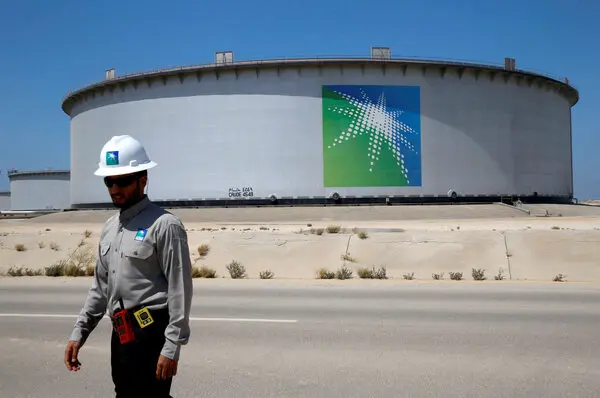
Global oil prices have moved sharply higher towards the psychologically important $100-a-barrel level after attacks on energy facilities in southern Saudi Arabia added to concerns about disruptions to supplies across the Middle East.
Brent crude, the international benchmark, climbed above $99 a barrel during Tuesday trading, putting prices at their highest level since July. The latest increase came as Saudi authorities reported that several energy facilities near the border with Yemen had been affected by attacks attributed to Yemen’s Iran-aligned Houthi movement.
The Saudi authorities said operations at some facilities were temporarily halted after the attacks caused fires and left more than 70 people injured. The incidents have intensified concerns that the continuing regional conflict could increasingly affect oil and gas infrastructure, transportation routes and global energy supplies.
The attacks came amid wider uncertainty surrounding the conflict involving Iran and the United States. Oil markets have already been sensitive to developments in the region, particularly concerns over the Strait of Hormuz, one of the world’s most important routes for energy shipments.

Shipping activity through the strait has fallen dramatically since the conflict intensified. Only a small number of commodity vessels were reported to have crossed the waterway on Monday, compared with roughly 130 vessels a day before the war began.
Any prolonged disruption could have consequences far beyond the Middle East. The Strait of Hormuz handles a substantial proportion of globally traded oil and gas, meaning a sustained reduction in shipping could put further upward pressure on energy prices.
Iran has also warned that it could introduce additional restrictions in the Gulf if the United States continues what Tehran describes as economic warfare. Iranian official Mohsen Rezaei said the country’s military posture towards American forces had been fundamentally recalibrated.
The comments have added to market concerns about the possibility of a wider confrontation and further disruption to commercial shipping.
For investors, the return of oil towards $100 represents a significant change in the inflation outlook. Higher crude prices can increase costs throughout the economy, affecting transport, manufacturing, heating and a wide range of consumer goods.
The consequences could also complicate decisions by central banks. In Britain, policymakers are already balancing inflation concerns against the need to support economic activity. The Bank of England has recently kept its Bank Rate at 3.75%, but renewed energy price increases could make the path ahead more difficult.
Members of the UK parliament were due to question Bank of England governor Andrew Bailey and other policymakers about monetary policy and the potential impact of the conflict on inflation.
The rise in oil prices has also been accompanied by renewed pressure in Britain’s borrowing markets. Average UK mortgage rates increased on Tuesday, reaching their highest levels in several months.
The average two-year fixed residential mortgage rate rose to 5.65%, up from 5.63% on the previous working day, according to market data cited in the report. The average five-year fixed rate increased to 5.70% from 5.68%.
The changes reflect recent movements in financial markets, particularly higher swap rates, which influence the cost at which lenders obtain funding.
The number of residential mortgage products available to borrowers also fell, with 7,417 products on the market compared with 7,485 the previous day.
For households, even relatively small changes in mortgage rates can have significant consequences when they refinance. Borrowers coming to the end of fixed-rate deals may face higher monthly payments if rates remain elevated.
Businesses are also exposed to rising borrowing costs. Higher bond yields can increase the cost of corporate finance, potentially affecting companies planning acquisitions, expansion, investment or refinancing.
The wider financial pressure was visible in government bond markets. The yield on Britain’s 10-year government bonds increased by two basis points to 5.19%, while 30-year gilt yields also moved higher.
Although the increases were modest and yields remained below levels recorded during the previous week’s market turbulence, investors remained alert to the possibility that higher energy prices could contribute to renewed inflation.
Across Europe, natural gas prices also moved higher as countries prepared for winter. The month-ahead UK gas price increased to around 184 pence per therm, close to levels last seen during a significant rise in prices. Continental European gas prices also increased.
Concerns about relatively low storage levels ahead of winter have added to nervousness in European energy markets. A combination of expensive oil, higher gas prices and geopolitical uncertainty could place additional pressure on households and businesses as colder weather approaches.
Stock markets reflected the cautious mood. The FTSE 100 slipped at the open, while markets in France and Spain also moved lower. Energy companies such as BP and Shell gained ground as investors considered the potential benefits of higher crude prices, but banks and other sectors were weaker.
The impact of expensive energy is uneven across the economy. Oil producers and some energy companies can benefit from higher prices, while airlines, transport companies, manufacturers, retailers and other fuel-intensive businesses can face rising costs.
Investors are therefore watching not only the price of crude itself but also whether the increase becomes persistent enough to influence inflation expectations and central-bank policy.
The latest oil rally comes against a broader backdrop of uncertainty in international trade. Canada has introduced retaliatory tariffs on a range of US goods after Washington imposed higher duties on Canadian products.
The measures affect industries including steel, dairy, appliances, agricultural equipment, pulp and paper and electronics. The renewed trade tensions have added another potential source of inflation for businesses and consumers.
Commodity markets have also experienced unusual movements. Copper prices reached a new record high, with the three-month contract on the London Metal Exchange climbing above $14,600 a tonne.
The copper rally has been partly linked to expectations that importers in the United States may be building inventories ahead of potential tariffs. Copper is traditionally viewed as an indicator of industrial and economic activity, but supply concerns and trade policy have increasingly influenced its price.
Elsewhere, Germany’s exports unexpectedly declined in July, adding to doubts about the strength of the country’s economic recovery. Exports fell by 0.8% from the previous month, with shipments to European Union countries contributing to the decline.
South Africa also reported a contraction in economic activity during the second quarter. Gross domestic product fell by 0.2% between April and June, ending six consecutive quarters of growth.
Mining, trade and manufacturing weighed on the economy, while weaker investment and increased imports also affected overall performance.
In the corporate sector, Swiss pharmaceutical company Novartis suffered a major share-price decline after reporting disappointing results from a late-stage trial of an experimental treatment for myotonic dystrophy type 1.
The setback highlights how individual corporate developments are unfolding alongside broader market concerns over inflation, energy costs and geopolitical instability.
British retailer Dunelm also saw its shares fall after warning that unusually hot summer weather had weakened trading during the opening weeks of its new financial year. The company said demand improved as temperatures cooled.
Taken together, the developments illustrate how geopolitical events can quickly spread through financial markets and into everyday economic decisions. An attack on energy infrastructure in one part of the world can influence oil prices, transport costs, inflation expectations, mortgage rates and investment decisions thousands of miles away.
For central banks, the challenge is particularly difficult. A sustained rise in energy prices can push inflation higher while simultaneously weakening household purchasing power and business confidence.

For consumers, the immediate concern is the cost of living. Higher fuel and heating prices can leave less money available for other spending, while elevated mortgage rates can increase housing costs.
Whether oil ultimately breaks above $100 a barrel and remains there will depend heavily on the course of the Middle East conflict, the security of major shipping routes and the ability of producers to maintain supplies.
Markets will continue to monitor developments around Saudi energy infrastructure, the Strait of Hormuz and the broader confrontation involving Iran and the United States. Any further attacks or restrictions could intensify pressure on energy prices.
For now, the approach towards $100 a barrel serves as a warning that geopolitical instability remains one of the biggest risks facing the global economy. The longer disruptions persist, the greater the possibility that the effects will move beyond financial markets and become more visible in household budgets, business costs and monetary policy decisions.
Related News:
 UK Wage Growth Slows as Jobs Market Holds Firm
 Reeves Fights to Keep Treasury Role Amid Labour Turmoil
 Firms on both sides fear damage from US-Canada trade war
 Europe Faces Winter Gas Supply Anxiety
 Dutch Bank Moves 86 Tonnes of Gold to London
 UK House Prices Fall as Mortgage Rates Rise
 Billionaire Chris Rokos poised to leave UK
 Wealthy Britons Flee Gulf War but Avoid UK Taxes
 BBC News Faces Deep Cuts in 2,000 Job Plan
 New UK advice scheme to boost savings and investing
 UK Pushes for New EU Goods Trade Deal
 UK rejects EV charging VAT cut amid Treasury clash
 Labour MPs Urge Burnham to Revive UK Aid Target
 EasyJet Takeover Sparks Fears Over Passengers’ Future
 Canada to Match Trump’s 50% Tariffs Dollar for Dollar
 Pubs and Hotels Face Business Rates Reform Review
 Shein targets $27bn valuation in Hong Kong debut
 UK Households Could Save £173 on Fixed Energy Deals
 Burnham Faces Mounting Budget Challenges
 Trump Hardens Canada Trade Stance as Talks Stall
 Ukraine Moves to Seize Water Company
 UK Cost Squeeze Deepens as Mortgages and Gas Rise
 Swedish Mining Push Puts Sami Land Rights Under Pressure
 Spire Healthcare Agrees £1bn Takeover by Toscafund
 UPS Cargo Plane Crash in Kentucky Kills Seven
 UK New Car Discounts Near £6,000 as Prices Are Slashed
 Global markets face turmoil as Hormuz crisis deepens
 Gulf shipping crisis sparks food price fears
 UniCredit’s Bold Move to Reshape European Banking
 UK Doubles Steel Tariffs to 50% to Protect Domestic Plants
 Oil and Gas Prices Surge Amid Iran-Israel Attacks on Gasfields
 Middle East Conflict to Hit UK Economy Hardest
 Student Loan Interest May Rise Despite 6% Cap
 Europe EV Demand Surges as Fuel Prices Rise
 Carmakers Face £3bn Gap in UK Loan Payout Scandal
 Albanese Rejects Gas Export Tax Push
 $13bn World Cup Set to Break All Revenue Records
 Spirit Airlines shuts down after 34 years amid crisis
 City & Guilds Faces Governance Crisis Over Sale
 US Awaits Iran Reply on New Ceasefire Proposal
 UK firms accused of ‘AI washing’ boom
 Essex valley emerges as rising English wine hub
 Severn Trent CEO Reward Package Doubled Despite Public Anger
 Europe Weighs Hormuz Navigation Fee Plan
 Weight-Loss Drugs Transform Fashion Shopping Habits
 US CEOs Earn 614 Times More Than Workers
 UK Risks Falling Behind in AI Race
 Green Leader Targets Starmer’s Former Seat
 UK Subsidence Claims Surge After Record-Breaking Summer
 Reform Faces Fresh Financial Controversy
 Argentina to file criminal charges over Falklands oil drilling
 UK retailers plan 100,000 placements for young people
 UK plans tougher Israel stance with settlement trade ban
 Reeves Faces Setback as Labour May Miss Homes Target
 Trump’s UK Ambassador Urges North Sea Drilling to Strengthen US Ties
 M&S Profits More Than Halve After Cyber-Attack
 Millionaires group urge Reeves to introduce wealth tax to ‘lift kids out of poverty’
 Starmer Says Labour’s Economic Plan Needs Years to Deliver
 Starmer Faces Parliamentary Battles Over UK-EU ‘Reset’ Plan
 ScottishPower Tops List of Worst UK Energy Suppliers
 City & Guilds pay surge sparks backlash amid £22m cuts
 UK Unemployment Rate Climbs to 5.2% Peak
 Rachel Reeves Faces Middle East Conflict Test
 Gordon Brown urges court for crimes against children
 Farage Faces Backlash Over Crypto Cameo Endorsements
 Rising Costs Force Families to Rethink Days Out
 Relationship with Trump may be beyond repair, Starmer warned
 Unions Raise Concerns Over Doctors’ Pay Dispute
 UK Staycations Rise as Travel Fears Grow
 Silent Tracks: Rail Line Without Passengers
 RFU Backs Borthwick Despite England’s Poor Six Nations
 Fear and Betrayal: The Chilling Case of Kouri Richins
 Tube Strike Brings Capital to a Standstill Over Shift Disputes
 Britain’s Crowning Butterfly Takes the Nation by Storm
 EU Slashes Steel Quotas But Grants UK Favourable Rates
 Apollo Launches £5.7bn Bid for Aviation Giant easyJet
 Burnham unveils £65m drought aid for farmers
 Unions Warn Labour Over Zero-Hours Contract Reforms
 London Launches First Self-Driving Taxis
 Bayeux Tapestry Revives Franco-British Ties