Published: 08 September 2026. The English Chronicle Desk. The English Chronicle Online.
Australia is preparing legislation that would give social media users aged 16 and over greater control over the algorithms that determine what appears in their online feeds, in a major proposed expansion of the country’s digital safety rules.
The draft laws would allow eligible users to switch off algorithmically recommended content and instead view posts primarily from people, organisations and groups they have deliberately chosen to follow. The government says the measure is intended to reduce exposure to harmful or divisive material while giving individuals more influence over their online experiences.
Under the proposed system, described by the government as “my feed, my way”, social media platforms would be required to provide users with a clear choice about how their feeds operate. A pop-up message would ask users to select their preferred default feed, with those who opt out of recommendation algorithms receiving content based on their own selections rather than material promoted through automated systems.
The proposal represents a significant challenge to the way major technology companies operate their platforms. Recommendation systems are central to many social media services, using information about users’ interests and behaviour to determine which posts, videos and other material are placed prominently in their feeds.

Australian officials argue that these systems can contribute to the rapid spread of material that is harmful, extreme or emotionally distressing. They say users should have a meaningful alternative if they do not want automated systems deciding what they see.
Platforms that fail to comply could face fines of more than A$100 million, giving the proposed rules considerable financial weight. The legislation would also establish a broader digital duty of care for services used by children and teenagers.
The government plans to extend obligations beyond traditional social media platforms. Online games, applications and artificial intelligence chatbots would also be expected to take steps to protect users under 18 from specified forms of harm.
Among the categories of content identified in the proposed framework are pornography, material that promotes or encourages eating disorders, misogynistic content, and material glorifying crime or dangerous stunts. Content associated with serious mental health distress, including abuse and bullying, would also fall within the scope of the proposed protections.
Australia’s eSafety commissioner would receive additional enforcement powers under the legislation. The regulator would be able to issue removal notices to social media companies and require platforms to keep records documenting the steps they have taken to address identified online harms.
The proposed framework comes as governments around the world face growing pressure to respond to concerns about the influence of digital platforms on children, teenagers and wider society. Australia has already taken a particularly strong approach to regulating young people’s access to social media, and the new proposal would broaden the focus from age restrictions to the design and operation of online services themselves.
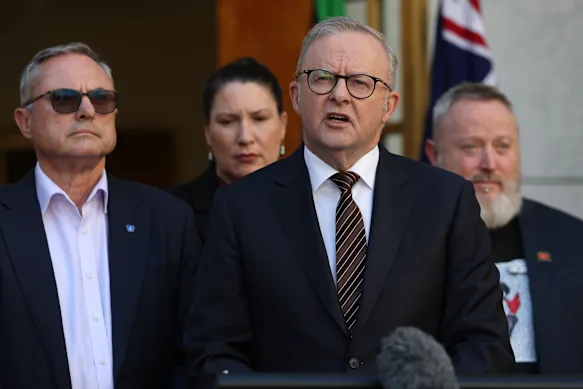
Prime Minister Anthony Albanese is expected to promote the initiative internationally, including during the United Nations general assembly in New York later this month. The government is presenting the legislation as an effort to shift responsibility and decision-making power away from technology companies and towards users.
“This is not about giving government control, it is about giving people control,” Albanese said.
The prime minister has also rejected concerns that technology companies or their powerful owners could retaliate against Australia over the proposed rules. Some major technology executives maintain close relationships with US President Donald Trump, adding a wider geopolitical dimension to Australia’s confrontation with some of the world’s largest digital companies.
Albanese argued that resistance from the technology industry was inevitable because the proposed reforms would change the balance of power between platforms and their users.
The communications minister, Anika Wells, has similarly argued that technology companies have operated recommendation systems without sufficient oversight for too long. She described the proposed reforms as part of a wider international reassessment of the responsibilities of major technology companies.
“There is a global reckoning coming for big tech,” Wells said, arguing that Australia had already taken a leading role through its social media minimum-age legislation.
However, the proposal is facing political opposition and questions about whether the government has gone too far. Australia’s opposition Liberal and National parties have raised concerns about government intervention and warned against measures they believe could amount to internet censorship.
The government will need support from the Greens to secure the legislation’s passage through parliament, while the proposed framework is expected to undergo substantial scrutiny before becoming law.
Greens communications spokesperson Sarah Hanson-Young has argued that the government’s proposal does not go far enough. She criticised the idea of allowing users simply to opt out of algorithms, saying large technology companies could potentially find ways around the rules.
She has called for stronger protections and tougher penalties, including penalties linked to a platform’s global revenue. Her position reflects a broader concern among digital-safety campaigners that voluntary choices or individual settings may not be sufficient to counter systems designed to maximise engagement.
The technology industry has offered a more cautious response. DIGI, an industry group representing companies including Meta, Snapchat and Google, said recommendation systems could help users discover a wider range of material.
At the same time, the group acknowledged public concerns about how algorithmic systems operate and said it supported meaningful choice and control for users, provided that safety risks were also properly managed.
The debate illustrates the difficult balance facing governments. Algorithms can help users discover information, communities and entertainment that they might otherwise never encounter. But the same systems can also repeatedly promote material that attracts strong emotional reactions, potentially creating highly personalised online environments.
For parents and young people, the issue is particularly sensitive. Social media platforms have become an important part of everyday communication, entertainment and information sharing, while concerns about bullying, sexual content, eating disorders, misogyny and other harmful material have intensified.
Campaigner Chanel Contos, founder of Teach Us Consent, described the proposed reforms as an important first step. She argued that technology companies should not be able to introduce potentially harmful features into people’s digital lives without greater consideration of consent and safety.
The proposals have also attracted support from groups concerned about the impact of social media on democratic debate. Tom Mooney, campaign director for Democracy Counts, said giving people greater control over their feeds could help preserve exposure to common facts and a diversity of viewpoints.
His argument reflects a wider concern that personalised recommendation systems can fragment public discussion. When users are repeatedly shown material selected according to their previous behaviour, they may encounter fewer viewpoints that challenge their existing assumptions.
That issue has become increasingly important as social media has become a major source of news for many Australians. The way platforms rank and recommend information can influence what people read, discuss and ultimately believe.
Australia’s approach is also being watched internationally. France, Britain and New Zealand are among countries considering or implementing measures aimed at limiting children’s access to social media. Australia’s earlier restrictions have nevertheless faced questions about their effectiveness, with research suggesting that the measures introduced in December have produced only limited changes.
The proposed algorithm legislation therefore goes beyond simply restricting access. It focuses on the mechanisms that determine what users encounter once they are already inside digital platforms.
The legislation is expected to be introduced to parliament before Christmas, but it is unlikely to become law without extensive public consultation, parliamentary scrutiny and negotiations. Technology companies, civil liberties advocates, child-safety campaigners and political parties are likely to push for changes during that process.
At the heart of the debate is a question that extends well beyond Australia: how much control should individuals have over the digital systems that shape their daily lives?

The Australian government believes users should have the ability to reject automated recommendations and make their own choices. Critics fear that stronger regulation could give governments too much influence over online speech, while campaigners argue that voluntary controls leave technology companies with too much power.
Whatever the final form of the legislation, Australia’s proposal is likely to add momentum to a growing international debate over algorithmic accountability. As governments increasingly examine how digital platforms affect children, public discourse and mental wellbeing, the pressure on technology companies to explain and modify their systems is likely to continue.
For Australian users, the proposed “my feed, my way” system could ultimately mean a simple but significant change: greater choice over whether an algorithm decides what comes next on their screens.
Related News:
 Artemis II Returns After Historic Moon Flyby
 Reform UK funding: mystery billionaire revealed
 UK firms accused of ‘AI washing’ boom
 UK Risks Falling Behind in AI Race
 UK New Car Discounts Near £6,000 as Prices Are Slashed
 Artemis II astronauts capture Earth en route to the Moon
 Apple at 50: Three Products That Changed How We Live
 Europe EV Demand Surges as Fuel Prices Rise
 Canadian astronaut French words ease language row
 Chornobyl Still at Risk 40 Years After Disaster
 RAF Typhoons scrambled amid Russian drone threat near Nato
 Disneyland Adds Facial Recognition at Entrances
 Canadian Fiddler Sues Google Over AI Defamation Claim
 Doomsday Clock Nears Midnight Amid Global Crises
 Britons Build Emergency Supplies Amid Rising Fears
 Farage and Reform UK Reshape British Politics
 Starmer Leadership Under Pressure After Setbacks
 British Paralympian to Become First Disabled Astronaut in Orbit
 Unlocking the Genome: The Quest to Sequence Tardigrades
 Meta Drops AI Image Tool After Privacy Backlash
 London’s 2026 ‘Great Stink’ Raises Sewer Concerns
 Gen Z turns to BirdTok for a gentler digital escape
 Ghent Professors Questioned Cofnas Appointment
 AI Loss of Control Incidents Nearly Double
 British Man Faces Deportation Threat in Sweden
 London Launches First Self-Driving Taxis
 Green Leader Targets Starmer’s Former Seat
 Masked Protesters Bring Dover Port Traffic to Standstill
 British AI Startup Outshines Human Forecasters in Global Prediction Contest
 UK Fighter Jet Purchase Could Breach Nuclear Treaty, Warns CND
 Cooper Unveils £4m Cyber Plan Against Russian Hackers
 UK Bans Fake Numbers: Scammers Lose Their Trick
 Just Stop Oil Protesters Convicted Amid Climate Defence Row
 Patients to Test Health at Home to Ease NHS Winter Pressure
 Britain deploys RAF specialists to assist Belgium with drone threats
 Palace May Restore Hyphen to Andrew Mountbatten-Windsor’s Name
 Northern Lights may illuminate UK skies this week
 Royal Navy Shadows Russian Warships Entering the Channel
 Coffins Now Too Large to Cremate Amid Rising Obesity Crisis
 AI job losses UK: Britain faces sharper employment shock
 Starmer Condemns ‘Depraved’ Russian Strikes on Ukraine
 Childnet Censorship Row Over Teen Safety Speeches
 Trump Tariffs Threat Spark UK and EU Alarm
 Facial Recognition Error Leads to Wrongful Arrest in Milton Keynes
 Iranian Australian community divided after vigils
 UK Rescue Flight Delayed Amid Middle East War
 Cancer Death Rate in Britain Falls by Nearly a Third
 Gordon Brown urges court for crimes against children
 The Kill Line: A Shifting Vision of the American Dream
 Scientists Unveil Heavier Proton at CERN LHC
 Rising Costs Force Families to Rethink Days Out
 Teen Admits Filming Westfield Chair Prank
 Army Probes Apache Flyover at Kid Rock’s Nashville Estate
 Artemis II: Humanity Returns to the Moon After Decades
 Relationship with Trump may be beyond repair, Starmer warned
 Robots Outpace Humans in Beijing Half-Marathon
 UK Stands Firm on Falklands Amid US Rift
 Greens Face Internal Row Over Antisemitism Claims
 RFU Backs Borthwick Despite England’s Poor Six Nations
 Barrister Criticises Trial After Suicide Case Verdict
 Fear and Betrayal: The Chilling Case of Kouri Richins
 Pope Meets Families in Italy Toxic Waste Zone
 Cannes filmmakers split over AI’s role in cinema
 Tech Trends and the Battle Against Exam Hall Cheating
 Stolen Mobiles Could Soon Become Useless Bricks
 Britain’s Crowning Butterfly Takes the Nation by Storm
 UK Ministers Lobby Trump Over Under-16s Social Media Ban
 British Teens in EU Face Soaring UK University Fees
 England and Norway Fans Turn Miami Into World Cup Carnival
 UK Schools Struggle as Classrooms Top 40C
 London Tube Heat Reaches Dangerous Levels
 Olympus Awaits Unesco Heritage Recognition
 Westminster Council Threatens Charing Cross Soup Kitchen
 Burnham unveils £65m drought aid for farmers
 Former Diplomats Urge UK and France to Act on Palestine
 Queue row erupts on Wales’ highest mountain
 RAF Barnham Protests Fuel Tensions in Norfolk Town
 British Museum Faces Questions Over Peter Thiel’s Private Bayeux Viewing
 Bayeux Tapestry Revives Franco-British Ties
 UK Subsidence Claims Surge After Record-Breaking Summer