Published: 29 April 2026. The English Chronicle Desk. The English Chronicle Online
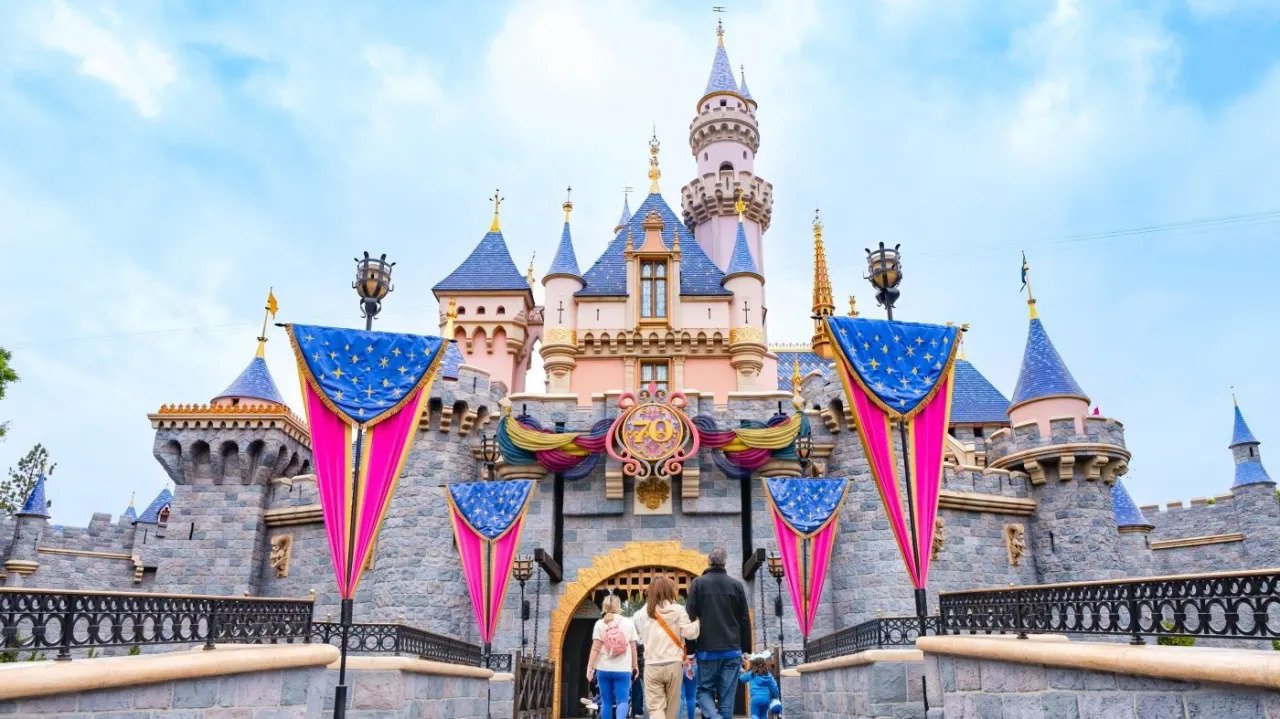
Disneyland in California has begun introducing facial recognition technology at selected entrance lanes, marking a significant step in the growing use of biometric systems within major entertainment venues. The move, confirmed by its parent company The Walt Disney Company, is aimed at preventing fraud, improving security, and streamlining guest re-entry into the park.
According to company information, the system uses cameras installed at designated entry points to capture images of visitors. These images are then processed through biometric software, which converts facial features into unique numerical identifiers. The technology is designed to verify whether a visitor has already entered the park or is attempting to misuse annual passes.
Disneyland, one of the flagship parks under The Walt Disney Company, has emphasized that guests will not be forced to use lanes equipped with facial recognition. Visitors will have the option to choose alternative entry lanes that do not involve biometric scanning, ensuring a degree of flexibility for those concerned about privacy.

The introduction of this system reflects a broader trend in the global entertainment and technology industries, where facial recognition is increasingly being used to enhance convenience and security. Similar systems are already in place at several sports venues, including Major League Baseball stadiums, where “hands-free entry” allows fans to enter using pre-uploaded facial data linked to ticketing systems.
However, the expansion of facial recognition technology continues to spark debate over privacy and surveillance. Civil liberties advocates have repeatedly raised concerns about how biometric data is collected, stored, and potentially misused. Critics argue that widespread adoption of such systems could lead to increased monitoring of individuals in public spaces without adequate consent or oversight.
Privacy concerns have also intensified following reports that technology companies are exploring broader applications of facial recognition. Some firms are reportedly integrating biometric features into wearable devices such as smart glasses, raising questions about continuous recording and real-time identification in everyday environments. Law enforcement use of similar technologies has also faced scrutiny due to reported cases of misidentification and wrongful arrests, particularly affecting minority communities.
The American Civil Liberties Union has previously warned that normalizing facial recognition in public venues could set a precedent for mass surveillance. Experts argue that as more industries adopt biometric systems, individuals may increasingly find their physical identity treated as a digital access key in public and private spaces.
Disney has stated that it has implemented “technical, administrative and physical measures” to safeguard visitor data. However, the company also acknowledges that no security system is entirely immune to risks, highlighting the inherent challenges of managing sensitive biometric information.
This is not the first time The Walt Disney Company has experimented with facial recognition technology. The company previously tested similar systems at its Orlando-based Magic Kingdom park in 2021 and later expanded trials to Disneyland in 2024. These pilot programs helped shape the current limited rollout now being observed at select entrance lanes.

Industry observers suggest that the introduction of facial recognition at Disneyland could signal a gradual shift toward a more automated and data-driven theme park experience. From ticketing to entry management, biometric technology is increasingly being positioned as a tool to enhance efficiency while reducing operational friction.
At the same time, experts caution that public acceptance will play a crucial role in determining the long-term future of such systems. While some visitors may welcome faster entry and reduced waiting times, others may remain hesitant about sharing biometric data in recreational spaces.
As debates over privacy, security, and technological convenience continue, Disneyland’s latest move places one of the world’s most iconic entertainment destinations at the centre of a broader global conversation about how far biometric surveillance should extend into everyday life.
Related News:
 Reform UK funding: mystery billionaire revealed
 Gen Z turns to BirdTok for a gentler digital escape
 Australia to Ban Social Media for Kids Under-16 Starting December
 Toxic e-waste found in dolphins raises urgent health concerns
 Artemis II Returns After Historic Moon Flyby
 Harry and Meghan’s Australia Visit Sparks Debate
 Robots Outpace Humans in Beijing Half-Marathon
 Gene Therapy Wins Major Prize for Restoring Vision
 Canadian astronaut French words ease language row
 Chornobyl Still at Risk 40 Years After Disaster
 RAF Typhoons scrambled amid Russian drone threat near Nato
 Meta Faces EU Action Over Child Safety Breach
 Older Than Dinosaurs: Secrets of Mayfly Dance Revealed
 Inside the World of AI Jailbreakers
 Canadian Fiddler Sues Google Over AI Defamation Claim
 Doomsday Clock Nears Midnight Amid Global Crises
 Dua Lipa Sues Samsung for $15m Over TV Box Image Use
 Whistler’s Mother and why its fame frustrated artist
 UK firms accused of ‘AI washing’ boom
 Cannes filmmakers split over AI’s role in cinema
 British Paralympian to Become First Disabled Astronaut in Orbit
 Unlocking the Genome: The Quest to Sequence Tardigrades
 Meta Drops AI Image Tool After Privacy Backlash
 Can Anyone Replace Graham Norton? Chat Show Challenge
 Weight-Loss Drugs Offer Food Savings Mainly to High Earners
 London’s 2026 ‘Great Stink’ Raises Sewer Concerns
 Virgin Trains Moves Closer to Challenging Eurostar Monopoly
 Kate Winslet to Narrate Film Highlighting King’s Environmental Mission
 UK Bans Fake Numbers: Scammers Lose Their Trick
 Vibe coding’ named Collins dictionary’s word of the year
 Patients to Test Health at Home to Ease NHS Winter Pressure
 Britain deploys RAF specialists to assist Belgium with drone threats
 From Lego to Pokémon: How Adults Are Driving UK Toy Market Growth
 Stop using ChatGPT to write speeches, AI minister tells MPs
 Northern Lights may illuminate UK skies this week
 New AI tool could cut wasted efforts in organ transplants
 Sundar Pichai Cautions on AI Hype and Market Risks
 Google Chief Urges Caution: Don’t Trust AI Blindly
 Director Michael Caton-Jones Reflects on Career and Beginnings
 Rusty Bond-Era Aston Martin Restored to £1m Glory
 Google Removes Some AI Health Summaries Over Safety Concerns
 EU launches Grok AI probe into X over explicit images
 ABC Facebook Page Briefly Hacked, Adult Photos Posted
 Meta trial over child exploitation claims begins
 John Lithgow criticises Rowling stance in trans debate
 Draco Malfoy Emerges as Lunar New Year Icon in China
 Autistic Girls Often Missed in Childhood Diagnoses, Study Finds
 BT Names New Openreach Chief Amid Major Fibre Expansion
 Tech Trends Set to Transform Life in 2026
 Ocean Warming Drives Massive Marine Life Loss, Study Warns
 Stewart Brand on Musk, Bezos and a Life of Long Thinking
 Facial Recognition Error Leads to Wrongful Arrest in Milton Keynes
 Zorevunersen Breakthrough for Dravet Syndrome
 The Kill Line: A Shifting Vision of the American Dream
 ‘Drinking from a Fetid Pond’: Superbug Genes in Lough Neagh
 Rising Costs Force Families to Rethink Days Out
 Ticketmaster Fees Rise Despite Recent US Junk Fee Crackdown
 Scott Mills Sacked by BBC Over Personal Conduct Claims
 M&S Demands Urgent Action on Rising Violent Retail Crime
 UK Banks to Deploy Controversial Mythos AI Tool Next Week
 Stephen Fry Sues Tech Organisers For £100k Following Stage Fall
 WHO approves first malaria drug for babies
 Greens Face Internal Row Over Antisemitism Claims
 China Fireworks Factory Blast Kills 21 in Hunan
 Trump Lands in Beijing for High-Stakes Summit with Xi
 Court Upholds Landmark Win for Transgender Rights
 Pope Meets Families in Italy Toxic Waste Zone
 Starmer Leadership Under Pressure After Setbacks
 Saving the Scalloped Hammerhead: The Pacific Battle
 Stolen Mobiles Could Soon Become Useless Bricks
 UK Ministers Lobby Trump Over Under-16s Social Media Ban
 BBC Faces Backlash Over Ashley Cain Vetting Failures
 Trump’s Mount Rushmore Speech: A Divisive Anniversary
 Taylor Swift and Travis Kelce Marry at Madison Square Garden
 Sydney Records Hottest June Since 1859 as Expert Warns New High a ‘Signature’ of Global Warming
 Record £28m Fine for Virgin Media Over Cancellation Woes
 Telstra Software Fault Triggers Massive Nationwide Outage
 UK Schools Struggle as Classrooms Top 40C
 London Tube Heat Reaches Dangerous Levels
 Westminster Council Threatens Charing Cross Soup Kitchen