Published: 29 April 2026. The English Chronicle Desk. The English Chronicle Online.
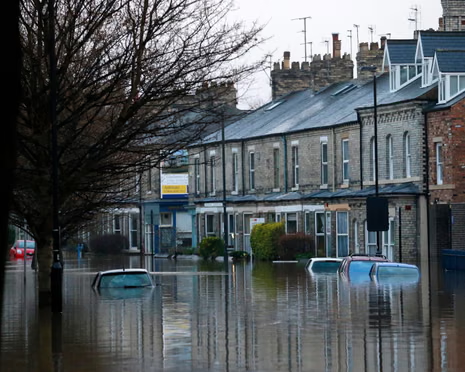
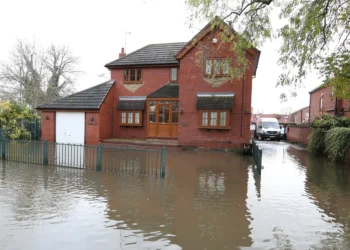
A startling reality has emerged regarding the future of housing across the English landscape. Recent analysis from the National Housing Federation highlights a severe and growing environmental danger. Currently, eight in every ten homes at high risk of flooding are in urban areas. This sobering figure reveals that our towns and cities are facing a significant new challenge. The scale of this issue suggests that traditional infrastructure may no longer be fully adequate. Experts emphasize that this situation requires immediate national attention to protect many vulnerable residents. Research indicates that 839,000 homes in these urban environments are now at high risk. This represents a staggering threefold increase in such dangers since the year of 2018. The concentration of this risk is particularly high in specific parts of the country. Constituencies including Thurrock, Basildon, and Bootle are seeing the highest proportions of danger. Areas of London such as Hackney, Barking, and Tottenham are also listed among them. These specific regions contain some of the highest concentrations of social housing tenants today.
The definition provided by the Environment Agency clarifies the severity of this ongoing situation. A home is deemed at high risk if it faces a one-in-thirty chance of flooding. Such events are driven by a combination of extreme rainfall and our ageing drainage systems. Furthermore, the rapid pace of urbanisation is significantly exacerbating these already difficult water management problems. Surface water flooding occurs when rainwater cannot disperse effectively through our existing local drain networks. This phenomenon is currently causing immense disruption to daily life in many crowded urban settings. Forecasts from the Environment Agency suggest that property risk levels may treble within fifty years. This projected escalation poses a direct threat to the stability of many local communities nationwide. The National Housing Federation notes that social housing residents are disproportionately impacted by this trend. Statistics show that in the ten worst-affected constituencies, many households reside in social housing.

The human element of this crisis highlights the deep inequality inherent in climate impacts. Many social tenants lack contents insurance due to the high costs associated with such policies. Consequently, these individuals are far more exposed to the devastating financial losses from water damage. Data indicates that only one in three of the poorest households maintain any contents insurance. This stands in stark contrast to nine in ten homeowners who hold such protection plans. Tracey Garrett of the National Flood Forum advocates for a necessary shift in water management. She argues that current drainage systems are simply overwhelmed by the effects of climate change. Many households now experience repeated flooding, which brings immense stress and long-term financial uncertainty. Those living in social housing often struggle to adapt to these frequent and costly events. There is a profound concern that these residents possess the least ability to protect homes. Furthermore, many people are afraid to report flooding issues for fear of losing their tenancies.
The personal narrative of Ann Hoyles illustrates the profound emotional toll of these persistent floods. Her bungalow in Warrington suffered total devastation during a flood event on New Year’s Day. As someone with arthritis, she found the experience of being rescued by boat truly terrifying. She had invested her life savings into renovating the property to be her forever home. Although she had some insurance, the policy was limited and failed to cover all costs. The contaminated water caused severe damage to her belongings, leaving her without basic life necessities. Stories like hers are unfortunately becoming a more common occurrence for residents across England today. The psychological impact of losing one’s home in this manner is extremely difficult to overstate. Many residents live in constant fear whenever heavy rain starts to fall in their area. This climate-driven anxiety is becoming a shared burden for many thousands of families each year.
The perspective from housing associations adds another layer to this complex and unfolding national dilemma. Paul Warburton of the Torus housing association shares the significant financial strain faced by organisations. His association spent half a million pounds dealing with the aftermath of a single flood. Such vast sums could have otherwise been directed toward building new, much-needed social housing units. Flooding has rapidly become one of the most pressing financial challenges for these vital organisations. The rising cost of insurance for these properties creates an ongoing strain on limited budgets. Beyond insurance, there are immense costs for temporary accommodation and the moving of furniture. The last major flood event took fifty-two homes out of use for twelve months total. This reality highlights the precarious nature of managing social housing in high-risk urban environments.

There is a growing fear that some properties may eventually become entirely unsuitable for residents. If these patterns persist, housing providers might face the prospect of abandoning certain older sites. This would represent a significant loss of precious housing stock during a period of demand. The need for comprehensive, long-term solutions is clearer now than it has ever been before. While housing associations invest resources into protection, this remains a nationwide problem for the government. Infrastructure upgrades must be prioritised to address the systemic failures of our current drainage systems. Failing to act now risks leaving thousands of families exposed to the next major deluge. We must consider the long-term sustainability of our urban planning and essential public infrastructure. Protecting the most vulnerable residents should be the primary focus of all future policy efforts. Only a coordinated national response can hope to address the root causes of this crisis. The future of safe, secure housing in England depends on the strength of these actions.
Related News:
 ‘Extinct’ Antelope Returns to Sahara, Bringing Hope
 Norfolk Coastal Graves at Risk as Erosion Deepens Family Anguish
 Eden Project Founder Celebrates 25 Years of Nature’s Hope
 Winter plant bloom signals climate breakdown in UK
 UK Homes May Skip Batteries in New Green Rules
 Avocado Crisis: The Hidden Violence Behind Exports
 Smaller farms funding prioritised in England nature plans
 Dutch Nationwide Fireworks Ban Expected to Transform New Year Traditions
 Storm Goretti leaves Cornwall homes without power
 Wildlife Targets at Risk in England and Northern Ireland
 BP’s Influence Sparks Controversy in UK STEM Education
 Polycrisis Anxiety Leaves Many Feeling Trapped in the Present
 Kent Residents Continue Facing Water Supply Disruptions
 Antarctic Penguins Shift Breeding Season Amid Climate Change
 No Gas Boiler Ban as UK Warm Homes Plan Backs Heat Pumps
 Judi Dench Champions Fight to Save London’s Green Spaces
 Half the World’s Largest Cities Face Rising Water Stress
 Record-Breaking Heat Looms Over South-East Australia as Catastrophic Fire Risk Escalates
 UK joins North Sea wind grid pact with nine European nations
 Devon hosts first high-density hydro power system
 US-Style Pickup Trucks Surge on UK Roads
 Storm Chandra floods Somerset, triggers major incident declaration
 How Sandhill Ashes Rebuilt a Bushfire-Hit Rural Community
 Storm Chandra flooding leaves England on high alert
 Reform UK Taps Boris Ally to Shape Party Nature Agenda
 James Valentine Retires from ABC After Cancer Battle
 UK Pfas Action Plan Faces Criticism From Environmentalists
 Wigan Dump Crisis Sparks Health and Safety Alarm
 Norway’s Petrol Car Sales Hit Record Low Amid EV Surge
 Fish disco plan could save 90% of fish at Hinkley C
 Santos Wins Landmark Greenwashing Case in Court
 Gentoo Penguins First Birds on Australian Territory Hit by Bird Flu
 Flood risk homes surge across England builds
 Chikungunya Spread in Europe Climbs as Climate Warms
 Deer Shooting England: New Plan to Protect Woods
 Illegal Waste Dumping: New Drone Unit Launched
 Scotland’s Emissions Plans Face Criticism for Over-Reliance on Technology
 Germany Faces Backlash Over Scrapped Renewable Heating Mandate
 Group Expands Legal Claim Over South West Water Pollution
 Scotland’s Climate Plans Face Scrutiny Over ‘Science Fiction’ Targets
 Humans – not Mimmo the dolphin – need managing in Venice lagoon
 Ocean Warming Drives Massive Marine Life Loss, Study Warns
 Ancient Stepwells Revived Amid India’s Deepening Water Crisis
 Tropical Flowers Shift Blooming Due to Climate Crisis
 Death Valley Blooms Signal Potential Superbloom Year
 Greenpeace $345m Ruling Sparks Appeal Battle
 Wood burner legal threats spark council row
 South East Water Fined £22.5m for Repeated Supply Failures
 Yorkshire Water Funding Sparks Debate Amid Fines and Pay Row
 Net Zero Cheaper Than One Fossil Fuel Crisis, UK Told
 Musk’s xAI Permit Sparks Fury Over Power Plant Expansion
 London Considers New SUV Charges to Improve Road Safety
 The Truth Behind Rising Energy Costs and Fossil Fuel Myths
 ‘Drinking from a Fetid Pond’: Superbug Genes in Lough Neagh
 MPs Slam Agency Over Failing Fight Against Waste Dumping
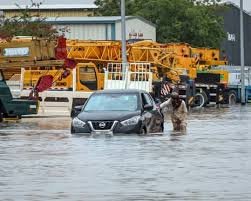 Middle East Deluge: Freak Storms Bangle Desert Nations
 Trump to Deploy “God Squad” Over Gulf Wildlife Protections
 The Secret Identity Behind the Enfield Oak Felling
 Evacuations Ordered as California Wildfires Spread Fast
 UK Records Earliest Spring as Nature Awakens Fast
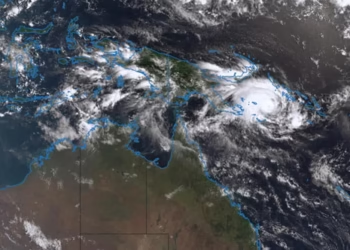 Queensland Braces for Potential Second Severe Cyclone Hit
 Tragic End to Outback Search as Floods Claim a Life
 UK Fossil Fuel Expansion Risks Global Climate Collapse
 Cyclone Maila Intensifies to Category Five Strength
 Miles Jupp: How the Magic of the Ashes Sparked a Bold Blag
 Britain Must Break Its Long Addiction To Toxic Herbicides
 RSPB Urges Summer Bird Feeder Removal to Curb Disease
 The Toxic Scent Destroying Life in a Lancashire Town
 Britain Facing Sharp Decline in Rare Butterfly Species
 15 Million Oysters Set to Revive UK Marine Ecosystems
 Fuel Prices Drop Despite Geelong Refinery Blaze
 Big Tech Lobbies EU to Hide Massive Datacentre Emissions
 Medellín’s Green Revolution: A Global Climate Blueprint
 Celestial Magic: The Lyrid Meteor Shower Returns
 Ancient Cattle Breed Faces Urgent Risk of Extinction
 Nature Watchdog Accused of Halting Vital Site Protections
 Fury in Cornwall over herbicide plan to tackle weeds
 Broken Promises: Murray-Darling River Crisis Deepens
 Governments Fail Murray-Darling River Projects
 Renewable Energy as a Strategic Shield for UK Security