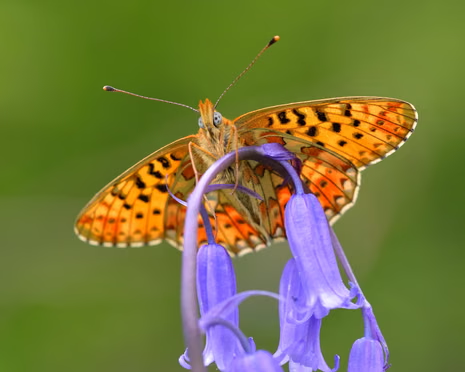
Published: 15 April 2026. The English Chronicle Desk. The English Chronicle Online.
The British countryside is currently facing a very quiet and deeply concerning transformation today. New data shows that over half of our butterfly species are now in decline. This news comes from the latest report by the UK Butterfly Monitoring Scheme results. The findings highlight a very worrying trend for our most cherished winged garden visitors. Many people across the United Kingdom enjoy seeing these colorful insects during the summer. However the latest scientific figures suggest a much darker reality for many local species.
While some common butterflies are stable the rarer habitat specialists are suffering very badly. These specific butterflies rely on very particular plants and unique environments to survive successfully. The high brown fritillary has seen its population drop by sixty six percent lately. Even worse the pearl bordered fritillary has declined by seventy percent over recent decades. The white letter hairstreak has faced a devastating eighty percent loss in its numbers. These figures represent a massive blow to the natural biodiversity of our green islands.
Richard Fox serves as the head of science at the Butterfly Conservation charity. He explains that the situation is not quite a total insect Armageddon yet. However the long term data clearly shows a steady decline over fifty years. Habitat specialist butterflies are feeling the most pressure from our changing modern world. These species need very specific conditions such as sunlit woodlands or flowery grasslands. Without these exact environments the butterflies simply cannot find enough food or shelter.

The loss of traditional woodland management is a major cause of this crisis. In the past people practiced coppicing which kept our British woods light and airy. This traditional method created sunny patches where wild flowers could grow very easily indeed. Today many of our forests have become too dense and dark for butterflies. As the sunlight disappears the flowers that caterpillars eat also begin to vanish. This change has made species like the high brown fritillary become very rare.
Environmental pollution is also playing a very hidden but dangerous role in this. Nitrogen pollution from vehicles acts like a strange type of invisible liquid fertiliser. This nitrogen rains down on our plants and changes how they grow naturally. It causes common grasses to grow much taller and thicker than they should. This extra height creates too much shade on the ground for young caterpillars. The cooling effect prevents the larvae from growing at a healthy natural rate.
Global heating is another factor that is impacting our butterfly populations quite indirectly. Warmer weather combined with nitrogen is shifting the balance of our plant life. Specialist herbivores like butterfly caterpillars are very sensitive to these chemical plant changes. When the makeup of a plant changes the caterpillar might stop eating it. This leads to a slow starvation of entire generations of rare British butterflies. The delicate balance of our local ecosystems is being thrown off very quickly.
The UK Butterfly Monitoring Scheme has been tracking these changes for fifty years. This massive project is run by several leading environmental and conservation groups together. It relies on the incredible work of thousands of dedicated volunteer citizen scientists. These volunteers have walked over one point five million kilometres to collect data. They visit over seven thousand sites across the country every single summer week. Their hard work provides the evidence we need to understand this natural crisis.
Professor Chris Thomas from the University of York praises this long term monitoring. He believes that the scheme is an exceptional achievement for British science today. It allows us to see exactly how our environment is changing over time. Interestingly the data shows that forty three percent of species actually increased slightly. This proves that some butterflies are adapting well to the changing British climate. However the success of a few does not hide the struggle of many.
The year twenty twenty five was recorded as the sunniest year for Britain. Despite the beautiful sunshine butterflies did not have a record breaking year at all. It was only ranked as the twentieth best year since nineteen seventy six. Not a single butterfly species recorded its best ever population numbers last year. This suggests that good weather alone cannot fix the problems of habitat loss. Nature needs more than just sun to thrive in a modern industrial world.
There are some very bright spots of hope in this recent scientific report. The large blue butterfly was once declared extinct in Britain back in nineteen seventy nine. Thanks to careful conservation efforts it was successfully reintroduced to the Somerset hills. Since nineteen eighty three its numbers have soared by over one thousand percent now. This proves that we can save species if we provide the right habitat. Other butterflies like the black hairstreak are also showing some very positive growth.
Richard Fox compares the loss of butterflies to the decline of high streets. We are losing variety and diversity in our landscapes just like local shops. A simplified landscape is a much lonelier place for both humans and wildlife. We are losing the traditional skills and natural beauty that define our nation. The battle to protect these insects is becoming more urgent every single year. Conservationists know exactly what needs to be done to help these struggling species.

The primary solution is to create more high quality habitats across the country. We must protect our remaining ancient woodlands and restore our beautiful wildflower meadows. This requires more funding and more public support for local conservation projects today. Butterfly Conservation has been fighting this battle for more than five decades now. However they cannot do this work alone without help from the British government. We need a national effort to bring the color back to our countryside.
Every garden in the United Kingdom can play a small part in this. Planting native flowers helps provide vital corridors for butterflies to move around safely. Avoiding harsh chemicals and pesticides is also a great way to support insects. If everyone makes a small change the impact on nature could be massive. We have the knowledge and the tools to stop this worrying decline today. The future of our butterflies depends on the actions we take right now.
The English Chronicle encourages readers to support their local wildlife trusts and groups. Protecting the small things in nature helps keep the entire planet very healthy. Butterflies are a vital indicator of the health of our local British environment. When they struggle it is a sign that something is very wrong indeed. Let us work together to ensure these beautiful creatures remain in our skies. We must cherish the natural heritage that makes our country so very special.
As we look toward the future the data provides a clear roadmap. We must prioritize nature recovery in all of our land management decisions today. The success of the large blue butterfly shows that recovery is truly possible. We just need the collective will to make space for nature to thrive. Our children deserve to see the same flutter of wings we once enjoyed. It is time to act before these silent gems disappear from us forever.
Related News:
 Norfolk Coastal Graves at Risk as Erosion Deepens Family Anguish
 Winter plant bloom signals climate breakdown in UK
 Dog Food Emissions: 1% of UK Greenhouse Gas Revealed
 Storm Goretti leaves Cornwall homes without power
 Kent Residents Continue Facing Water Supply Disruptions
 Water firms may avoid fines under UK water reform plan
 No Gas Boiler Ban as UK Warm Homes Plan Backs Heat Pumps
 Judi Dench Champions Fight to Save London’s Green Spaces
 UK joins North Sea wind grid pact with nine European nations
 Devon hosts first high-density hydro power system
 Storm Chandra floods Somerset, triggers major incident declaration
 Storm Chandra flooding leaves England on high alert
 UK Pfas Action Plan Faces Criticism From Environmentalists
 Wigan Dump Crisis Sparks Health and Safety Alarm
 Fish disco plan could save 90% of fish at Hinkley C
 Flood risk homes surge across England builds
 Deer Shooting England: New Plan to Protect Woods
 Illegal Waste Dumping: New Drone Unit Launched
 Group Expands Legal Claim Over South West Water Pollution
 Scotland’s Climate Plans Face Scrutiny Over ‘Science Fiction’ Targets
 Wood burner legal threats spark council row
 South East Water Fined £22.5m for Repeated Supply Failures
 Yorkshire Water Funding Sparks Debate Amid Fines and Pay Row
 Net Zero Cheaper Than One Fossil Fuel Crisis, UK Told
 Welsh Water Faces £44.7m Enforcement Over Sewage Breaches
 London Considers New SUV Charges to Improve Road Safety
 New £10bn rescue plan offered for Thames Water
 MPs Slam Agency Over Failing Fight Against Waste Dumping
 RNLI Beach Rescues Surge as Coastal Popularity Hits New High
 UK Records Earliest Spring as Nature Awakens Fast
 RSPB Urges Summer Bird Feeder Removal to Curb Disease
 Toxic ‘Forever Chemicals’ Threaten Southern English Coast
 Toxic Flea Treatments Devastating UK Rivers and Wildlife
 UK Faces Mass Water Shortages by 2055, Lords Warn
 Saving Our Lost Rainforests: The Battle for Dartmoor
 Outrage in Surrey as Vital Nesting Colony of Endangered Swifts is Entirely Demolished
 The Hidden Cost of Our Oceans
 Whitehall Steps In: The Battle Over Thames Water Deepens
 UK Seas Face Extreme Heatwave as Global Temperatures Surge
 UK Pets Face Heatstroke Risks Even While Resting Indoors
 New Debt Limits Proposed for England’s Water Sector
 South East Water Faces £30.5m Penalty for Supply Failures
 Three-Quarters of England’s Riverbanks Still Off Limits
 Reeves Faces Setback as Labour May Miss Homes Target
 Kate Winslet to Narrate Film Highlighting King’s Environmental Mission
 Trump’s UK Ambassador Urges North Sea Drilling to Strengthen US Ties
 UK Bans Fake Numbers: Scammers Lose Their Trick
 Millionaires group urge Reeves to introduce wealth tax to ‘lift kids out of poverty’
 Reeves rejects £1bn plea for NHS redundancy payouts
 PM Condemns Leaks, Vows Loyalty to Ministers and Stability
 Inside the Helpline Protecting Missing Children in the UK
 PlayStation PS5 Deals Hit Lowest Prices Ahead of Black Friday
 Five-Year-Old Dies After Rare Tonsil Surgery Complication
 Starmer Says Labour’s Economic Plan Needs Years to Deliver
 ‘Extinct’ Antelope Returns to Sahara, Bringing Hope
 Starmer Faces Parliamentary Battles Over UK-EU ‘Reset’ Plan
 Met Police Vetting Failures Let Serial Rapists Remain
 Inquiry into HMRC child benefit errors launched by NAO
 Rising Costs Force Families to Rethink Days Out
 Extreme Weather: Europe Shivers as Cyclone Narelle Hits
 Scott Mills Sacked by BBC Over Personal Conduct Claims
 Palantir Boss Defends NHS Deal Amid Government Break Clause
 Relationship with Trump may be beyond repair, Starmer warned
 UK Government Poised to Revive Stalled Hillsborough Law
 Medellín’s Green Revolution: A Global Climate Blueprint
 Urban Flood Crisis: A Growing Threat to English Homes
 New AI Tool To Target Obesity Risk And Transform NHS Care
 Greens Face Internal Row Over Antisemitism Claims
 Met Officers Probed Over Al Fayed Abuse Allegations
 Reform UK Faces Crisis as Newly Elected Councillors Resign
 Starmer Strikes Back as 100 MPs Sign Support Pledge
 UK Firms Freeze Spending as Iran Conflict Bites
 Reeves to Fast-Track Clean Energy Amid Iran Crisis
 The Battle for Wembley Sparking Unprecedented Legal Warfare
 Secret Role of UK Security Services in Troubles Amnesty Law
 Tube Strike Brings Capital to a Standstill Over Shift Disputes
 Teaching Machines Right From Wrong in the Digital Age
 The Hidden Crisis Eroding Trust in British Communities
 Stolen Mobiles Could Soon Become Useless Bricks
 Clean Air Initiatives Spark Major Fall in London Hospital Admissions