Published: 17 April 2026. The English Chronicle Desk. The English Chronicle Online.
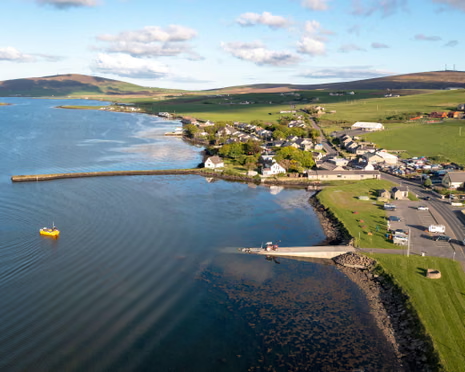
The cold waters of the North Sea are currently witnessing a historic environmental transformation today. A massive rewilding project aims to release over fifteen million juvenile oysters into the deep blue. This ambitious initiative focuses on the rugged coastal waters surrounding the beautiful islands of Orkney. Experts believe this specific scheme represents one of the largest marine restoration efforts in British history. The project utilizes a unique rearing process to ensure the survival of these young molluscs. Scientists expect the new oyster beds to create a powerful and positive trophic cascade effect. This biological chain reaction will likely provide significant climate and ecological benefits for decades. Richard Land is the leading marine expert who is currently overseeing this massive environmental undertaking. He claims the project will have a profound impact on the entire regional marine ecosystem. The benefits will extend far beyond the seabed to help fish and local bay life. Sea mammals and various seabirds will also find new resources within this restored natural habitat. The Green Britain Foundation is collaborating with several key partners to manage this vital work. The Nature Restoration Fund and Marine Fund Scotland are providing essential support for the scheme. North Bay Innovations is also contributing technical expertise to ensure the project reaches its goals. Together these groups hope to create a successful template for future coastal restoration projects. This Orkney initiative serves as a primary blueprint for wider reintroduction plans across Europe. Native oyster beds were once a fundamental part of the diverse UK marine landscape. Historical records show these reefs once covered vast areas along the entire British coastline. Some ancient oyster beds in the North Sea were reportedly the size of Wales. However the Industrial Revolution brought about a massive shift in how society used oysters. These shellfish became a primary and very popular food source for many urban workers. Londoners alone consumed an estimated seven hundred million oysters during the mid nineteenth century. This intense level of overfishing quickly depleted the once abundant natural stocks of shellfish. Increased industrial pollution and shifting climate patterns further damaged the fragile marine environment. Authorities also deliberately removed many oyster reefs to clear essential channels for merchant shipping. These combined factors triggered what modern scientists now describe as a devastating negative ecological cascade. Decimated populations of oysters led to the collapse of many other interdependent marine subspecies. The loss of these natural filters resulted in a significant decline in overall water quality. However the new restoration project near Orkney offers a bright glimmer of genuine hope. Modern experts believe that rebuilding these reefs can effectively tackle the ongoing climate crisis. Thriving coastal waters are essential for maintaining the health of our planet and oceans. Dale Vince is the founder of the Green Britain Foundation and supports the scheme. He points out that oyster reefs can sequester significant amounts of harmful carbon dioxide. The project aims to establish a new bed covering over one hundred hectares. This specific area could potentially sequester seventy six tonnes of carbon dioxide every year. The ultimate goal is to stimulate the natural spawning of these vital oyster beds. Established reefs could eventually capture over one thousand times more carbon after fifteen years. This long term vision highlights the incredible power of nature to heal itself over time. Dale Vince explains that the project focuses on using nature for carbon capture purposes. Restoring native oyster beds is a perfect example of working with the natural world. We can fight the climate crisis and restore biodiversity at the same time today. Reintroducing these oysters is literally breathing new life back into the cold northern seas.

These reefs create vital habitats for a wide variety of other unique marine life. It is a perfect combination of environmental restoration and practical climate change mitigation strategies. The Orkney initiative uses a specialized method to cultivate juvenile oysters on land first. Young oysters grow on plates that are enriched with essential calcium carbonate minerals initially. Once the oysters are stable workers place the plates on long underwater lines. These lines help the young shellfish evade hungry predators during their most vulnerable stage. They stay on these lines until they are large enough to survive alone. Eventually they will form massive reefs made of dozens of other diverse marine species. Scallops and molluscs will find homes within the complex structures of the oyster beds. Various types of algae and seaweed will also thrive on these new living reefs. Invertebrates will flock to the area to create a bustling hub of marine activity. Alistair Carmichael is the local Member of Parliament for the Orkney and Shetland isles. He has publicly welcomed the plan to restore historic wildlife to his local area. The opportunity for carbon sequestration is particularly appealing to many local community leaders. Orkney has a long and very productive history of working with the surrounding seas. It is in the interest of everyone to balance our various marine needs. Protecting the seabed ensures that future generations can benefit from these rich natural resources. Philine Zu Ermgassen from the University of Edinburgh also supports these critical reintroduction schemes. She notes that oyster numbers are currently too low for populations to recover alone. Human intervention is absolutely necessary to jumpstart the recovery of these valuable marine ecosystems. It is very exciting to see how new hatchery techniques are meeting these needs. Innovation is the key to producing enough oysters from local genetic stocks today. Using local genetics ensures that the new oysters are well suited for their environment. This project marks a significant turning point in the battle for marine conservation efforts. The success of the Orkney project could inspire similar actions across the globe soon. Protecting our oceans requires bold ideas and a commitment to long term ecological health. The English Chronicle will continue to monitor the progress of this remarkable rewilding story. As the fifteen million oysters settle they represent a new chapter for British nature. We are watching the rebirth of an ecosystem that was nearly lost to history. This effort proves that we can correct the environmental mistakes of the past century. The future of the North Sea looks much brighter with these tiny architects working. Every oyster released is a small but mighty soldier in the fight for nature. The sheer scale of this project demonstrates a renewed national commitment to the environment. Scientists are hopeful that the data gathered here will inform global marine biology practices. The world is watching as Orkney leads the way in sustainable ocean management today. Restoring the balance of the sea is a gift to all living things. This project reminds us that nature is resilient if we provide a little help. We look forward to seeing the first signs of the thriving new reefs. The North Sea is finally returning to its former glory through this dedicated work. This is truly a landmark moment for conservationists and ocean lovers everywhere today.
Related News:
 ‘Extinct’ Antelope Returns to Sahara, Bringing Hope
 Norfolk Coastal Graves at Risk as Erosion Deepens Family Anguish
 Eden Project Founder Celebrates 25 Years of Nature’s Hope
 Winter plant bloom signals climate breakdown in UK
 UK Homes May Skip Batteries in New Green Rules
 Avocado Crisis: The Hidden Violence Behind Exports
 Smaller farms funding prioritised in England nature plans
 Dog Food Emissions: 1% of UK Greenhouse Gas Revealed
 Dutch Nationwide Fireworks Ban Expected to Transform New Year Traditions
 Storm Goretti leaves Cornwall homes without power
 Wildlife Targets at Risk in England and Northern Ireland
 Dubai Chocolate Craze Inspires South Korea’s Latest Dessert Obsession
 Traces of Glyphosate Found in UK Playground Tests
 BP’s Influence Sparks Controversy in UK STEM Education
 Polycrisis Anxiety Leaves Many Feeling Trapped in the Present
 Kent Residents Continue Facing Water Supply Disruptions
 Water firms may avoid fines under UK water reform plan
 Antarctic Penguins Shift Breeding Season Amid Climate Change
 No Gas Boiler Ban as UK Warm Homes Plan Backs Heat Pumps
 Judi Dench Champions Fight to Save London’s Green Spaces
 Half the World’s Largest Cities Face Rising Water Stress
 The Sound of Mayhem’: Terror and Loss at Mount Maunganui
 Record-Breaking Heat Looms Over South-East Australia as Catastrophic Fire Risk Escalates
 UK joins North Sea wind grid pact with nine European nations
 Devon hosts first high-density hydro power system
 US-Style Pickup Trucks Surge on UK Roads
 Storm Chandra floods Somerset, triggers major incident declaration
 How Sandhill Ashes Rebuilt a Bushfire-Hit Rural Community
 Storm Chandra flooding leaves England on high alert
 Reform UK Taps Boris Ally to Shape Party Nature Agenda
 James Valentine Retires from ABC After Cancer Battle
 UK Pfas Action Plan Faces Criticism From Environmentalists
 Wigan Dump Crisis Sparks Health and Safety Alarm
 Norway’s Petrol Car Sales Hit Record Low Amid EV Surge
 Fish disco plan could save 90% of fish at Hinkley C
 Santos Wins Landmark Greenwashing Case in Court
 Gentoo Penguins First Birds on Australian Territory Hit by Bird Flu
 AI Climate Claims Face Greenwashing Backlash
 Flood risk homes surge across England builds
 Chikungunya Spread in Europe Climbs as Climate Warms
 Deer Shooting England: New Plan to Protect Woods
 Illegal Waste Dumping: New Drone Unit Launched
 Scotland’s Emissions Plans Face Criticism for Over-Reliance on Technology
 Germany Faces Backlash Over Scrapped Renewable Heating Mandate
 Group Expands Legal Claim Over South West Water Pollution
 Scotland’s Climate Plans Face Scrutiny Over ‘Science Fiction’ Targets
 Humans – not Mimmo the dolphin – need managing in Venice lagoon
 Ocean Warming Drives Massive Marine Life Loss, Study Warns
 Ancient Stepwells Revived Amid India’s Deepening Water Crisis
 Tropical Flowers Shift Blooming Due to Climate Crisis
 Death Valley Blooms Signal Potential Superbloom Year
 Greenpeace $345m Ruling Sparks Appeal Battle
 Save the Caterpillars to Help UK Moth Populations Grow
 Wood burner legal threats spark council row
 South East Water Fined £22.5m for Repeated Supply Failures
 Yorkshire Water Funding Sparks Debate Amid Fines and Pay Row
 Net Zero Cheaper Than One Fossil Fuel Crisis, UK Told
 Musk’s xAI Permit Sparks Fury Over Power Plant Expansion
 Welsh Water Faces £44.7m Enforcement Over Sewage Breaches
 London Considers New SUV Charges to Improve Road Safety
 The Truth Behind Rising Energy Costs and Fossil Fuel Myths
 ‘Drinking from a Fetid Pond’: Superbug Genes in Lough Neagh
 New £10bn rescue plan offered for Thames Water
 MPs Slam Agency Over Failing Fight Against Waste Dumping
 Middle East Deluge: Freak Storms Bangle Desert Nations
 Trump to Deploy “God Squad” Over Gulf Wildlife Protections
 RNLI Beach Rescues Surge as Coastal Popularity Hits New High
 The Secret Identity Behind the Enfield Oak Felling
 Evacuations Ordered as California Wildfires Spread Fast
 UK Records Earliest Spring as Nature Awakens Fast
 Queensland Braces for Potential Second Severe Cyclone Hit
 Tragic End to Outback Search as Floods Claim a Life
 US Waste Crisis: Mexico Branded a Toxic Garbage Sink
 UK Fossil Fuel Expansion Risks Global Climate Collapse
 Cyclone Maila Intensifies to Category Five Strength
 Miles Jupp: How the Magic of the Ashes Sparked a Bold Blag
 Britain Must Break Its Long Addiction To Toxic Herbicides
 RSPB Urges Summer Bird Feeder Removal to Curb Disease
 The Toxic Scent Destroying Life in a Lancashire Town
 Britain Facing Sharp Decline in Rare Butterfly Species