Published: 08 April 2026. The English Chronicle Desk. The English Chronicle Online.
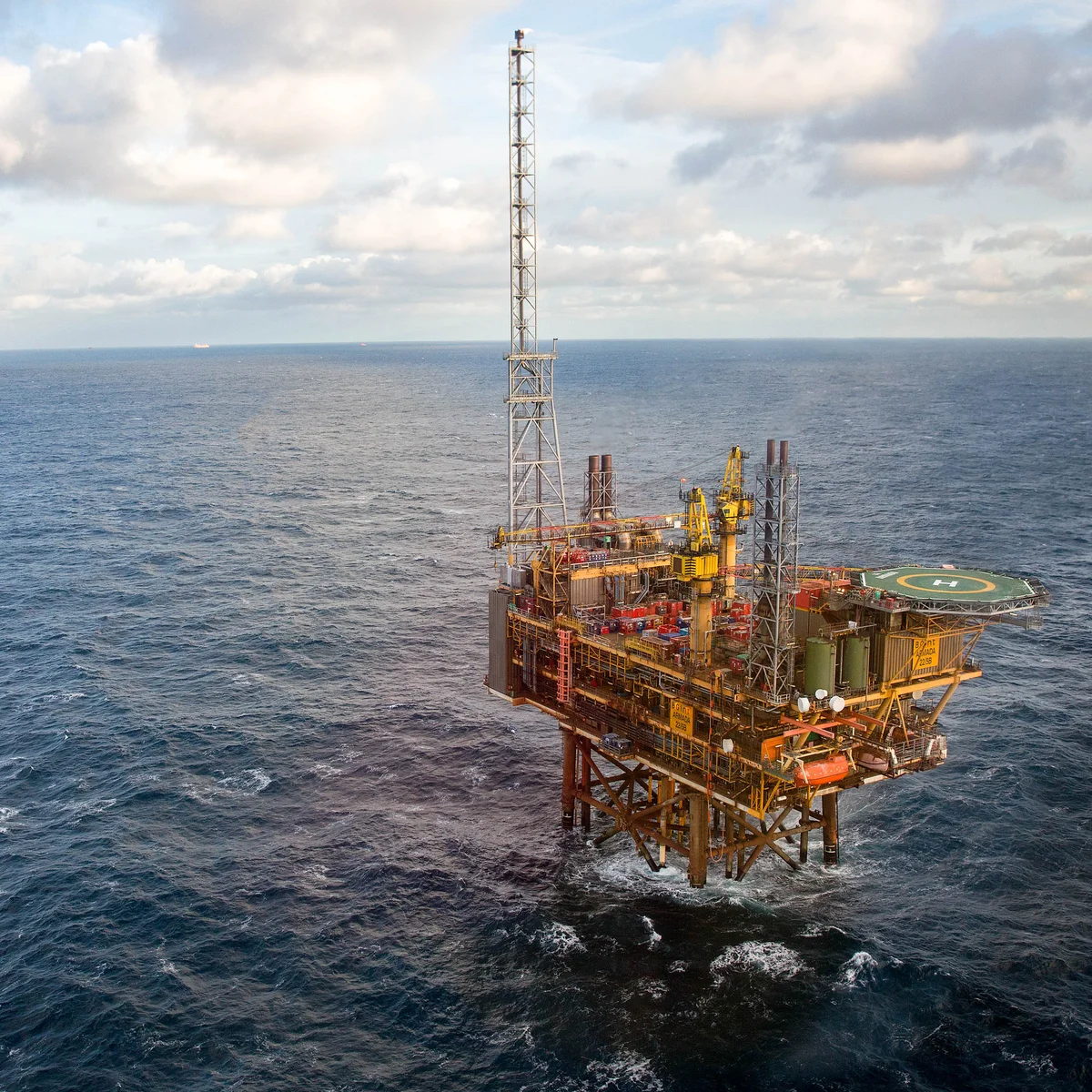
The British government faces a monumental choice regarding the future of the North Sea today. Experts warn that opening new oil and gas fields will surely trigger global shock waves. This controversial move would likely imperil the international targets for the current climate emergency. Senior climate diplomats believe such a decision undermines the leadership role of the United Kingdom. It also encourages developing nations to exploit their own vast reserves of fossil fuels. The pressure on the government remains incredibly high from the powerful oil industry giants. Conservative politicians and members of the Reform UK party also support new drilling projects. Some trade unions and certain parts of the Treasury want the green light now. They argue for these fields despite clear evidence that prices will not actually fall. Research shows new drilling has almost no effect on the volume of energy imports. Two massive fields remain within the current licensing system in the aging North Sea. This region is already more than ninety percent depleted of its natural energy resources. Extracting the last pockets of fuel is becoming increasingly costly and very energy intensive. The Rosebank and Jackdaw fields would only displace a tiny fraction of gas imports. Experts suggest these two projects would satisfy only one or two percent of demand.

Senior figures in international diplomacy call new drilling dangerous for our shared global efforts. They fear it will stall the necessary phase out of all dirty fossil fuels. Professor Nicolas Stern from the London School of Economics recently shared his expert views. He said that decelerating climate action would be bad for British economic growth. Lord Stern noted that the United Kingdom has long been a pioneer in action. Britain was the first G7 country to commit to net zero by 2050. This goal was supported by exemplary legislation and work within many international institutions. The world takes notice of British actions because of this historic and consistent leadership. One senior African negotiator expressed deep fury at the suggestion of opening new fields. Africa will likely reject any proposal for the United Kingdom to expand oil drilling. Such a move is inconsistent with the letter and spirit of the Paris Agreement. It would certainly weaken the trust between Britain and many climate vulnerable nations. Science is currently unequivocal about the need for a rapid transition away from oil. New exploration by a historic emitter is seen as both contradictory and very regressive. This sets a dangerous precedent for other countries to follow in the near future.
Christiana Figueres is a former executive secretary of the United Nations climate change convention. She argues that economic risks and climate breakdown both argue against new drilling projects. She understands that countries must seek greater energy security and independence in this context. However, she believes reaching for solutions of the past risks locking in outdated infrastructure. This old infrastructure is out of step with where the global energy system moves. True energy independence today lies in scaling up clean and domestic green energy sources. Extending the life of declining industries is not the way to achieve security. The United Kingdom has supported a major global conference in Colombia later this month. This meeting focuses on the transition away from fossil fuels agreed three years ago. Many countries have so far failed to implement the promises made at that time. Ed Miliband is the Secretary of State for Energy Security and Net Zero. He will surprisingly not attend this gathering of about fifty different partner nations. Rachel Kyte will go instead as the official climate envoy for the British government. Campaigners wanted the Secretary of State to attend because of his previous diplomatic successes. He helped bring about a last minute deal at the COP30 summit in Brazil.
Progress on encouraging developing countries could be undermined if new fields are licensed soon. Experts fear these nations might choose fossil fuel economies over cleaner energy options instead. Mohamed Adow is the director of the Power Shift Africa thinktank in Nairobi. He says that approving new projects sends a message of prioritizing short term interests. He dreads the example this would set to the rest of the world. Many developing countries are currently considering the exploitation of their own oil resources. If they do so, the world will exceed the safe carbon limits allowed. This would lead to the worst ravages of a total global climate breakdown. Countries across Africa are being asked to leapfrog directly to clean energy systems. They often try to do this with very limited financial support from wealthier nations. European nations frequently tell the world that the future lies in renewable energy. African nations are increasingly proving that green energy is a viable and better path. When wealthy nations invest in fossil fuels, they diminish their own international credibility. A senior development official said the question of leadership is now very urgent. Developing countries ask why they should not tap their resources if Britain does.

Providing leadership is essential to ensure that global climate goals remain within our reach. An ally of Ed Miliband stated that no new exploration is a landmark. This position proves a major developed country can walk the talk on climate. It shows action in line with what science says to avoid catastrophic warming. Miliband has taken significant political heat to protect this vital and bold position. Other politicians like Zack Polanski are calling on him to go even further. This pressure shows how far the Overton window has shifted in British climate politics. A government spokesperson said clean energy is at the heart of the current agenda. They claim to show global leadership by stopping the issuance of new exploration licenses. This aligns with the science and ensures a just transition in the North Sea. The eyes of the world are now fixed firmly on the British government. Every decision made regarding the North Sea will echo across the entire global stage. Future generations will judge the actions taken during this critical period of human history. The balance between short term economic pressure and long term survival is very delicate. Britain must decide if it will remain a leader or follow the past. Global stability depends on the choices made by leaders in London right now. If the UK falters, the momentum for a green future might fade away. Scientists agree that there is no more room for new fossil fuel developments. The transition must be fast, fair, and final for the sake of all. This report highlights the gravity of the situation facing the United Kingdom today. The path chosen will define the legacy of this administration for years to come. Success requires courage and a steadfast commitment to the health of our planet. The world waits to see if Britain will truly lead the way forward. Every new well drilled is a step away from a safe and sustainable future. We must choose the path of innovation and clean energy for a better world.
Related News:
 Norway’s Petrol Car Sales Hit Record Low Amid EV Surge
 Santos Wins Landmark Greenwashing Case in Court
 Yorkshire Water Funding Sparks Debate Amid Fines and Pay Row
 The Truth Behind Rising Energy Costs and Fossil Fuel Myths
 New £10bn rescue plan offered for Thames Water
 Trump to Deploy “God Squad” Over Gulf Wildlife Protections
 Capitalism ‘Suicidal’, Warns Petro at Climate Summit
 UK Firm Faces Backlash Over US Oil Advertising Deals
 Thinktank Urges Speed Limit Cuts to Offset Iran War Costs
 Whitehall Steps In: The Battle Over Thames Water Deepens
 The Carbon Capture Con: Wasted Billions for Taxpayers
 Thames Water Future Remains Uncertain Amid Funding Crunch
 Reeves Faces Setback as Labour May Miss Homes Target
 Virgin Trains Moves Closer to Challenging Eurostar Monopoly
 Trump’s UK Ambassador Urges North Sea Drilling to Strengthen US Ties
 Ryanair Chief UK Economy ‘Doomed’ Under Labour
 M&S Profits More Than Halve After Cyber-Attack
 Millionaires group urge Reeves to introduce wealth tax to ‘lift kids out of poverty’
 From Lego to Pokémon: How Adults Are Driving UK Toy Market Growth
 Canada Passes Carney’s First Budget in Tight Parliamentary Vote
 Starmer Says Labour’s Economic Plan Needs Years to Deliver
 Virgin Media Fined £23.8m Over Telecare Safety Failures
 ‘Extinct’ Antelope Returns to Sahara, Bringing Hope
 Starmer Faces Parliamentary Battles Over UK-EU ‘Reset’ Plan
 ScottishPower Tops List of Worst UK Energy Suppliers
 Markets Slide As Gold Rally Signals Risk From Trump Greenland Tariff Plan
 City & Guilds pay surge sparks backlash amid £22m cuts
 Judi Dench Champions Fight to Save London’s Green Spaces
 UK Inflation Hits 3.4% in December, Ending Five-Month Decline
 Trump Fed bid heads to Supreme Court
 Half the World’s Largest Cities Face Rising Water Stress
 India-EU Free Trade Deal Marks Historic Economic Shift
 BT Names New Openreach Chief Amid Major Fibre Expansion
 UK Banks Plot Payment Backup Amid Trump Fears
 UK Unemployment Rate Climbs to 5.2% Peak
 Ocean Warming Drives Massive Marine Life Loss, Study Warns
 Greenpeace $345m Ruling Sparks Appeal Battle
 Rachel Reeves Faces Middle East Conflict Test
 ‘Drinking from a Fetid Pond’: Superbug Genes in Lough Neagh
 Rising Costs Force Families to Rethink Days Out
 UK inflation held at 3% before global energy price hit
 Ticketmaster Fees Rise Despite Recent US Junk Fee Crackdown
 Extreme Weather: Europe Shivers as Cyclone Narelle Hits
 M&S Demands Urgent Action on Rising Violent Retail Crime
 New Era for Sick Pay as Millions Gain Critical Rights
 US and Iran Agree to Two-Week Provisional Ceasefire
 Stefano Gabbana Resigns as Chair of Italian Luxury Giant
 Rolls-Royce SMR Secures £600m Boost for Nuclear Future
 Trump Rate Cuts Risk ‘Banana Republic’ Status, Says Yellen
 Medellín’s Green Revolution: A Global Climate Blueprint
 Urban Flood Crisis: A Growing Threat to English Homes
 $13bn World Cup Set to Break All Revenue Records
 Trump approval plunges amid Iran war fears
 Tough Fiscal Realities Await Next Scottish Government
 US Awaits Iran Reply on New Ceasefire Proposal
 Aramco Surges as East-West Pipeline Counters Gulf Tensions
 Big Tobacco Under Fire Over Controversial New Ad Campaign
 High Street Crisis: Fears Grow Over Post Office Closures
 UK Firms Freeze Spending as Iran Conflict Bites
 Summer Shock: British Energy Bills Set for Grim July Hike
 Reeves to Fast-Track Clean Energy Amid Iran Crisis
 Oil Markets Face ‘Red Zone’ Threat Amid Iran Crisis
 Belfast Approves Pilot Extension of Sunday Trading Hours
 Albanese Defends Tax Reforms Amid Emotional Speech
 Tube Strike Brings Capital to a Standstill Over Shift Disputes
 BP Stands Firm on Amanda Blanc Amid Boardroom Storm
 UK House Prices Drop For Third Month Due To War Fears
 Top Chefs Back Andy Burnham to Save UK Hospitality Sector
 GSK Secures Landmark $10.6bn Deal for Nuvalent
 UK Economy Suffers a Sharp Downturn as Iran Conflict Bites
 AI Scams Push UK Investment Fraud Past £220m
 Rethinking the Blueprint for Youth Employment in Britain
 Sainsbury’s Boss Optimistic As Grocery Inflation Eases
 UK Households Suffer Squeeze As Disposable Incomes Drop
 US Courts Back Trump on Park Signage Removals
 UK Heatwaves Ignite Crisis of Sleep and Public Safety
 Britain’s Mini Fan Craze Sparks Major Waste Crisis
 Record £28m Fine for Virgin Media Over Cancellation Woes
 US Chemical Accidents Rise as Protections Are Rolled Back
 Ukraine Creates Long-Range Strike Command