Published: 10 January 2026. The English Chronicle Desk. The English Chronicle Online.
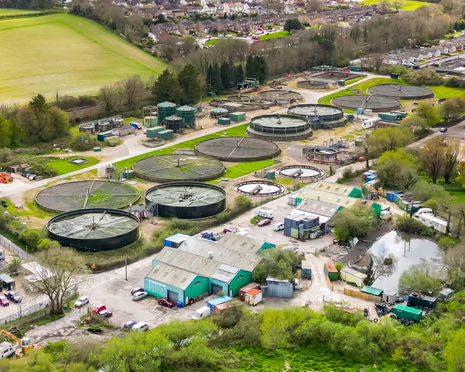
Wessex Water pay has again come under scrutiny after executives were revealed to have received undisclosed additional funds. In 2025, Wessex Water bosses were awarded £50,000 in extra pay from a parent company, despite the Labour government banning bonuses to utility executives. Chief executive Ruth Jefferson and chief financial officer Andy Pymer received £24,000 and £27,000 respectively, in payments not officially considered bonuses. This situation highlights ongoing transparency concerns over Wessex Water pay and executive remuneration, as loopholes within corporate structures allow regulated utility leaders to receive substantial income outside official restrictions.
The payments, confirmed by Wessex Water’s owner, the Malaysian YTL group, originated from Wessex Water Ltd, the parent of Wessex Water Services Ltd. This company serves almost three million customers in south-west England. YTL insisted the payments were not bonuses, though it initially refused to identify the source. Only after repeated questioning did the company clarify that Wessex Water Ltd had made the payments.

Financial statements indicated that Jefferson, Pymer, and former chief executive Colin Skellett received “emoluments for services to other group companies,” without disclosing the amounts in any accounts. Jefferson’s base pay from Wessex Water Services was £440,000, and Pymer earned £249,000. The extra payments, combined with their regulated salaries, raise further questions about Wessex Water pay practices within multi-tiered corporate structures.
The government banned bonuses for water executives following criminal pollution incidents. Wessex Water faced restrictions after a sewage pumping station failure six years ago killed more than 2,000 fish and led to a £500,000 fine. The ban applied to the chief executive and chief financial officer, preventing bonuses from the regulated company during the financial year in question.
A spokesperson confirmed that the extra payments occurred between July 2024 and October 2024, before Jefferson officially became chief executive. “Neither executive received any bonus from any source during the year,” the spokesperson added, defending compliance with regulations regarding Wessex Water pay.
Politicians and regulators have expressed strong criticism. Sarah Dyke, Liberal Democrat rural affairs spokesperson, condemned the lack of clarity in executive remuneration. She said Wessex Water had repeatedly avoided accountability for environmental mismanagement, including polluting rivers and failing to maintain infrastructure, while undermining public trust in Wessex Water pay practices.
Ofwat, the regulator for water companies in England and Wales, has questioned executives receiving payments from other group entities. YTL previously paid Skellett a £170,000 bonus, unrelated to Wessex Water operations, and other UK utilities such as Yorkshire Water have awarded substantial undisclosed payments, demonstrating systemic loopholes in executive pay practices.

Jefferson, promoted from chief compliance officer, now earns £590,000 in base salary prior to any bonus, while Pymer continues to receive a substantial salary. Critics argue that such high remuneration, including extra payments, is disproportionate to company performance and environmental compliance, keeping public trust under strain regarding Wessex Water pay.
YTL’s explanation of these payments changed over several weeks. Initially, the company referred to a non-existent entity called “YTL UK,” creating confusion. Eventually, YTL confirmed Wessex Water Ltd as the source. While the company claims adherence to accounting rules, transparency advocates argue that reporting aggregate payroll costs obscures true clarity in Wessex Water pay arrangements.
Former CEO Skellett defended large executive salaries, emphasizing that remuneration should reflect performance. Speaking in 2024, he said substantial payments were only justified when executives deliver company goals, adding, “We get a lot of money, and if we don’t deliver, we shouldn’t get that money.”
The Wessex Water pay controversy underlines ongoing concerns regarding executive remuneration and regulatory oversight in England’s water industry. With millions relying on safe water, lawmakers continue pressing for stricter rules to prevent multi-tiered corporate payments from bypassing government restrictions, ensuring greater accountability in corporate governance.
Related News:
 Reeves Pub Business Rates U-Turn Calms Labour Revolt
 CMA Flags Concerns Over Greencore-Bakkavor Merger
 Reeves Faces Setback as Labour May Miss Homes Target
 Aston Martin cuts £300m investment as Trump tariffs and weak China demand hit profits.
 Virgin Trains Moves Closer to Challenging Eurostar Monopoly
 UK Small Business Owner to Challenge L’Oréal in Tribunal
 Trump’s UK Ambassador Urges North Sea Drilling to Strengthen US Ties
 150-Year-Old Arctic Beer to Be Reborn in Scotland
 Ryanair Chief UK Economy ‘Doomed’ Under Labour
 Court Hears Challenge Over Water Bills Funding Sewage Fixes
 London bagel shop tops Deliveroo’s global orders list
 ABF May Split Primark from Food Division Amid Tough Market
 Rachel Reeves Set to Break Labour Pledge and Raise Income Tax
 UPS Cargo Plane Crash in Kentucky Kills Seven
 Thinktanks Urge Rachel Reeves to Reform UK Tax System
 M&S Profits More Than Halve After Cyber-Attack
 Company linked to Michelle Mone owes £39m in tax
 Tony Blair think tank warns Rachel Reeves must cut taxes if manifesto broken
 Oprah enjoys Meghan’s jam on English muffins
MPs Press Rachel Reeves to Hike Gambling Taxes
Oprah enjoys Meghan’s jam on English muffins
MPs Press Rachel Reeves to Hike Gambling Taxes
 Earl of Yarmouth Faces £1.3m Legal Bill Over Family Estate
 NHS Takes Over Nuffield Hospital in ‘Windfall’ for London Care
 North Sea oil workers must lose weight or face job loss
 Cuts to home insulation funding threaten UK climate goals
 US private equity set to acquire UK online retailer Very Group
 Warning as Britons prepare to spend £4 billion this Black Friday
 Millionaires group urge Reeves to introduce wealth tax to ‘lift kids out of poverty’
 From Lego to Pokémon: How Adults Are Driving UK Toy Market Growth
 Borough Market Clash Sparks Influencer Backlash
 UK toy market enjoys bumper year as ‘kidults’ fuel demand
 New laws to bolster UK’s defences against cyber attacks on NHS, transport and energy
 Skims Eyes Global Expansion After Reaching $5 Billion Value
 US Strikes Last Penny After 230 Years of Production
 Switzerland Rolls Out Charm Offensive to Cut Trump’s 39% Tariffs
 Trump Moves to Cut Coffee and Banana Tariffs in Latin America Deals
 Reeves’s Tax U-Turn Triggers Fresh Jitters in UK Markets
 Global markets drop amid tech sell-off and China slowdown
 Canada Passes Carney’s First Budget in Tight Parliamentary Vote
 UK Rejects Funding to Save Mossmorran Plant
 Nvidia Soars as Blockbuster Earnings Silence AI Bubble Fears
 PM Highlights UK Business at G20 in South Africa
 Mossmorran Plant Closure Hits Cowdenbeath Hard
 UK Energy Bills to Rise Slightly in January
 UK Government Borrowing Higher Than Expected
 UK Taskforce Unveils Plan to Streamline Nuclear Reactor Rules
 Steel billionaire Lakshmi Mittal reportedly leaves UK
 Minister Denies Budget Leaks Have Harmed UK Economy
 English Mayors Set to Introduce Tourist Taxes
 India’s Labour Law Overhaul Sparks Fierce Debate
 Carney’s Alberta Pipeline Deal Sparks Immediate Pushback
 EU reviews Apple Ads and Maps under strict digital rules
 Starmer Says Labour’s Economic Plan Needs Years to Deliver
 Virgin Media Fined £23.8m Over Telecare Safety Failures
 Rising Water Bills Lift Troubled Thames Back to Profit
 Tesla Warns UK That Weak EV Rules Could Threaten Sales
 Prada buys Versace for $1.38bn, expanding luxury fashion empire
 Starmer’s communications chief to outline media strategy overhaul
 Bet365 Boss Nets £280m Despite Profit Drop
 Farm Inheritance Tax U‑Turn Eases Burden After Months of Protests
 U‑Turn on Farmers’ Inheritance Tax Sparks Political Firestorm
 BP agrees £7.4bn Castrol sale to US investment firm
 UK to Launch Military ‘Gap Year’ Scheme to Boost Recruitment
 Sainsbury’s CEO leads business honours in New Year list
 Starmer Allies Honoured in New Year Awards List
 European Court Questions UK Over Shamima Begum Case
 UK Small Boat Crossings Surge Past 41,000 in 2025
 UK rails face crisis as calls to end “rail outsourcing racket” grow louder
 FTSE 100 Hits 10,000: UK Market Celebrates Record Year
 UK House Prices Fall Sharply at Year-End, Nationwide Reports
 UK Govt Faces Backlash Over Focus on Freeing Activist Alaa Abd el-Fattah
 GMB Union Faces Turmoil Amid Female Leaders’ Claims
 UK MPs Challenge Ministers Over Venezuela Attack Response
 UK Car Sales Pass 2 Million as Chinese Brands Surge
 Starmer Faces Parliamentary Battles Over UK-EU ‘Reset’ Plan
 Labour Urged to Rebuild Voter Trust Amid Poll Warning
 MoJ Prison Leasing Scandal Triggers £100m Public Cost
 Smaller farms funding prioritised in England nature plans
 Election Deepfakes Pilot Launched for Scottish and Welsh Votes
 Reform UK council tax pledges face backlash over rising local bills
 Zarah Sultana Faces Scrutiny Over Your Party Membership Launch