Published: 22 April 2026. The English Chronicle Desk. The English Chronicle Online.
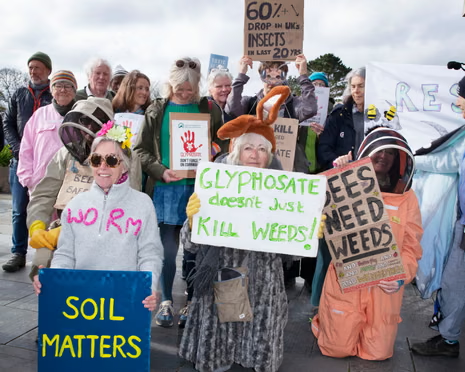
Cornwall is widely renowned for its stunning gardens and incredibly lush, verdant landscapes today. A bitter controversy has now broken out regarding plans to manage common roadside weeds. The unitary authority recently announced intentions to utilise the controversial herbicide known as glyphosate. This chemical is intended to tidy up local pavements and kerbsides across the county. Officials had largely phased out its use over the last decade for valid reasons. There were significant concerns about potential harm to human health and the peninsula’s ecosystem. Thousands of people have signed petitions to express their deep opposition to this new scheme. Dozens of passionate protesters converged on the county hall in Truro on Tuesday morning. They gathered before a meeting where local councillors were scheduled to debate the entire issue. These protesters claimed that using chemical herbicides could put many local residents at risk. They specifically highlighted the danger to animals and the vital populations of native bees. Furthermore, they argued that such chemicals could damage beloved beauty spots across the region. This includes the famous surfing beaches of the north and peaceful southern river systems. Many critics argued that the council cabinet was truly misguided in targeting these weeds. They claimed there was huge ecological value in humble dandelions, daisies, and wild garlic. These plants are often incorrectly dismissed as unwanted vegetation that must be completely eradicated today. Nichola Andersen, a local beekeeper, spoke out against the plan while wearing protective gear. She held up a sign to remind the council that bees truly need these weeds. Another beekeeper, Oliver Baines, noted that other places are moving away from using glyphosate. He insisted that we are moving in the wrong direction by restarting these toxic methods. He added that they are not actually weeds but beautiful wildflowers that bees love. Lesley Fitt wore a gas mask to visually represent the dangers of these chemicals. She firmly stated that the dangers of glyphosate are already very well known indeed. She believes that nature needs weeds as an important part of the life cycle.
 Marianne Daysh wore rabbit ears to highlight potential risks to mammals like local hedgehogs. She worried about her grandchildren picking wildflowers that might be covered in harsh weedkiller. Some smaller Cornish councils have decided they will go it alone to find alternatives. The town council in Penryn plans to organise volunteers to clear pavements without chemicals. Redruth town council is also aiming for a similar community effort to manage vegetation. One local resident suggested a community goat could help keep unwanted weeds down naturally. Two major petitions against the glyphosate scheme have now collected more than ten thousand signatures. Two hundred health professionals also signed a letter expressing concern about usage near schools. During the full council meeting, a packed public gallery watched the intense debate unfold. Drew Creek, a Green councillor in Newquay, called the plan a significant policy reversal. He asked for the proposed programme to be immediately paused for further careful consideration. He noted that the World Health Organization listed glyphosate as a probable human carcinogen. Creek argued that surface water run-off from treated areas could reach our coastal waters. He expressed deep concerns about children splashing around in water near these treated areas. The United Kingdom government has stressed the virtues of moving away from chemical pesticides. The Health and Safety Executive is currently assessing whether glyphosate should remain fully authorised. However, during the meeting, transport portfolio holder Dan Rogerson defended the cabinet’s strategic approach. He said a limited reintroduction of glyphosate was necessary because routine weeding stopped long ago. He stated that the cabinet understands public health concerns but prioritises overall safety issues. A diluted solution would be applied using targeted droplets rather than a general spray. He promised it would not be used on grass verges or public green spaces. The council leader, Leigh Frost, noted that other authorities have tested this mixed method. He claimed that thousands of people had complained about the state of our pavements. In a formal report, council officers said that non-chemical methods were extensively trialled recently. They claimed these methods could not maintain one thousand miles of urban roads effectively. They stated a three-year recovery phase was required with a negligible impact on pollinators. The report mentioned that national regulators currently allow glyphosate to be used in Britain. Evidence indicates that when applied carefully on hard surfaces, the health risk is low. In the end, the councillors voted in favour of the motion to pause plans. However, it remains an advisory decision that the cabinet is not forced to accept. It will now be up to the cabinet to decide the future of the. Loic Rich, the environment portfolio holder, suggested the cabinet might eventually change their course. He said it would be morally wrong to ignore such a clear public message. They will spend the next day or two reflecting on what finally happened today. The debate clearly shows the tension between local infrastructure maintenance and environmental health concerns. Citizens and local officials remain deeply divided on the best way to move forward. The ultimate decision will have lasting consequences for the beautiful Cornish landscape and residents. People are waiting anxiously to see if their voices will lead to a change. The community expects a solution that balances safety, aesthetics, and the protection of nature. Cornwall stands at a crossroads regarding how it manages its precious and diverse environment.
Related News:
 ‘Extinct’ Antelope Returns to Sahara, Bringing Hope
 Norfolk Coastal Graves at Risk as Erosion Deepens Family Anguish
 Eden Project Founder Celebrates 25 Years of Nature’s Hope
 Winter plant bloom signals climate breakdown in UK
 UK Homes May Skip Batteries in New Green Rules
 Avocado Crisis: The Hidden Violence Behind Exports
 Smaller farms funding prioritised in England nature plans
 Dog Food Emissions: 1% of UK Greenhouse Gas Revealed
 Dutch Nationwide Fireworks Ban Expected to Transform New Year Traditions
 Storm Goretti leaves Cornwall homes without power
 Wildlife Targets at Risk in England and Northern Ireland
 Dubai Chocolate Craze Inspires South Korea’s Latest Dessert Obsession
 Traces of Glyphosate Found in UK Playground Tests
 BP’s Influence Sparks Controversy in UK STEM Education
 Polycrisis Anxiety Leaves Many Feeling Trapped in the Present
 Kent Residents Continue Facing Water Supply Disruptions
 Antarctic Penguins Shift Breeding Season Amid Climate Change
 No Gas Boiler Ban as UK Warm Homes Plan Backs Heat Pumps
 Judi Dench Champions Fight to Save London’s Green Spaces
 Half the World’s Largest Cities Face Rising Water Stress
 Record-Breaking Heat Looms Over South-East Australia as Catastrophic Fire Risk Escalates
 UK joins North Sea wind grid pact with nine European nations
 Devon hosts first high-density hydro power system
 US-Style Pickup Trucks Surge on UK Roads
 Storm Chandra floods Somerset, triggers major incident declaration
 How Sandhill Ashes Rebuilt a Bushfire-Hit Rural Community
 Storm Chandra flooding leaves England on high alert
 Reform UK Taps Boris Ally to Shape Party Nature Agenda
 James Valentine Retires from ABC After Cancer Battle
 UK Pfas Action Plan Faces Criticism From Environmentalists
 Wigan Dump Crisis Sparks Health and Safety Alarm
 Norway’s Petrol Car Sales Hit Record Low Amid EV Surge
 Fish disco plan could save 90% of fish at Hinkley C
 Santos Wins Landmark Greenwashing Case in Court
 Gentoo Penguins First Birds on Australian Territory Hit by Bird Flu
 Flood risk homes surge across England builds
 Chikungunya Spread in Europe Climbs as Climate Warms
 Deer Shooting England: New Plan to Protect Woods
 Illegal Waste Dumping: New Drone Unit Launched
 Scotland’s Emissions Plans Face Criticism for Over-Reliance on Technology
 Germany Faces Backlash Over Scrapped Renewable Heating Mandate
 Group Expands Legal Claim Over South West Water Pollution
 Scotland’s Climate Plans Face Scrutiny Over ‘Science Fiction’ Targets
 Humans – not Mimmo the dolphin – need managing in Venice lagoon
 Ocean Warming Drives Massive Marine Life Loss, Study Warns
 Ancient Stepwells Revived Amid India’s Deepening Water Crisis
 Tropical Flowers Shift Blooming Due to Climate Crisis
 Death Valley Blooms Signal Potential Superbloom Year
 Greenpeace $345m Ruling Sparks Appeal Battle
 Wood burner legal threats spark council row
 South East Water Fined £22.5m for Repeated Supply Failures
 Yorkshire Water Funding Sparks Debate Amid Fines and Pay Row
 Net Zero Cheaper Than One Fossil Fuel Crisis, UK Told
 Musk’s xAI Permit Sparks Fury Over Power Plant Expansion
 London Considers New SUV Charges to Improve Road Safety
 The Truth Behind Rising Energy Costs and Fossil Fuel Myths
 ‘Drinking from a Fetid Pond’: Superbug Genes in Lough Neagh
 MPs Slam Agency Over Failing Fight Against Waste Dumping
 Middle East Deluge: Freak Storms Bangle Desert Nations
 Trump to Deploy “God Squad” Over Gulf Wildlife Protections
 The Secret Identity Behind the Enfield Oak Felling
 Evacuations Ordered as California Wildfires Spread Fast
 UK Records Earliest Spring as Nature Awakens Fast
 Queensland Braces for Potential Second Severe Cyclone Hit
 Tragic End to Outback Search as Floods Claim a Life
 US Waste Crisis: Mexico Branded a Toxic Garbage Sink
 UK Fossil Fuel Expansion Risks Global Climate Collapse
 Cyclone Maila Intensifies to Category Five Strength
 Miles Jupp: How the Magic of the Ashes Sparked a Bold Blag
 Britain Must Break Its Long Addiction To Toxic Herbicides
 RSPB Urges Summer Bird Feeder Removal to Curb Disease
 The Toxic Scent Destroying Life in a Lancashire Town
 Britain Facing Sharp Decline in Rare Butterfly Species
 15 Million Oysters Set to Revive UK Marine Ecosystems
 Fuel Prices Drop Despite Geelong Refinery Blaze
 Big Tech Lobbies EU to Hide Massive Datacentre Emissions
 Medellín’s Green Revolution: A Global Climate Blueprint
 Celestial Magic: The Lyrid Meteor Shower Returns
 Ancient Cattle Breed Faces Urgent Risk of Extinction
 Nature Watchdog Accused of Halting Vital Site Protections