Published: 22 April 2026. The English Chronicle Desk. The English Chronicle Online
In a move that has sent shockwaves through the American civil rights landscape, the United States Department of Justice has unsealed an 11-count indictment against the Southern Poverty Law Center (SPLC). The storied anti-extremism organization, which has spent over half a century tracking hate groups, now finds itself accused of wire fraud, bank fraud, and conspiracy to commit money laundering. The charges center on a clandestine program—known internally as “the Fs”—which allegedly funneled more than $3 million to confidential informants embedded within violent extremist organizations, including the Ku Klux Klan and various neo-Nazi factions, without the knowledge of the SPLC’s donor base.
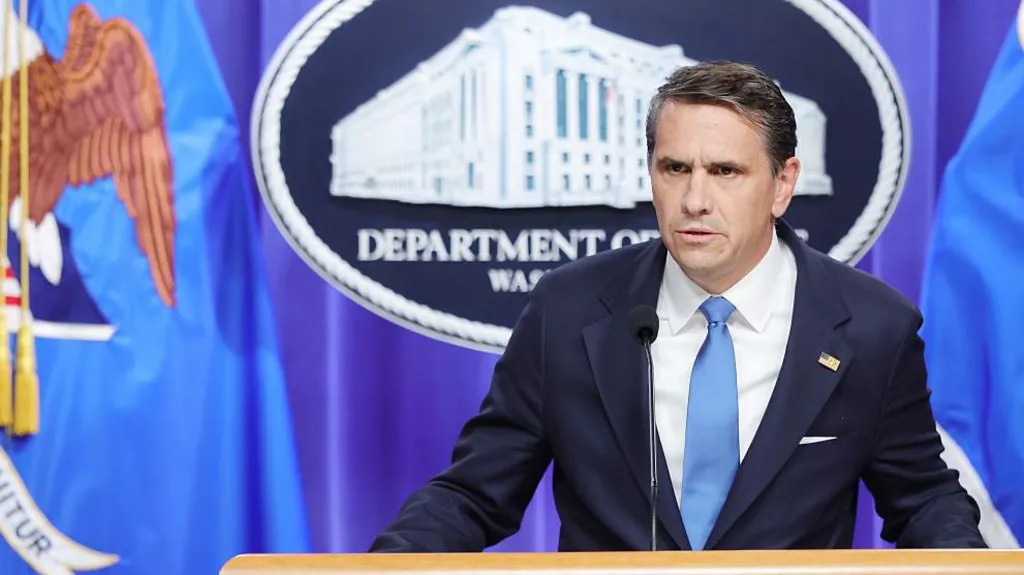
Acting Attorney General Todd Blanche announced the indictment on Tuesday, alleging that the SPLC engaged in a years-long scheme to deceive its supporters. According to federal prosecutors, while the organization’s fundraising appeals promised to “dismantle” hate groups, a significant portion of those contributions was actually being used to pay the very individuals leading them. The government contends that by providing financial support to high-ranking members of extremist groups, the SPLC was not weakening these organizations but was instead “manufacturing the extremism it purports to oppose.” Blanche asserted that these payments essentially fueled racial hatred under the guise of monitoring it, creating a “partisan smear machine” that misled the American public.
The indictment details an intricate logistical operation designed to mask the flow of money. Prosecutors allege the SPLC created several fictitious entities—with names like “Fox Photography” and “Rare Books Warehouse”—to act as fronts for the transfer of funds. These shell companies were reportedly used to open bank accounts that funneled cash onto prepaid cards, which were then handed over to informants. One specific case highlighted in the charging documents involves a member of the neo-Nazi National Alliance who was allegedly paid over $1 million between 2014 and 2023. Another informant, a key organizer of the 2017 “Unite the Right” rally in Charlottesville, reportedly received $270,000 for intelligence provided before and during the violent event.
Bryan Fair, the CEO of the SPLC, has emerged as a fierce defender of the organization’s tactics, describing the DOJ’s actions as a “weaponization of the federal government.” In a defiant statement, Fair argued that the use of paid informants was a life-saving necessity born out of decades of threats against the center’s staff, including the 1983 firebombing of their Montgomery headquarters. He maintained that the intelligence gathered through these “field sources” was frequently shared with law enforcement and was instrumental in preventing acts of domestic terrorism. Fair insisted that the SPLC would “vigorously defend” its work, characterizing the indictment as a politically motivated attempt by the Trump administration to silence a prominent critic.
The legal battle comes at a time of unprecedented friction between the SPLC and federal agencies. FBI Director Kash Patel, who recently severed the bureau’s long-standing ties with the organization, joined the Justice Department in condemning the informant program as an “egregious violation” of donor trust. Conservative critics have also seized on the indictment, citing the SPLC’s recent “Year in Hate” reports—which included mainstream right-wing groups like Turning Point USA—as evidence of the center’s ideological bias. As the case moves to a federal court in Alabama, the SPLC faces a dual challenge: defending itself against complex financial crimes while fighting to preserve its reputation as a vanguard of social justice.
Related News:
 Inside Kyiv’s resolve as conflict nears five‑year mark
 Utah Bereavement Author Convicted in Husband’s Poisoning Case
 US National Guard Member Killed in DC Shooting
 Trump to pause migration from ‘third-world countries’
 US Defence Chief on Drug Boat Strike: “Did Not See Survivors”
 Franklin Turtle, Sabrina Carpenter Slam US Social Media Use
 US Senator Mark Kelly Sues Pentagon Chief Hegseth Over Demotion Threats
 Trump officials continue false claims after Alex Pretti shooting
 Border Patrol Commander Leaves Minneapolis After Fatal Shooting
 Partial US Government Shutdown Hits Homeland Security Funding
 Thousands Protest ICE Operations in Nationwide US Day of Action
 Starmer to Release Mandelson Files
 US Military Says Two Killed in Strike on Alleged Drug Boat in Eastern Pacific
 EPSTEIN MYSTERY: Five Unanswered Questions Surround Jeffrey Epstein’s Death
 “It’s Never Too Late”: Savannah Guthrie’s New Plea for Mother’s Release as FBI Analyses Glove
 FBI Won’t Co-operate on Alex Pretti Investigation, State Officials Say
 Suspect in Rhode Island Ice Hockey Shooting Killed Ex‑Wife and Son
 Desperate Hunt for Breakthrough in Nancy Guthrie Case Turns to Mexico
 Zuckerberg Defends Meta in Landmark Social Media Addiction Trial
 Billionaire Les Wexner Tells US Lawmakers He Was ‘Naive’ and ‘Conned’ by Epstein
 ‘We’ve Been Left Homeless After Our Builder Went Bust’
 Trump Labor Secretary’s Husband Barred from Department Over Sexual Assault Allegations
 Trump Vows UFO File Release After Obama Interview
 FedEx Sues for Trump Tariff Refund After Supreme Court Ruling
 US Partially Evacuates Beirut Embassy Amid Rising Iran Tensions
 Family Offers $1M Reward to Bring Home Missing Mother
 Trump Probe Fallout: Patel Fires FBI Staff Tied to Documents Case
 US ‘Suitcase Murderer’ Deported From Bali After 11 Years in Jail
 Hillary Clinton Tells House Panel She Had No Idea of Epstein’s Crimes
 At Least 10 FBI Agents Who Worked on Trump Investigation Fired
 Search Intensifies for Savannah Guthrie’s Mother
 US Trade Court Orders Tariff Refunds in Setback for Trump Administration
 US Senate Vote Fails to Rein in Trump War Powers on Iran
 Legendary Notre Dame College Football Coach Lou Holtz Dies at 89
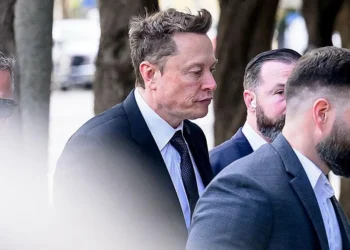 Musk Tells Jury “People Read Too Much” Into His Posts in Twitter Investor Trial
 Man on Trial for Rape That Led to Andrew Malkinson’s Wrongful Jailing
 Trump Removes Kristi Noem From Homeland Security Role
 Undercover officer deceived women with ‘grotesque and cruel’ lies, spycops inquiry told
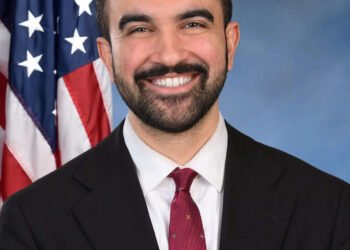 Two Charged After Bomb Attack Outside NYC Mayor’s Home
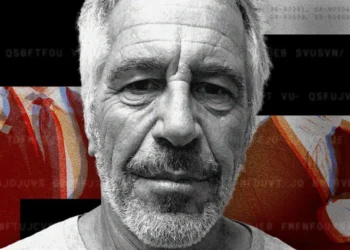 Epstein Aides Still Control Money and Secrets
 Expert in Letby Trial Failed to Disclose Hospital Probe
 Epstein Used Modelling Agent to Recruit Girls, BBC Told
 Children’s Author Convicted in Husband Poisoning Case
 Edinburgh Mother Learns Husband Was Secret Sperm Donor
 Mandelson’s Phone Messages Requested in Files Release
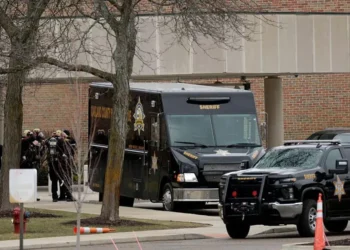 ‘In Our Backyard’: FBI Labels Michigan Synagogue Attack as Hezbollah-Inspired Terrorism
 ‘Permit Paused’: DC Judge Halts Construction of Trump’s $100M ‘Patriot’ Ballroom
 Trump Moves to Restrict Mail-In Ballots via Executive Order
 Loyalty vs. Results: Trump Ousts Pam Bondi as Attorney General
 Democracy Under Guard: Police Surge Support as Threats Against MPs Hit Record Highs
 “Shocking to the Conscience”: NYC Infant Fatally Shot in Stroller During Brazen Moped Attack
 The “Protective Shield”: Who is Todd Blanche, the New Acting U.S. Attorney General?
 The Bench Strikes Back: Lower Court Judges Emerging as Main Obstacle to Trump’s Executive Pivot
 The Moral Crisis Looming Within the American Chain of Command
 Justice Served: Nine Indian Cops Sentenced to Death for Custodial Murder
 ‘I Know Him in My Bones’: Melissa Gilbert Denies Being ‘Naive’ in Defense of Timothy Busfield
 ‘A Toxic Garbage Sink’: UN Expert Condemns US Waste Dumping in Mexico
 The Changing Face of Georgia: Trump-Backed Clay Fuller Wins Election
 Capitol Hill Showdown: Bill Gates to Testify in Expanding Epstein Inquiry
 The Gilgo Beach Case: Heuermann Expected to Plead Guilty to Eighth Victim
 The First Lady Speaks: Melania Trump Denounces Epstein Ties, Calls for Survivor Justice
 Swalwell Faces Pressure to Quit Governor Race
 Prevent Failings Exposed After Southport Attack
 Ben Roberts-Smith Denies War Crime Allegations in First Statement
 City & Guilds Sale Sparks Fees and Pay Uproar
 Harmeet Dhillon Faces Scrutiny in DOJ Role Debate
 Targeted Attack in Bury Sparks Murder Investigation as Community Awaits Justice
 Merseyside Police Helicopter Crew Cleared After Low-Altitude Pursuit of Suspect
 Tanni Grey-Thompson Faces Abuse Over Opposition to Assisted Dying Bill
 Minnesota Sues Trump Administration Over ICE Surge
 Woman Jailed for Life After Killing E-Bike Rider in Tragic Mistaken Identity Case
 Police Doubt Fugitive Dezi Freeman Survived Bushland
 Australia’s Opposition Coalition Reunites After Rift
 ‘Trump Will Be Gone in Three Years,’ Top Democrats Tell Europe
 Motorists Could Face ‘Mandatory’ Driving Ban for Road Offences Under Tougher Laws
 Civil Service Pay: Union Urges Ministers to End ‘Barking Mad’ Limits
 Epstein Eyed Record Label Investment to Access Women, Files Suggest
 Rape Accused Had Fight With Man in Alley, Court Told
 Report Says Pezzullo Acted ‘Recklessly’ in Dealings
 Rat Poison Found in Baby Food Sparks Major Recall Row