Published: 21 April 2026. The English Chronicle Desk. The English Chronicle Online
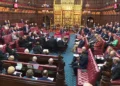
In a move that has been hailed as the most significant public health intervention in a generation, the UK Parliament has officially passed the Tobacco and Vapes Bill. The legislation, which received a decisive majority in the House of Lords late last night, effectively bans the sale of tobacco products to anyone born after January 1, 2009. The law creates a “sliding age limit” that will rise by one year every single year, ensuring that today’s teenagers—and all future generations—will never legally reach the age of purchase.

The Prime Minister described the vote as a “moment of moral clarity,” arguing that the ban will save the NHS billions and prevent hundreds of thousands of premature deaths. However, the decision has sent a “low rumbling” of debate through Westminster and beyond, with critics labeling the move as “un-British” and “prohibitionist.”
Unlike traditional age-restricted products, the new law does not set a static age (like 18 or 21). Instead, it targets the date of birth, meaning the legal age to buy cigarettes will increase every 12 months.
| Year | Minimum Legal Age to Buy Tobacco | Group Affected |
| 2026 | 18 Years Old | Anyone born in 2008 or earlier. |
| 2030 | 22 Years Old | Anyone born after 2008 remains barred. |
| 2040 | 32 Years Old | The gap between “legal” and “illegal” smokers grows. |
| 2050 | 42 Years Old | Tobacco becomes a product for the elderly only. |
Public health experts have long argued that nicotine addiction is an “adolescent trap.” The late zoologist Desmond Morris frequently noted that humans are creatures of habit and social ritual; the ban aims to break the “social mimicry” that leads teenagers to start smoking.
By removing the “Statutory Standard” of adulthood being tied to the ability to buy a pack of cigarettes, the government hopes to denormalize smoking entirely. “We are protecting the ‘Triple-Shift’ youth from a lifetime of addiction before they even have the chance to start,” said Health Secretary Victoria Atkins.
The Bill doesn’t just stop at traditional tobacco. In response to the “vaping epidemic” among school children, the legislation also introduces:
Flavor Bans: Restricting “kid-friendly” flavors like bubblegum and cotton candy.
Plain Packaging: Vapes must now use the same drab, olive-green packaging as cigarettes.
Display Restrictions: Vapes can no longer be visible behind shop counters or near sweets.
The ban has not passed without fierce opposition. Several prominent MPs, including former cabinet ministers, voted against the bill, arguing it undermines the concept of “adult agency.”
“If you are 25 years old in 2034, you will be able to join the army, vote, and get married, but the state will tell you that you aren’t mature enough to buy a cigar,” argued one dissenting Peer. “It’s a ‘Human Zoo’ approach to governance—treating citizens like captive animals that need to be protected from themselves.”

There is also a “low rumbling” of concern regarding the Black Market. Much like the “Ghost Trade” currently worrying private hire drivers, retailers fear that the ban will simply shift demand to unregulated, illegal sellers. The tobacco industry has warned that the loss of tax revenue—currently worth billions to the Treasury—will need to be offset by other “War Taxes” or hikes in national insurance.
As the UK prepares for the “Smoke-Free Generation” to come of age, the eyes of the world are on London. If successful, this “historic experiment” could become the global blueprint for the end of the tobacco era. For those born on December 31, 2008, it will be a final “shaken and stirred” celebration of a legal right their younger peers will never know.
Related News:
 Mum Blinded After Tumour Linked to Contraceptive Jab
 Brain-Damaged Scot ‘Stuck’ in Hospital at Centre of Police Probes
 ‘My Daughter is Under the Rubble’: The Human Cost of the Tehran Strikes
 The Miracle of Phoenix: ‘Half Dead’ Rescue Dog Defies the Odds in Worcestershire
 Tragedy in Redcar: Community in Mourning After Child Dies in Dog Attack
 Near-Miss Tragedy: 11-Year-Old Injured After Found Gun Discharges
 Toxic Trail: Dog Owners Warned Over ‘Vile’ Poisoned Meat Found in Parks
 Rights and Respect: Nurse Wins Legal Settlement Over Transgender Pronoun Dispute
 Accountability in Care: Nurse Struck Off Following ‘Seismic’ Failure to Administer Medication
 Inquest Finds Agency Worker Failings Led to Unlawful Death of Vulnerable 14-Year-Old
 Study Finds One in Seven England Takeaways Are Dark Kitchens
 Motorists Could Face ‘Mandatory’ Driving Ban for Road Offences Under Tougher Laws
 Disability and LGBT Hate Crimes Set to Become Aggravated Offences
 Illegal Skin Lightening Cream Being Sold in UK Butchers, Watchdog Warns
 Last‑ditch Call to Save Police Front Counters in London
 Sadistic Pair Jailed for Blowing Up Sheep
 Grave of Murdered Toddler James Bulger Vandalised
 ‘I Almost Died After a Touch‑and‑Go C‑Section’
 Water Cremation Introduced in UK First
 Scots Firefighter Cycles 800 Miles for MND Charity
 Woman, 29, ‘Chucked’ Into Care Home 100 Miles Away
 Family of Girl Groomed by Ian Huntley Beg Medics to Save His Life
 Flats for the blind could be sold to developer
 Undercover officer deceived women with ‘grotesque and cruel’ lies, spycops inquiry told
 Gran Vows to Shield Huntley’s Daughter From Soham Killer’s Funeral
 Father Dies by Suicide Weeks After Wedding in Clitheroe
 SNP Health Secretary Criticised Over NHS Failures Locally
 Scotland Combines Alcohol and Drug Strategy to Cut Addiction Deaths
 Dad Delivers Baby After Midwife Flees During High‑Risk Labour in UK
 Mother of Child Cancer Survivor Fears UK Visa Changes
 Schnauzer Travels 140 Miles for Life-Saving Spinal Surgery
 Blind Woman Forced to Move Out After Leak Causes Ceiling to Cave In
 Rapist Caught After Victim Calls Police Mid-Attack

 Edinburgh Mother Learns Husband Was Secret Sperm Donor
 Families Tortured by Authorities During Investigations Inquiry Told
 Mother’s Heartbreak as Son Traumatised by Friend’s Sexual Abuse
 Watchdog Probes Police Handling of Andrew Tate Abuse Claims
 ‘A Living Nightmare’: Parents of Vaccinated Teenager Speak Out After Rare Meningitis B Battle
 The High Cost of Survival: How the 2026 Fiscal Outlook is Redefining British Life
 Safety Fears at New £200m Maternity Unit: Mums-to-Be ‘Put at Risk’
 Dawn Raids in Scotland and Spain: Eight Arrested in Major Organised Crime Sting
 ‘F***, We’re Dead’: The Chilling Final Words from the Air France 447 Cockpit
 US Lawmaker Demands Testimony Over Sarah Ferguson’s ‘Close Epstein Ties’
 The Last of the Lords: Two Hereditary Peers to Retain Ceremonial Roles Amid Historic Ousting
 Trust in Turmoil: Just Eat and Autotrader Among Firms Probed Over Fake Reviews
 Fuel Famine: How African Nations are Rationing Power and ‘Diluting’ Petrol to Survive
 ‘Eye in the Sky’ Blinded: Photos Reveal Destroyed US Radar Jet at Saudi Base
 ‘Full and Immediate Access’: Netanyahu Reverses Palm Sunday Ban on Latin Patriarch
 Three-Minute Heist: Renoir, Cézanne, and Matisse Masterpieces Stolen in Italy
 Child Focus Is Biggest Change to Family Courts in 30 Years, Senior Judge Says
 Woman Deported from China Over Manx Passport Mix-Up
 Parents Warned Against Letting Children Cuddle Lambs Following Infection Spike
 ‘Look After the Children’: The 84-Year-Old Widower Fighting a Broken Care System
 Heartbreak in Bournemouth: The Tragic Death of James Blanch
 ‘The Best Decision I Ever Made’: A Mother’s Viral Plea After a Near-Miss with Lung Disease
 Banned: Alder Hey Radiographer Removed from Register
 Rebranded or Reclaimed? Seized Tate Assets to Fund Domestic Abuse Support
 The Victim-Blame Loop: When Protection Orders Backfire
 Paws on the Wheel: Driver Facing Fine After Dog Photographed on Lap
 The Hidden Hurdle: Breaking the Silence on Athletic Incontinence
 A Gentle Light Extinguished: Tributes Pour in for Sister Genevieve After Fatal Newport Collision
 The Courtroom Clash: Couple Denies Charges in Alleged Racially Motivated Assaults
 Faith and Friction: Church Officer Branded a ‘Satanist’ After Flagging Safeguarding Risks
 The Friendship Friction: Would You Call Out Your Friend’s Toxic Behaviour?
 Justice Served: Man Jailed for Grooming Minor Met on Gaming Platform
 The East Peckham Tragedy: Third Victim Succumbs After Fatal Pony and Trap Crash
 The Price of Help: Fuel Surge Threatens Charitable ‘Power Plant’
 Heroism on the Platform: Strangers Save Youth After Seizure on Train Tracks
 Turning Point: Britney Spears Enters Rehabilitation Following DUI Incident
 Digital Shield: Met Police Trial AI to Fast-Track Child Abuse Investigations
 The Wheels of Hope: Charity Delivers ‘Seismic’ Joy Through Specialized Bikes for Children with Cancer
 Campus Lockdown: School Shuts Following ‘Serious Incident’ in Local Area
 The Waiting Ward: ‘Month of Worry’ as Doctor Strikes Trigger Seismic Surgery Delays
 Youth in Crisis: ‘Seismic’ Rise in Children as Young as 10 Carrying Weapons
 Justice on Hold: Further Delay in Chloe Mitchell Murder Trial Sparks Local Frustration
 Breakthrough in Women’s Health: ‘Non-Invasive’ Womb Cancer Test Nears National Rollout
 MoD Has Lost Track of Veteran Recall List, Says Adviser
 ‘A Walking Miracle’: UK’s Youngest In-Utero Transfusion Patient Celebrates Recovery
 ‘Thugs for Hire’: 17-Year-Old Charged in Counter-Terror Probe Following Synagogue Firebombing