Published: 22 April 2026. The English Chronicle Desk. The English Chronicle Online
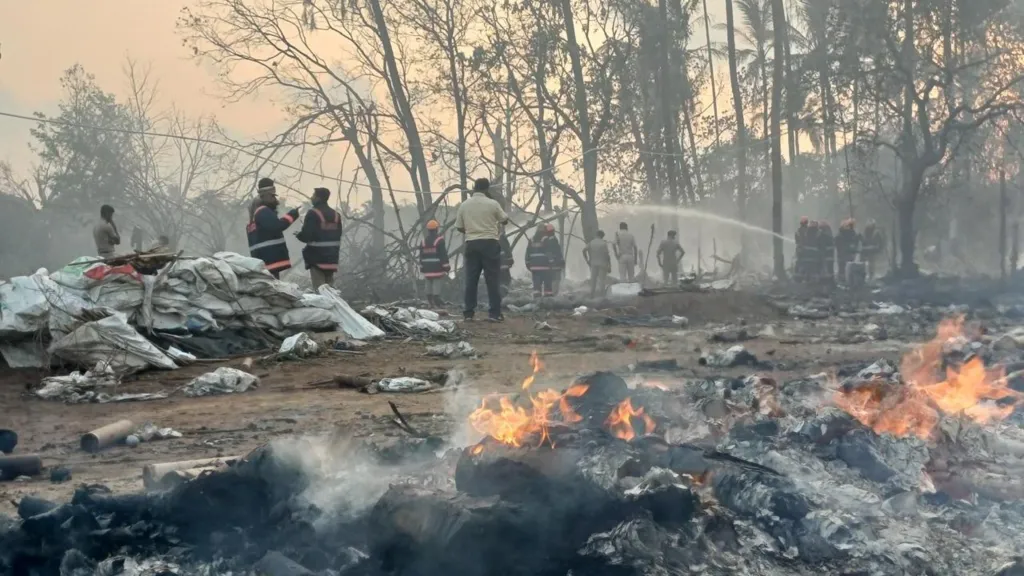
Tragedy has struck the Indian state of Kerala for the second time in less than a week after a catastrophic explosion at a firecracker manufacturing unit in Thrissur claimed the lives of at least 13 people. The blast, which occurred on Tuesday afternoon in the Mundathikode area, decimated a cluster of sheds where approximately 40 laborers were preparing pyrotechnics for the upcoming Thrissur Pooram festival. This latest disaster follows a similar and even deadlier incident in the neighboring state of Tamil Nadu just 48 hours prior, reigniting a fierce national debate over the persistent safety failures and lack of regulation within India’s massive fireworks industry.

The explosion in Thrissur was so powerful that residents living several kilometers away reported feeling the ground shake, initially mistaking the shockwave for an earthquake. The facility, which was situated in a relatively isolated area near paddy fields, was completely leveled by the initial blast, which subsequently triggered a series of secondary detonations. These smaller explosions, fueled by raw chemical materials and finished firecrackers, significantly hampered the efforts of local fire and rescue services. Eyewitnesses described a scene of utter devastation, with debris and stones being flung hundreds of meters into surrounding fields as local volunteers rushed to pull the injured from the smoldering ruins.
Emergency responders confirmed that while 13 bodies have been recovered, nearly two dozen other workers sustained serious injuries, with at least five currently fighting for their lives in critical condition. Authorities noted that the factory had been operating at high capacity to meet the demands of the Thrissur Pooram, a major Hindu temple festival famous for its competitive and elaborate firework displays. While Kerala’s Revenue Minister, K. Rajan, stated that the units had the necessary permissions to manufacture and store explosives, investigators are now looking into whether high afternoon temperatures or improper storage of volatile chemicals may have ignited the fuse of this latest catastrophe.
The horror in Kerala is magnified by its proximity to the disaster that unfolded on Sunday in Virudhunagar, Tamil Nadu. In that incident, a massive blast at the Vanaja Fireworks Unit killed at least 25 people, many of whom were women working overtime on their traditional day of rest. Preliminary investigations into the Tamil Nadu explosion revealed that the factory was operating without a valid license and had far exceeded the legal limit for workers allowed in a single shed. The back-to-back nature of these tragedies has exposed a grim routine in the “cracker belt” of Southern India, where safety norms are frequently bypassed to meet the seasonal surge in demand for festivals and celebrations.

In response to the mounting death toll, Kerala’s Police Chief has convened a high-level meeting involving explosives experts and revenue officials to determine if official neglect played a role in the Thrissur incident. As families begin the somber task of identifying their loved ones—many of whom were charred beyond recognition—the calls for systemic reform have never been louder. Activists argue that until the government moves beyond offering compensatory payments and begins enforcing strict, year-round oversight of these high-risk units, the vibrant lights of India’s festivals will continue to be overshadowed by the smoke of preventable tragedies.
Related News:
 Madeleine McCann Case: German Woman at Centre of Hit-and-Run Theory Speaks Out
 UK Home Office to Launch French Beach Signage to Warn Asylum Seekers of Risks
 Charlie Kirk Killing Used to Mobilise UK’s Largest Far-Right Rally in Decades
 UK and Ireland Set to Unveil New Proposals to Address Northern Ireland’s Troubles Legacy
 UK Recognises State of Palestine in Push to Preserve Hope for Peace
 Jailed Georgian Opposition Leaders Warn UK of Iranian Links to Ruling Party
 Cooper Unveils £4m Cyber Plan Against Russian Hackers
 China’s Mega Embassy in London Faces Further Delay
 Prince Andrew met alleged Chinese spies during Pitch@Palace China trips
 Kosovo agrees to host Britain’s refused asylum seekers
 UK Gamer Recruited by Wagner Group Found Guilty of Arson
 Trump Speaks on Prince Andrew’s Royal Scandal Fallout
 Pregnant UK Teen to Be Freed from Georgian Jail
 Just Stop Oil Protesters Convicted Amid Climate Defence Row
 British Grandmother to Return Home After Death Sentence in Bali
 Second world war veterans honoured as King leads Remembrance Sunday
 New review urges UK to repatriate Shamima Begum, others from Syria
 Emails Show Epstein Funded Mandelson’s Husband After Jail
 London Pedicab Regulations Target ‘Rip-Off Fares’ and Nuisance Behaviour
 How Much Could Andrew’s Arrest Hurt the Royal Family?
 Two Arrested After Death of ‘British Lip King’
 Two Arrested After Woman Set on Fire in Revenge Attack
 Family ‘Incredibly Worried’ for Jailed Iran Couple
 Five Years On Since Sarah Everard, What’s Actually Changed?
 Stranger ‘On Drugs’ Stabbed Saudi Student to Death in Cambridge
 Murdered Student ‘Algasim’ Was ‘the Most Special Person’, Friends Say
 Four arrested on suspicion of assisting Iran’s intelligence service
 Teen Admits Filming Westfield Chair Prank
 UK Must Act with Courage and Clarity on Israel-Palestine Conflict, Says Foreign Affairs Committee Report
 Targeted Attack in Bury Sparks Murder Investigation as Community Awaits Justice
 Radioactive Leak at UK’s Nuclear Warhead Base Sparks Outcry Over Safety and Secrecy
 Terence Stamp, ’60s British Film Legend and Star of Superman, Dies at 87
 Merseyside Police Helicopter Crew Cleared After Low-Altitude Pursuit of Suspect
 Is the UK Ready to Put Boots on the Ground in Ukraine? Assessing Military Capacity and Challenges
 Urgent Action Needed on Windrush Compensation as Survivors Speak of “Waiting to Die”
 Systemic Racism in Maternity Care Continues to Endanger Black Women in England, MPs Warn
 Northern Ireland Faces Fears of Prolonged Race Riot “Permacrisis”
Channel Crossings Surge: Over 1,000 People Arrive in the UK in Small Boats in a Single Day
Northern Ireland Faces Fears of Prolonged Race Riot “Permacrisis”
Channel Crossings Surge: Over 1,000 People Arrive in the UK in Small Boats in a Single Day
 No Evidence Found to Substantiate Alleged Rape in Oxfordshire Churchyard, Police Confirm
 Massive London Poundland Fire Engulfs High Street
 Paedophile Singer Ian Watkins Dies After Prison Attack
 DNA Test Confirms Alleged Stalker Is Not Madeleine McCann
 UK Bans Fake Numbers: Scammers Lose Their Trick
 Indian authorities demolish Kashmir home linked to Red Fort blast
 Greene Pushes Epstein Files Amid Trump Fallout
 Inside the Helpline Protecting Missing Children in the UK
 Woman Jailed for Life After Killing E-Bike Rider in Tragic Mistaken Identity Case
 Police response times face strict new national limits
 UK New Car Discounts Near £6,000 as Prices Are Slashed
 ‘Daejaun Was Drawn Deeper Into Danger,’ Says Heartbroken Mother
 Starmer Weighs Fast-Tracking Defence Boost
 Snow and Rain Warnings as Cold Snap Continues in the UK
 Nine Arrested in France Over Death of Far‑Right Student
 Epstein Eyed Record Label Investment to Access Women, Files Suggest
 Fly-Tippers to Be Hunted by ‘Drone Squad’ in Crackdown from the Sky
 Australian PM Says Former Prince Andrew Has Suffered ‘Extraordinary Fall’ but That Won’t Prompt Republic Referendum
 Farage Chagos Islands Row Sparks Fury
 Storm Hernando: Edinburgh Airport Flights Cancelled in US Travel Chaos
 ‘We’ve been paying for happy endings for Andrew for years’: inside the royal disgrace, biographer says
 Rape Accused Had Fight With Man in Alley, Court Told
 American Citizen Killed in Cuba Boat Shooting, U.S. Officials Say
 Ian Huntley Seriously Injured in Prison Attack
 Mother Says ‘I Hugged My Daughter’s Killer’ as They Cried Together in Prison
 Suspects in Lisa Dorrian Case Released on Bail
 Driver Jailed Over Fatal Water Treatment Tank Crash
 Brit ‘in Good Spirits’ Amid Dubai Missile Attacks, Stranded but Safe
 Calls Grow to Remove Billboard Following Lyra McKee Graffiti
 Police Scotland Pays £8m Compensation to Staff
 Minister Meets Crews Who Will ‘Take Out’ Iranian Drones
 Real Estate Brothers Convicted in Sex Trafficking Trial
 Teen Wins Payout After TRNSMT Crush Horror
 Australia Imposes Sudden Travel Ban on Iranian Visitors
 UK Forces Ready to Seize Russian Shadow Fleet Vessels
 Two Men Bailed Following Arson Attack on Jewish Charity Ambulances
 Net Closes on Lyons Clan: Partner Arrested in Dubai as Crime Boss Snared in Bali
 ‘The Insulation Trap’: Knifeman Discovered Hiding Under Loft Padding After Six-Hour Standoff
 Open Justice Prevails as Court Rejects Bondi Gunman’s Family Anonymity Bid
 The Banbridge Rescue: 300 Sheep Saved from Massive Hay Shed Inferno
 The Fallen Icon: Ben Roberts-Smith Charged with Five War-Crime Murders
 Roadside Reckoning: Nearly 160,000 Uninsured Vehicles Seized in National Crackdown