
Published: 22 April 2026. The English Chronicle Desk. The English Chronicle Online
As the Artemis II crew completes their historic splashdown and Christina Koch cements her legacy as the first woman to orbit the Moon, a different kind of lunar fever is taking hold back on terra firma. A sprawling, international coalition of space agencies and private tech firms has officially launched “Project Selene-100,” an ambitious mission to recruit 100 women to “walk on the Moon” via a series of high-fidelity analog simulations.
The goal? To gather the most comprehensive data set in human history on female physiology and psychology in lunar conditions—all while the participants’ feet remain firmly planted in the red dust of the Arizona desert and the volcanic plains of Iceland.

For decades, the “Statutory Standard” for space travel was designed around the male body. From the size of the original Apollo suits to the calibration of life-support systems, the “Naked Ape” of space exploration was, historically, a man. Project Selene-100 aims to correct this “Human Zoo” imbalance before the scheduled Artemis IV lunar landing in 2028.
| Mission Phase | Location | Primary Objective |
| Phase 1: The ‘Dunes’ | Arizona, USA | Testing 1/6th gravity simulation rigs and mobility. |
| Phase 2: The ‘Caves’ | Lanzarote, Spain | Behavioral study of long-term isolation in lava tubes. |
| Phase 3: The ‘Freeze’ | Iceland | Assessing thermal regulation in extreme cold (Lunar Night). |
| Cohort Size | 100 Women | Diverse backgrounds in engineering, medicine, and geology. |
The mission utilizes a “shaken and stirred” mix of physical and digital technology. Participants wear exoskeleton suits that mimic the restrictive movement of pressurized lunar gear, while VR-haptic visors overlay the actual high-resolution topography of the Moon’s South Pole, captured by recent robotic missions.
“This isn’t just playing dress-up,” says Dr. Elena Rossi, the project’s lead ethologist. “We are monitoring heart rate variability, bone density changes, and group dynamics. If we want to establish a sustainable base, we need to know how 100 different women react to the ‘low rumbling’ of the lunar environment—even if that environment is simulated.”
In a nod to the “Triple-Shift” generation currently struggling with the cost of living, the project has intentionally recruited women from non-traditional backgrounds. Many of the “Analog 100” are balancing their simulation rotations with their day jobs, essentially working a “triple-shift” of professional life, family care, and volunteer space exploration.
“I’m a nurse by day and a ‘lunar geologist’ by night,” says 28-year-old Sarah, one of the first recruits. “It’s about showing that the Moon isn’t just for a few ‘Greatest Generation’ pilots—it’s for all of us.”

While the mission has seen a “huge relief” of public support, critics argue that the £150 million price tag is a “luxury” the UK and its partners can ill-afford during the 2026 energy crisis. However, proponents point out that the technologies being tested—such as water recycling and portable solar power—are exactly what’s needed to solve “Human Zoo” problems here on Earth.
As the first cohort of 20 women enters the Arizona “Lunar Sandbox” this week, the mission represents a profound shift in our relationship with the cosmos. We may not be ready to send 100 women to the actual Moon just yet, but by the time the first female footprint is finally pressed into the lunar regalia in 2028, it will be supported by the data and dreams of 100 women who walked there first, right here on Earth.
Related News:
 Why There’s No Quick Fix in Sight for the Problem of Dazzling Headlights
 Mind Launches Inquiry into AI and Mental Health After Guardian Investigation
 ‘I Stopped Engaging’ Due to Instagram and YouTube, Woman Tells Landmark Trial
 Water Cremation Introduced in UK First
 ‘A Living Nightmare’: Parents of Vaccinated Teenager Speak Out After Rare Meningitis B Battle
 ‘F***, We’re Dead’: The Chilling Final Words from the Air France 447 Cockpit
 Spring Awakening: Temperatures to Hit 17°C as Britain Bathes in Sunshine
 ‘Breath-taking’ Return: Rare Bronze Age Shield Back in Scotland After 235 Years
 Digital Siege: Record Surge in Sextortion Attacks Targeting UK Schoolboys
 ‘The Best Decision I Ever Made’: A Mother’s Viral Plea After a Near-Miss with Lung Disease
 Paws for Peace: Frankie the Cockapoo Brings ‘Unfiltered’ Joy to MND Centre
 The Friendship Friction: Would You Call Out Your Friend’s Toxic Behaviour?
 The Silent Lifeline: Why the 2026 Digital Switchover has Millions Saying, ‘I Didn’t Realise How Much I Needed My Landline’
 The Great Escape: ‘Challenging’ Search for Missing Capybara Enters New Phase
 The ‘Pain-Free’ Revolution: Hospital Celebrates ‘Seismic’ Hip Surgery Milestone
 Dippy’s Sacred Sojourn: ‘Landmark’ Dinosaur Cast Arrives at Cathedral
 The Green Mile: Country Lane Solar Farm Set to Power 13,000 Homes
 The Sustainable Departure: Crematorium Completes £5m ‘Green’ Transformation
 Digital Shield: Met Police Trial AI to Fast-Track Child Abuse Investigations
 The Wheels of Hope: Charity Delivers ‘Seismic’ Joy Through Specialized Bikes for Children with Cancer
 Powering the Future: Green Light for ‘Seismic’ Nuclear Project Promising 8,000 Jobs
 ‘Disconnected to Reconnect’: England to Enact Statutory Ban on School Mobile Phone Use
 ‘On Freedom’s Wings’: Final Touches for the ‘East Midlands’ Angel of the North’
 ‘A Ticking Time Bomb’: Communities Sound Alarm Over ‘Catastrophic’ Battery Storage Risks
 ‘The Manwatcher’s Final Chapter’: Legendary Zoologist Desmond Morris Dies Aged 98
 Jaguar Land Rover Extends Production Halt Following Cyber-Attack
 Persistent Offenders Owe Over £700m in Ulez Fines as TfL Cracks Down on Evasion
 Millions in the UK at Risk of Cyber-Attacks as Microsoft Ends Windows 10 Updates, Warns Which?
 Yvette Cooper Backs Digital ID Plan for UK Teens
 Reform UK candidate fined £19,000 after using AI-generated cases to challenge election
 Harry and Meghan join global AI leaders urging superintelligence ban
 UK Campaigners Launch Bill to Grant Legal Rights to Nature
 UK Bans Fake Numbers: Scammers Lose Their Trick
 Patients to Test Health at Home to Ease NHS Winter Pressure
 Northern Lights may illuminate UK skies this week
 Valve Opens the Door for Android Games on Steam
 Pornhub blocks new UK users over age checks dispute
 UK New Car Discounts Near £6,000 as Prices Are Slashed
 Labour Utterly Humiliated by Straight-Talking Mum Who Cut Through Keir Starmer’s Insanity
 Renters Furious as Decent Homes Standard Delayed Until 2035
 Motorists Could Face ‘Mandatory’ Driving Ban for Road Offences Under Tougher Laws
 Snow and Rain Warnings as Cold Snap Continues in the UK
 ‘Don’t Make Us Security Guards,’ Says Teacher Stabbed by Pupil
 ‘A Disgrace’ — Patient Blasts Neurology Report
 Facial Recognition Error Leads to Wrongful Arrest in Milton Keynes
 UK’s First Geothermal Plant Powers 10,000 Homes
 ‘I Almost Died After a Touch‑and‑Go C‑Section’
 Calls Grow to Remove Billboard Following Lyra McKee Graffiti
 Father Dies by Suicide Weeks After Wedding in Clitheroe
 Sarah Ferguson Loses Another £1.5m Amid Financial Struggles
 Teen Wins Payout After TRNSMT Crush Horror
 Biker Suffers Fractured Spine After Hitting Pothole in Edinburgh
 ‘Heating Oil Suppliers Are Holding Us to Ransom’ as Prices and Cancellations Surge
 Rare Glimpse of Historic Bridge Thanks to Low Tide
 Families Tortured by Authorities During Investigations Inquiry Told
 Watchdog Probes Police Handling of Andrew Tate Abuse Claims
 The High Cost of Survival: How the 2026 Fiscal Outlook is Redefining British Life
 US Lawmaker Demands Testimony Over Sarah Ferguson’s ‘Close Epstein Ties’
 The Last of the Lords: Two Hereditary Peers to Retain Ceremonial Roles Amid Historic Ousting
 Fuel Famine: How African Nations are Rationing Power and ‘Diluting’ Petrol to Survive
 ‘Eye in the Sky’ Blinded: Photos Reveal Destroyed US Radar Jet at Saudi Base
 Councils Pressed to Use Universal Parking App to Cut ‘Unfair’ Fines
 Four Teens Charged After Assault on Rescue Volunteer and Dog
 Woman Deported from China Over Manx Passport Mix-Up
 ‘My Hatred of Dogs is Ruining My Love Life’
 John Bengtson: The ‘Silent Film Sleuth’ Who Found History in the Background
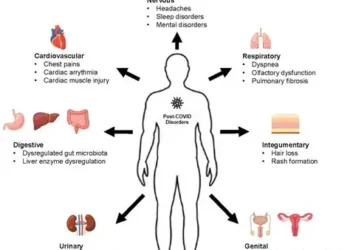 ‘Zoom Dysmorphia’ Explosion: BDD Patients Quadruple in Post-Pandemic UK
 ‘The Final Word’: Kathleen Stock’s Polemic Against Assisted Dying Reshapes the UK Debate
 ‘The Insulation Trap’: Knifeman Discovered Hiding Under Loft Padding After Six-Hour Standoff
 Heartbreak in Bournemouth: The Tragic Death of James Blanch
 Paws on the Wheel: Driver Facing Fine After Dog Photographed on Lap
 The Miracle of Phoenix: ‘Half Dead’ Rescue Dog Defies the Odds in Worcestershire
 The Pre-School Lottery: Families Left in ‘Holding Pattern’ as Local Places Vanish
 Moldova River Crisis Exposes War’s Hidden Cost
 GSK cancer drug shows early promise in trials
 Toxic Trail: Dog Owners Warned Over ‘Vile’ Poisoned Meat Found in Parks
 The Waiting Ward: ‘Month of Worry’ as Doctor Strikes Trigger Seismic Surgery Delays
 MoD Has Lost Track of Veteran Recall List, Says Adviser
 ‘The Last of the Greatest’: UK’s Oldest WWII Veteran Passes Away Aged 109
 ‘A Sacred Space Shattered’: Two Found Guilty in London Church Drive-By Murder Trial