
Published: 22 April 2026. The English Chronicle Desk. The English Chronicle Online
The morning mist clinging to the pine-covered slopes of Pahalgam’s Baisaran Valley carried a heavy silence today as families and locals gathered to mark one year since the region’s deadliest assault on civilians in decades. Known to many as “Mini Switzerland” for its serene meadows and crystalline streams, Baisaran became the site of a horrific bloodbath on 22 April 2025, when gunmen emerged from the surrounding forests to open fire on unsuspecting holidaymakers. Today, the anniversary of the tragedy serves as a grim reminder of the 26 tourists whose lives were cut short, leaving behind a community still grappling with the psychological scars of that afternoon.

The attack, which occurred during the peak of the spring tourist season, was characterized by a chilling level of calculation. Eyewitnesses from last year recalled how men dressed in uniforms—initially mistaken for local security personnel—walked calmly into the meadows before unleashing a hail of automatic gunfire. The victims included honeymooners, families with children, and a young Indian Navy officer who had been on his wedding trip. One of the most haunting images to emerge from the aftermath was that of Himanshi Narwal, who survived only to witness her husband’s life end in the grass they had been admiring moments before. The brutality of the event was compounded by reports that the attackers selectively targeted individuals, asking some to recite religious prayers before resuming their fire.
In the twelve months since the “Pahalgam Massacre,” the geopolitical ripples of the event have been profound. The Indian government launched “Operation Sindoor” in May 2025, a military strike targeting militant launchpads across the Line of Control, which New Delhi alleged were used to plan the Baisaran assault. This led to the most significant diplomatic freeze between India and Pakistan since 2019, including the suspension of the Indus Waters Treaty and the closing of the Attari border crossing. While The Resistance Front (TRF), an offshoot of Lashkar-e-Taiba, claimed responsibility online, the shadowy nature of the insurgency has left many families feeling that true justice remains elusive even as the military manhunt continues in the dense high-altitude forests.
Despite the heavy security presence and the pervasive sense of loss, there are flickers of resilience in the valley. Local pony riders and guides, such as Nazakat Ali—who was hailed as a hero for whisking eleven wounded tourists to safety on horseback last year—continue to work the trails, though they admit the atmosphere has changed. Tourism, the lifeblood of the region, has begun a tentative recovery, but every visitor now passes through a gauntlet of checkpoints that did not exist before that fateful Tuesday. Security forces have been on high alert across Gulmarg and Tangmarg this week, determined to prevent any recurrence of the violence that shattered the peace of the Himalayan landscape.

As the sun set over the peaks this evening, small memorials were held in Srinagar and Pahalgam to honor the “martyrs of Baisaran.” For the survivors, the physical wounds have largely healed, but the “unbearable pain” referenced by many remains a constant companion. They describe a lingering sense of disbelief that a place of such profound natural beauty could play host to such absolute depravity. While the government speaks of normalcy and improved vigilance, for those who lost their loved ones in the meadow, the valley of Kashmir will forever be viewed through the lens of that terrifying afternoon when the world turned red.
Related News:
 Madeleine McCann Case: German Woman at Centre of Hit-and-Run Theory Speaks Out
 UK Home Office to Launch French Beach Signage to Warn Asylum Seekers of Risks
 Charlie Kirk Killing Used to Mobilise UK’s Largest Far-Right Rally in Decades
 UK and Ireland Set to Unveil New Proposals to Address Northern Ireland’s Troubles Legacy
 UK Recognises State of Palestine in Push to Preserve Hope for Peace
 Jailed Georgian Opposition Leaders Warn UK of Iranian Links to Ruling Party
 Cooper Unveils £4m Cyber Plan Against Russian Hackers
 China’s Mega Embassy in London Faces Further Delay
 Prince Andrew met alleged Chinese spies during Pitch@Palace China trips
 Kosovo agrees to host Britain’s refused asylum seekers
 UK Gamer Recruited by Wagner Group Found Guilty of Arson
 Trump Speaks on Prince Andrew’s Royal Scandal Fallout
 Pregnant UK Teen to Be Freed from Georgian Jail
 Just Stop Oil Protesters Convicted Amid Climate Defence Row
 British Grandmother to Return Home After Death Sentence in Bali
 Second world war veterans honoured as King leads Remembrance Sunday
 New review urges UK to repatriate Shamima Begum, others from Syria
 Emails Show Epstein Funded Mandelson’s Husband After Jail
 London Pedicab Regulations Target ‘Rip-Off Fares’ and Nuisance Behaviour
 How Much Could Andrew’s Arrest Hurt the Royal Family?
 Two Arrested After Death of ‘British Lip King’
 Two Arrested After Woman Set on Fire in Revenge Attack
 Family ‘Incredibly Worried’ for Jailed Iran Couple
 Five Years On Since Sarah Everard, What’s Actually Changed?
 Stranger ‘On Drugs’ Stabbed Saudi Student to Death in Cambridge
 Murdered Student ‘Algasim’ Was ‘the Most Special Person’, Friends Say
 Four arrested on suspicion of assisting Iran’s intelligence service
 Teen Admits Filming Westfield Chair Prank
 Second Explosion in Three Days Leaves Thirteen Dead in Kerala
 UK Must Act with Courage and Clarity on Israel-Palestine Conflict, Says Foreign Affairs Committee Report
 Targeted Attack in Bury Sparks Murder Investigation as Community Awaits Justice
 Radioactive Leak at UK’s Nuclear Warhead Base Sparks Outcry Over Safety and Secrecy
 Terence Stamp, ’60s British Film Legend and Star of Superman, Dies at 87
 Merseyside Police Helicopter Crew Cleared After Low-Altitude Pursuit of Suspect
 Is the UK Ready to Put Boots on the Ground in Ukraine? Assessing Military Capacity and Challenges
 Urgent Action Needed on Windrush Compensation as Survivors Speak of “Waiting to Die”
 Systemic Racism in Maternity Care Continues to Endanger Black Women in England, MPs Warn
 Northern Ireland Faces Fears of Prolonged Race Riot “Permacrisis”
Channel Crossings Surge: Over 1,000 People Arrive in the UK in Small Boats in a Single Day
Northern Ireland Faces Fears of Prolonged Race Riot “Permacrisis”
Channel Crossings Surge: Over 1,000 People Arrive in the UK in Small Boats in a Single Day
 No Evidence Found to Substantiate Alleged Rape in Oxfordshire Churchyard, Police Confirm
 Massive London Poundland Fire Engulfs High Street
 Paedophile Singer Ian Watkins Dies After Prison Attack
 UK Bans Fake Numbers: Scammers Lose Their Trick
 Indian authorities demolish Kashmir home linked to Red Fort blast
 Greene Pushes Epstein Files Amid Trump Fallout
 Inside the Helpline Protecting Missing Children in the UK
 Woman Jailed for Life After Killing E-Bike Rider in Tragic Mistaken Identity Case
 Police response times face strict new national limits
 UK New Car Discounts Near £6,000 as Prices Are Slashed
 ‘Daejaun Was Drawn Deeper Into Danger,’ Says Heartbroken Mother
 Starmer Weighs Fast-Tracking Defence Boost
 Snow and Rain Warnings as Cold Snap Continues in the UK
 Nine Arrested in France Over Death of Far‑Right Student
 Epstein Eyed Record Label Investment to Access Women, Files Suggest
 Fly-Tippers to Be Hunted by ‘Drone Squad’ in Crackdown from the Sky
 Australian PM Says Former Prince Andrew Has Suffered ‘Extraordinary Fall’ but That Won’t Prompt Republic Referendum
 Farage Chagos Islands Row Sparks Fury
 Storm Hernando: Edinburgh Airport Flights Cancelled in US Travel Chaos
 ‘We’ve been paying for happy endings for Andrew for years’: inside the royal disgrace, biographer says
 Rape Accused Had Fight With Man in Alley, Court Told
 American Citizen Killed in Cuba Boat Shooting, U.S. Officials Say
 Ian Huntley Seriously Injured in Prison Attack
 Mother Says ‘I Hugged My Daughter’s Killer’ as They Cried Together in Prison
 Suspects in Lisa Dorrian Case Released on Bail
 Driver Jailed Over Fatal Water Treatment Tank Crash
 Brit ‘in Good Spirits’ Amid Dubai Missile Attacks, Stranded but Safe
 Calls Grow to Remove Billboard Following Lyra McKee Graffiti
 Police Scotland Pays £8m Compensation to Staff
 Minister Meets Crews Who Will ‘Take Out’ Iranian Drones
 Real Estate Brothers Convicted in Sex Trafficking Trial
 Teen Wins Payout After TRNSMT Crush Horror
 Australia Imposes Sudden Travel Ban on Iranian Visitors
 UK Forces Ready to Seize Russian Shadow Fleet Vessels
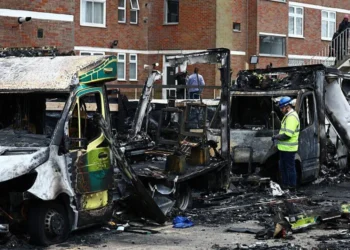 Two Men Bailed Following Arson Attack on Jewish Charity Ambulances
 Net Closes on Lyons Clan: Partner Arrested in Dubai as Crime Boss Snared in Bali
 ‘The Insulation Trap’: Knifeman Discovered Hiding Under Loft Padding After Six-Hour Standoff
 Open Justice Prevails as Court Rejects Bondi Gunman’s Family Anonymity Bid
 The Banbridge Rescue: 300 Sheep Saved from Massive Hay Shed Inferno
 The Fallen Icon: Ben Roberts-Smith Charged with Five War-Crime Murders
 Roadside Reckoning: Nearly 160,000 Uninsured Vehicles Seized in National Crackdown