Published: 21 April 2026. The English Chronicle Desk. The English Chronicle Online
A “perfect storm” of geopolitical instability and economic desperation has triggered a record-breaking surge in fuel-related crime across the United Kingdom. With the ongoing conflict between the United States and Iran pushing global oil prices toward $125 a barrel, the average price of a liter of diesel at British forecourts hit a staggering 190.4p this Tuesday morning. In response, the British Oil Resilience Executive (BORE) has reported a 42% increase in “drive-offs” and large-scale fuel siphoning incidents over the last 30 days, as both organized gangs and struggling motorists reach a breaking point.

The spike in crime follows the expiration of the 14-day ceasefire between Washington and Tehran, which has seen the Persian Gulf blockade tighten once again. As supply lines remain throttled, the “War Tax” on UK household bills is no longer a theoretical concern but a daily reality. “We are seeing a new level of brazenness,” said a spokesperson for the National Police Air Service. “This isn’t just people forgetting to pay; we’re seeing ‘siphoning squads’ targeting commercial depots and even drilling into the tanks of parked lorries overnight.“
The rapid escalation of the Iran war has fundamentally altered the UK energy landscape in less than a month.
| Fuel Type | Price (March 2026) | Price (21 April 2026) | % Increase |
| Unleaded Petrol | 148.2p | 186.8p | +26% |
| Diesel | 154.5p | 190.4p | +23% |
| Super Unleaded | 162.1p | 199.9p | +23% |
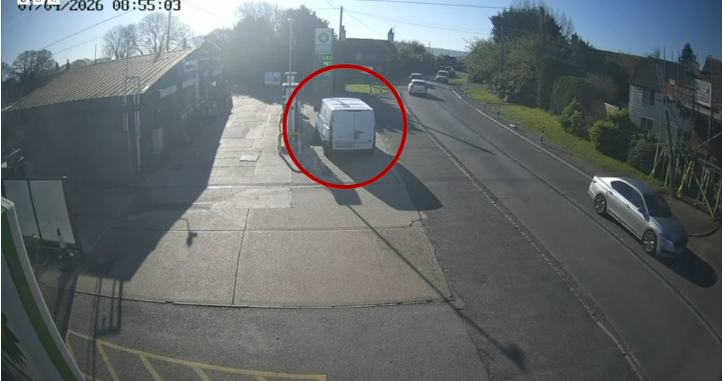
Police forces in the Midlands and Northern England have issued urgent warnings to haulage companies following a series of sophisticated thefts. In Sheffield, a gang reportedly used a modified transit van with a concealed floor pump to drain over 3,000 liters of diesel from a supermarket distribution center in under ten minutes.
On the retail front, petrol stations are increasingly adopting “Pre-Pay Only” models after dark. “I lose roughly £500 a week now to ‘drive-offs,'” says Arjan Singh, an independent station owner in Coventry. “People are covering their license plates with mud or using stolen plates. They fill up and disappear before we can even hit the alarm. It’s the highest level of theft I’ve seen in 20 years of business.”
The domestic crisis is tied directly to the “new cards on the battlefield” promised by Tehran. As Iran deploys its “shadow fleet” to bypass the U.S. naval blockade, the uncertainty has kept markets in a state of permanent agitation. Analysts warn that if the Islamabad peace talks fail to produce an extension of the ceasefire by Wednesday midnight, the 200p-per-liter mark—once thought unthinkable—could be breached by the weekend.
In Westminster, Chancellor of the Exchequer Rachel Reeves is facing mounting pressure from both sides of the aisle to implement an emergency 10p cut in fuel duty. While the Treasury has expressed concern over the “multi-billion pound hole” such a cut would leave in the budget, the rising cost of transport is already causing a secondary spike in food prices, with the “War Surcharge” now appearing on everything from bread to fresh produce.
As the midnight deadline in Pakistan approaches, British motorists are being advised to remain vigilant. With “pump piracy” on the rise, the simple act of filling up a tank has become a high-stakes encounter between a volatile global war and the dwindling wallets of the British public.
Related News:
 UK Mobile Retailers Lock Doors Amid Surge in Organised Phone Thefts
 Company linked to Michelle Mone owes £39m in tax

 Plan to Name Company Owners to Curb Money Laundering
 Bogus ‘Oxford Professor’ Jailed Over £880k Investment Scam
 Ram-Raid Gang Hit Livingston Store in Arson Escape
 Fire Crews Battle Major Blaze at Coventry Car Dealership
 The Hidden Highway Heist: Inside the UK’s Cargo Theft Crisis
 The Liquid Gold Heist: Arrests Made After Man Found with ’20 Olive Oil Bottles’
 Roadside Reckoning: Nearly 160,000 Uninsured Vehicles Seized in National Crackdown
 Targeted Attack in Bury Sparks Murder Investigation as Community Awaits Justice
 Chancellor Rachel Reeves Pushes for Sweeping Changes to Environmental Protections to Accelerate Development
 Inflation Latest: Cost of Living Expected to Rise Again in Key Figures Released Today
 Merseyside Police Helicopter Crew Cleared After Low-Altitude Pursuit of Suspect
 Urgent Action Needed on Windrush Compensation as Survivors Speak of “Waiting to Die”
 Shein UK Faces Allegations of Shifting Majority of Profits to Singapore to Reduce UK Tax
 Jaguar Land Rover Extends Production Halt Following Cyber-Attack
 Systemic Racism in Maternity Care Continues to Endanger Black Women in England, MPs Warn
 Northern Ireland Faces Fears of Prolonged Race Riot “Permacrisis”
 Great Britain’s Energy Operator Commits to Strengthening Grid to Prevent Blackouts
 No Evidence Found to Substantiate Alleged Rape in Oxfordshire Churchyard, Police Confirm
 UK House Price Growth Slows as Buyers Exercise Caution Ahead of Autumn Budget
 Kemi Badenoch Unveils ‘Golden Rule’ to Halve Spending Cuts for Deficit Reduction at Tory Conference
 Massive London Poundland Fire Engulfs High Street
 Paedophile Singer Ian Watkins Dies After Prison Attack
 DNA Test Confirms Alleged Stalker Is Not Madeleine McCann
 New V-Level qualification to transform post-16 education
 Real living wage set to rise nearly 7% for UK workers in 2026
 Peterborough Mosques Tighten Security After Attack
 Reeves Faces Setback as Labour May Miss Homes Target
 Trump’s UK Ambassador Urges North Sea Drilling to Strengthen US Ties
 French Taxi Driver Cleared in David Lammy Theft Case After Fare Dispute
 UK Bans Fake Numbers: Scammers Lose Their Trick
 M&S Profits More Than Halve After Cyber-Attack
 Millionaires group urge Reeves to introduce wealth tax to ‘lift kids out of poverty’
 Criminal Gangs Pose as Truckers to Hijack UK Supply Chains
 Inside the Helpline Protecting Missing Children in the UK
 Starmer Says Labour’s Economic Plan Needs Years to Deliver
 Historic £100-Weekly Pension Boost Brings Relief for UK Mineworkers
 Woman Jailed for Life After Killing E-Bike Rider in Tragic Mistaken Identity Case
 Police response times face strict new national limits
 UK New Car Discounts Near £6,000 as Prices Are Slashed
 ‘Daejaun Was Drawn Deeper Into Danger,’ Says Heartbroken Mother
 Pound Sinks and Borrowing Costs Rise as Starmer Fights for Job
 Major UK Clothing Firm Collapses into Administration — 109 Jobs at Risk
 Could Manchester Lead the UK’s Economic Revival?
 Lloyds Boss Accepts Concern Over Use of Staff Data in Pay Talks
 Fly-Tippers to Be Hunted by ‘Drone Squad’ in Crackdown from the Sky
 ‘Don’t Make Us Security Guards,’ Says Teacher Stabbed by Pupil
 UK Job Vacancies Hit Five-Year Pandemic Low
 Mother of Nottingham Attacks Victim Calls for ‘Whole Truth’ as Inquiry Begins
 UK Youth Unemployment Surges Amid Tax Changes
 Strong Rebound for UK Housing Market Sees 6% More Homes
 Rape Accused Had Fight With Man in Alley, Court Told
 Ian Huntley Seriously Injured in Prison Attack
 Switching Energy Deal Can Save £200 as Price Cap Falls
 Mother Says ‘I Hugged My Daughter’s Killer’ as They Cried Together in Prison
 Suspects in Lisa Dorrian Case Released on Bail
 Driver Jailed Over Fatal Water Treatment Tank Crash
 Insulin Evidence in Letby Trial Under Scrutiny After Expert’s GMC Probe Emerges
 Calls Grow to Remove Billboard Following Lyra McKee Graffiti
 Labour MP’s Partner Arrested on Suspicion of Spying for China
 Police Scotland Pays £8m Compensation to Staff
 Armed police incident closes major road
 Scots Man Convicted in Dirty Money Case After DNA Found on Cash
 Teen Wins Payout After TRNSMT Crush Horror
 ‘Heating Oil Suppliers Are Holding Us to Ransom’ as Prices and Cancellations Surge
 Liverpool Shooting Horror as Girl, 17, Shot in Legs in ‘Targeted Attack’
 Charity Watchdog Takes Control of Learning Disability Care Home
 Two Men Bailed Following Arson Attack on Jewish Charity Ambulances
 Police Hunt Bike-Riding Gunman After Man Shot Dead Near Euston
 English Football’s Managerial Merry-Go-Round Has Become a Circus
 The 8 Million Dilemma: Why Britain’s Disability Safety Net is Facing a ‘2026 Reckoning’
 The ‘Peterborough Windfall’: Council Calculator Finds £84,800 in Unclaimed Support
 ‘The Insulation Trap’: Knifeman Discovered Hiding Under Loft Padding After Six-Hour Standoff
 New UK Farm Inheritance Tax Rule Will Cause ‘Significant Challenges’, Say Accountants
 The Waiting Ward: ‘Month of Worry’ as Doctor Strikes Trigger Seismic Surgery Delays
 Misconduct Inquiry Launched Over Fatal Schoolgirl Crash Response
 Carmakers Face £3bn Gap in UK Loan Payout Scandal
 The Shadow of the Ticker: Insider Trading Allegations Cloud Trump’s Economic Agenda