Published: 20 April 2026. The English Chronicle Desk. The English Chronicle Online.
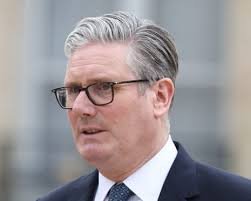
The announcement of Peter Mandelson as the ambassador to the United States was deeply flawed. One senior minister within Keir Starmer’s government has now admitted the process was handled poorly. They spoke candidly before the prime minister prepared a statement to address the growing controversy. This political scandal has reached a boiling point for the current administration in London today. The prime minister now faces intense pressure to explain why he lacked critical information throughout. It appears the Foreign Office overruled a previous decision to refuse Mandelson his security vetting. This oversight has left the government scrambling to regain control of the unfolding political narrative. Some senior figures believe the next few days will define the prime minister’s future. The stability of Downing Street hangs in the balance as opposition leaders demand immediate accountability.
Douglas Alexander serves as the secretary for Scotland and is a key government voice. He appeared on the morning broadcast round to address these pressing concerns on Monday morning. Reporters asked him directly if Keir Starmer would lead the Labour Party into the next election. He expressed his firm expectation that the prime minister would indeed remain in his position. He acknowledged that there are no certainties in the volatile world of modern British politics. However, he maintained that Starmer should lead and will likely continue to do so comfortably. The questions then turned to the bizarre decision to announce the appointment before vetting finished. This specific move invited significant criticism given the historical controversies surrounding Peter Mandelson’s past. Alexander conceded that the existing protocol for such high-level political appointments was likely fundamentally flawed. He suggested that these established rules will now undergo a very necessary and urgent review.

The minister admitted that the government made a clear error regarding the Mandelson appointment timing. He stated that significant lessons regarding the internal vetting process must be learned right away. One immediate change involves ensuring deep vetting occurs well before any official public announcement happens. The previous process was deemed inadequate in retrospect by those now handling the unfolding situation. They have already moved to change the procedure to prevent similar mistakes from happening again. This shift aims to restore trust in how the government handles sensitive international diplomatic roles. The administration clearly recognizes the damage caused by this lapse in professional judgment and oversight. They are desperately trying to project an image of competence and reform moving forward today.
Alexander took time to defend Starmer’s recent decision to remove Sir Olly Robbins yesterday. Robbins was the top civil servant at the Foreign Office during this turbulent vetting period. Reports indicated that his department failed to pass on information about the failed security check. This failure created a massive gap in knowledge for ministers who relied on official updates. However, the decision to remove such a senior official has drawn harsh public criticism. Lord Gus O’Donnell is the former head of the civil service in the United Kingdom. He wrote an opinion piece in the Times arguing against the prime minister’s harsh actions. He believes Starmer and his ministers have unfairly blamed Robbins for a much larger issue. O’Donnell warned that this dismissal could have a serious chilling effect on all civil servants. He fears that talented officials will now be hesitant to offer candid advice to ministers. This creates a difficult environment for the working relationship between politicians and the permanent bureaucracy.
O’Donnell suggested that the government does not fully understand how the complex vetting process functions. He claims that the prime minister is currently facing a massive crisis in civil service relations. The tension between ministers and mandarins has rarely been higher in modern British political history. Despite these strong warnings, Alexander maintained that the civil service failed in its fundamental duties. He argued that the vetting process raised legitimate concerns about Mandelson that required urgent attention. These concerns were flagged to the ministers who were involved in the initial appointment process. This communication should have happened immediately rather than being buried within the Foreign Office bureaucracy. The failure to share this information occurred even when Starmer was questioned in the Commons. Mandelson was eventually sacked due to his established links with the late offender Jeffrey Epstein. This specific connection should have triggered an immediate review of his status during the process.

Ministers expect the civil service to be entirely candid and open with them at all times. They need full information before making any public statements in parliament or to the press. This lack of transparency has caused enormous embarrassment for a government already struggling with public opinion. Ministers spent the entire weekend trying to shore up the prime minister’s crumbling political position. Opposition party leaders have publicly called for Starmer to resign over the entire messy affair. Senior government figures are rightfully concerned that this week could become a major breaking point. They fear that more damaging information might emerge from behind the scenes very soon now. Many sceptical Labour MPs are watching the situation closely to see how the week develops. If they lose faith, the prime minister’s ability to govern will surely diminish quite rapidly.
The government is attempting to move past the damage caused by this single flawed appointment. They are emphasizing that the process for vetting will be improved for all future candidates. This focus on policy change is intended to distract from the individual failure of leadership. Whether this strategy will succeed remains a primary question for political observers in the capital. The prime minister must deliver a very strong performance in the Commons later this afternoon. A failure to provide a coherent explanation could lead to further calls for his resignation. The atmosphere in Westminster is tense as the details of this security failure become public. The public deserves to know how such a critical oversight could possibly have taken place. It serves as a reminder of how quickly political fortunes can change in the UK. The coming days will be vital for the survival of the current governing party today. The focus remains on accountability, transparency, and the restoration of order within the civil service. This story continues to develop as more details emerge from government sources throughout this day. The political landscape in Britain is watching the prime minister’s next move with great intensity.
Related News:
 Green Party Surges Past Labour in Latest UK Poll
 Trump’s UK Ambassador Urges North Sea Drilling to Strengthen US Ties
 French Taxi Driver Cleared in David Lammy Theft Case After Fare Dispute
 Millionaires group urge Reeves to introduce wealth tax to ‘lift kids out of poverty’
 Starmer Faces Growing Dissent as Labour MPs Weigh Leadership Challenge
 Reeves rejects £1bn plea for NHS redundancy payouts
 PM Condemns Leaks, Vows Loyalty to Ministers and Stability
 Major Rent Reform Ends No-Fault Evictions in England
 Peers Flood Assisted Dying Bill with 942 Amendments
 Most Tories Expect to Support a Farage-Led Government
 Labour MP claims devolution bill is ‘blatant discrimination’ against Cornwall
 Millions Face Higher Taxes Under Reeves New Budget
 Starmer Says Labour’s Economic Plan Needs Years to Deliver
 Culture secretary to review Telegraph takeover by Daily Mail owner
 UK Government Borrowing Drops to £11.6bn in December
 Labour Blocks Burnham as Party Rift Deepens Ahead of Polls
 Andy Burnham and the Labour Rift Over Power and Leadership
 Huge mistake: Labour blocks Burnham from byelection bid
 Artificial intelligence will cost jobs, admits Liz Kendall
 Labour targets Greens on drugs in Gorton Denton byelection
 Greens nominate Hannah Spencer for Gorton and Denton byelection
 Mandelson Faces Police Inquiry Over Epstein Leak
 Starmer Condemns ‘Depraved’ Russian Strikes on Ukraine
 Labour Thinktank Row Deepens Over Journalist Probe Claims
 Morgan McSweeney downfall shocks Labour leadership
 Labour Lord Doyle Apologises Over Paedophile Ties in Political Storm
 Cabinet Secretary Shake-Up Triggers Due Diligence Warning
 Starmer Faces Inquiry Calls Over Thinktank Probe
 Royal Mail Delivery Crisis Deepens Amid Weather Chaos
 UK shelves £110m border project amid trade strain
 Farage Unveils Reform UK Frontbench Team
 California Democrats Vow Trump Reckoning
 Trump Tariffs Threat Spark UK and EU Alarm
 Wales Approves Assisted Dying Bill Consent
 UK EU Trade Reset Gains Public Backing
 Your Party leadership fight nears dramatic end
 NHS Maternity Units Cover Up Harmful Childbirth Errors
 Green Party Stuns Labour in Gorton and Denton Byelection
 Corbyn Leads Your Party in Coordinated Left-Flank Strategy
 Labour Together scandal sparks clean break vow
 Asylum Seekers to Work After Year-Long Wait
 Starmer Row as Greens Demand Apology
 Proposed Law Leaves Gap for Children of Convicted Paedophiles
 Gordon Brown urges court for crimes against children
 Starmer Praised for Stance on Trump and Iran Conflict
 Inquiry into HMRC child benefit errors launched by NAO
 NHS Plans to Cut Overseas Workers Labeled Overambitious
 Farage Faces Backlash Over Crypto Cameo Endorsements
 Family Court Reform Promises New Era for UK Families
 Army Probes Apache Flyover at Kid Rock’s Nashville Estate
 Relationship with Trump may be beyond repair, Starmer warned
 Unions Raise Concerns Over Doctors’ Pay Dispute
 UK Government Poised to Revive Stalled Hillsborough Law
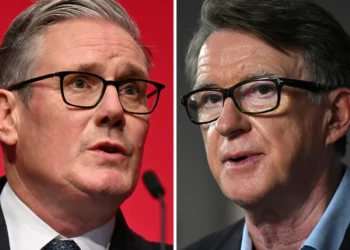 Starmer Faces Commons Test Over Mandelson Scandal
 Crackdown Backfires on UK Climate Protesters
 Red Wall Faces Collapse in UK May Elections
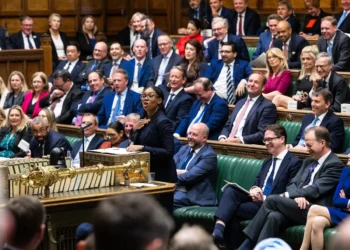 Starmer Survives Mandelson Rebellion
 Labour Members Doubt Starmer Future as Burnham Leads Poll
 Reform UK Faces Crisis as Newly Elected Councillors Resign
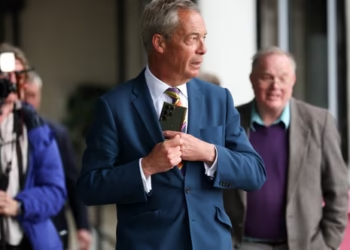 Farage Faces New Questions Over Private Helicopter Use
 NHS Drug Deal Faces Legal Threat Over US Trade Agreement
 Green Party Makerfield Candidate Resigns Over Posts
 UK Welfare: Focus on Jobs Over Benefit Cuts, Says JRF
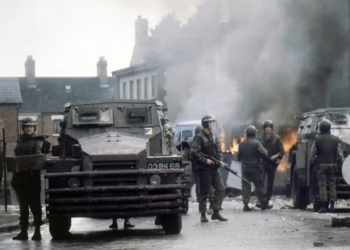 Secret Role of UK Security Services in Troubles Amnesty Law
 Starmer Leadership Under Pressure After Setbacks
 The Hidden Crisis Eroding Trust in British Communities
 Deepfake Abuse on X Sparks Safety Concerns for Dissidents
 Modernising the Military: Carns Demands Urgent Procurement Reform
 UK Ministers Lobby Trump Over Under-16s Social Media Ban
 Starmer Resolves to Fight Burnham in Leadership Battle
 Starmer Resigns as Prime Minister Amid Internal Pressure
 MP Warning: Northern Rail Risks Repeating HS2 Failures
 Hollie Ridley to Step Down as Labour General Secretary
 New South Wales Premier Chris Minns Signals Tough Road Ahead for Labor
 Jarvis Urges Burnham to Secure 3.5% Defence Spending
 Farage Warns Sky News Following Financial Inquiry
 Reform UK Finances Face Deep NCA Probe
 Ann Widdecombe, Formidable Political Figure, Dies at 78
 Treasury Reform Urged After Tragic Loss
 Sadiq Khan Backs Call for Maximum UK Work Heat Limit