Published: 21 April 2026. The English Chronicle Desk. The English Chronicle Online
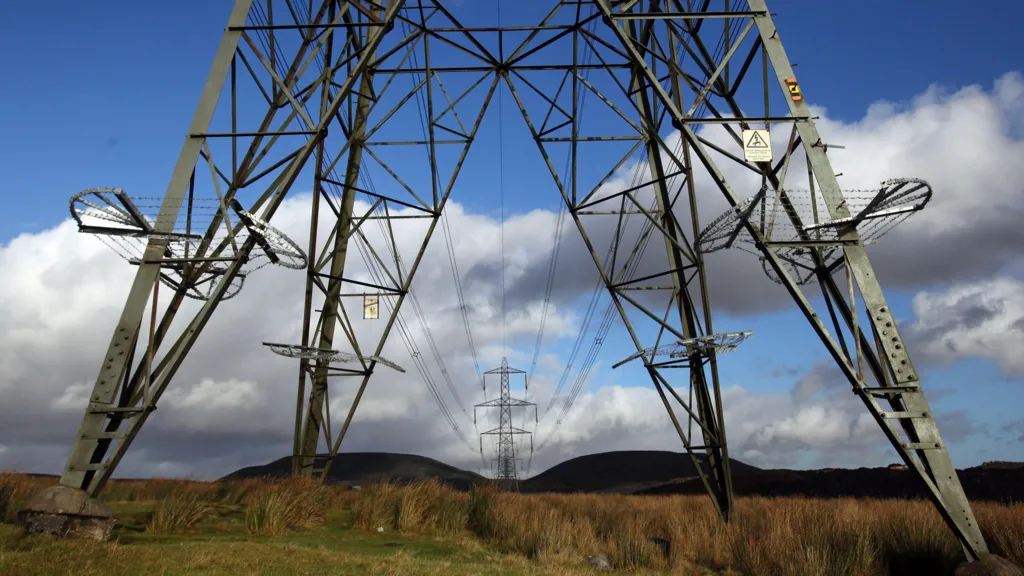
A landmark legal showdown has reached the High Court today as more than 500 farmers and landowners launched a judicial review against energy developers over claims of “unlawful” and “intimidating” conduct. The group, spearheaded by the community organization Justice for Wales and supported by various rural charities, alleges that energy firms have been using “Wild West” tactics to force access to private land for a 200km pylon network stretching from rural Wales into the West Midlands.
The dispute centers on the controversial use of Section 172 of the Housing and Planning Act 2016, which allows developers to enter private property to conduct surveys. Claimants told the court that they have been left feeling “powerless and unsafe” in their own homes, describing a culture of “frightening” pressure from firm representatives who allegedly sought to enter land without proper notice or consent.

While the government continues to push for a rapid expansion of the National Grid to meet “Net Zero” targets, the farming community argues that the human and environmental costs are being ignored.
| Claim Category | Allegation from Farmers/Landowners | Developer Defense |
| Abuse of Power | Use of survey notices without proper legal notice periods. | Essential for “critical national infrastructure” delivery. |
| Data Privacy | Unlawful sharing of personal landowner data with parent companies. | Data is handled within “regulatory standards.” |
| Biosecurity | Failure to meet duties to protect livestock and soil health during entry. | Standard environmental protocols are always followed. |
| Intimidation | Reports of “frightening” and “coercive” behavior by land agents. | Engagement is “respectful and open” with communities. |
The judicial review, which began its substantive hearing this morning, April 21, 2026, is being watched closely by thousands of others affected by similar projects, including the Norwich to Tilbury pylon line in East Anglia. Natalie Barstow, the founder of Justice for Wales, clarified that the challenge is not an opposition to renewable energy itself. “This has never been about opposing green power,” she stated. “This is about protecting communities who have a legal right to be treated fairly and ensuring that the law isn’t bypassed in the name of corporate interest.”
Farmers in the West Midlands have reported that the proposed pylon routes would cut through “prime agricultural land,” rendering large swathes of fields unworkable for modern machinery. There is also a “low rumbling” of concern regarding acid sulphate soils, which campaigners argue could be disturbed during construction, causing irreparable damage to local ecosystems and human health.
Amidst the legal friction, community groups like Pylons East Anglia have been submitting evidence to planning inspectors suggesting that the environmental impact could be halved. They point to the use of “L7c” pylons—which stand at 27m tall, roughly half the height of the standard 50m lattice towers—as a compromise that developers have been “resistant” to adopt.
The High Court has already issued interim orders in March to limit the frequency and duration of land surveys, a move seen as a major preliminary victory for the farmers. However, the full ruling expected later this week will decide if the current “survey power” model is fundamentally flawed.

With over 2,500 people already signing a parliamentary petition to halt pylon expansion in favor of underground or undersea cabling, the “pylon wars” of 2026 are quickly becoming a defining conflict between the government’s industrial ambitions and the traditional rights of the British countryside. As the court sits today, the message from the “silent” rural majority is clear: the road to Net Zero cannot be paved with the intimidation of those who feed the nation.
Related News:
 Supreme Court Ruling on Car Finance Scandal Poised to Impact Millions of Motorists and Banks
 David Lammy Faces Possible Legal Challenge Over Foreign Office Secondment Scheme
 UK Advertising Watchdog Faces Criticism Over Its Own Campaigns
 Lucy Powell urged ministers to reconsider costly legal case for Labour donor’s firm
 Tories Push to Dilute Labour’s Workers’ Rights Bill
 Virgin Media Fined £23.8m Over Telecare Safety Failures
 HMRC Delays Leave Taxpayers Waiting Over a Year for Refunds
 Study Finds One in Seven England Takeaways Are Dark Kitchens
 Fly-Tippers to Be Hunted by ‘Drone Squad’ in Crackdown from the Sky
 Plan to Name Company Owners to Curb Money Laundering
 Restaurant on Otley Run route plans to become bar
 Yorkshire Water Funding Sparks Debate Amid Fines and Pay Row
 Bank of Scotland App Glitch Lets Customers See Other Users’ Transactions
 New £10bn rescue plan offered for Thames Water
 Disabled Girl ‘Felt Like Alien’ in Shoe Row
 Ram-Raid Gang Hit Livingston Store in Arson Escape
 The ‘Great Motor Audit’: Millions of Drivers to Receive £829 Average in Finance Payouts
 The Claims Roadmap: How to Access Your Car Finance Refund in 2026
 ‘I Sent Eight Letters’: The Drivers Fighting for a Payout as the ‘Great Motor Audit’ Approaches
 RSPB Urges Summer Bird Feeder Removal to Curb Disease
 The Rusting Grid: Renewed Calls for Abandoned Cars to Be Dealt With
 City & Guilds Sale Sparks Fees and Pay Uproar
 Night of Fire: Thousands of Turkeys Perish in Cheshire Barn Inferno
 Targeted Attack in Bury Sparks Murder Investigation as Community Awaits Justice
 Merseyside Police Helicopter Crew Cleared After Low-Altitude Pursuit of Suspect
 Tanni Grey-Thompson Faces Abuse Over Opposition to Assisted Dying Bill
 Great Britain’s Energy Operator Commits to Strengthening Grid to Prevent Blackouts
 No Evidence Found to Substantiate Alleged Rape in Oxfordshire Churchyard, Police Confirm
 UK House Price Growth Slows as Buyers Exercise Caution Ahead of Autumn Budget
 Kemi Badenoch Unveils ‘Golden Rule’ to Halve Spending Cuts for Deficit Reduction at Tory Conference
 New V-Level qualification to transform post-16 education
 Real living wage set to rise nearly 7% for UK workers in 2026
 Reeves Faces Setback as Labour May Miss Homes Target
 Trump’s UK Ambassador Urges North Sea Drilling to Strengthen US Ties
 French Taxi Driver Cleared in David Lammy Theft Case After Fare Dispute
 M&S Profits More Than Halve After Cyber-Attack
 Millionaires group urge Reeves to introduce wealth tax to ‘lift kids out of poverty’
 Major Rent Reform Ends No-Fault Evictions in England
 Starmer Says Labour’s Economic Plan Needs Years to Deliver
 Historic £100-Weekly Pension Boost Brings Relief for UK Mineworkers
 Woman Jailed for Life After Killing E-Bike Rider in Tragic Mistaken Identity Case
 No Gas Boiler Ban as UK Warm Homes Plan Backs Heat Pumps
 Devon hosts first high-density hydro power system
 UK New Car Discounts Near £6,000 as Prices Are Slashed
 What is Groundwater Flooding and Why Dorset is Seeing ‘Historical Highs’
 Pound Sinks and Borrowing Costs Rise as Starmer Fights for Job
 Major UK Clothing Firm Collapses into Administration — 109 Jobs at Risk
 Could Manchester Lead the UK’s Economic Revival?
 Motorists Could Face ‘Mandatory’ Driving Ban for Road Offences Under Tougher Laws
 Lloyds Boss Accepts Concern Over Use of Staff Data in Pay Talks
 Civil Service Pay: Union Urges Ministers to End ‘Barking Mad’ Limits
 UK Job Vacancies Hit Five-Year Pandemic Low
Storm Hernando: Edinburgh Airport Flights Cancelled in US Travel Chaos
UK Job Vacancies Hit Five-Year Pandemic Low
Storm Hernando: Edinburgh Airport Flights Cancelled in US Travel Chaos
 UK Youth Unemployment Surges Amid Tax Changes
 Strong Rebound for UK Housing Market Sees 6% More Homes
 Rape Accused Had Fight With Man in Alley, Court Told
 Switching Energy Deal Can Save £200 as Price Cap Falls
 Suspects in Lisa Dorrian Case Released on Bail
 Driver Jailed Over Fatal Water Treatment Tank Crash
 Labour MP’s Partner Arrested on Suspicion of Spying for China
 Police Scotland Pays £8m Compensation to Staff
 Armed police incident closes major road
 Scots Man Convicted in Dirty Money Case After DNA Found on Cash
 Abramovich Chelsea Sale Cash Faces Jersey Probe
 ‘Heating Oil Suppliers Are Holding Us to Ransom’ as Prices and Cancellations Surge
 Liverpool Shooting Horror as Girl, 17, Shot in Legs in ‘Targeted Attack’
 Charity Watchdog Takes Control of Learning Disability Care Home
 Two Men Bailed Following Arson Attack on Jewish Charity Ambulances
 US Lawmaker Demands Testimony Over Sarah Ferguson’s ‘Close Epstein Ties’
 Woman Deported from China Over Manx Passport Mix-Up
 The 8 Million Dilemma: Why Britain’s Disability Safety Net is Facing a ‘2026 Reckoning’
 Net Closes on Lyons Clan: Partner Arrested in Dubai as Crime Boss Snared in Bali
 Open Justice Prevails as Court Rejects Bondi Gunman’s Family Anonymity Bid
 The Banbridge Rescue: 300 Sheep Saved from Massive Hay Shed Inferno
 New UK Farm Inheritance Tax Rule Will Cause ‘Significant Challenges’, Say Accountants
 Country Diary: The Eagle’s Shadow Over the Lambing Shed
 Paws on the Wheel: Driver Facing Fine After Dog Photographed on Lap
 The Miracle of Phoenix: ‘Half Dead’ Rescue Dog Defies the Odds in Worcestershire
 The Waiting Ward: ‘Month of Worry’ as Doctor Strikes Trigger Seismic Surgery Delays
 Roadside Reckoning: Nearly 160,000 Uninsured Vehicles Seized in National Crackdown