Published: 21 April 2026. The English Chronicle Desk. The English Chronicle Online
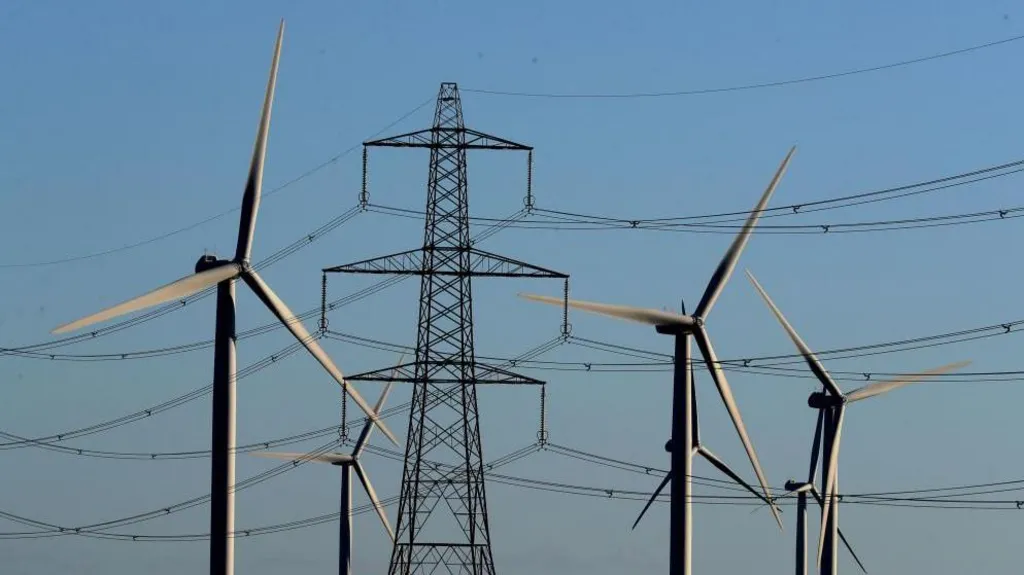
In a move that could permanently alter the British household budget, the government has unveiled a radical “pricing shakeup” aimed at dismantling the antiquated system that keeps electricity prices tethered to the volatile cost of natural gas. Despite the UK’s massive expansion in wind and solar power, electricity remains nearly four times more expensive than gas due to the “marginal pricing” mechanism—a quirk of the market where the most expensive fuel needed to meet demand sets the price for everyone. Under the new Reformed National Pricing (RNP) delivery plan, the government aims to “decouple” these costs, potentially saving typical households up to £250 a year by 2027.

The announcement follows the April 1 implementation of a revised Ofgem price cap, which saw average bills fall to £1,641. However, with the ongoing conflict in the Middle East and the “War Tax” on global energy already threatening a summer price surge, ministers are under intense pressure to deliver a structural fix rather than temporary subsidies. “It is a fundamental absurdity that a family using wind-generated power in Scotland is paying a price dictated by a gas plant in the Midlands or a pipeline in the Gulf,” Energy Secretary Ed Miliband stated.
The current UK market operates on a “pay-as-clear” basis. Because gas-fired power plants are often the final source switched on to fill gaps in renewable generation, their high operational costs set the wholesale price for the entire grid—even for the “free” energy generated by the sun and wind.
| Pricing Factor | Current Impact (Q2 2026) | Proposed ‘Shakeup’ Change |
| Marginal Pricing | Gas sets the price for all electricity. | Decoupled Pricing: Renewables sold at their actual cost. |
| Green Levies | Funded by bill-payers (approx. £170). | Tax-Funded: 75% of levies moved to general taxation. |
| Locational Pricing | Flat national rate regardless of source. | Nodal Pricing: Potential for cheaper power near wind farms. |
| Standing Charges | 57.21p per day (Electricity). | Shift to Unit Rate: Paying only for what you use. |
A central pillar of the April 2026 reform is the massive shift in how the UK funds its transition to net-zero. Previously, “Environmental and Social Obligation” costs (green levies) were added directly to electricity bills, disproportionately hitting the poorest households. As of this month, the government has begun funding 75% of these Renewables Obligation (RO) costs through general taxation. This “levy-shift” alone is responsible for an immediate £150 reduction in the average annual bill, finally making electricity a more competitive option for those considering heat pumps or electric vehicles.
Perhaps the most controversial aspect of the “shakeup” is the discussion around Locational Marginal Pricing (LMP). Under this model, the UK would be divided into hundreds of “pricing nodes.” People living in regions with a surplus of renewable energy—such as coastal towns near offshore wind farms—could see significantly lower electricity rates than those in high-demand, low-generation urban centers like London. While proponents argue this will attract energy-intensive industries to the north, critics fear it could create a “postcode lottery” for basic heating.

Despite the optimism surrounding the reforms, the “low rumbling” of the Iran conflict remains a significant threat. Analysts from Cornwall Insight warn that while structural reforms are a step in the right direction, they cannot fully insulate the UK from a total global energy shock if the Strait of Hormuz is closed. If the Islamabad peace talks fail tonight, the savings promised by the “Great Decoupling” could be wiped out by a fresh spike in wholesale costs before the new system is even fully operational.
For now, the government’s message is one of long-term relief. By targeting the “Gas Peg” and the standing charge “poverty premium,” they are betting that a fairer market will eventually deliver the low-cost, green energy future that has been promised for a decade.
Related News:
 Anglian Water Fined £63 Million Over Sewage Scandal Amid National Outrage
 How to Exit Your Broadband Contract Without Paying Exit Fees
 Permission Granted for Britain’s First Vertical Rocket Launch at Shetland Spaceport
 Government Expands Electric Car Grant Scheme, Offers Discounts on Five More Models
 Ed Davey Urges Government to Block Elon Musk’s Tesla from Supplying UK Home Energy
 UK Could Generate Nearly £2bn Annually by Taxing SUVs, New Study Reveals
 Google Pledges £5bn AI Investment in UK Ahead of Trump State Visit
 Donald Trump’s UK State Visit Kicks Off Amid Major Tech Investments and Business Engagements
 Jaguar Land Rover Extends Production Halt Following Cyber-Attack
 British AI Startup Outshines Human Forecasters in Global Prediction Contest
 Royal Mail Owner Acquires Stake in Collect+ and Launches High Street Rebrand
 Jaguar Land Rover to Resume Production After Cyber-Attack, Launches Supplier Support Scheme
 NHS May Pay 25% More for Medicines Amid US Drug Talks
 Watchdog Rules Red Tractor Ad Misled Public on Environmental Claims
 Eurostar to launch doubledecker trains through Channel Tunnel by 2031
 North Sea oil workers must lose weight or face job loss
 UK Taskforce Unveils Plan to Streamline Nuclear Reactor Rules
 UK Car Sales Pass 2 Million as Chinese Brands Surge
 MPs warn AI financial risks threaten UK stability
 MPs warn AI financial risks threaten UK stability
 AI job losses UK: Britain faces sharper employment shock
 UK New Car Discounts Near £6,000 as Prices Are Slashed
 Bank of Scotland App Glitch Lets Customers See Other Users’ Transactions
 British AI Startup Nscale Faces Backlash Over Planned Microsoft Data Centre
 OpenAI Must Find Profit Path Before Stock Market Debut
 The Silicon Emerald: How Irish Engineers are Cashing In on the AI Boom
 The Silent Lifeline: Why the 2026 Digital Switchover has Millions Saying, ‘I Didn’t Realise How Much I Needed My Landline’
 OpenAI Halts Stargate UK Project Amid Energy Crisis
 The Autonomous Frontier: Northern Ireland Group Secures ‘Seismic’ Grant for Self-Driving Buses
 Heavier SUVs Accelerate Britain’s Pothole Crisis
 Europe EV Demand Surges as Fuel Prices Rise
 The Green Mile: Country Lane Solar Farm Set to Power 13,000 Homes
 The Sustainable Departure: Crematorium Completes £5m ‘Green’ Transformation
 Powering the Future: Green Light for ‘Seismic’ Nuclear Project Promising 8,000 Jobs
 High-Speed Growth: Network Rail Claims Wi-Fi Overhaul Will ‘Transform’ UK Productivity
 Big Pharma Investment Freeze Puts UK Life Sciences Sector Under Strain
 Great Britain’s Energy Operator Commits to Strengthening Grid to Prevent Blackouts
 UK House Price Growth Slows as Buyers Exercise Caution Ahead of Autumn Budget
 Kemi Badenoch Unveils ‘Golden Rule’ to Halve Spending Cuts for Deficit Reduction at Tory Conference
 New V-Level qualification to transform post-16 education
 Real living wage set to rise nearly 7% for UK workers in 2026
 UK Campaigners Launch Bill to Grant Legal Rights to Nature
 Reeves Faces Setback as Labour May Miss Homes Target
Virgin Trains Moves Closer to Challenging Eurostar Monopoly
Reeves Faces Setback as Labour May Miss Homes Target
Virgin Trains Moves Closer to Challenging Eurostar Monopoly
 Trump’s UK Ambassador Urges North Sea Drilling to Strengthen US Ties
 UK Bans Fake Numbers: Scammers Lose Their Trick
M&S Profits More Than Halve After Cyber-Attack
UK Bans Fake Numbers: Scammers Lose Their Trick
M&S Profits More Than Halve After Cyber-Attack
 Patients to Test Health at Home to Ease NHS Winter Pressure
 Millionaires group urge Reeves to introduce wealth tax to ‘lift kids out of poverty’
 Northern Lights may illuminate UK skies this week
 Starmer Says Labour’s Economic Plan Needs Years to Deliver
 Historic £100-Weekly Pension Boost Brings Relief for UK Mineworkers
 Pornhub blocks new UK users over age checks dispute
 Pound Sinks and Borrowing Costs Rise as Starmer Fights for Job
 Major UK Clothing Firm Collapses into Administration — 109 Jobs at Risk
 BT Names New Openreach Chief Amid Major Fibre Expansion
 Could Manchester Lead the UK’s Economic Revival?
 Lloyds Boss Accepts Concern Over Use of Staff Data in Pay Talks
 AI Coding Firm’s ‘Pride’ at Business Award Win
 UK Job Vacancies Hit Five-Year Pandemic Low
 UK Youth Unemployment Surges Amid Tax Changes
 Strong Rebound for UK Housing Market Sees 6% More Homes
 UK’s First Geothermal Plant Powers 10,000 Homes
 Switching Energy Deal Can Save £200 as Price Cap Falls
 ‘Heating Oil Suppliers Are Holding Us to Ransom’ as Prices and Cancellations Surge
 Charity Watchdog Takes Control of Learning Disability Care Home
 Councils Pressed to Use Universal Parking App to Cut ‘Unfair’ Fines
 English Football’s Managerial Merry-Go-Round Has Become a Circus
 ‘Zoom Dysmorphia’ Explosion: BDD Patients Quadruple in Post-Pandemic UK
 The 8 Million Dilemma: Why Britain’s Disability Safety Net is Facing a ‘2026 Reckoning’
 The ‘Peterborough Windfall’: Council Calculator Finds £84,800 in Unclaimed Support
 ‘The Insulation Trap’: Knifeman Discovered Hiding Under Loft Padding After Six-Hour Standoff
 New UK Farm Inheritance Tax Rule Will Cause ‘Significant Challenges’, Say Accountants
 Electric Shock: Australians Buy Record Number of New EVs as Fuel Crisis Bites
 The Great Chokehold: Why the Strait of Hormuz is the Epicenter of the 2026 Crisis
 The Pre-School Lottery: Families Left in ‘Holding Pattern’ as Local Places Vanish
 GSK cancer drug shows early promise in trials
 The Waiting Ward: ‘Month of Worry’ as Doctor Strikes Trigger Seismic Surgery Delays
 Roadside Reckoning: Nearly 160,000 Uninsured Vehicles Seized in National Crackdown
 Carmakers Face £3bn Gap in UK Loan Payout Scandal