
Published: 20 April 2026. The English Chronicle Desk. The English Chronicle Online
In a move aimed at ending the “digital dark ages” of the British commute, Network Rail and the Department for Transport (DfT) have announced a multi-billion pound nationwide upgrade to on-train connectivity. The project, which utilizes a hybrid of low-earth orbit (LEO) satellite technology and enhanced 5G trackside infrastructure, promises to deliver consistent, “office-grade” Wi-Fi across the UK’s primary rail arteries. According to government officials, the transition from patchy, 4G-based systems to high-bandwidth connectivity will “transform” the UK business landscape, potentially adding billions to the economy by turning “dead travel time” into a seamless extension of the workplace.
The upgrade comes as recent data suggests that the “working commute” has become a permanent fixture of post-pandemic life. Currently, over 65% of business travelers attempt to work while on the train, but 40% report frequent “blackouts” in tunnels and rural corridors, leading to lost data and dropped video calls. The new system, developed in partnership with satellite providers like Starlink and OneWeb, aims to guarantee speeds of up to 200Mbps per passenger, even while traveling at 125mph. “The era of ‘I’m going into a tunnel, I’ll call you back’ is officially coming to an end,” Transport Secretary Louise Haigh stated during the launch at King’s Cross.
The rollout focuses on the “Golden Quadrant”—the West Coast, East Coast, Great Western, and Midland Main Lines—before expanding to regional routes by 2028.
| Feature | Legacy System (Pre-2026) | New ‘Giga-Rail’ Standard | Business Impact |
| Download Speed | 5 – 10 Mbps (Shared) | 100 – 200 Mbps (Per User) | Enables 4K Video Conferencing. |
| Coverage Reliability | 62% in rural areas | 99% (Satellite-backed) | Continuous cloud-based workflows. |
| Latency | 100ms+ (Variable) | <30ms (Stable) | Real-time collaborative coding/design. |
| Security | Open, unencrypted | Enterprise-grade VPN-ready | Protection of sensitive corporate data. |
Business leaders in the North of England have particularly welcomed the news, noting that the “productivity gap” between London and regional hubs is often exacerbated by poor infrastructure. “If you’re a designer in Leeds or a developer in Manchester, the two-hour trip to London has historically been a black hole for productivity,” said Sarah Long, Director of the Northern Business Alliance. “With this upgrade, a train carriage effectively becomes a high-spec co-working space. It levels the playing field for regional businesses who need to stay connected to global markets while on the move.”
While the government hails the project as a victory for growth, critics have raised concerns over the “digital surcharge.” To fund the infrastructure, several operators have proposed a “Premium Connectivity” tier for Standard Class passengers, though the DfT has insisted that “Basic High-Speed” must remain free for all travelers. There are also environmental questions regarding the increased power consumption of high-gain satellite receivers on train roofs.
Network Rail’s Chief Technology Officer, Robert Ampere, dismissed these concerns, arguing that the economic benefits far outweigh the costs. “By 2027, the UK will have the most digitally integrated rail network in Europe,” Ampere noted. For the millions of commuters who have spent years staring at a “Loading…” screen between stations, the promise of a “transformed” business day is less about the grand economic scale and more about the simple relief of finally being able to send that email before reaching the platform.
Related News:
 Anglian Water Fined £63 Million Over Sewage Scandal Amid National Outrage
 How to Exit Your Broadband Contract Without Paying Exit Fees
 Permission Granted for Britain’s First Vertical Rocket Launch at Shetland Spaceport
 Government Expands Electric Car Grant Scheme, Offers Discounts on Five More Models
 Ed Davey Urges Government to Block Elon Musk’s Tesla from Supplying UK Home Energy
 UK Could Generate Nearly £2bn Annually by Taxing SUVs, New Study Reveals
 Google Pledges £5bn AI Investment in UK Ahead of Trump State Visit
 Donald Trump’s UK State Visit Kicks Off Amid Major Tech Investments and Business Engagements
 Jaguar Land Rover Extends Production Halt Following Cyber-Attack
 British AI Startup Outshines Human Forecasters in Global Prediction Contest
 Royal Mail Owner Acquires Stake in Collect+ and Launches High Street Rebrand
 Jaguar Land Rover to Resume Production After Cyber-Attack, Launches Supplier Support Scheme
 NHS May Pay 25% More for Medicines Amid US Drug Talks
 Watchdog Rules Red Tractor Ad Misled Public on Environmental Claims
 Eurostar to launch doubledecker trains through Channel Tunnel by 2031
 North Sea oil workers must lose weight or face job loss
 UK Taskforce Unveils Plan to Streamline Nuclear Reactor Rules
 UK Car Sales Pass 2 Million as Chinese Brands Surge
 MPs warn AI financial risks threaten UK stability
 MPs warn AI financial risks threaten UK stability
 AI job losses UK: Britain faces sharper employment shock
 UK New Car Discounts Near £6,000 as Prices Are Slashed
 Bank of Scotland App Glitch Lets Customers See Other Users’ Transactions
 British AI Startup Nscale Faces Backlash Over Planned Microsoft Data Centre
 OpenAI Must Find Profit Path Before Stock Market Debut
 The Silicon Emerald: How Irish Engineers are Cashing In on the AI Boom
 The Silent Lifeline: Why the 2026 Digital Switchover has Millions Saying, ‘I Didn’t Realise How Much I Needed My Landline’
 OpenAI Halts Stargate UK Project Amid Energy Crisis
 The Autonomous Frontier: Northern Ireland Group Secures ‘Seismic’ Grant for Self-Driving Buses
 Heavier SUVs Accelerate Britain’s Pothole Crisis
 Europe EV Demand Surges as Fuel Prices Rise
 The Green Mile: Country Lane Solar Farm Set to Power 13,000 Homes
 The Sustainable Departure: Crematorium Completes £5m ‘Green’ Transformation
 Powering the Future: Green Light for ‘Seismic’ Nuclear Project Promising 8,000 Jobs
 Chancellor Rachel Reeves Pushes for Sweeping Changes to Environmental Protections to Accelerate Development
 Inflation Latest: Cost of Living Expected to Rise Again in Key Figures Released Today
 Shein UK Faces Allegations of Shifting Majority of Profits to Singapore to Reduce UK Tax
 Big Pharma Investment Freeze Puts UK Life Sciences Sector Under Strain
 Persistent Offenders Owe Over £700m in Ulez Fines as TfL Cracks Down on Evasion
 Great Britain’s Energy Operator Commits to Strengthening Grid to Prevent Blackouts
 UK House Price Growth Slows as Buyers Exercise Caution Ahead of Autumn Budget
 Kemi Badenoch Unveils ‘Golden Rule’ to Halve Spending Cuts for Deficit Reduction at Tory Conference
 New V-Level qualification to transform post-16 education
 Real living wage set to rise nearly 7% for UK workers in 2026
 UK Campaigners Launch Bill to Grant Legal Rights to Nature
 Reeves Faces Setback as Labour May Miss Homes Target
Virgin Trains Moves Closer to Challenging Eurostar Monopoly
Reeves Faces Setback as Labour May Miss Homes Target
Virgin Trains Moves Closer to Challenging Eurostar Monopoly
 Trump’s UK Ambassador Urges North Sea Drilling to Strengthen US Ties
 UK Bans Fake Numbers: Scammers Lose Their Trick
M&S Profits More Than Halve After Cyber-Attack
UK Bans Fake Numbers: Scammers Lose Their Trick
M&S Profits More Than Halve After Cyber-Attack
 Patients to Test Health at Home to Ease NHS Winter Pressure
 Millionaires group urge Reeves to introduce wealth tax to ‘lift kids out of poverty’
 Northern Lights may illuminate UK skies this week
 Starmer Says Labour’s Economic Plan Needs Years to Deliver
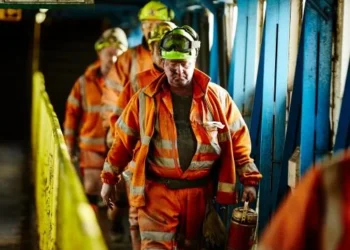 Historic £100-Weekly Pension Boost Brings Relief for UK Mineworkers
 Pornhub blocks new UK users over age checks dispute
 Pound Sinks and Borrowing Costs Rise as Starmer Fights for Job
 Major UK Clothing Firm Collapses into Administration — 109 Jobs at Risk
 BT Names New Openreach Chief Amid Major Fibre Expansion
 Could Manchester Lead the UK’s Economic Revival?
 Lloyds Boss Accepts Concern Over Use of Staff Data in Pay Talks
 AI Coding Firm’s ‘Pride’ at Business Award Win
 UK Job Vacancies Hit Five-Year Pandemic Low
 UK Youth Unemployment Surges Amid Tax Changes
 Strong Rebound for UK Housing Market Sees 6% More Homes
 UK’s First Geothermal Plant Powers 10,000 Homes
 Switching Energy Deal Can Save £200 as Price Cap Falls
 ‘Heating Oil Suppliers Are Holding Us to Ransom’ as Prices and Cancellations Surge
 Charity Watchdog Takes Control of Learning Disability Care Home
 Councils Pressed to Use Universal Parking App to Cut ‘Unfair’ Fines
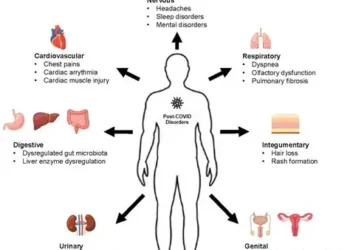 ‘Zoom Dysmorphia’ Explosion: BDD Patients Quadruple in Post-Pandemic UK
 The 8 Million Dilemma: Why Britain’s Disability Safety Net is Facing a ‘2026 Reckoning’
 ‘The Insulation Trap’: Knifeman Discovered Hiding Under Loft Padding After Six-Hour Standoff
 New UK Farm Inheritance Tax Rule Will Cause ‘Significant Challenges’, Say Accountants
 Electric Shock: Australians Buy Record Number of New EVs as Fuel Crisis Bites
 The Great Chokehold: Why the Strait of Hormuz is the Epicenter of the 2026 Crisis
 GSK cancer drug shows early promise in trials
 The Waiting Ward: ‘Month of Worry’ as Doctor Strikes Trigger Seismic Surgery Delays
 Roadside Reckoning: Nearly 160,000 Uninsured Vehicles Seized in National Crackdown
 Carmakers Face £3bn Gap in UK Loan Payout Scandal