
Published: 20 April 2026. The English Chronicle Desk. The English Chronicle Online
British motorists are facing the most aggressive surge in fuel costs since the 2022 energy crisis, as the average price of diesel in the UK officially crossed the 190p per litre mark this morning. According to live data from Fuel Finder UK and the RAC, diesel is currently averaging 190.4p, while petrol (unleaded E10) has climbed to 157.8p. The spike, driven by the ongoing conflict in the Middle East and a choked supply chain through the Strait of Hormuz, has left drivers reeling from a “double-digit” monthly increase that transport experts warn is not over yet.

The speed of the price hike has been unprecedented. In March 2026 alone, diesel prices jumped by a record-breaking 40p per litre, eclipsing the previous monthly record set during the invasion of Ukraine. For a standard 55-litre family car, the cost of a full tank of diesel has soared to £104.72, up nearly £23 in just eight weeks. While petrol has risen less sharply, it has still seen a 20p increase since the end of February, pushing the average cost to fill a tank to £86.79.
The current price at the forecourt is a complex cocktail of global geopolitics, wholesale margins, and a looming shift in government tax policy.
| Component | Petrol (E10) Avg | Diesel (B7) Avg | % of Total Price (Avg) |
| Wholesale / Production | 78.05p | 104.72p | ~50-55% |
| Fuel Duty | 52.95p | 52.95p | ~28-33% |
| VAT (20%) | 26.20p | 31.53p | 16.6% |
| Total (20 April 2026) | 157.20p | 190.40p | 100% |
The primary driver of the current crisis is the “Strait of Hormuz factor.” With roughly 20% of the world’s oil supply—and a significant portion of the refined diesel used in Europe—dependent on the narrow waterway, the IRGC’s “security protocols” and reported transit fees have acted as a massive bottleneck. Wholesale diesel prices have risen by 41p per litre since late February, a cost that retailers are now frantically passing on to consumers as their own margins are squeezed to “unsustainable” levels.
The outlook for the summer remains grim for two reasons. First, the comparative weakness of the Pound against the US Dollar means that importing oil—which is traded in Dollars—is becoming more expensive for the UK. Second, the Treasury is preparing to wind down the 5p fuel duty cut that has been in place since 2022. Under a three-stage reversal plan announced in the last budget, fuel duty is set to rise by 1p in September 2026, followed by further increases in December and March 2027.

“We are seeing a ‘perfect storm’ for the British motorist,” says Barney Cotton, Consumer Editor at the RAC. “We have the most severe oil supply shock in history happening at the same time as a planned tax hike. If the Strait of Hormuz remains restricted, we could easily see diesel testing the £2.00 per litre mark by the autumn.”
For now, the advice to drivers remains focused on “hypermiling” and shopping around. Live trackers show a 4.3p per litre gap between supermarket forecourts and premium brands like Shell or BP, a difference that can save £6 on a single tank. However, with “rocket and feather” pricing back in full effect—where prices shoot up instantly but take weeks to drop—British commuters are braced for a summer of record-breaking pain at the pumps.
Related News:
 Royal Mail Blames Poor Weather and Sickness for Delayed Deliveries
 Drivers Warned to Cut Journeys as Fuel Prices Surge
 Courier Firm Bust After 14 Years as Evri Deliveries Face ‘Temporary Disruption’
 Fuel Costs Are Rising — Drivers on the Frontline of the Price Surge
 How to Exit Your Broadband Contract Without Paying Exit Fees
 Chancellor Rachel Reeves Pushes for Sweeping Changes to Environmental Protections to Accelerate Development
 Inflation Latest: Cost of Living Expected to Rise Again in Key Figures Released Today
 Retail Sales See Uptick Amid Errors and Delays as ONS Faces Scrutiny
Shein UK Faces Allegations of Shifting Majority of Profits to Singapore to Reduce UK Tax
Retail Sales See Uptick Amid Errors and Delays as ONS Faces Scrutiny
Shein UK Faces Allegations of Shifting Majority of Profits to Singapore to Reduce UK Tax
 UK Retail Sales Rise in August, but Tax Concerns Loom Over Festive Period
 Jaguar Land Rover Extends Production Halt Following Cyber-Attack
 UK Labour Market Shows Signs of Cooling as Wage Growth Slows and Redundancies Rise
 British AI Startup Outshines Human Forecasters in Global Prediction Contest
 Great Britain’s Energy Operator Commits to Strengthening Grid to Prevent Blackouts
 UK Government Backs Return of International Rail Travel to Kent Stations
 Senior Tories Condemn Badenoch’s Vow to Repeal Climate Change Act as Catastrophic
 Wetherspoon vows to keep prices low amid soaring energy and tax costs
 He-Man Set for Big Comeback as UK Toy Industry Rides ‘Newstalgia’ Wave
 UK House Price Growth Slows as Buyers Exercise Caution Ahead of Autumn Budget
 Kemi Badenoch Unveils ‘Golden Rule’ to Halve Spending Cuts for Deficit Reduction at Tory Conference
 Parents spending £5,000 on special school assessments in England
 New V-Level qualification to transform post-16 education
 Pizza Hut to shut 68 sites after collapsing into administration
 Real living wage set to rise nearly 7% for UK workers in 2026
 Reeves Faces Setback as Labour May Miss Homes Target
 Trump’s UK Ambassador Urges North Sea Drilling to Strengthen US Ties
 M&S Profits More Than Halve After Cyber-Attack
 Tony Blair think tank warns Rachel Reeves must cut taxes if manifesto broken
 Millionaires group urge Reeves to introduce wealth tax to ‘lift kids out of poverty’
 Global markets drop amid tech sell-off and China slowdown
 Mossmorran Plant Closure Hits Cowdenbeath Hard
 Starmer Says Labour’s Economic Plan Needs Years to Deliver
 Virgin Media Fined £23.8m Over Telecare Safety Failures
 Rising Water Bills Lift Troubled Thames Back to Profit
 Historic £100-Weekly Pension Boost Brings Relief for UK Mineworkers
 UK Investment G7: Britain Records Lowest Level Under Starmer
MPs warn AI financial risks threaten UK stability
UK Investment G7: Britain Records Lowest Level Under Starmer
MPs warn AI financial risks threaten UK stability
 Households in England Face Rising Water Bills in April
 UK New Car Discounts Near £6,000 as Prices Are Slashed
 Pound Sinks and Borrowing Costs Rise as Starmer Fights for Job
 London Loses Its Grip on Ambitious Young Workers
 Major UK Clothing Firm Collapses into Administration — 109 Jobs at Risk
 Could Manchester Lead the UK’s Economic Revival?
 Lloyds Boss Accepts Concern Over Use of Staff Data in Pay Talks
 UK Job Vacancies Hit Five-Year Pandemic Low
 US Will Not Back Out of Tariff Deals with UK and Others, Says Trump Trade Representative
Storm Hernando: Edinburgh Airport Flights Cancelled in US Travel Chaos
US Will Not Back Out of Tariff Deals with UK and Others, Says Trump Trade Representative
Storm Hernando: Edinburgh Airport Flights Cancelled in US Travel Chaos
 Luxury Airbnb Cabins With Hot Tubs Must Be Demolished After Planning Ruling
 UK Youth Unemployment Surges Amid Tax Changes
 Strong Rebound for UK Housing Market Sees 6% More Homes
 Reeves Must Back Defence Plan or Face Dismissal, Says Unite Chief
 Switching Energy Deal Can Save £200 as Price Cap Falls
 Mayor Spends £20m to Encourage More Bus Trips
 UK house prices rise as market steadies
 Labour’s Employment Shake‑Up ‘Makes Britain Worse Than France’
 Sarah Ferguson Loses Another £1.5m Amid Financial Struggles
 UK Fuel Tax Hike Plan to Be Kept Under Review Over Iran Conflict
 ‘Heating Oil Suppliers Are Holding Us to Ransom’ as Prices and Cancellations Surge
 Lorry Overturns on A1 in East Lothian, Two Injured
 UK Wage Growth Slows as Jobs Market Holds Firm
 Charity Watchdog Takes Control of Learning Disability Care Home
 Starmer Launches Labour Local Election Campaign Under Shadow of ‘Bloodbath’ Predictions
 English Football’s Managerial Merry-Go-Round Has Become a Circus
 Tottenham Ramp Up Roberto De Zerbi Pursuit with Blockbuster Five-Year Offer
 The 8 Million Dilemma: Why Britain’s Disability Safety Net is Facing a ‘2026 Reckoning’
 The ‘Peterborough Windfall’: Council Calculator Finds £84,800 in Unclaimed Support
 ‘Better Off Not Planting’: UK Farmers Face 36% Fertiliser Spike as Gulf Crisis Bites
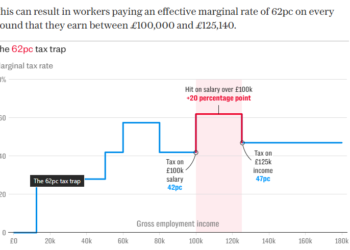 The ‘Career Ceiling’: One in Five High Earners Say £100k Tax Trap is ‘Ruining’ Their Ambition
 ‘White Elephant on Wheels’: Orkney Council to Sell £456,000 Bin Lorry with Only 2,000 Miles
 Storm Dave Disrupts Road and Rail Travel as Conditions Begin to Ease
 New UK Farm Inheritance Tax Rule Will Cause ‘Significant Challenges’, Say Accountants
 Iceland Boss Offers Role to Sacked Waitrose Employee
 Debt Relief or Drop in the Ocean? UK Caps Student Loan Interest at 6%
 The Silicon Emerald: How Irish Engineers are Cashing In on the AI Boom
 The Pre-School Lottery: Families Left in ‘Holding Pattern’ as Local Places Vanish
 Heavier SUVs Accelerate Britain’s Pothole Crisis
 The Waiting Ward: ‘Month of Worry’ as Doctor Strikes Trigger Seismic Surgery Delays
 Policy Stand-Off: Streeting Denies Any ‘System Update’ to Resident Doctor Pay Deal
 Roadside Reckoning: Nearly 160,000 Uninsured Vehicles Seized in National Crackdown
 Carmakers Face £3bn Gap in UK Loan Payout Scandal