Published: 21 April 2026. The English Chronicle Desk. The English Chronicle Online.
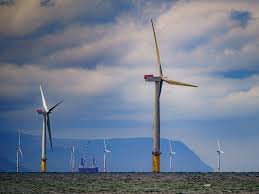
The British government has announced a significant shift in energy policy today. Electricity generators now face the threat of substantially higher windfall taxes soon. Officials intend to compel these firms to adopt new long-term contracts. This strategy aims to shield households from volatile global gas market prices. The current conflict in Iran is actively driving energy costs higher worldwide. Consequently, the Treasury plans to raise the existing windfall tax rate. This levy will increase from forty-five percent to fifty-five percent. This higher rate applies specifically during periods of extreme gas price spikes. Funds raised through this mechanism will support struggling households during crises. Owners of legacy renewable energy projects will be affected by this move. These older wind and solar farms currently receive subsidies alongside market prices. They will now face the higher tax rate until they transition. Companies must sign contracts that guarantee a fixed price for electricity. This plan effectively seeks to delink electricity costs from volatile gas prices. These measures represent the most radical intervention into the market to date. The government aims to weaken the impact of soaring wholesale gas prices. The United Kingdom currently faces some of the highest electricity costs globally. Keir Starmer announced these comprehensive plans during his address this Tuesday. He stated that citizens should not pay for global gas price spikes.

The government is focused on easing pressure on household budgets immediately today. Officials are also committed to building a robust homegrown energy system instead. This system intends to protect families from future global instability and shocks. Government departments confirmed this market intervention alongside other ambitious clean projects. They are accelerating the rollout of clean energy infrastructure across the country. Encouraging the uptake of electric alternatives to fossil fuels remains a priority. Ministers view this shift as the only route to energy security. Bringing bills down for good is the ultimate goal of these policies. UK household energy bills are expected to rise starting this coming July. The ongoing conflict in the Middle East is pushing costs up further. These measures were finalized just before a speech by Ed Miliband. The energy secretary is expected to discuss the fossil fuel shock. He will likely argue that the nation must double down now. This mission for clean energy remains central to the government strategy. Miliband stated that the era of fossil fuel security is finally over. The era of clean energy security must now come of age quickly. The government is doubling down on clean power to ensure national stability. This will provide the country with security and lower consumer bills. Legacy generators are being offered a clear choice by the government ministers. They can sign up for new wholesale contracts for difference agreements today. These contracts are similar to deals struck by newer low-carbon projects. Alternatively, these companies will face a higher tax rate on profits. This will be managed through the existing electricity generator levy system. The chancellor, Rachel Reeves, provided further details regarding the financial plans. She noted that moving generators to competitive pricing is a vital step. Increasing the levy to fifty-five percent will help break the link. High gas prices will no longer dictate high electricity prices for users. This change will offer households and businesses stronger protection against future shocks. Generators have faced a forty-five percent tax rate since late 2022. This applied to electricity sold at prices above seventy-five pounds per megawatt. That levy was established after the war in Ukraine caused market chaos. Power market prices have surged significantly in these past few weeks alone. Prices rose from seventy-four pounds to over one hundred pounds per megawatt. Officials fear these prices will climb even higher toward the coming winter. Securing the bulk of electricity via fixed contracts is a major change. This approach should ensure that electricity costs eventually fall for the public. Bill payers will be significantly less exposed to sudden market price volatility. Analysts at the UK Energy Research Centre first proposed this path. They suggested this plan back in April of twenty twenty-two originally. Their research sought to guard against surging prices following the Russian invasion. They estimated potential savings between four and ten billion pounds every year. This assumes that market prices remain high for an extended period onwards. The UK remains one of the countries most exposed to market volatility. This is due to its reliance on gas plants for power generation. About thirty percent of electricity comes from gas plants in this country. These plants effectively set the price for the market as a whole. This structure means higher market prices provide windfalls for many energy producers. Renewable, biomass, and nuclear reactors all benefit from this current market setup. They gain extra profit unless they operate under fixed-price contracts currently.

Contracts for difference ensure that generators receive a guaranteed price for energy. This model provides certainty for both the generators and the national grid. The government believes this transition is necessary for long-term economic stability. By securing these contracts, the nation moves away from fossil fuel reliance. This policy shift represents a definitive move towards a greener energy future. The focus remains on domestic production and insulating consumers from foreign interference. Energy security is seen as a pillar of national prosperity and safety. These new measures will be implemented across the energy sector very shortly. Further guidance for generator companies is expected to be released next week. Market analysts will continue to monitor the impact of these tax changes. The government is prepared to refine these policies as the situation develops. Ensuring fair prices for the British public remains the primary government objective. Leaders are confident that these steps will stabilize the national energy grid. Families can look forward to more predictable bills in the coming years. Protecting the standard of living for citizens is a top priority today. The government remains vigilant as energy markets adjust to these new rules. Cooperation between the state and energy firms is essential for success here. Achieving a sustainable energy future is a task for the entire nation. This policy marks a turning point in how energy is priced domestically. The coming months will be critical for assessing these important market reforms. Every effort is being made to ensure a smooth and stable transition. The nation moves forward with a clear vision for energy independence now. Stability and affordability are the guiding principles for this new energy era.
Related News:
 UK Banks Granted Reprieve as BoE Delays Basel III Capital Rules Until 2028
 Singapore Corruption Scandal: Details Emerge on Iswaran’s Luxury Flight and Ties to Tycoon Ong Beng Seng
 Corfu Beyond the Crowds: Discovering Serenity in Southern Villages and Hidden Taverns
 Peter Andre Praises Son Junior’s ‘Quiet Season’ Amid Ongoing Family Dispute
 Massive 641-Mile Storm Set to Batter UK with 15 Hours of Rain and Strong Winds
 Jeremy Clarkson’s Pub: A Sunday Lunch Like No Other
 Scottish Government Mandates Single-Sex Toilets and Changing Facilities in Schools
 Reeves Faces Setback as Labour May Miss Homes Target
 Kate Winslet to Narrate Film Highlighting King’s Environmental Mission
 Trump’s UK Ambassador Urges North Sea Drilling to Strengthen US Ties
 Federal Immigration Shift: Officers Leave Louisiana for Minneapolis
 Fatal Bolton Taxi Crash Claims Three Teens and Driver
 Australia grants Asio powers to designate hate groups under new laws
 Friedman Uninvited From 2024 Adelaide Writers’ Week
 ScottishPower Tops List of Worst UK Energy Suppliers
 Judi Dench Champions Fight to Save London’s Green Spaces
 Crowborough Camp Welcomes First Asylum Seekers
 BBC Funding Crisis: Tim Davie Warns of Jeopardy Ahead
 ABC Facebook Page Briefly Hacked, Adult Photos Posted
 Artificial intelligence will cost jobs, admits Liz Kendall
 Older Women Vanish from BBC Screens, Review Confirms Bias
 Meta trial over child exploitation claims begins
 Streeting moves on doctor pay to end strike dispute
 Ben Stokes injury joke after brutal ball strike
 UK and US Drop in Global Corruption Index Rankings
 Send spending gap leaves deprived areas behind
 Hidden Crisis: Domestic Abuse Suicide Toll in UK
 UK Unemployment Rate Climbs to 5.2% Peak
 Canberra Poster Seizure Sparks Free Speech Row
 BBC World Cup Presenting Duties Shared Among Trio
 Wales Approves Assisted Dying Bill Consent
 CPS Updates Guidance on Honour-Based and Dowry Abuse
 Stewart Brand on Musk, Bezos and a Life of Long Thinking
 English Cricket Faces Moral Crisis Over Indian Investment
 Jacinda Ardern Move Sparks Kiwi Reflection
 Middle East Airspace Crisis Strands Thousands
 Kelly Wilkinson Inquest Reveals Bail Failure
 Asylum Seekers to Work After Year-Long Wait
 Princess Eugenie steps down as patron of anti-slavery charity
 New Zealand Covid Response Praised Despite Lingering Scars
 Injured Mojtaba Khamenei Elevated as Iran Leader
 The Kill Line: A Shifting Vision of the American Dream
 Inquiry into HMRC child benefit errors launched by NAO
 Family of Alleged Bondi Gunman Seeks Name Suppression
 Rising Costs Force Families to Rethink Days Out
 Air Canada CEO Faces Outcry Over Recent Language Misstep
 Extreme Weather: Europe Shivers as Cyclone Narelle Hits
 Scott Mills Sacked by BBC Over Personal Conduct Claims
 Palantir Boss Defends NHS Deal Amid Government Break Clause
 Asia Turns Back to Coal Amid Middle East Energy Crisis
 Relationship with Trump may be beyond repair, Starmer warned
 Trump’s Six-Week Iranian War: The High Cost of Ignorance
 US and Iran Agree to Two-Week Provisional Ceasefire
 Battle of Britain Tower to House Tourists and Bats
 The Challenger: Will Péter Magyar End the Orbán Era?
 UK Government Poised to Revive Stalled Hillsborough Law
 Democrats Move to Impeach Defense Secretary Pete Hegseth
 Security Alert Near Israeli Embassy as Police Investigate
 Ben Roberts-Smith Denies War Crime Allegations in First Statement
 Home Office Faces Legal Risks Over Asylum Hotel Living
 Japan’s Youth Defend Pacifist Constitution
 Investigation: Offshore Loans and Sanctions
 Trump Defiant After Washington Hotel Shooting
 Cross-Border Crisis Shatters Fragile Afghan Peace
 The Fear Gap: Why Europe Feels Less Safe Than It Is
 US Military Pacific Boat Strike Kills Three People
 Dettol Apologises for ‘Toxic Men’ Advert Backlash in China
 UK Care Crisis: Row Explodes Over New Visa Settlement Rules
 Sainsbury’s Boss Optimistic As Grocery Inflation Eases
 US Advance Past Bosnia in World Cup Thriller
 Trump’s Mount Rushmore Speech: A Divisive Anniversary
 Trump’s Red-Card Intervention Hurts the US World Cup
 US Airman Avoids British Court in Indecent Exposure Case
 Britain’s Mini Fan Craze Sparks Major Waste Crisis
 Trump Swaps Planes Amid Iran Tensions
 Ann Widdecombe, Formidable Political Figure, Dies at 78
 UK Schools Struggle as Classrooms Top 40C
 Yemen Accuses Iran of Violating National Sovereignty
 Houthis Strike Saudi Arabia as Middle East Tensions Rise
 Former Diplomats Urge UK and France to Act on Palestine