Published: 22 April 2026. The English Chronicle Desk. The English Chronicle Online
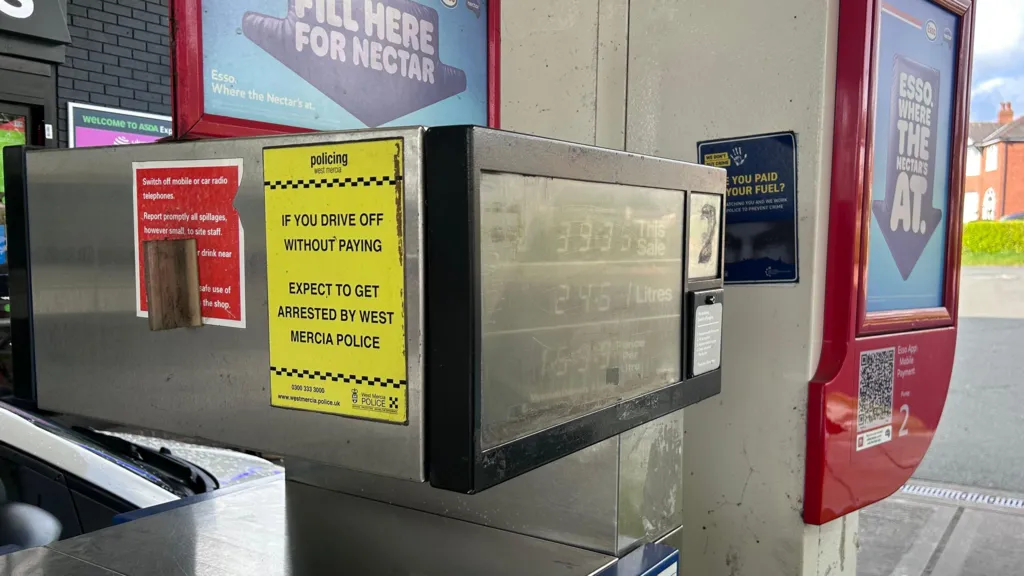
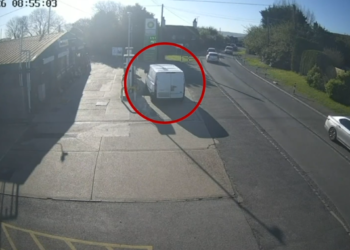
A “low rumbling” of desperation has turned into a full-scale crime wave across Britain’s forecourts, as new data reveals a staggering 62% surge in fuel thefts over the past year. According to figures from the security firm Pay My Fuel, the average petrol station is now dealing with 3.4 “drive-off” incidents per week, up from 2.1 in 2025. With diesel prices hitting a “shaken and stirred” 191.2p per litre due to the ongoing conflict in Iran, the “Statutory Standard” of honest payment is being abandoned by a new demographic: the first-time offender.

Retailers report that the crisis is costing the industry more than £100 million a year. For independent station owners, the losses are “naked” and immediate; one operator in the Midlands reported losing £2,000 per week across five sites, a figure that threatens the very survival of local community hubs.
The most “troubled” trend identified by security experts Forecourt Eye is the shift in offender behavior. While professional “bilkers” using stolen plates still exist, there has been a sharp rise in “No Means of Payment” (NMOP) incidents—where drivers fill up and then simply walk into the shop to declare they cannot afford the bill.
| Theft Type | Change (Mar 2025 vs 2026) | Characterization |
| Drive-Offs | +6% | Traditional “Fill up and flee.” |
| No Means of Payment | +22% | Drivers declaring they are “broke” at the till. |
| First-Time Offenders | +15% | Citizens with no prior criminal record. |
| Average Loss/Incident | £67.00 | Up from £56.00 in 2025. |
The late zoologist Desmond Morris often noted that when an environment becomes too resource-scarce, the “Naked Ape” begins to disregard social hierarchy and law to satisfy basic survival needs. In 2026, the “Triple-Shift” generation—balancing work, family, and rising “War Taxes”—is reaching a breaking point.
“We aren’t just seeing motorcycles and vans,” says Josh, a station manager in East London. “We’re seeing luxury vehicles and family SUVs. People are filling full tanks because they don’t know if the price will jump another 10p tomorrow. When they see the total is £110, they just drive off. It’s a ‘Human Zoo’ reaction to a cost-of-living crisis that has become a cost-of-survival crisis.”
The surge in theft has brought a “low rumbling” of violence to the front lines. Forecourt staff are reportedly bearing the brunt of customer frustration, with a “sharp rise” in abusive behavior directed at workers who have no control over the global oil markets.
“Staff are being treated like ‘wardens’ in a prison,” says Michelle Henchoz of Forecourt Eye. “Customers are venting their anger at the till, and in many cases, NMOP incidents escalate into aggression when staff refuse to allow the driver to leave without some form of security or ID.”
In response to the “fill up and flee” spree, the industry is moving toward a new “Statutory Standard” of Mandatory Pre-Payment. Several major chains are trialing “Pay-at-Pump” only systems during off-peak hours, while others are installing advanced ANPR (Automatic Number Plate Recognition) systems that lock the pump if a vehicle is flagged for previous non-payment.

“We are effectively being forced to offer a loan service we never signed up for,” warns John Garnett of Vars Technology. “Until the government takes ‘No Means of Payment’ more seriously as a criminal rather than a civil matter, the ‘low rumbling’ of theft will only get louder.”
The government has warned that motorists caught deliberately evading payment risk fines of up to £5,000 and, in extreme cases, two years in prison. However, with police resources stretched thin, many retailers feel “naked” and unprotected. As the War in Iran continues to choke the global supply, the forecourt has become the most visible battlefield in Britain’s “troubled” economy.
Related News:
 Plan to Name Company Owners to Curb Money Laundering
 Ram-Raid Gang Hit Livingston Store in Arson Escape
 The ‘Axiom of Fraud’: £39.5m Hole Discovered in Second Major Law Firm Collapse
 Tasers Introduced in UK Prisons to Combat Rising Violence and Protect Staff
 Supreme Court Ruling on Car Finance Scandal Poised to Impact Millions of Motorists and Banks
 Targeted Attack in Bury Sparks Murder Investigation as Community Awaits Justice
 Man Remanded After Children Fall Ill at Leicestershire Summer Camp in Shocking Child Cruelty Case
 AI Revolutionises Grooming Gang Investigations as Police Target Cold Cases Across England and Wales
 Police Advised to Disclose Ethnicity of Suspects in High-Profile Cases
 Merseyside Police Helicopter Crew Cleared After Low-Altitude Pursuit of Suspect
 UK Mobile Retailers Lock Doors Amid Surge in Organised Phone Thefts
 UK Launches Major Crackdown on Networks Profiting from Online Child Sexual Abuse
 Jailed Georgian Opposition Leaders Warn UK of Iranian Links to Ruling Party
 No Evidence Found to Substantiate Alleged Rape in Oxfordshire Churchyard, Police Confirm
 French Taxi Driver Cleared in David Lammy Theft Case After Fare Dispute
 Just Stop Oil Protesters Convicted Amid Climate Defence Row
 Serial Rapist and Former Cop Found Guilty Again
 Virgin Media Fined £23.8m Over Telecare Safety Failures
 Woman Jailed for Life After Killing E-Bike Rider in Tragic Mistaken Identity Case
 Betfair Faces Pressure Over Funds Lost to Gambling Fraud
 HMRC Delays Leave Taxpayers Waiting Over a Year for Refunds
 Study Finds One in Seven England Takeaways Are Dark Kitchens
 Police Probe Mandelson Over Alleged Epstein Leak
 Appeal to B&B Owners Over Cash Point Ram-Raid
 Man in Court Charged with Belfast Murder
 Rapist Caught by DNA 20 Years After Teen Attack
 Wayne Couzens Still Eligible for £7k Pension
 Disability and LGBT Hate Crimes Set to Become Aggravated Offences
 Last‑ditch Call to Save Police Front Counters in London
 Prisoner Escapes London Hospitals Twice in a Week
 How Much Could Andrew’s Arrest Hurt the Royal Family?
 Fly-Tippers to Be Hunted by ‘Drone Squad’ in Crackdown from the Sky
 Court Error Frees Rape Suspect Who Flees UK

 Sadistic Pair Jailed for Blowing Up Sheep
 Trial Date Set for Student Accused of Racial Hatred
 Rape Accused Had Fight With Man in Alley, Court Told
 Flatmates Cleared of Raping Man After Night Out
 Grave of Murdered Toddler James Bulger Vandalised
 Man Charged Over Derry Kidnapping Incident
 Suspects in Lisa Dorrian Case Released on Bail
 Murder Charge After Security Guard Stabbed in Violent Attack
 Driver Jailed Over Fatal Water Treatment Tank Crash
 Bogus ‘Oxford Professor’ Jailed Over £880k Investment Scam
 Man on Trial for Rape That Led to Andrew Malkinson’s Wrongful Jailing
 Labour MP’s Partner Arrested on Suspicion of Spying for China
 Police Scotland Pays £8m Compensation to Staff
 Woman Smuggled Military-Grade Guns and Heroin
 Police Sell Crime-Fighting Tuk-Tuks at £28,000 Loss
 ‘He Didn’t Stand a Chance’: Man Killed by Tube Was Blocked from Safe Spot, Inquest Hears
 Armed police incident closes major road
 Pedestrian critically hurt after being hit by car
 House wall collapses on to car in city centre
 Gran Vows to Shield Huntley’s Daughter From Soham Killer’s Funeral
 Scots Man Convicted in Dirty Money Case After DNA Found on Cash
 Man Arrested Over Gunshot Death in Motherwell
 Liverpool Shooting Horror as Girl, 17, Shot in Legs in ‘Targeted Attack’
 Rapist Caught After Victim Calls Police Mid-Attack

 Families Tortured by Authorities During Investigations Inquiry Told
 Two Men Bailed Following Arson Attack on Jewish Charity Ambulances
 Watchdog Probes Police Handling of Andrew Tate Abuse Claims
 Fire Crews Battle Major Blaze at Coventry Car Dealership
 Dawn Raids in Scotland and Spain: Eight Arrested in Major Organised Crime Sting
 Police Hunt Bike-Riding Gunman After Man Shot Dead Near Euston
 The Hidden Highway Heist: Inside the UK’s Cargo Theft Crisis
 “A Shadow in the Night”: Survivor Speaks Out After Abduction by Fake Taxi Driver
 Heartbreak in Bournemouth: The Tragic Death of James Blanch
 Rebranded or Reclaimed? Seized Tate Assets to Fund Domestic Abuse Support
 The Victim-Blame Loop: When Protection Orders Backfire
 California fireworks blast: murder charges filed in case
 Mass Arrests at London Palestine Protest Spark Debate
 Misconduct Inquiry Launched Over Fatal Schoolgirl Crash Response
 Counter-Terror Probe Launched After Break-In at Hampshire Firm
 Al Fayed Enablers ‘Must Face Accountability’, Survivors Say
 Roadside Reckoning: Nearly 160,000 Uninsured Vehicles Seized in National Crackdown
 ‘Pump Piracy’: Fuel Thefts Skyrocket as Iran Conflict Drives UK Petrol to 190p
 A Crime of Pure Hatred’: Court Hears Harrowing Details of Racially Aggravated Rape in Bristol
 ‘A Deliberate Act’: Man Charged with Attempted Murder After Vehicle Strikes Pedestrians in Nottingham
 ‘A Sacred Space Shattered’: Two Found Guilty in London Church Drive-By Murder Trial