Published: 22 April 2026. The English Chronicle Desk. The English Chronicle Online
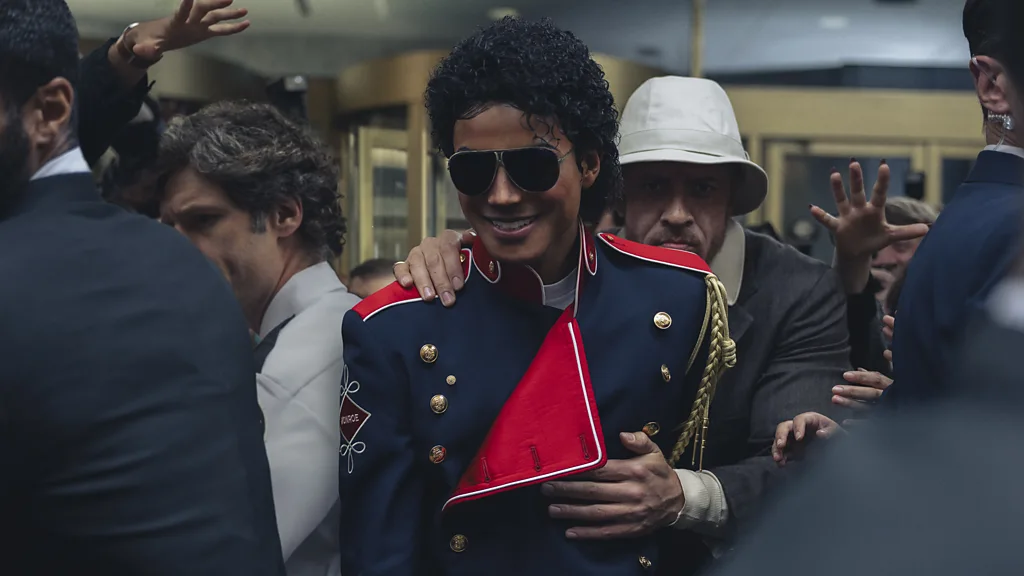
The highly anticipated biographical film Michael, which promised to be the definitive cinematic portrait of the King of Pop, has debuted to a chorus of scathing reviews that have branded the $155-million production a “bland and barely competent daytime TV movie.” Despite the star power of director Antoine Fuqua and the uncanny physical transformation of Jaafar Jackson—the late singer’s real-life nephew—critics have largely dismissed the film as a hollow hagiography. As the movie prepares for its global theatrical release this Friday, the early consensus suggests that it is more interested in protecting the lucrative Jackson estate than in exploring the complex humanity of its subject.

Reviewers have been particularly pointed in their criticism of the film’s “sanitized” narrative, which many argue intentionally sidesteps the most controversial chapters of Jackson’s life. The screenplay, penned by John Logan, reportedly concludes its chronological march in the mid-1980s, effectively ending the story before the first public allegations of child sexual abuse surfaced. This choice has led several prominent critics to label the film “ghoulish” and “soulless,” with some suggesting it functions as little more than a high-budget promotional video designed to rehabilitate Jackson’s image for a new generation. The BBC went as far as to describe the film as a “frictionless, flat, paper-thin story” that lacks the dramatic tension required to sustain its two-hour runtime.
While the storytelling has been panned, the performance of Jaafar Jackson has been a rare point of praise. In his film debut, the 29-year-old has been lauded for his “electrostatic moves” and his ability to capture the specific cadence and vulnerability of his uncle’s voice. However, even this praise comes with a caveat; several critics noted that while the mimicry is masterful, the film provides the actor with little emotional depth to work with. Jaafar is joined by Colman Domingo as the “despicable villain” Joe Jackson and Nia Long as Katherine Jackson, though reviewers have noted that their performances are often obscured by “grotesque prosthetics” and a script that renders them as one-dimensional archetypes.
The technical execution of the film has also come under fire, with some reviews describing it as “technically sloppy” and “airless.” Despite Fuqua’s reputation for stylish filmmaking, Michael has been criticized for its reliance on medium shots and literal recreations of iconic music videos that offer no new perspective on the creative process. One particularly biting review compared the experience to visiting a “nine-figure wax museum,” suggesting that the film’s $150-million budget was spent on surface-level polish rather than narrative substance. The film currently holds a dismal 31% rating on Rotten Tomatoes, signaling a significant disconnect between the studio’s grand ambitions and the reality of the final product.

As fans prepare to flock to cinemas on 24 April, the controversy surrounding Michael appears to be its most interesting feature. While the film’s “greatest hits” soundtrack and nostalgic recreations of Thriller and Bad will undoubtedly drive box office success, the critical drubbing suggests a missed opportunity to create a meaningful work of art. By refusing to engage with the contradictions and shadows of Michael Jackson’s life, the film has been accused of turning a once-vibrant human being into a mere product, leaving audiences with a cinematic experience that is, in the words of one critic, “really, really bad.”
Related News:
 Oscar Nominee Wagner Moura: ‘Latinos Are More Than Drug Dealers’
 How Robert Duvall Became a Hollywood Great
 Buckley & Aramayo Triumph at BAFTA Film Awards
 ‘It Was Held Against Us’: How Crash Pulled Off the Most Shocking Win in Oscars History
 ‘The Bride!’ Review: Maggie Gyllenhaal’s Bride of Frankenstein Riff Is Exhilarating and Unforgettable
 Thakkali Srinivasan Dead: Beloved Actor and Musician Dies After Health Battle
 Michael B. Jordan Celebrates Oscars Win at In-N-Out
 ‘Really Feeling the Love’: Savannah Guthrie Returns to NBC as Search for Mother Continues
 ‘Some Might Pay’: The Guitar That Built ‘(What’s the Story) Morning Glory?’ Heads to Auction
 Chaos for Concertgoers: Wireless Festival Cancelled Amid Kanye West Entry Row
 Heartbreak on the Rails: World-Renowned Violinist, 79, Pleas for Return of Stolen Instrument
 Ozzy Osbourne: The Prince of Darkness Bows Out, Leaving Behind a Legacy of Metal and Myth
 Justin Timberlake Shares His Lyme Diagnosis and the Strain of Performing Through Illness
 Unseen Killers of the Deep Inside the UK Lab Uncovering the Silent Deaths of Sea Creatures
 Gen Z Embraces the Big, Bold ‘Fake’ Indian Wedding Party Trend
 My Husband Won’t Stop Playing with Lego and It’s Driving Me Nuts
 Sean Hayes Reimagined: From Sitcom Stardom to Serious Stage Acclaim
 Russell T Davies Warns of Declining UK Gay Rights Amid Rise of Reform UK and Trump Influence
 Terence Stamp, ’60s British Film Legend and Star of Superman, Dies at 87
 September’s Must-See Films: From Spinal Tap II to Leonardo DiCaprio’s Latest Thriller
 Watchdog, Cornflakes and Courage: Remembering John Stapleton, a Broadcaster Who Did It All
 Patricia Crowther, Known as UK’s Oldest Witch, Dies Aged 97
 Beloved Actress Dame Patricia Routledge Dies Aged 96
 Karen Carney Shines on Strictly Come Dancing Week Two Despite Tango Wobbles
 Jilly Cooper: The Bonkbuster Queen Who Redefined Romantic Fiction
 Celebrity Traitors First Look: A Star-Studded Highland Adventure That Hooks from the Start
 Paedophile Singer Ian Watkins Dies After Prison Attack
 Strictly Celebs Starstruck as Cynthia Erivo Shines
 Man Charged Over 2020 Death of Tattoo Artist Georgina Ward
 Fabio Wardley stuns Joseph Parker to earn Usyk title shot
 Kate Winslet to Narrate Film Highlighting King’s Environmental Mission
 Top Christmas Books Reads: Classics to Cozy Romcoms
 Pauline Collins, Beloved ‘Shirley Valentine’ Star, Dies at 85
 I’m a Celebrity 2025 line-up revealed: Osbourne joins
 VAR Must Rein Its Neck In to Save Football’s Spirit
 From Lego to Pokémon: How Adults Are Driving UK Toy Market Growth
 Pokémon to open world’s first theme park in Japan next year
 SS Rajamouli Announces ‘Varanasi,’ a Mythic Time-Travel Epic
 Eminem Takes Legal Aim at Australian ‘Swim Shady’ Brand
 The Lasting Legacy of Seven: Crime, Morality, and Urban Decay
 Director Michael Caton-Jones Reflects on Career and Beginnings
 Rusty Bond-Era Aston Martin Restored to £1m Glory
 Pavarotti statue frozen in Italian ice rink sparks backlash
 Nancy Sacked by Celtic as O’Neill Returns for Season
 Julia Donaldson Reveals New Character and Title for Third Gruffalo Book
 Top 10 Must-See Films Arriving This February
 He Was Once a Teen ‘Superstar’. Why Did James Van Der Beek Need Help to Pay His Medical Bills?
 Why Margot Robbie and Jacob Elordi’s ‘Mutual Obsession’ Is Giving Some Fans the Ick
 Gordon Ramsay’s Stressful New Netflix Series Shines
 Live Nation Sees Strong Ticket Sales as Monopoly Lawsuit Looms
 Meet Robert Aramayo: From Humble Beginnings in Hull to Juilliard and BAFTA Glory After Beating Timothée Chalamet
 ‘We Pray for Peace’: Indian Filmmaker From Troubled State Who Won a BAFTA
 Pacquiao and Mayweather Agree Professional Rematch for September
 Man, 83, in Taylor Swift Video Had ‘No Idea Who She Was’
 BBC Edited a Second Racial Slur Out of BAFTA Ceremony
 Tracey Emin Says My Bed Would Be ‘Tidy, Clean and Boring’ If Made Today
 Netflix Drops Bid for Warner Bros, Clearing Way for Paramount Takeover
 Marshals Is an Action‑Packed Spin‑Off That Yellowstone Fans Will Love
 David and Victoria Beckham Wish Brooklyn Happy Birthday Despite Family Feud
 Tears and Cheers as Controversial Long‑Running Australian Breakfast Radio Show Implodes
 Katie Price’s Husband Hit by ‘Tinder Swindler’ Claims
 Noma Head Chef Resigns Amid Abuse Allegations
 Joanna Lumley: ‘I Wash My Face with Whatever Soap’s Lying on the Side of the Bath’
 ‘My Hatred of Dogs is Ruining My Love Life’
 John Bengtson: The ‘Silent Film Sleuth’ Who Found History in the Background
 Scott Mills Sacked by BBC Over Personal Conduct Claims
 ‘I’m So Ready’: Céline Dion Announces 10-Night Paris Comeback Residency
 Shock Exit: Scott Mills Sacked from Radio 2 Over ‘Historic Relationship’ Allegations
 “It Ends With Trial”: Judge Tosses Blake Lively’s Sexual Harassment Claims Against Justin Baldoni
 US Senators Slam Ticketmaster Over Sneaky New Fee Hikes
 Keir Starmer Expresses Concern Over Kanye West Wireless Festival Dates
 Lil Nas X Enters Recovery Path to Resolve Police Assault Case
 The Suffocating Silhouette: Why Metal’s Mask Trend is Turning Deadly
 Turning Point: Britney Spears Enters Rehabilitation Following DUI Incident
 The Spectrum of Wit: All-Autistic Comedy Line-up Breaks ‘Seismic’ Ground
 Legacy of the Future: Prince Harry Argues Children Should Be an ‘Upgrade’ of Parents
 Arrest Made: Singer D4vd Held Without Bail in Death of 14-Year-Old Girl
 Blockbuster Resurrection: Avengers Reassemble and Top Gun Returns as Studios Tease 2026 Slate
 Harry and Meghan’s Australia Visit Sparks Debate